
The Philippine archipelago, consisting of over 7,000 islands, offers travelers an exceptional opportunity to explore not just stunning beaches and crystal-clear waters but also a rich and vibrant local culture. Far from the bustling cities and crowded tourist spots, many of the islands present a unique blend of traditions, heritage, and unspoiled beauty that can provide a truly authentic travel experience. Whether you’re wandering through traditional villages or savoring indigenous dishes, the Philippine islands offer much more than a typical tourist experience.
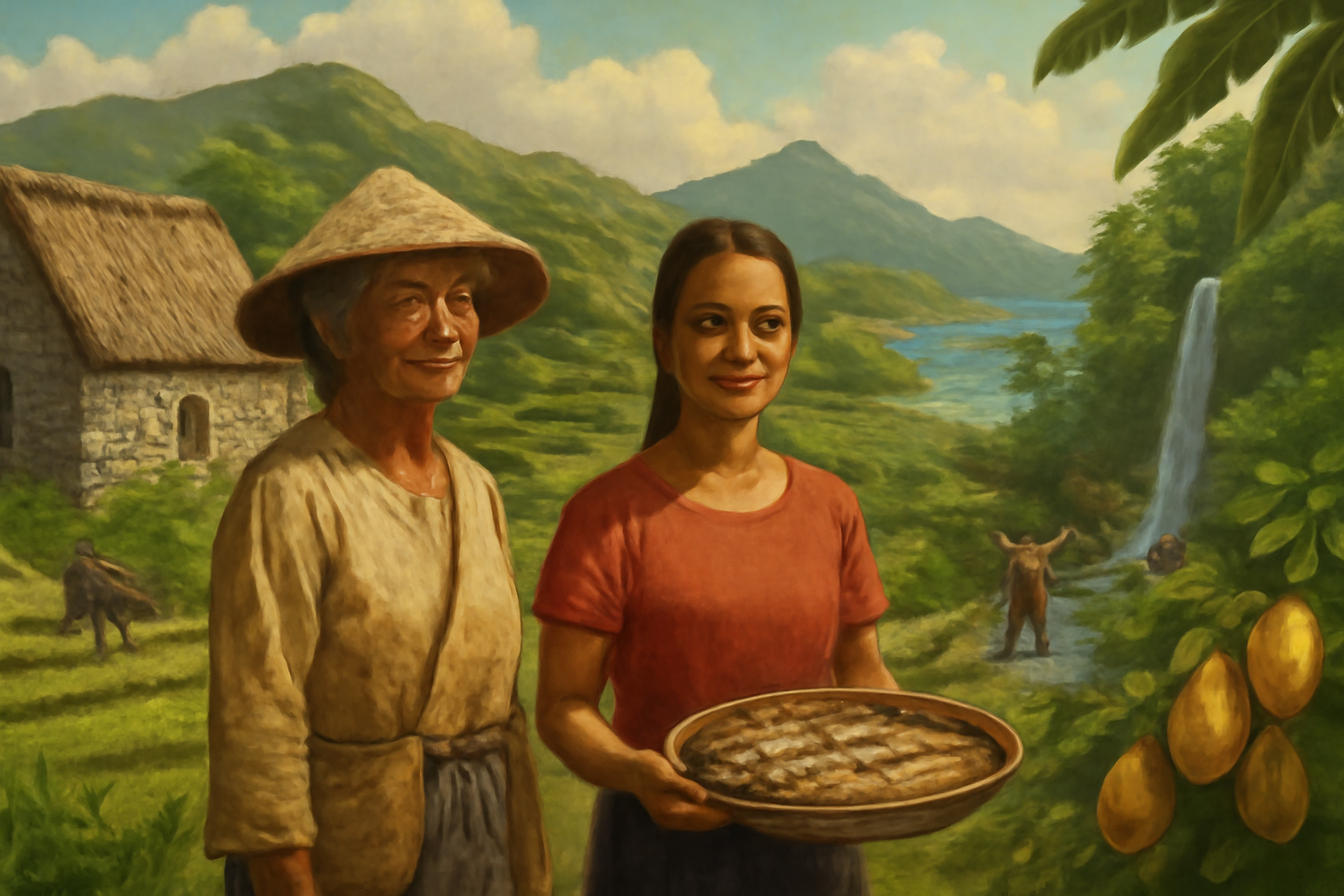
One of the key attractions for those seeking authenticity is the local way of life. Many of the islands retain their traditional lifestyles, with communities that have preserved age-old customs and practices. In places like Batanes, a small island group in the northernmost part of the Philippines, you can experience the warmth and hospitality of Ivatan culture. Here, the iconic stone houses, which have been constructed to withstand the region’s harsh weather, are a testament to the resilience and resourcefulness of the locals. The island’s simple way of life, based on farming and fishing, offers a refreshing break from the hectic pace of urban centers.
Further south, islands like Siquijor and Camiguin are often overlooked by mainstream tourism, yet they provide a rare glimpse into authentic Filipino life. On Siquijor, known for its mystical traditions and unspoiled landscapes, visitors can explore ancient balete trees, visit centuries-old churches, or simply relax by serene waterfalls. Similarly, Camiguin, with its volcanic landscape, invites travelers to immerse themselves in local history, from the island’s historical ruins to its traditional water-based industries.
The Philippine islands are also home to indigenous groups whose cultures are deeply rooted in the land. The Cordillera region, particularly in places like Banaue and Sagada, is renowned for its ancient rice terraces that have been cultivated for thousands of years. The Ifugao people, who tend these terraces, hold a deep connection to the earth, and visitors can witness their farming techniques firsthand, which have been passed down through generations.
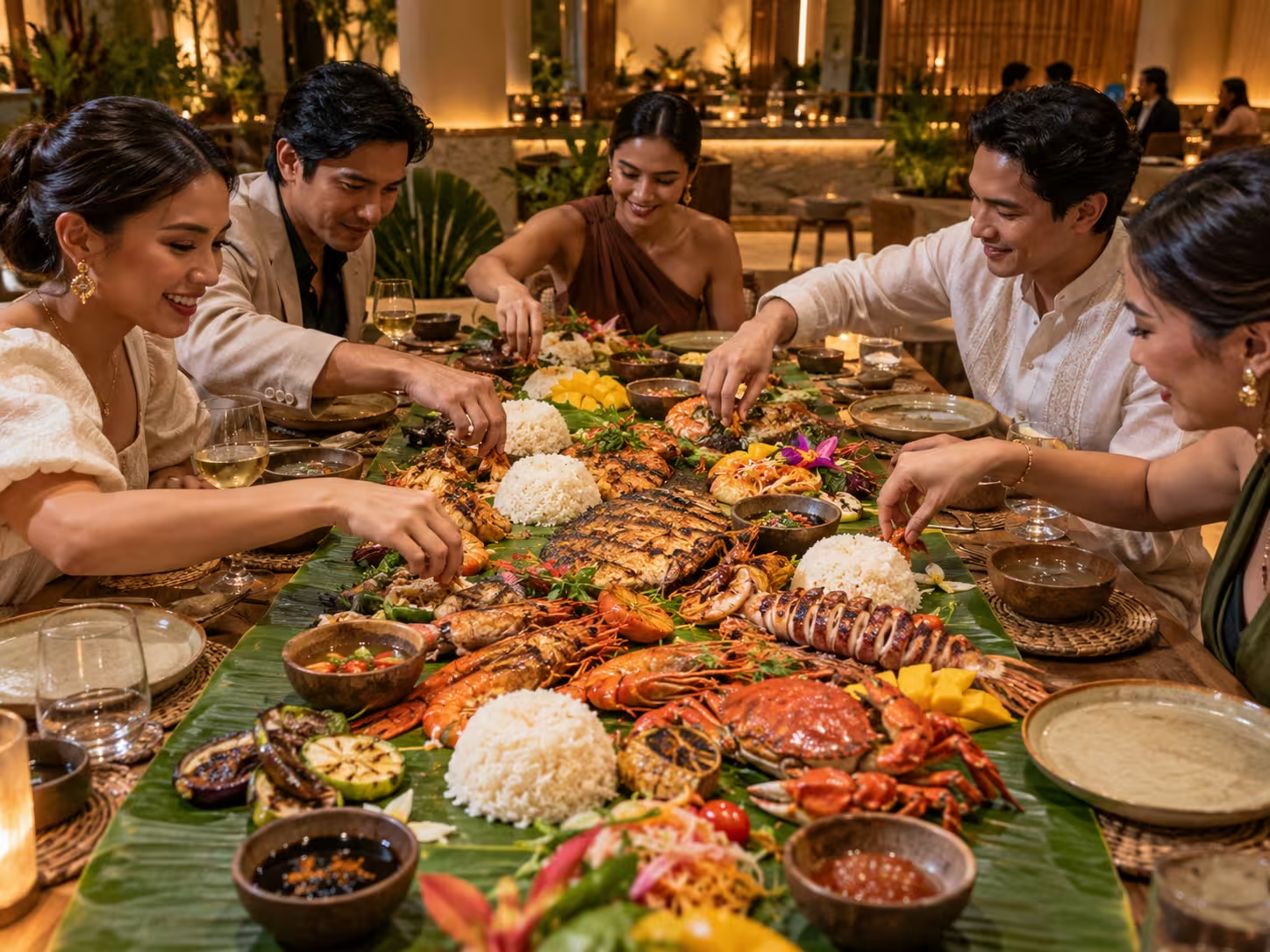
Food is another key component of an authentic experience in the Philippines. Local markets across the islands are bustling with fresh produce, and street food stalls offer a wide array of delicacies. From the famed adobo and lechon to lesser-known treats like “tupig” (grilled rice cake) and “kinilaw” (Filipino ceviche), each region has its own unique flavors. Experiencing these local dishes in their original settings is one of the best ways to understand the island’s culture and the people’s deep connection to their heritage.
Finally, the Philippines offers an opportunity to engage in meaningful conversations with the locals. Filipino people are known for their friendliness and hospitality, and they are often eager to share their stories with visitors. Many tourists find that the true magic of their journey lies not in the sights, but in the encounters and friendships they form along the way.
For those seeking an authentic Filipino experience, the islands are a treasure trove of cultural richness, natural beauty, and local traditions. Venturing off the beaten path and connecting with the island’s communities will provide you with memories that go beyond the typical tourist itinerary, offering a deeper understanding of the Philippines’ soul.