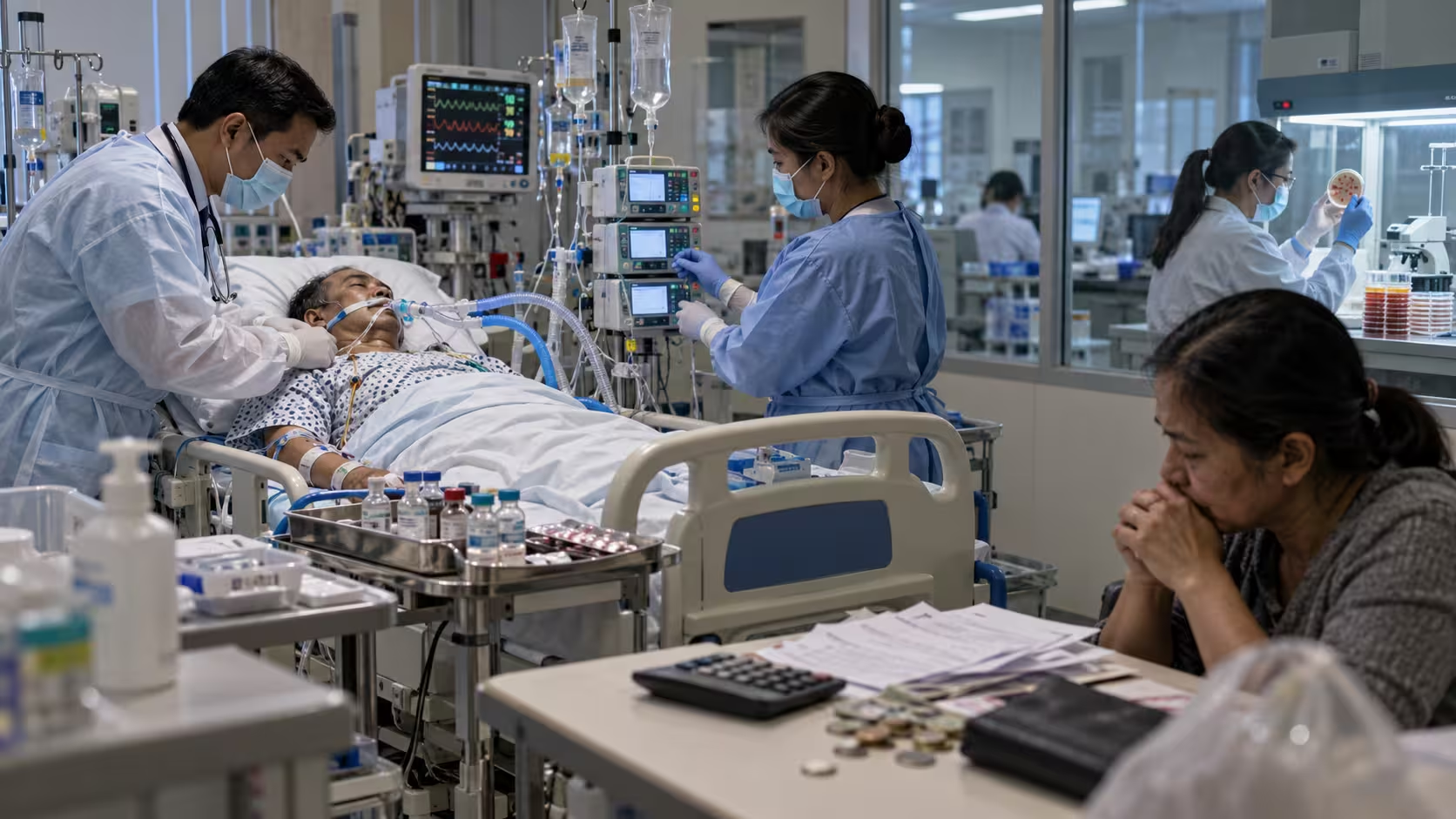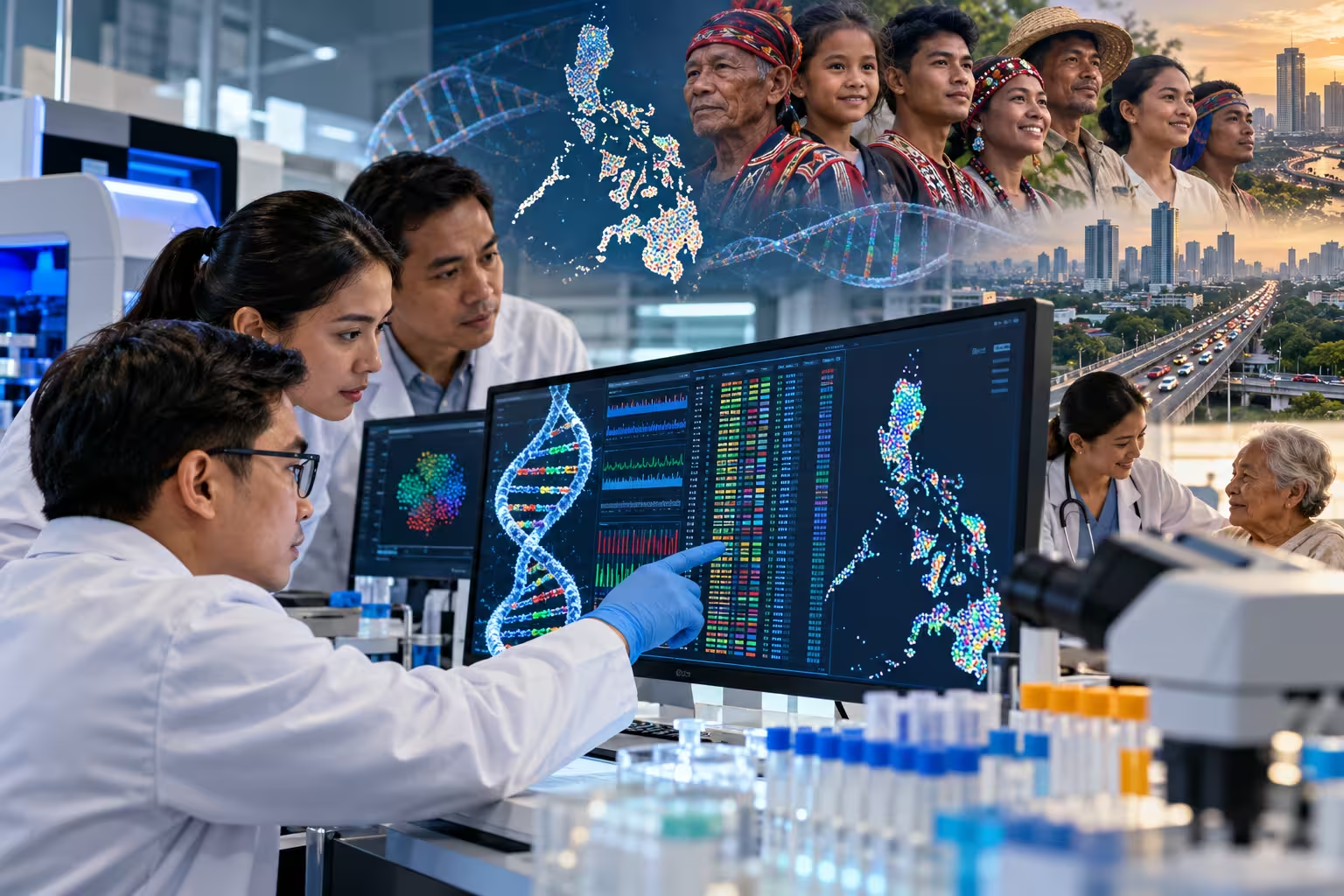

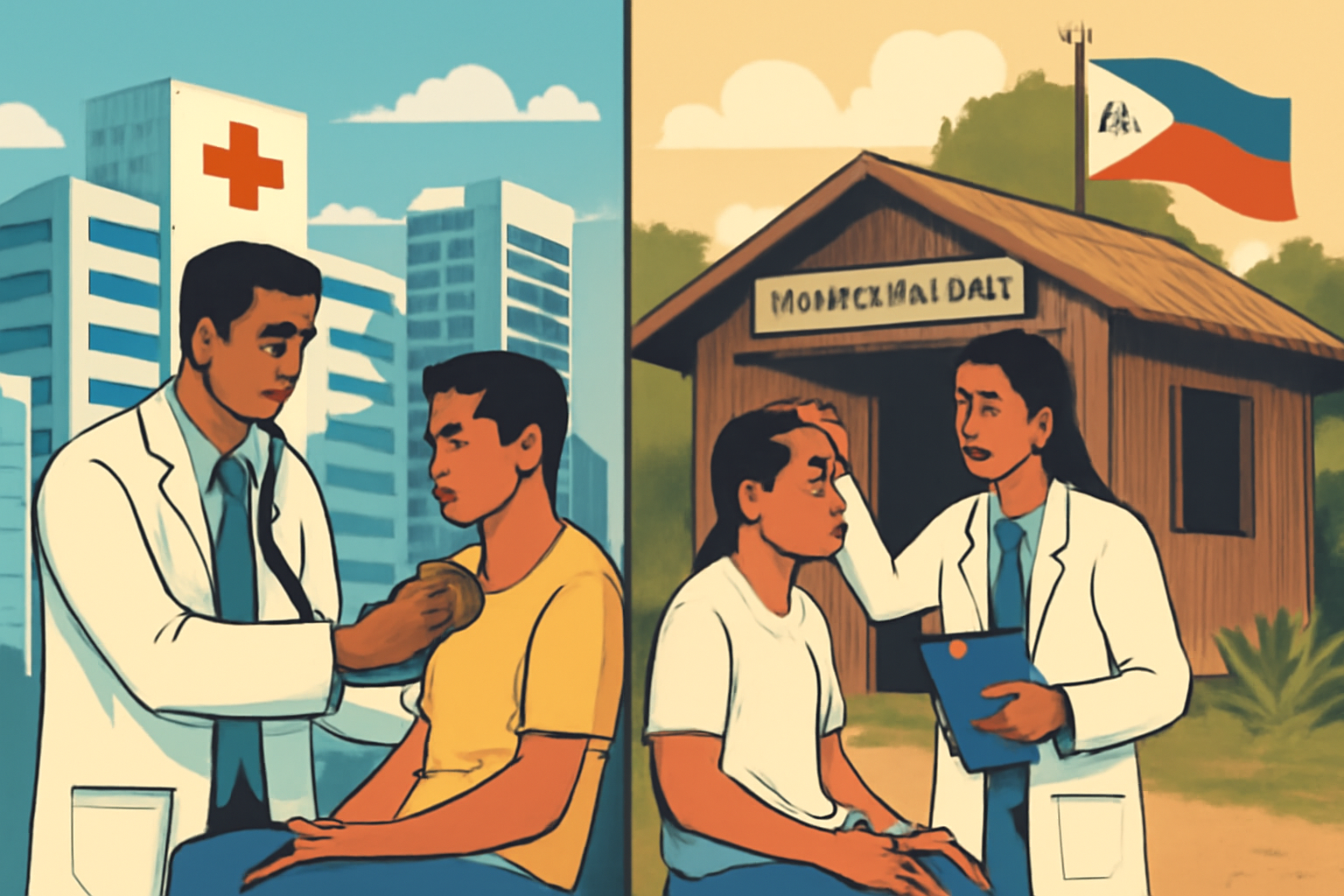
The healthcare system in the Philippines faces significant disparities that affect access to services, particularly between urban and rural populations. While people in major cities have access to state-of-the-art healthcare, those in rural areas often struggle to find basic medical care. The gaps in healthcare access are multifaceted, stemming from differences in infrastructure, resource allocation, and the distribution of healthcare workers.
Urban areas, particularly Metro Manila, enjoy high standards of healthcare due to the presence of numerous private hospitals and advanced medical technologies. In contrast, rural areas often lack basic healthcare services. Many provinces rely on small government clinics and rural health units (RHUs), which are frequently understaffed and underfunded. These facilities often struggle to provide even the most essential services, such as immunizations and maternal care, due to resource constraints.
Moreover, the uneven distribution of healthcare professionals is a significant factor contributing to healthcare inequality in the Philippines. Doctors, nurses, and specialists are more likely to work in urban centers, where they can access better training and higher salaries. Rural areas often face shortages of healthcare workers, making it difficult for patients to receive timely or adequate care. In some instances, rural health workers are not adequately trained, further exacerbating the quality of care in these areas.
Despite these challenges, the Philippine government has launched several initiatives to improve healthcare access. The Universal Health Care (UHC) Law, which aims to provide all Filipinos with access to quality health services, is a step in the right direction. The law aims to increase the availability of services in underserved areas, expand the healthcare workforce, and reduce the financial burden of healthcare for poor and marginalized communities. However, the effectiveness of the UHC Law will depend on the government’s ability to overcome the logistical, financial, and administrative challenges that currently hinder the country’s healthcare system.
The healthcare system is also affected by cultural practices, particularly in rural areas where traditional medicine is often preferred over modern healthcare. While alternative medicine may provide comfort to some, it can delay medical intervention for serious illnesses, potentially leading to worsened health outcomes. Changing cultural attitudes toward healthcare and encouraging people to seek medical care when necessary is crucial for improving overall health outcomes.
In order to address healthcare inequality effectively, the Philippine government must continue to invest in healthcare infrastructure, ensure the equitable distribution of healthcare workers, and implement policies that make healthcare more affordable and accessible for all Filipinos, regardless of their income or location.