










Reducing non-communicable diseases in the Philippines requires both neighborhood-level action and smart use of digital tools. The most powerful innovations are not necessarily high-tech; they are the ones that bring prevention and care closer to where people live and work, while using data to make each contact count.
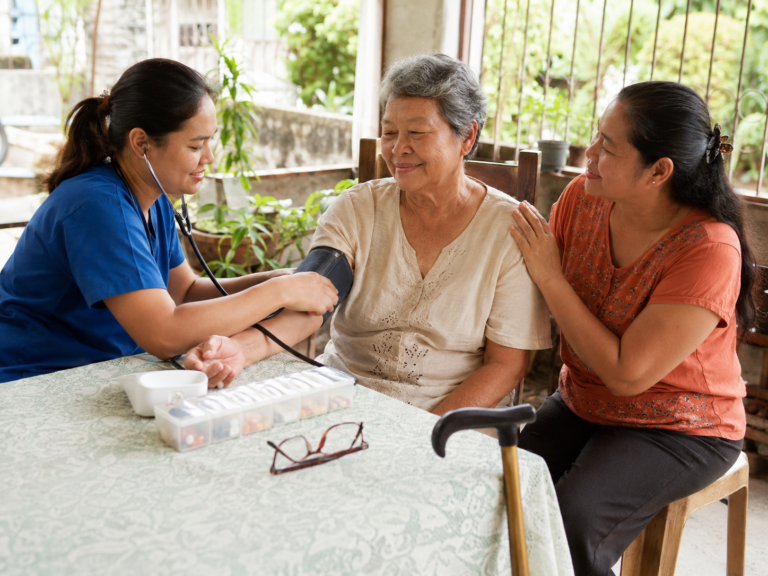
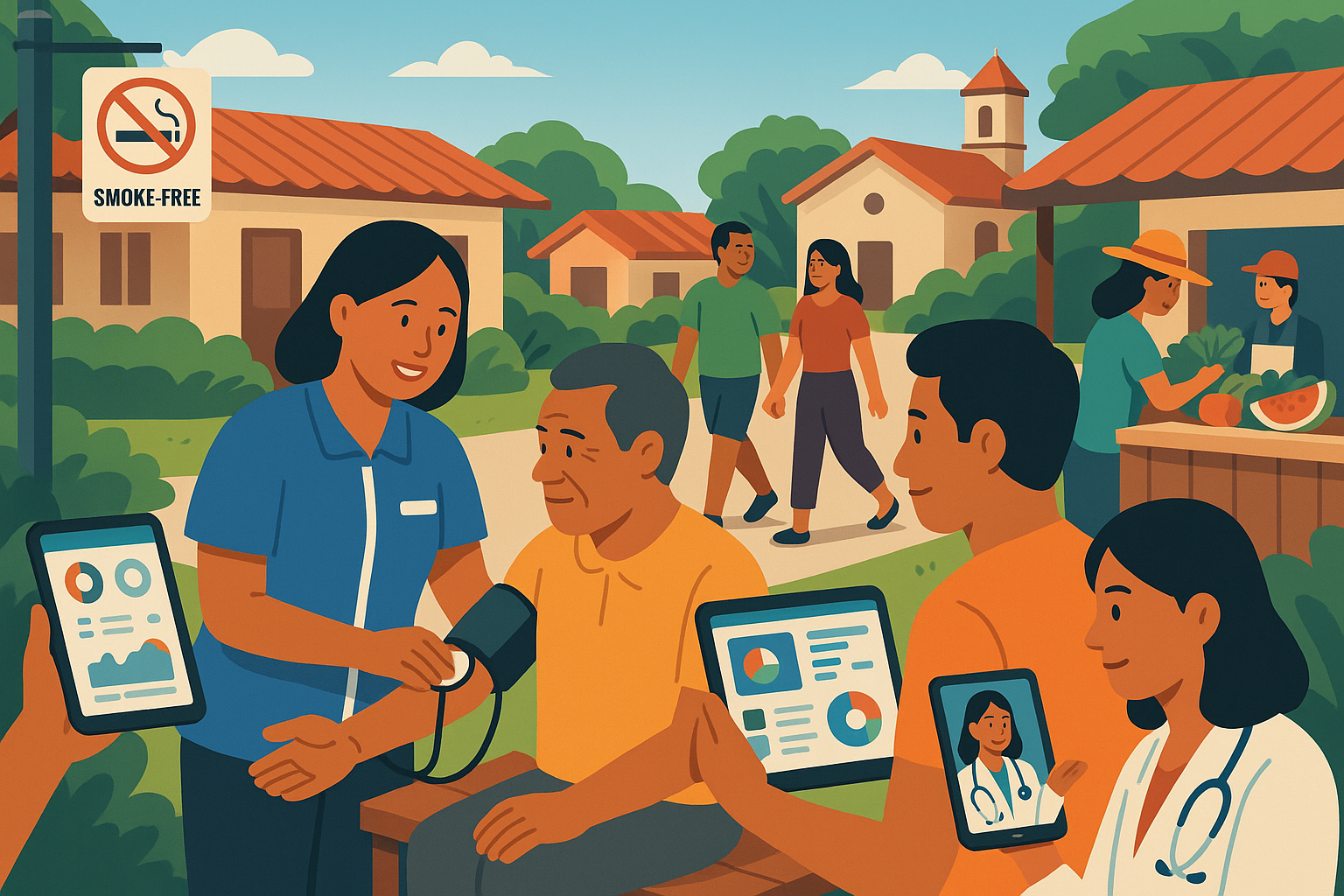
At the barangay level, community health workers (CHWs) are the backbone of case finding and follow-up. With simple kits—automatic blood pressure cuffs, tape measures, glucometers—CHWs can screen adults during house-to-house visits, markets, and church gatherings. Individuals with elevated readings are fast-tracked to the nearest primary care facility. Group education sessions on low-salt cooking, portion control, and tobacco cessation fit naturally into barangay assemblies and church groups, leveraging social support to change habits.
Digital registries transform these efforts. A cloud-based NCD registry that works offline allows CHWs to enroll patients, set reminders for follow-up, and flag missed appointments. Decision-support within the app prompts guideline-concordant care (e.g., when to start statins, adjust antihypertensives, or refer for HbA1c). Simple dashboards at the rural health unit show which patients are uncontrolled, who needs lab work, and which sitios have low screening coverage.
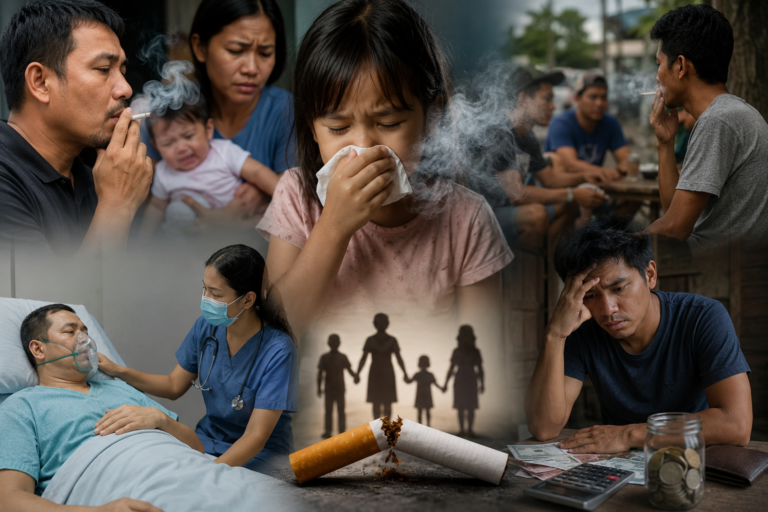
Telehealth closes distance. Scheduled video or voice consultations reduce travel costs, especially for the elderly and those on islands. E-prescriptions linked to local pharmacies streamline refills; SMS reminders improve adherence. For smokers, digital cessation programs—weekly motivational texts, app-based quit plans, and quick access to counselors—boost quit rates at low cost. Integration with national helplines and mental health services recognizes the frequent overlap between depression and chronic disease.
Environment still matters. Barangays can enact smoke-free public spaces, promote “car-free Sundays,” map safe walking routes, and mark 10-minute walking loops around schools. Public markets can pilot healthier food stalls with reduced salt and trans-fat-free cooking oil. Local air quality measurements, even from low-cost monitors, can galvanize action on open burning and traffic hotspots.
Clinically, simplifying treatment is key. Starter packs of fixed-dose combination antihypertensives, once-daily metformin, inhaled controllers for asthma/COPD, and clear titration schedules reduce complexity. Protocols should be printed and posted in clinics, mirrored by checklists in the registry app. For cancer, barangay health posts can host awareness days on breast self-awareness and cervical screening, with mobile teams offering VIA or HPV testing and clear referral slots at district hospitals.
Training keeps quality high. Short, repeated modules—hypertension basics, foot care for diabetes, motivational interviewing—can be delivered over messaging apps. Quarterly mentorship visits by physicians or nurse specialists provide case reviews and skills refreshers. Pretreatment and control-rate audits encourage problem-solving on stockouts, missed appointments, and transportation barriers.
Sustainability comes from aligning incentives. If clinics receive modest bonuses for achieving blood pressure and glycemic control targets, and CHWs earn micro-incentives for completed home visits and controlled patients, effort focuses where it matters. When residents see fewer strokes, improved energy, and lower drug costs through pooled purchasing, community trust grows.
This blend of barangay power and digital precision brings NCD care into daily life. By meeting people where they are—at home, at church, at the market, and on their phones—the Philippines can turn incremental changes into measurable gains in population health.