The evolution of Filipino men’s fashion is a fascinating journey, marked by the fusion of indigenous Filipino styles and foreign influences. From the early days of indigenous wear to the globalized fashion of the modern era, Filipino men’s fashion has continuously transformed to reflect the country’s shifting societal norms and international trends.
Traditional Filipino Attire: The Barong Tagalog
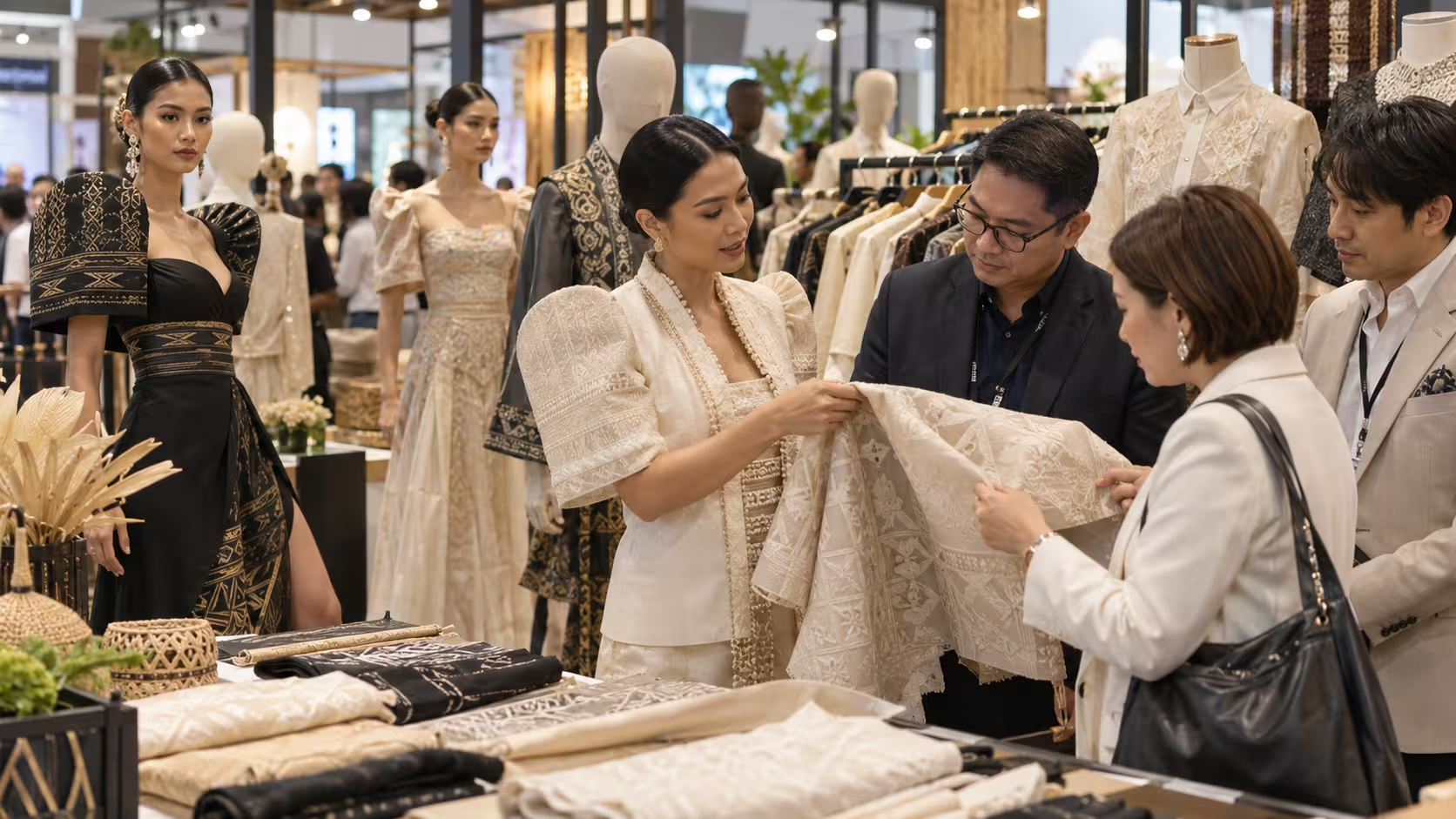
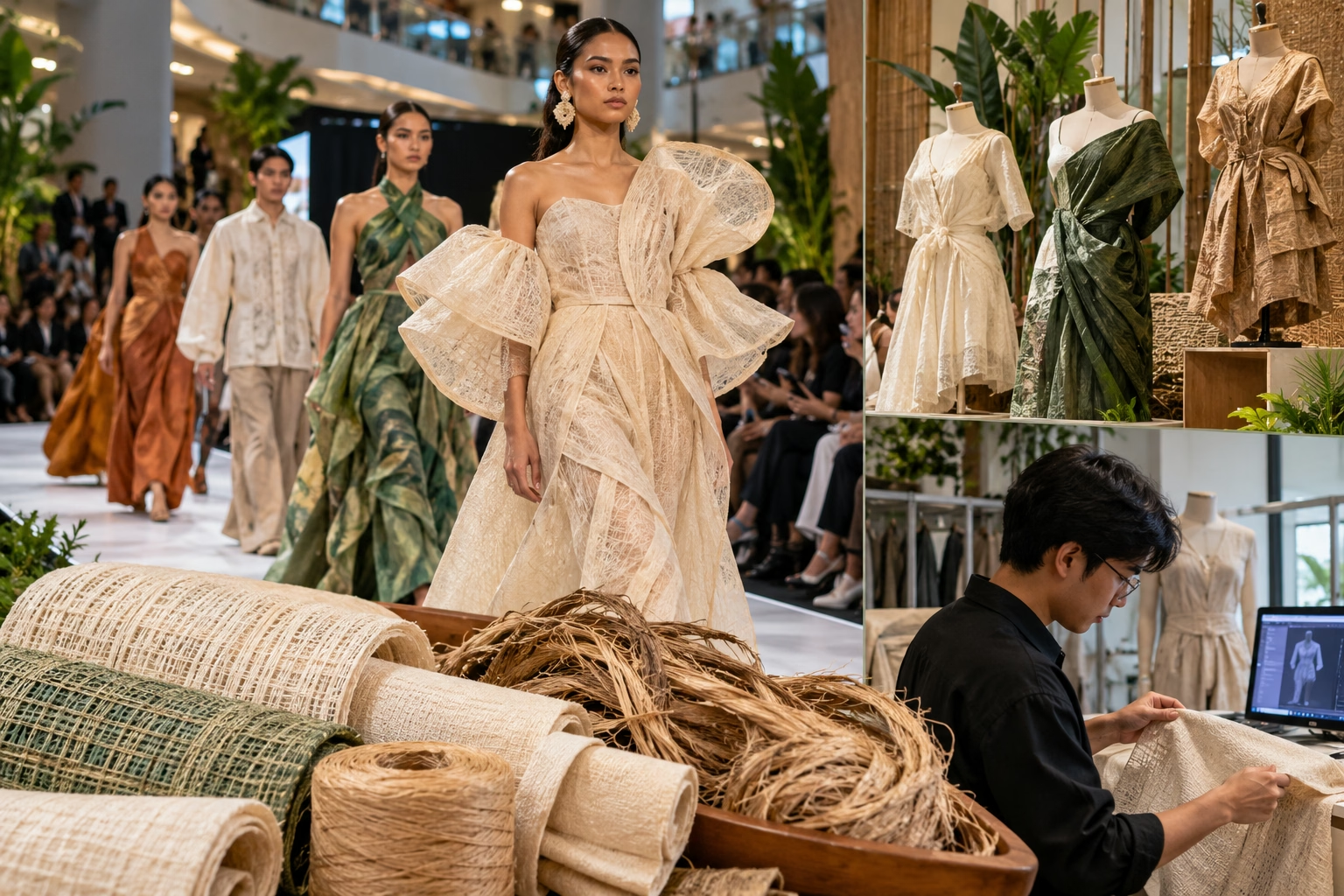
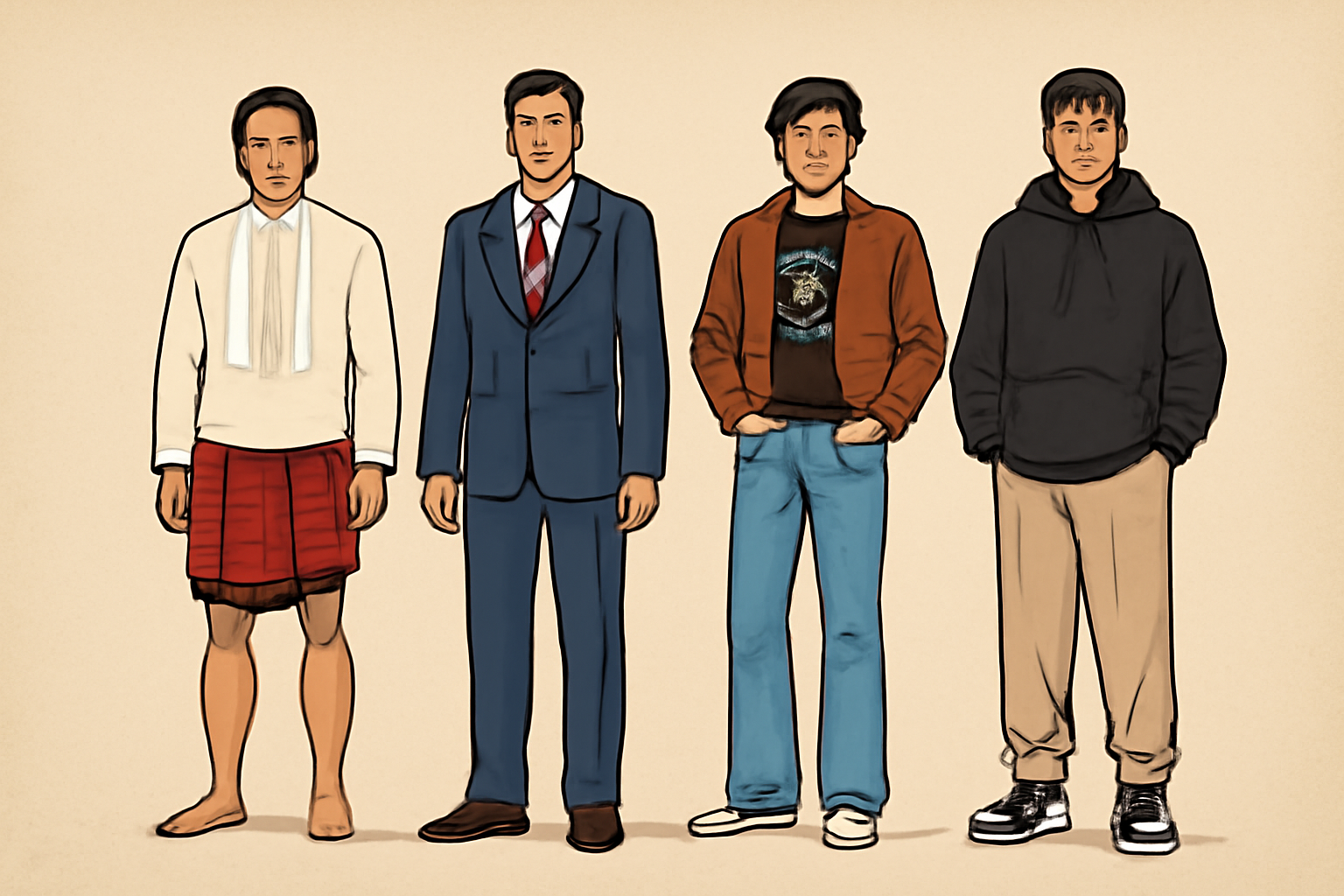
Traditional Filipino fashion for men was largely centered around practical and functional garments. The “bahag” served as the primary clothing for many Filipino men before colonization, offering comfort in a tropical climate. When the Spanish colonized the Philippines, they introduced the “barong Tagalog,” a formal, embroidered shirt that became symbolic of Filipino culture and pride. This garment, made from lightweight materials such as piña fabric, is still worn by Filipino men today on special occasions such as weddings, national holidays, and formal gatherings.
The American Influence: Western Suits and Modernization
The early 20th century marked a shift in Filipino fashion, as the country came under American rule. Western fashion influences became apparent, with Filipino men adopting suits, neckties, and tailored trousers as symbols of modernity. The Western-inspired suit became standard attire for formal occasions, and barongs remained important for traditional Filipino events.
American-style fashion became synonymous with success and sophistication, and soon, suits were worn in business settings, representing professionalism and high social status.
The Rise of Casual Fashion in the Mid-20th Century
In the post-World War II period, casual fashion began to emerge in the Philippines. Men started to incorporate more relaxed styles, such as polo shirts, chinos, and comfortable shoes, into their everyday wardrobe. This reflected the rising economic prosperity and the growing desire for more comfortable, functional clothing.
Global pop culture played a key role in shaping Filipino men’s fashion during the 1970s and 1980s. Trends like bell-bottom pants, leather jackets, and graphic T-shirts, influenced by rock and roll culture, were widely adopted by Filipino youth. Despite the popularity of casual wear, the barong Tagalog and suits continued to be important symbols of Filipino identity.
Contemporary Filipino Men’s Fashion: Blending Heritage and Modernity
The fashion scene today in the Philippines is an exciting blend of modern and traditional elements. While streetwear trends such as sneakers, oversized shirts, and hoodies have taken the spotlight, formal pieces like blazers and dress shoes are still incorporated into many men’s wardrobes. The fusion of streetwear and formal elements reflects the fast-paced and globalized nature of modern Filipino life.
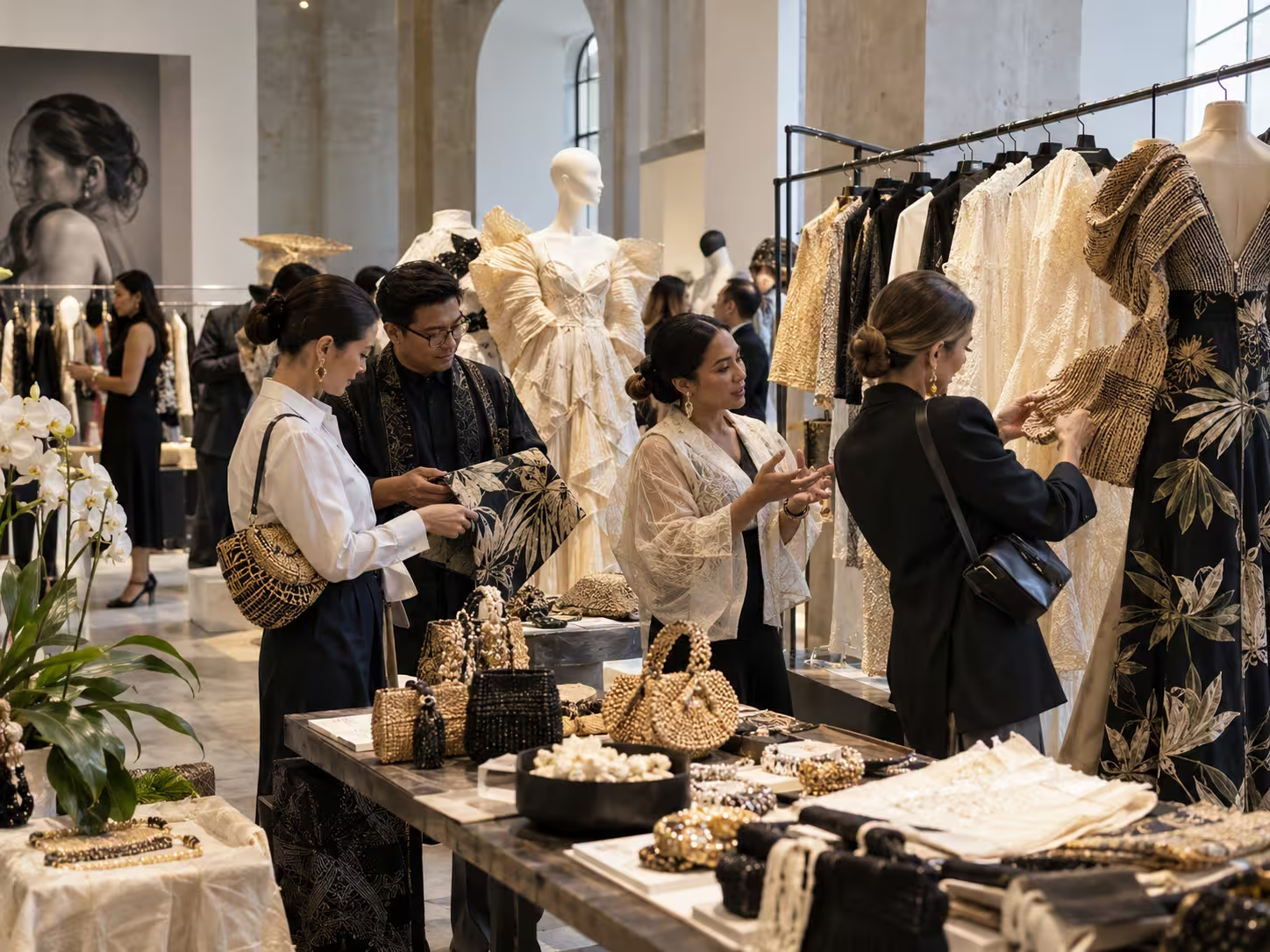
The barong Tagalog, once confined to formal occasions, has evolved into a more versatile piece. Modern designers have updated its look with fresh fabrics and cuts, making it suitable for both casual and semi-formal settings. This reinvention ensures the continued relevance of the barong in contemporary Filipino fashion.
Through its journey from indigenous wear to modern streetwear, Filipino men’s fashion has maintained its cultural roots while adapting to the changing times. The mixture of tradition and modernity in today’s Filipino men’s fashion is a testament to the country’s dynamic history and global outlook.