

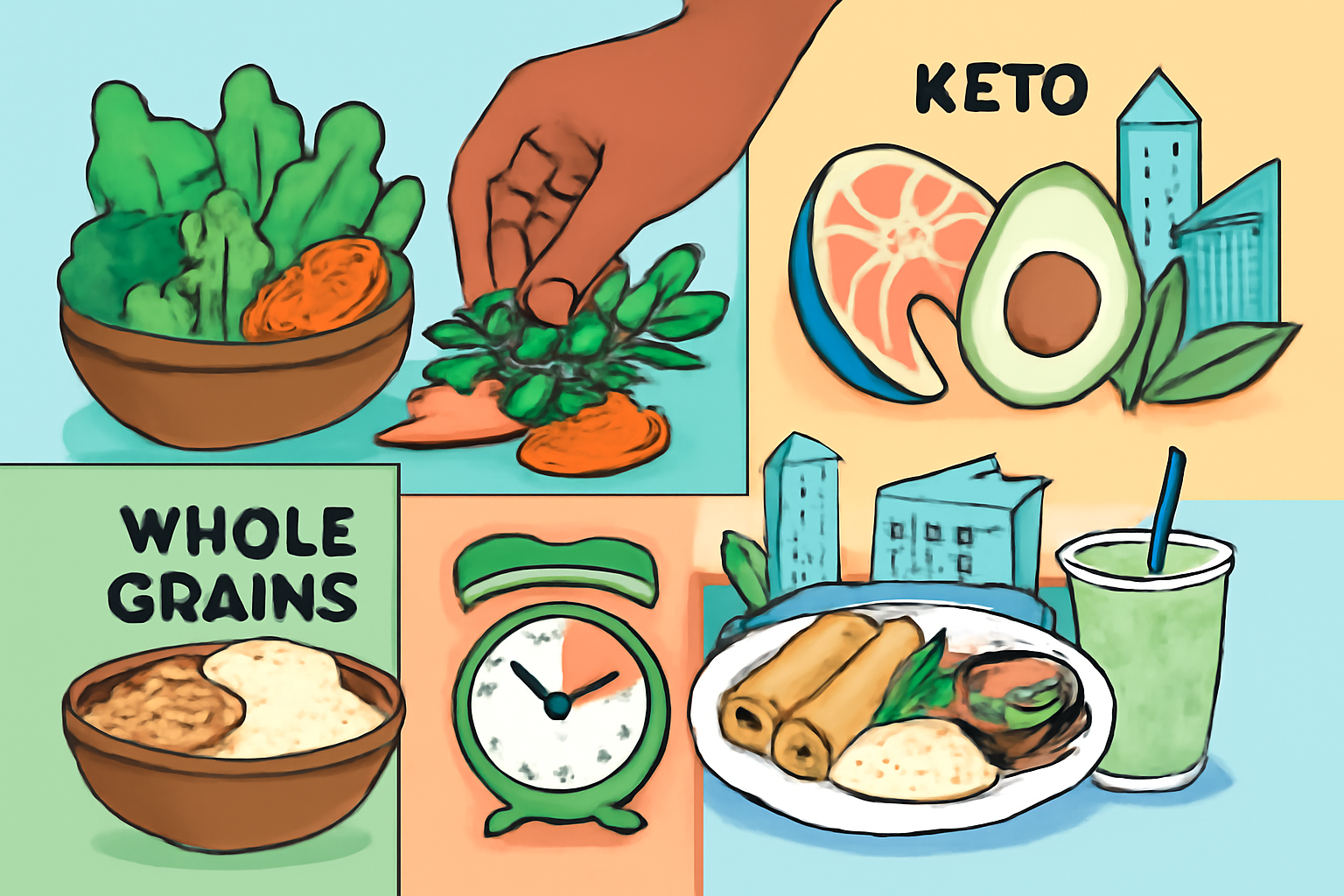
The Filipino approach to food has undergone significant changes in recent years, driven by growing awareness of health and nutrition. While traditional Filipino cuisine is often rich in carbohydrates, fats, and proteins, a noticeable shift toward healthier eating habits is now taking place. This change is being fueled by the increasing availability of health information and a rising interest in wellness.
One of the most important changes in Filipino eating habits is the rise in demand for fresh produce. Vegetables that were once less commonly used in traditional Filipino meals are now taking center stage. Ingredients like malunggay, ginger, and turmeric are being integrated into dishes due to their renowned health benefits. These vegetables are being added to soups, salads, and even smoothies, offering a rich supply of vitamins and antioxidants.
The consumption of whole grains has also become a trend in the Philippines. Brown rice, quinoa, and oats are slowly replacing white rice as the staple carbohydrate in many Filipino households. These whole grains are recognized for their higher fiber content, which aids digestion and helps control blood sugar levels.
Among the most popular diets currently sweeping the nation is the ketogenic diet. This low-carb, high-fat regimen has become a popular choice for individuals aiming to lose weight and boost energy. The keto diet is especially appealing to those looking to maintain a lifestyle that combines healthy eating with weight management. In urban areas, the proliferation of keto-friendly restaurants and meal plans has made the diet more accessible than ever.
Intermittent fasting is another trending diet among Filipinos who wish to improve their health. This approach to eating restricts calorie intake to specific periods during the day, with the 16:8 method being particularly popular. The simplicity and flexibility of intermittent fasting make it an attractive option for people who struggle to maintain consistent meal schedules. Studies suggest that intermittent fasting may offer benefits such as improved metabolism and better brain function.
Lastly, the plant-based diet is gaining momentum in the Philippines, with more people adopting vegan and vegetarian lifestyles. The trend is being supported by the growing availability of plant-based food products, making it easier for individuals to reduce their meat intake. In cities like Manila, vegan-friendly restaurants are emerging, offering plant-based takes on classic Filipino dishes like lumpia, sisig, and adobo.
This movement toward healthier eating is not just about individual health but also about promoting sustainable, eco-friendly practices. Filipinos are becoming increasingly conscious of the environmental impact of their food choices, and as such, more people are exploring plant-based diets and reducing their consumption of processed and packaged foods.