

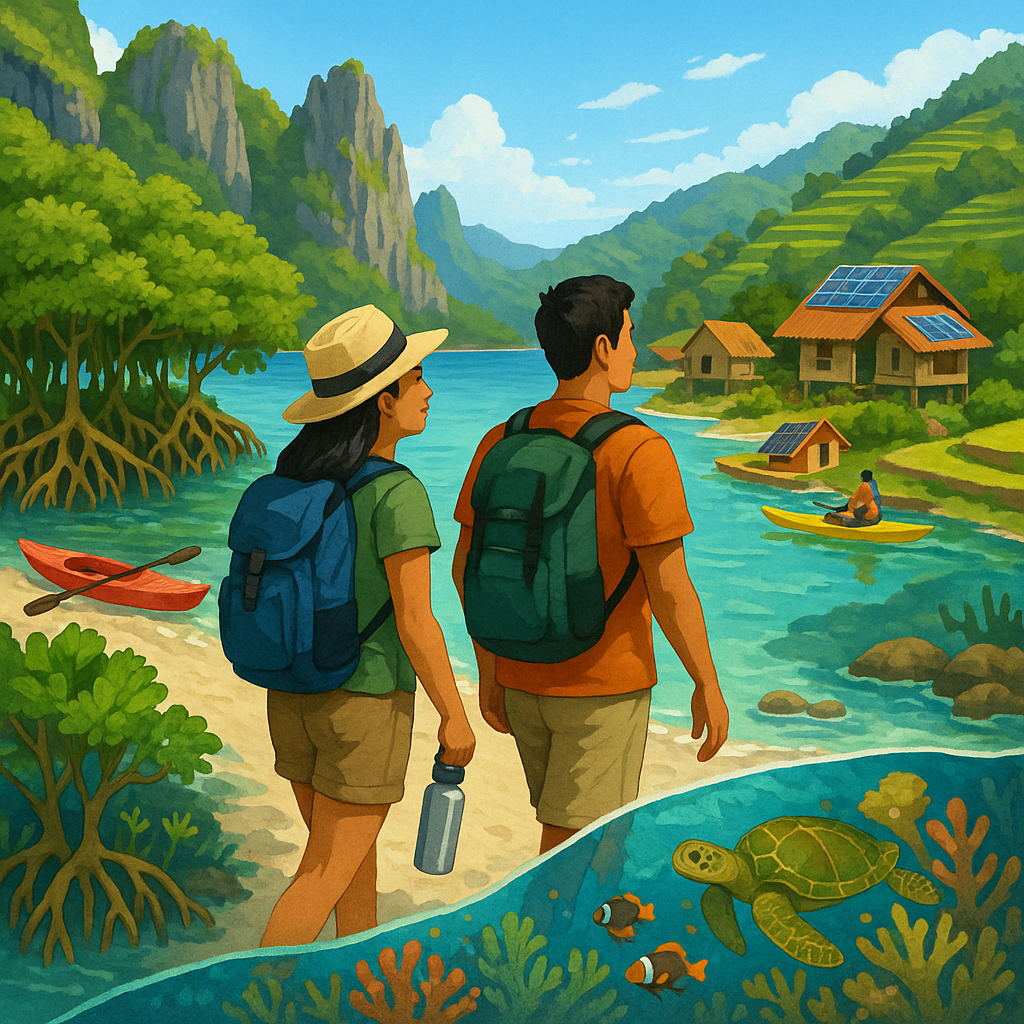
Imagine stepping off a plane in the Philippines not just with a list of beaches to visit, but with a plan to travel lightly and leave each place a little better than you found it. An eco-friendly holiday in this island nation is entirely possible, and it does not mean sacrificing enjoyment or comfort. It means choosing experiences that respect the environment, value local culture, and provide clear benefits to the communities that host you. With some thoughtful planning, your journey can become a living example of how travel and conservation can support each other.
You might begin in Palawan, often called the “last ecological frontier” of the Philippines. Instead of rushing through a packed itinerary, you could spend a few days around Puerto Princesa joining small-group tours into the underground river and nearby mangrove forests. Guides explain how the cave ecosystem depends on careful management, and visitors are asked to keep noise low, avoid flash photography, and refrain from touching formations. In the mangroves, silent paddle boats or kayaks glide through narrow channels while guests learn about their role in protecting coastlines and providing nurseries for fish.
From there, your route could take you to a marine sanctuary such as Apo Island or the reefs around Moalboal in Cebu. Rather than staying on large dive boats with heavy footprints, you might opt for a simple lodge that uses solar power, collects rainwater, and manages its waste responsibly. Local dive guides brief guests on buoyancy control, proper fin techniques, and the dangers of touching coral or chasing turtles. Many operators participate in reef monitoring and beach clean-ups, inviting visitors to join short activities that give a behind-the-scenes look at conservation work.
On another leg of your trip, you could experience the country’s terrestrial treasures. In Bohol, for example, a day could be spent visiting a tarsier sanctuary that prioritizes the animals’ welfare, keeping them in quiet, shaded areas and restricting flash photography. Nearby, eco-parks and view decks offer carefully designed trails and facilities to reduce erosion and litter around the Chocolate Hills. Alternatively, you might head north to the Cordillera region, where hiking routes through rice terraces include stays in village guesthouses. Hosts provide meals made from local ingredients and share stories about how community farming and tourism now support terrace maintenance.
Throughout your journey, simple habits reinforce your commitment to responsible travel. Carrying a reusable water bottle and shopping bag helps reduce plastic waste on islands where disposal options are limited. Choosing reef-safe sunscreen protects corals from harmful chemicals. Moving by bus, ferry, or shared van instead of frequent domestic flights lowers your carbon footprint and gives more opportunities to interact with residents. Even small decisions—like buying snacks from a village store instead of imported goods—can keep more money circulating in local economies.
An eco-friendly holiday in the Philippines is less about checking off famous spots and more about how you interact with each place. Asking questions, listening to guides and hosts, and taking the time to understand local environmental challenges can transform a simple tour into a meaningful exchange. When you pay park fees gladly, follow community rules, and support initiatives like mangrove planting or reforestation programs, you help fund long-term protection of the landscapes you came to see. In this way, your trip becomes part of a bigger story: one in which travelers, communities, and nature work together so that the Philippines remains vibrant and life-filled for many years to come.