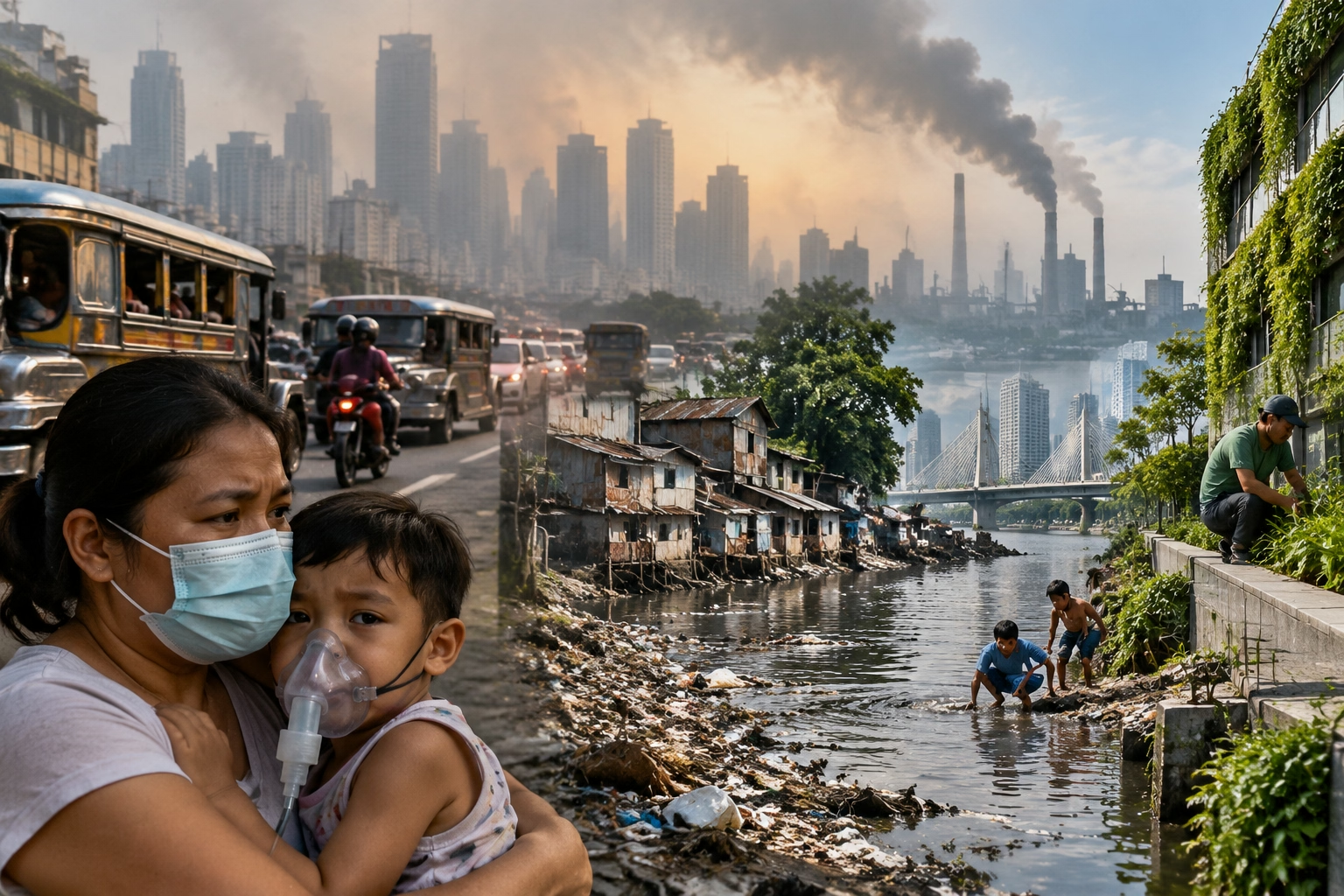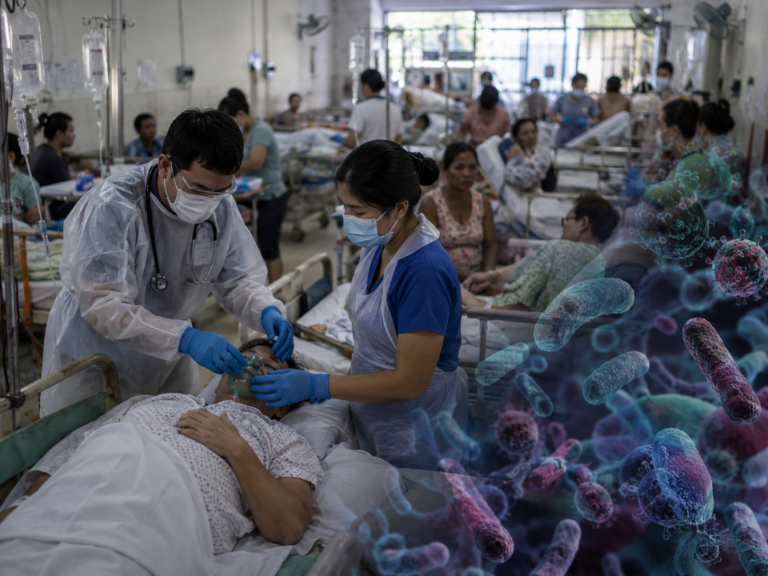

Child health in the Philippines is an ongoing challenge, given the country’s large population and geographical diversity. While there have been significant strides in improving healthcare access and outcomes for children, the government, along with private institutions, continues to address pressing issues such as malnutrition, infectious diseases, and healthcare disparities between urban and rural areas. A combination of public policies and private sector contributions is driving improvements in child health across the nation.
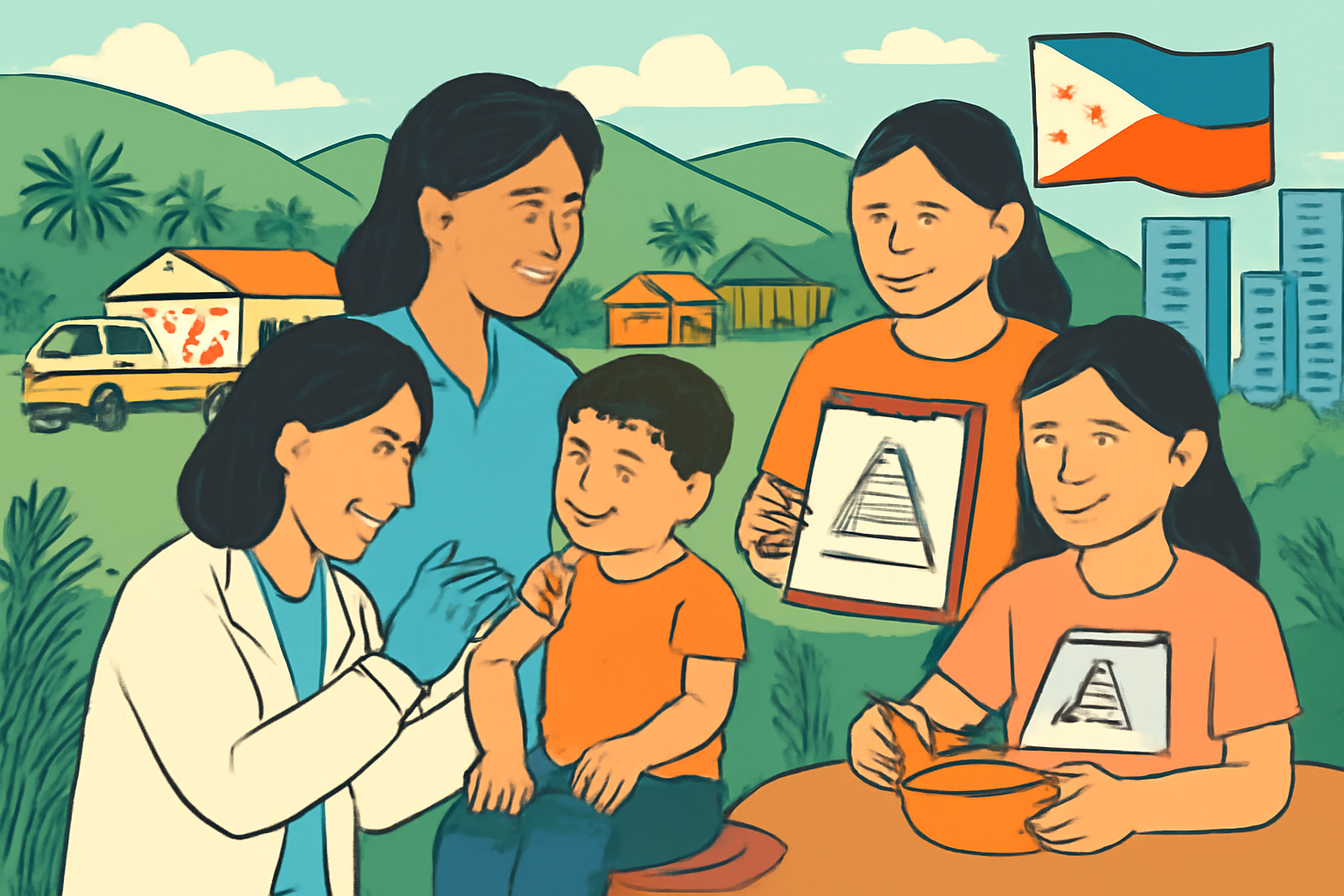
The Philippine government has introduced a series of programs focused on improving child health. One of the most significant initiatives is the Expanded Program on Immunization (EPI), which aims to protect children from preventable diseases through vaccinations. The EPI program, supported by the Department of Health (DOH), ensures that vaccines are distributed nationwide, with a particular emphasis on reaching remote and underserved communities. Vaccines provided under the program include those for diseases like measles, rubella, hepatitis B, and polio. This widespread vaccination effort has been instrumental in reducing mortality rates from infectious diseases.
In addition to immunization, malnutrition is a critical issue affecting Filipino children. The National Nutrition Council (NNC) has implemented a number of programs to combat child malnutrition, particularly stunting and underweight. These initiatives include providing supplemental feeding to children in need, improving maternal nutrition, and educating communities about the importance of proper nutrition. Local government units (LGUs) are key partners in these efforts, ensuring that the programs are effectively implemented at the community level.
Another important development is the Universal Health Care (UHC) law, which ensures that all Filipinos, including children, have access to essential healthcare services. The law aims to eliminate financial barriers to healthcare, so children from low-income families can receive regular checkups, vaccinations, and treatments for illnesses without worrying about the cost. By expanding healthcare coverage and increasing government funding for health services, the UHC law has played a crucial role in improving access to health services for children across the country.
Private sector organizations have also played a vital role in advancing child health in the Philippines. Non-governmental organizations such as Philippine Business for Social Progress (PBSP) and Save the Children Philippines are actively involved in healthcare programs targeting children. These organizations fund healthcare projects, provide medical assistance, and help raise awareness about the importance of child health. Moreover, corporate social responsibility (CSR) programs from businesses in the private sector have contributed resources to support healthcare initiatives for children, especially in underserved areas.
Private healthcare providers are also crucial in offering specialized pediatric care and addressing specific health needs. Pediatric hospitals and clinics across the country provide vital services such as diagnostic testing, surgery, and treatment for chronic illnesses. These private institutions often partner with the government to offer subsidized care for children in need, particularly in areas where public healthcare facilities are limited.
In conclusion, the collaborative efforts between the Philippine government and the private sector have resulted in tangible improvements in child health across the country. Through comprehensive programs and public-private partnerships, both sectors are working together to overcome challenges and ensure that Filipino children receive the healthcare they need for a healthier future.