
The textile industry in the Philippines is rich in history and craftsmanship, with handwoven fabrics representing the creative spirit and cultural diversity of the country. The intricate art of weaving, which has been passed down through generations, plays an essential role in Filipino fashion, especially in the creation of traditional garments and accessories. The indigenous materials used in Filipino textiles are harvested from the natural surroundings, such as the abaca plant and the pineapple plant, making them not only beautiful but also eco-friendly.
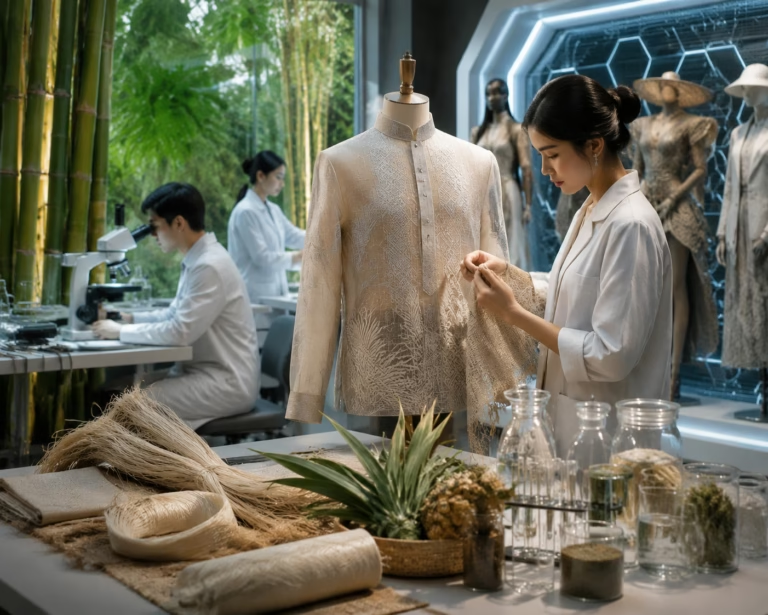
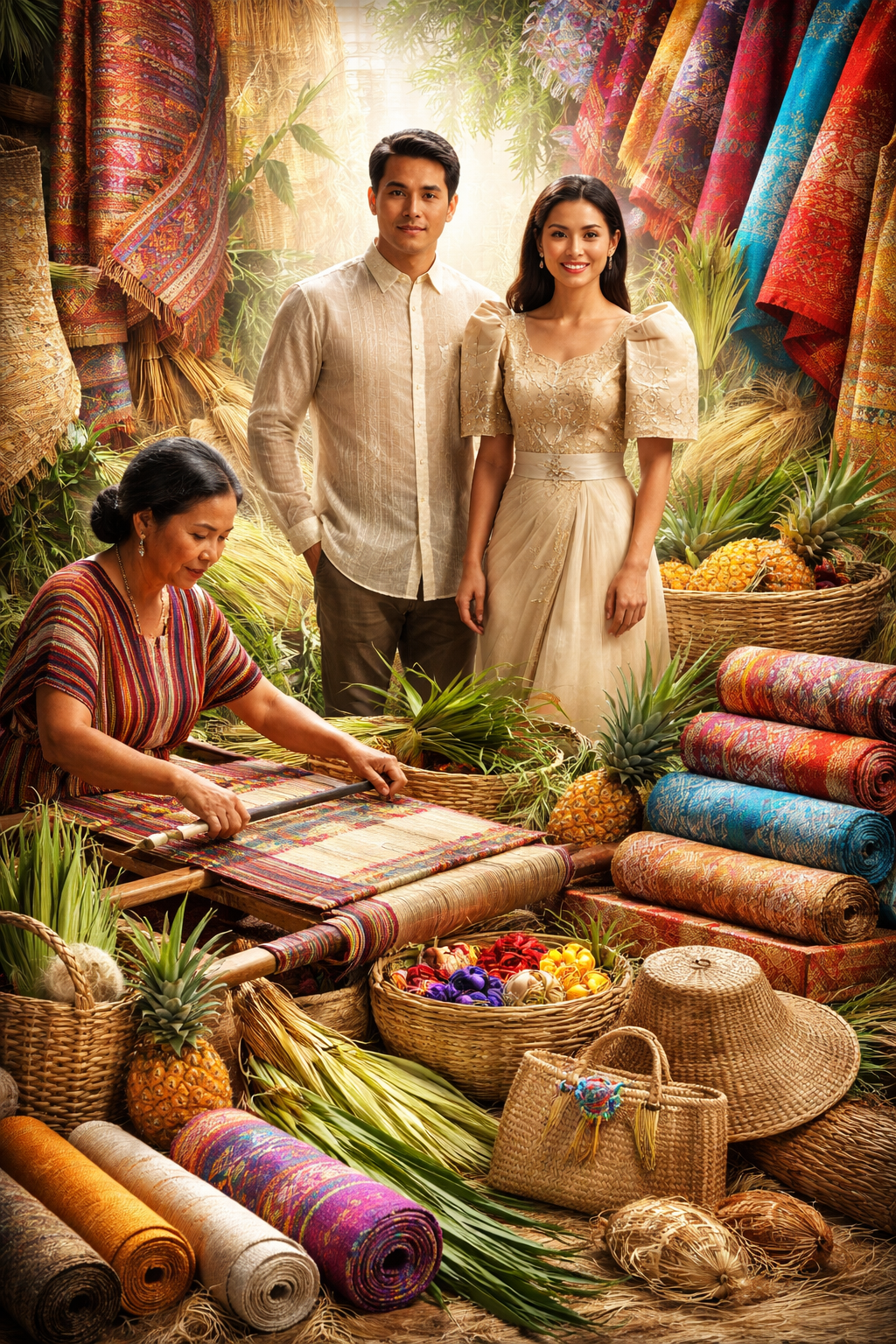
One of the most renowned Filipino textiles is piña fabric, which is made from the fibers of the pineapple plant. Piña fabric has been a staple of Filipino fashion for centuries, and its delicate, lustrous quality makes it ideal for creating elegant, formal garments. The fabric is most famously used in the creation of the barong Tagalog, the national dress for Filipino men, and the terno, a formal dress worn by women. The creation of piña fabric is an intricate process, with each fiber being painstakingly extracted from the leaves of the pineapple plant before being woven into thread and then turned into fabric.
Abaca, another notable Filipino textile, is derived from the abaca plant, a type of banana that is native to the Philippines. Abaca fibers are stronger and more durable than those of piña, making them ideal for creating sturdy fabrics used in both fashion and everyday items. In addition to being used for garments, abaca is also crafted into accessories like bags, hats, and shoes. The versatility of abaca has made it a popular material in modern Filipino fashion collections, where designers are continuously finding ways to incorporate it into their innovative designs.
The art of Filipino weaving is more than just a technical skill—it’s deeply rooted in tradition and culture. Each region of the Philippines has its unique weaving style, with designs that carry significant cultural meanings. In the northern Cordillera region, for example, weaving is an integral part of the community’s identity, with the creation of textiles often linked to spiritual beliefs, rituals, and the relationship with the land. The patterns woven into the fabrics represent elements of nature, such as mountains, rivers, and animals, and are often used in the creation of ceremonial garments.
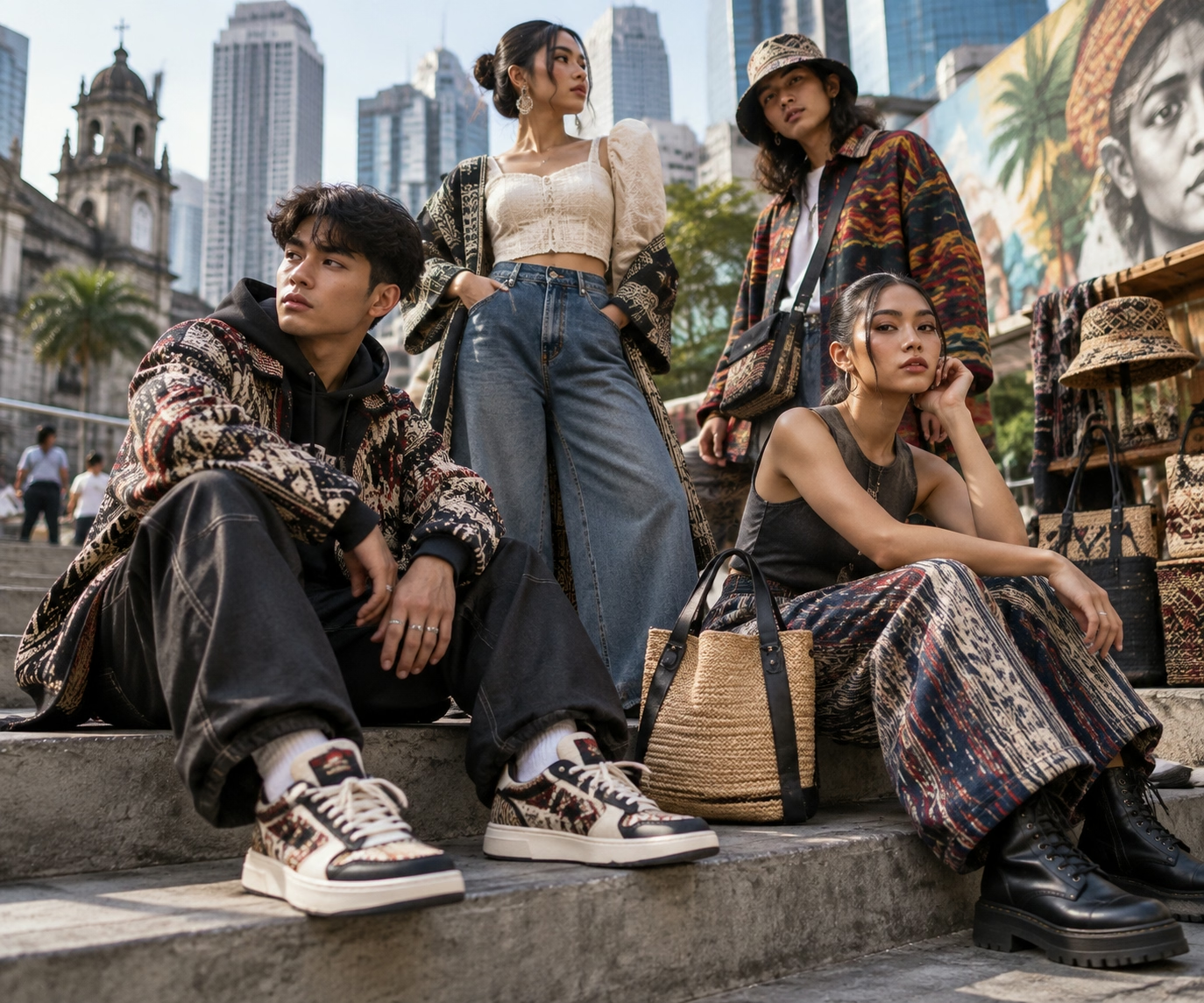
Filipino textiles are not just used for clothing—they are also found in a variety of other products, such as home décor, bags, and accessories. This versatility has helped bring Filipino weaving traditions to the global stage, as designers and artisans continue to innovate with traditional materials. Modern Filipino designers are blending local textiles with international trends to create collections that are both contemporary and rooted in tradition.
In recent years, there has been a growing movement to support and promote the use of indigenous Filipino fabrics. By investing in these materials, consumers can help sustain the livelihoods of local artisans and preserve the traditions that have been passed down for generations. Additionally, the rise of sustainable fashion has made Filipino textiles even more relevant, as many of these fabrics are made from natural, biodegradable fibers.
Filipino textiles represent not just a fashion statement but a celebration of the country’s rich cultural heritage. Through their intricate designs, vibrant colors, and natural materials, these fabrics tell a story of the Filipino people’s connection to the land, their traditions, and their creativity. As more people around the world discover the beauty of Filipino textiles, the global fashion community is gaining a deeper appreciation for the artistry and craftsmanship that define this unique tradition.