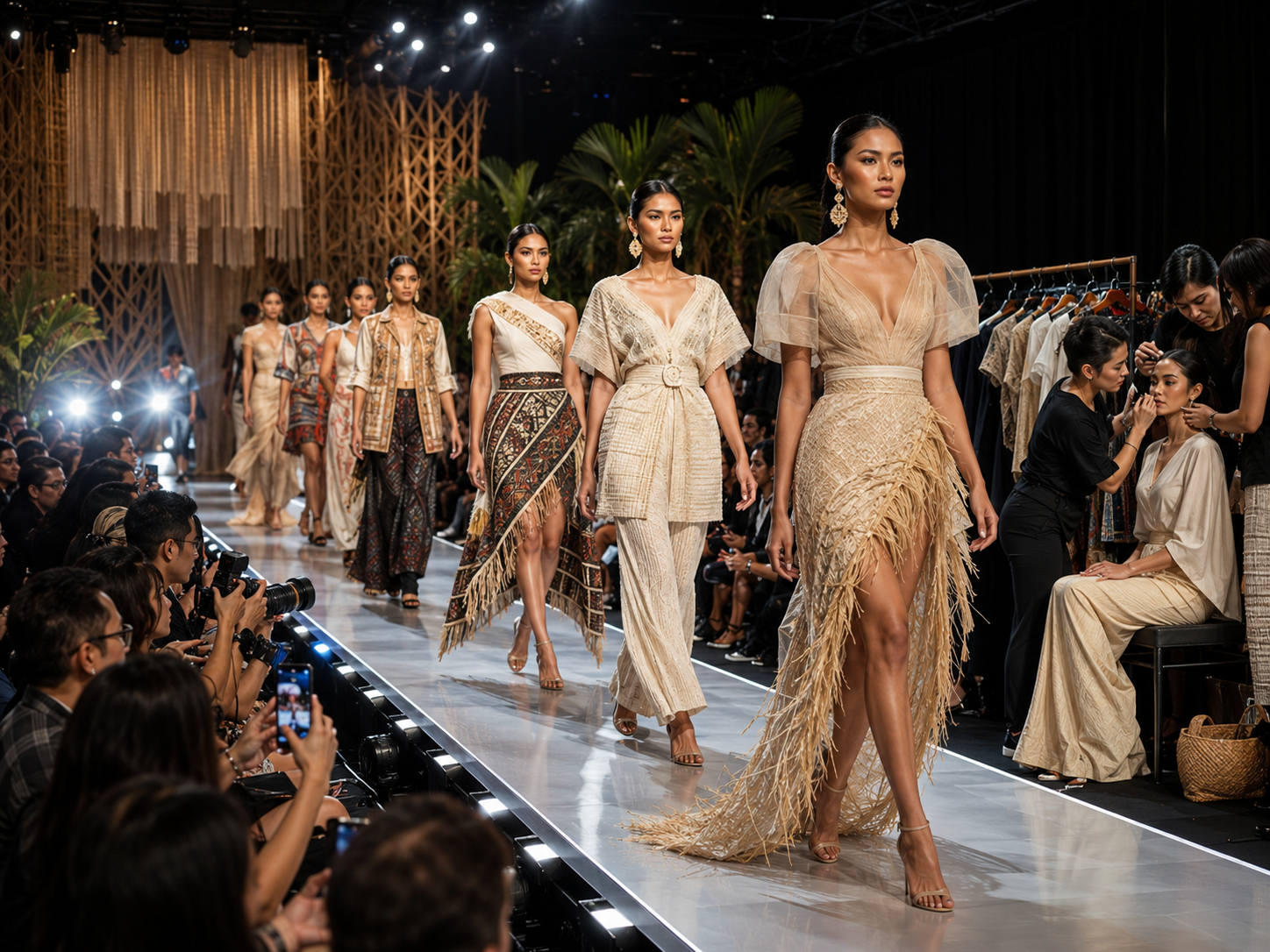
The Philippine fashion industry has experienced substantial transformation, with fashion shows and events playing a central role in its development. These gatherings go beyond mere presentations of clothing; they are instrumental in nurturing creative talent, promoting cultural identity, and stimulating economic activity. As the industry continues to grow, such events have become crucial for both emerging and established designers.
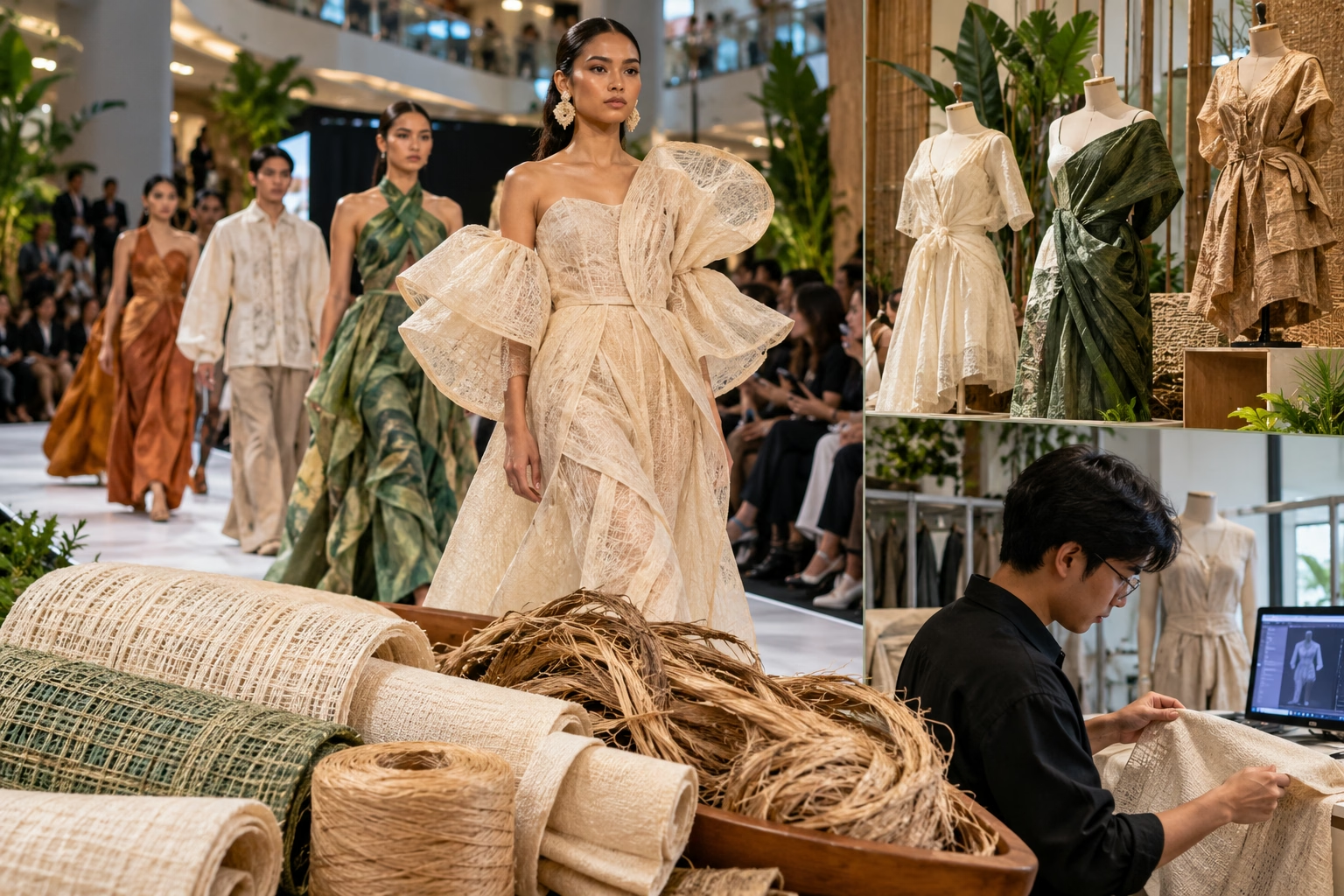
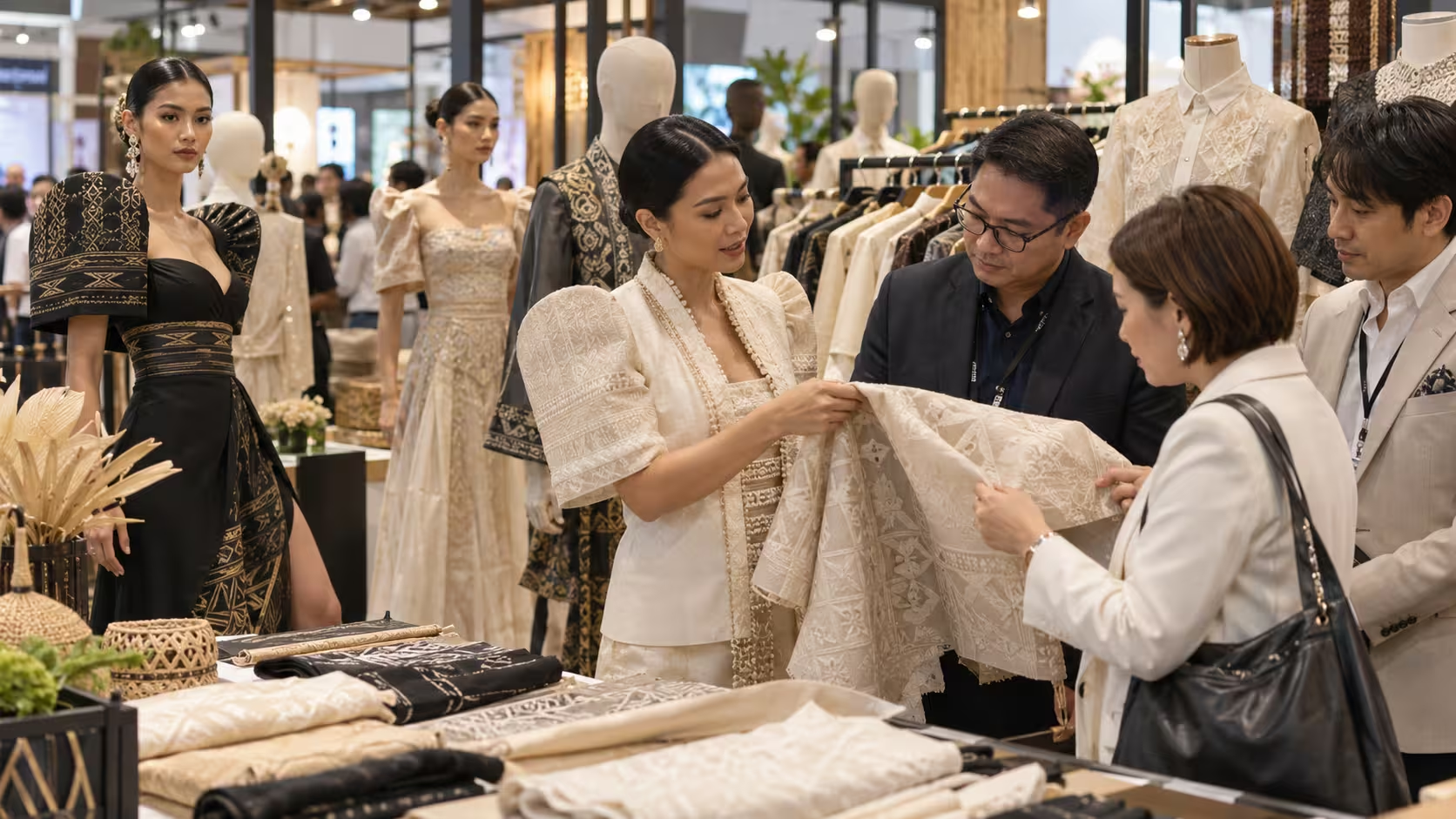
Fashion shows serve as essential platforms for designers to unveil new collections. Renowned events like Philippine Fashion Week provide opportunities for designers to reach influential audiences, including buyers, journalists, and enthusiasts. Filipino designers often draw inspiration from traditional textiles such as abaca, piña, or handwoven fabrics, creating innovative designs that merge heritage with contemporary style. This approach not only celebrates Filipino culture but also opens doors to international recognition.
Models, makeup artists, stylists, and photographers benefit greatly from these events. Runways offer models a chance to gain exposure and experience, while makeup artists and stylists demonstrate their creativity. Photographers capture high-impact visuals that enhance their portfolios and document the country’s evolving fashion scene. This collaboration among different professionals reinforces the industry and encourages continual skill development.
Fashion events also exert cultural influence. Attended by celebrities, influencers, and media outlets, these occasions play a key role in shaping public taste and consumer behavior. Audiences are exposed to seasonal trends, innovative techniques, and unique designs, influencing fashion choices nationwide. Consequently, fashion shows act as both a creative showcase and a market guide, impacting how brands and consumers interact.
Internationally, these events provide Filipino designers with exposure and opportunities for collaboration. Participation in globally recognized fashion shows can lead to partnerships with foreign brands and access to international markets. This cultural and professional exchange enhances the visibility of Philippine fashion, allowing local designers to explore new ideas while promoting the country’s craftsmanship on a global scale.
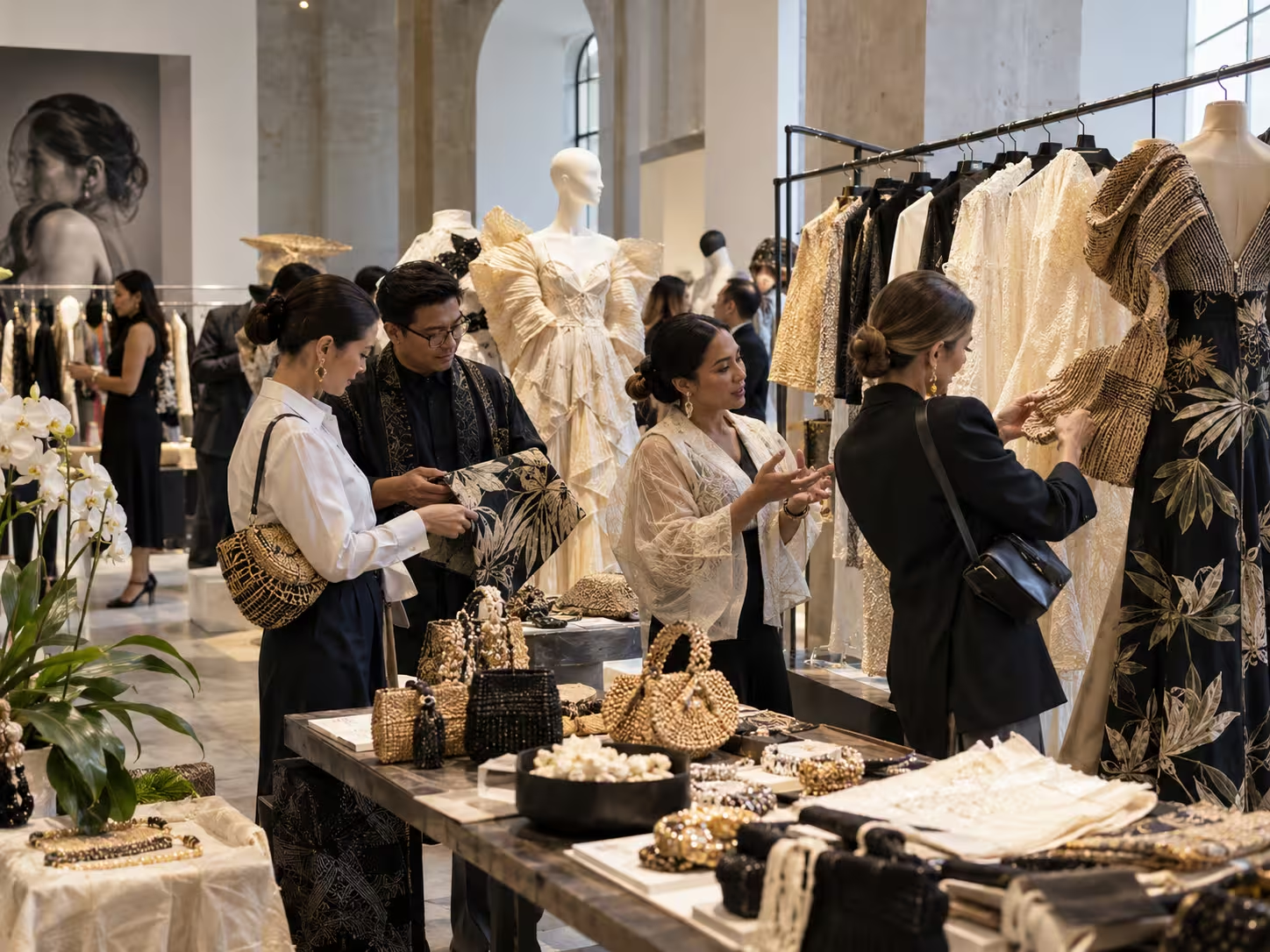
Economic impact is another significant factor. Fashion events support a wide range of jobs, from event planning and media coverage to merchandising and production. Local businesses benefit from increased demand for materials, accessories, and services, creating a ripple effect across the industry. These events stimulate not only creativity but also economic growth within the country.
Many fashion events also incorporate advocacy and social awareness. Designers increasingly address sustainability, ethical production, and cultural preservation in their collections. By combining fashion with social messaging, these events demonstrate the potential of the industry to inspire change while celebrating artistic expression.
In essence, fashion shows and events are catalysts for the Philippine fashion industry. They nurture talent, drive trends, foster economic growth, and elevate cultural identity. By bridging creativity, commerce, and advocacy, they have become essential platforms that continue to define the country’s fashion landscape.