

One Million Visitors and a 52 Percent Surge
SM Prime Holdings reported in October 2026 that its live entertainment venues—SM Mall of Asia Arena, SM Seaside Cebu Arena, and SMDC Festival Grounds—attracted more than one million visitors as of August 2026, a 52 percent increase from approximately 710,000 during the same period the previous year. The figure represents more than attendance numbers; it signals a structural shift in how Philippine real estate developers view entertainment infrastructure as an economic anchor for mixed-use districts.
The opening of SM Seaside Cebu Arena in July 2026 extended this model outside Metro Manila for the first time at scale. The P7 billion venue was designed to host world-class concerts and sporting events, and its inaugural calendar included more than 20 major shows for the year. Opening concerts featuring BINI and IV of Spades sold out immediately, with subsequent programming spanning volleyball, basketball, international music acts, and family entertainment.
The Economics of Event-Driven Foot Traffic
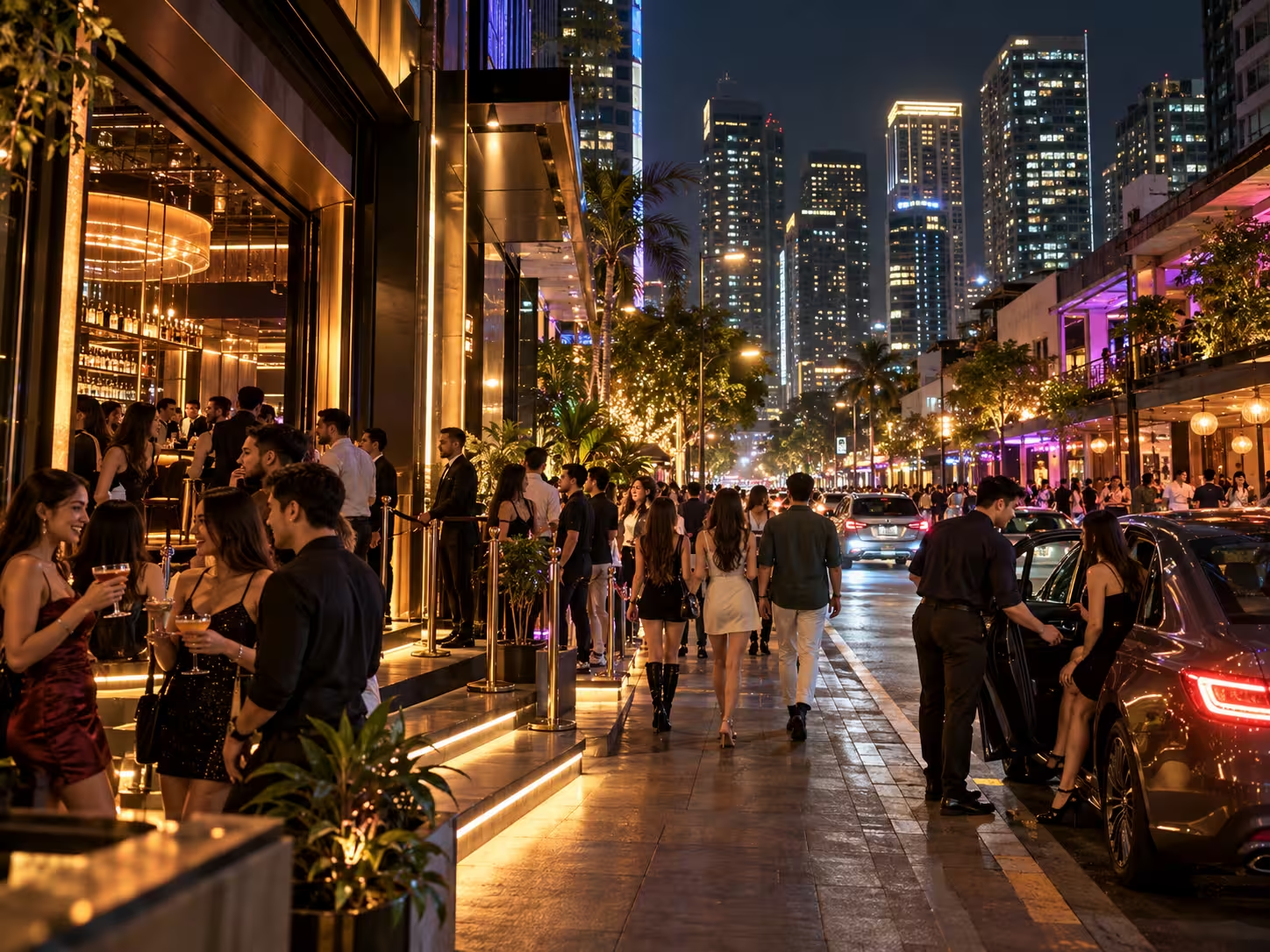
Unlike traditional commercial developments that rely on consistent daily foot traffic, live entertainment venues inject thousands of visitors into a surrounding area within hours. These visitors arrive before events and often remain afterward, creating spending opportunities for restaurants, cafes, hotels, transportation services, and retail establishments surrounding the venue.
SM Prime President Jeffrey C. Lim articulated this strategy directly: “Our venues provide Filipino audiences with a complete experience before, during, and after a live event. With dining, retail, entertainment, and other amenities within easy reach, we are able to extend the experience beyond the event itself while creating more value across our properties”.
The Mall of Asia complex in Pasay City demonstrates the model most clearly. Between January and August 2026, MOA Arena hosted more than 110 shows, a 20 percent increase from the same period in 2025. Each major event introduces thousands of visitors to the surrounding ecosystem of shopping, dining, hotels, offices, and residences.
Why Cebu’s Location Matters
The decision to build a major arena in Cebu rather than Metro Manila reflects a post-pandemic shift in Philippine consumer spending toward experience-driven services in regional hubs. Cebu City already hosts the Sinulog Festival, one of the country’s largest cultural events, and has established hospitality infrastructure. The new arena allows the city to capture a larger share of the live entertainment market while generating broader economic benefits for the Visayas region.
The concert economy’s impact extends beyond venue attendance. A 2026 report by the Philippine Statistics Authority indicated that concerts were among the strongest growth categories in Metro Manila’s 4.4 percent economic growth in 2025. The expansion of venue infrastructure to Cebu suggests that similar growth dynamics may follow in the Visayas.
The Fan Tourism Feedback Loop
The intersection of live entertainment infrastructure and fandom-driven travel creates a reinforcing cycle. When a major artist performs in Cebu, fans from other provinces and international markets must travel to attend. This generates demand for flights, accommodation, dining, and local experiences. The presence of a modern arena makes Cebu a viable destination for tours that might otherwise skip the Philippines entirely or limit performances to Metro Manila.
SM Prime’s 2027 pipeline already includes Westlife, The Script, Maroon 5, BIGBANG, and FIBA events, indicating sustained investment in the concert economy model. For Philippine tourism, the lesson is clear: live entertainment infrastructure is not merely cultural amenity—it is economic infrastructure, capable of redistributing tourism spending beyond the capital and creating new destination narratives anchored in fan passion.