The Philippines has always had a vibrant fashion scene, and its fashion trends are constantly evolving to reflect global influences while embracing local culture. From street style to high fashion, Filipinos have mastered the art of blending traditional elements with modern trends. As the world recovers from the pandemic, fashion in the Philippines is taking on a new direction, characterized by a mix of sustainability, bold expressions, and a renewed sense of individuality.
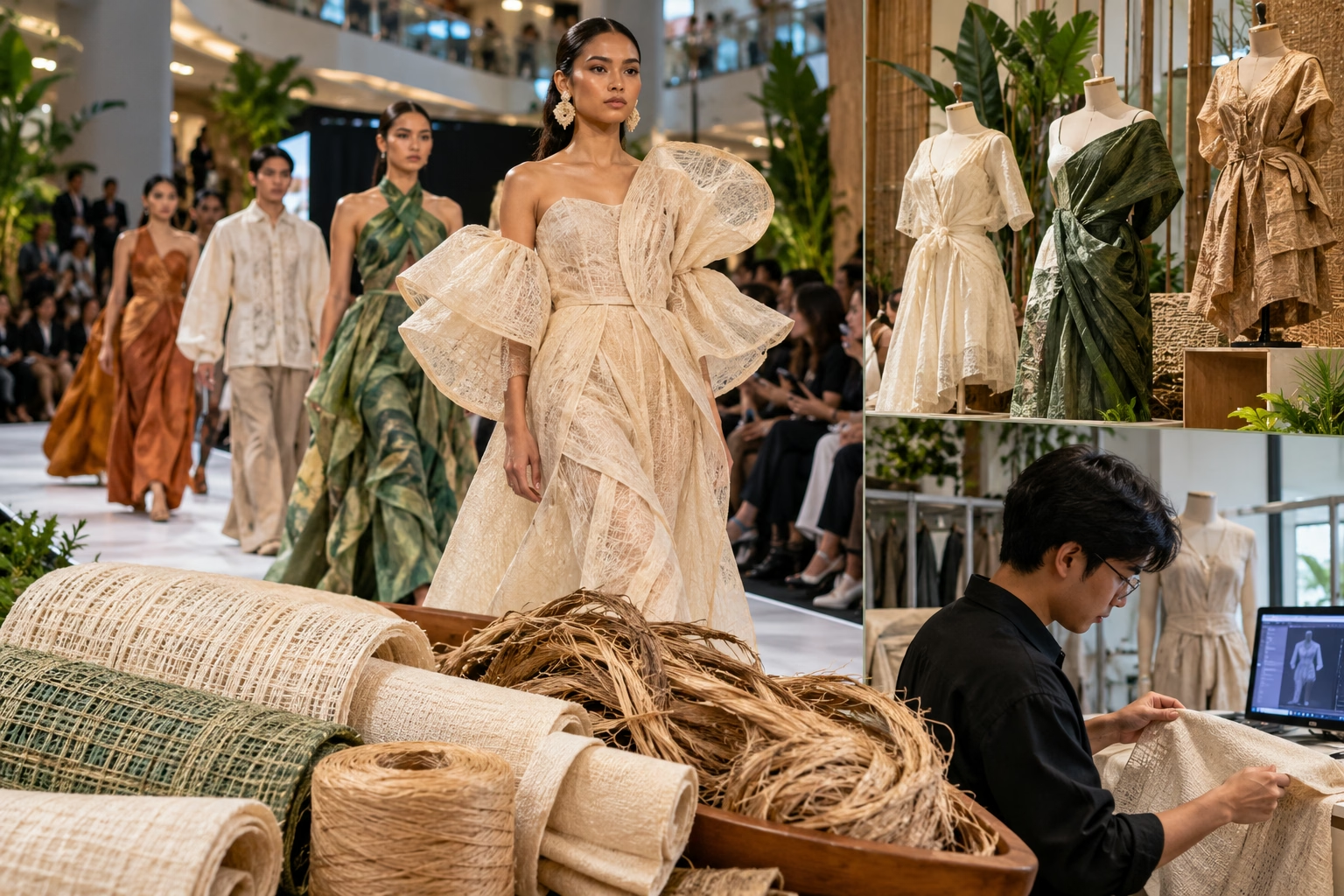
One of the most prominent trends in Philippine fashion today is the growing emphasis on sustainable fashion. As environmental concerns take center stage globally, more Filipino designers and brands are focusing on creating eco-friendly collections. Materials such as organic cotton, recycled fabrics, and plant-based dyes are gaining popularity. This shift reflects the global movement towards sustainability and aligns with the country’s deep connection to nature, given its tropical climate and rich biodiversity. Filipinos are increasingly aware of the environmental impact of fast fashion, and consumers are more conscious of their purchasing decisions.
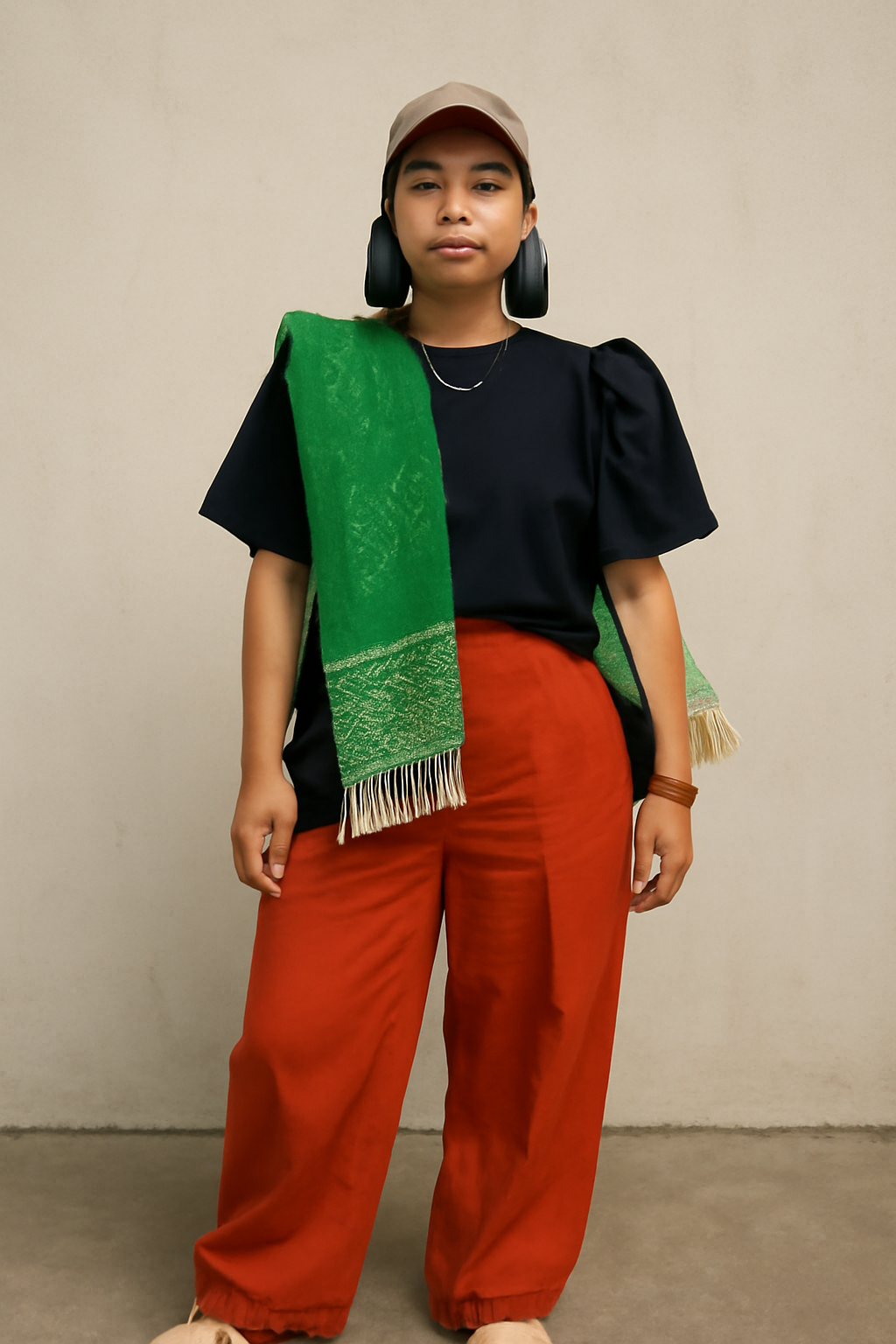
Street style in the Philippines has always been unique, and it continues to evolve. In metropolitan areas like Manila, the fashion scene has become more diverse, with young people experimenting with different aesthetics. The streetwear trend, which incorporates elements like oversized T-shirts, hoodies, sneakers, and graphic tees, is immensely popular. However, Filipino street style is not just about following global trends but also about expressing one’s identity through fashion. Many fashion-forward Filipinos mix local traditional clothing, such as the “barong” or “terno,” with modern styles, creating an innovative and personalized look.
Another notable trend is the rise of gender-neutral fashion. In recent years, gender fluidity has gained more visibility, and designers are creating collections that can be worn by people of all gender identities. This trend is particularly popular among younger Filipinos, who are breaking free from traditional gender norms. Designers like Vania Romoff and Rajo Laurel are making strides in creating inclusive and versatile pieces, and local celebrities are embracing this inclusive approach to fashion as well.
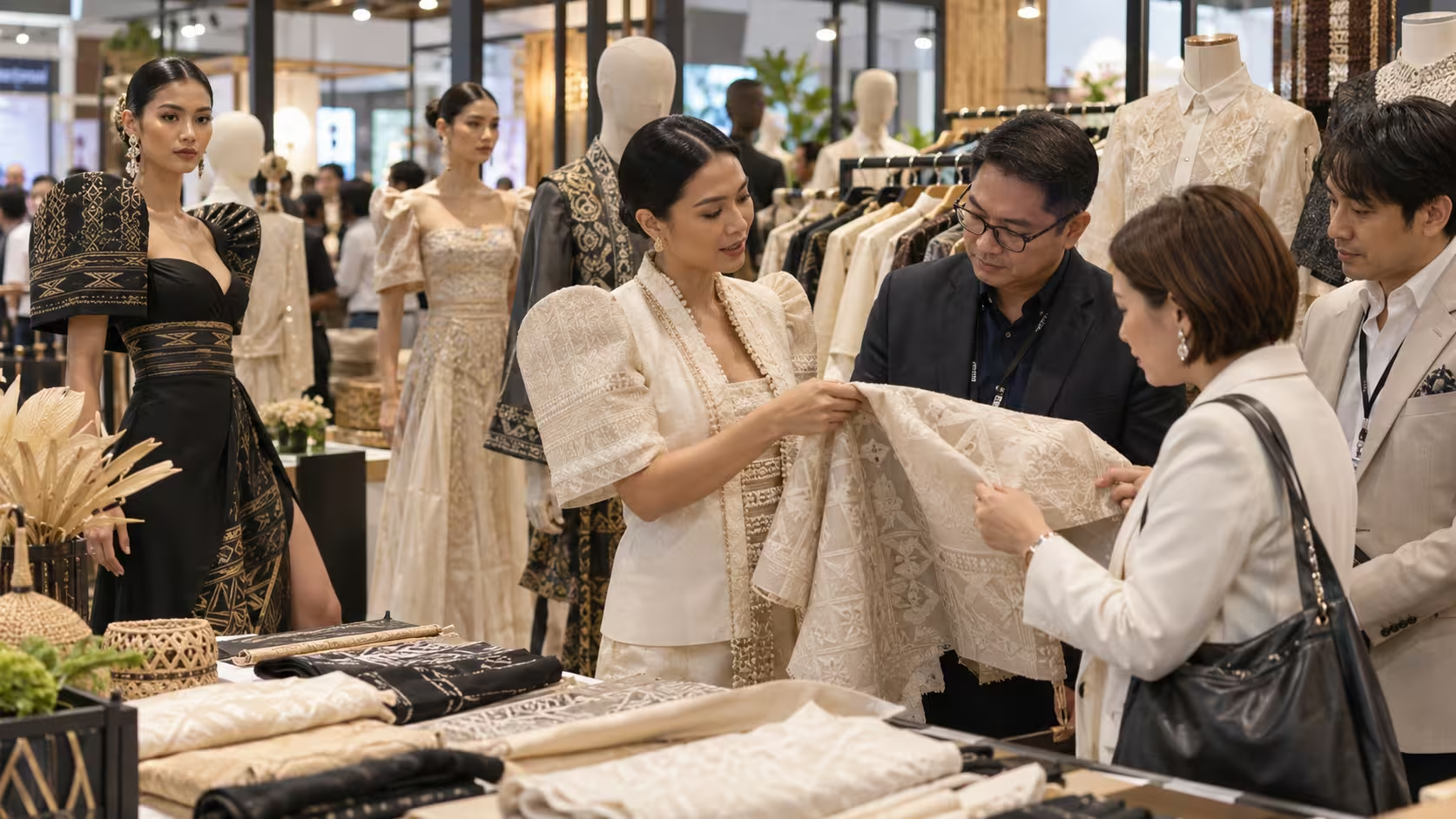
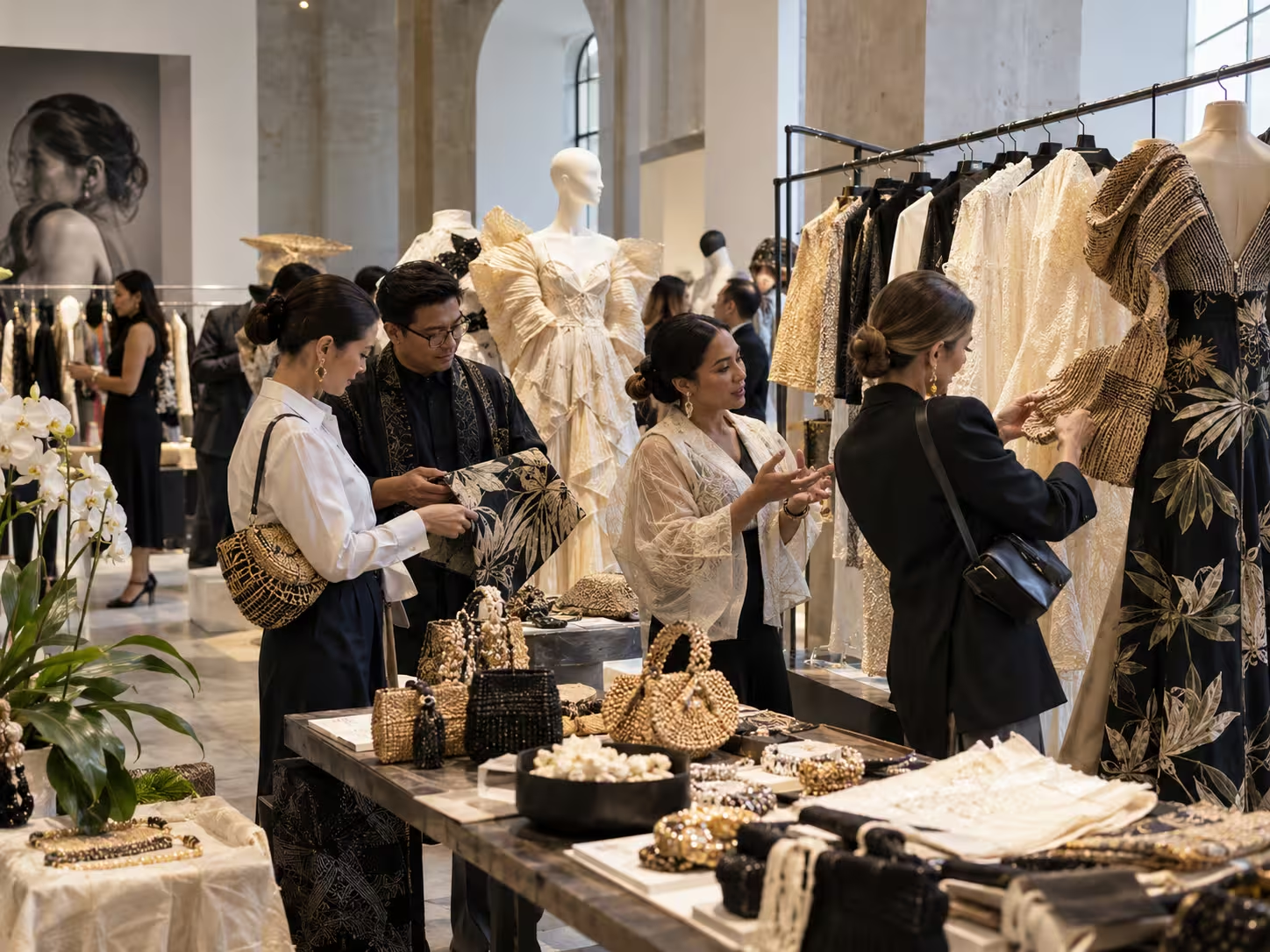
The Philippines is also seeing a resurgence of heritage and cultural fashion. Traditional Filipino textiles, like “abaca,” “piña,” and “jusi,” are being incorporated into contemporary designs, providing a sense of pride and identity. Filipino fashion designers are finding innovative ways to use these materials, combining them with modern silhouettes to create one-of-a-kind pieces. This shift towards celebrating local craftsmanship is helping to revive traditional techniques, which also supports local artisans and promotes Filipino culture on the global stage.
In terms of color, Filipino fashion has seen a return to bold and vibrant hues. Bright yellows, tropical greens, deep blues, and fiery reds reflect the colors of the country’s natural landscapes and festive culture. These colors are often used in both casual wear and formal attire, with people embracing lively, energetic tones that reflect their vibrant personalities.
In conclusion, fashion in the Philippines is evolving with a focus on sustainability, individuality, and cultural heritage. With the increasing popularity of eco-friendly materials, bold street style, and gender-fluid fashion, the Philippines is carving its own path in the global fashion landscape. As Filipinos continue to experiment and express themselves through their clothing, it’s clear that the future of Filipino fashion is bright and full of innovation.