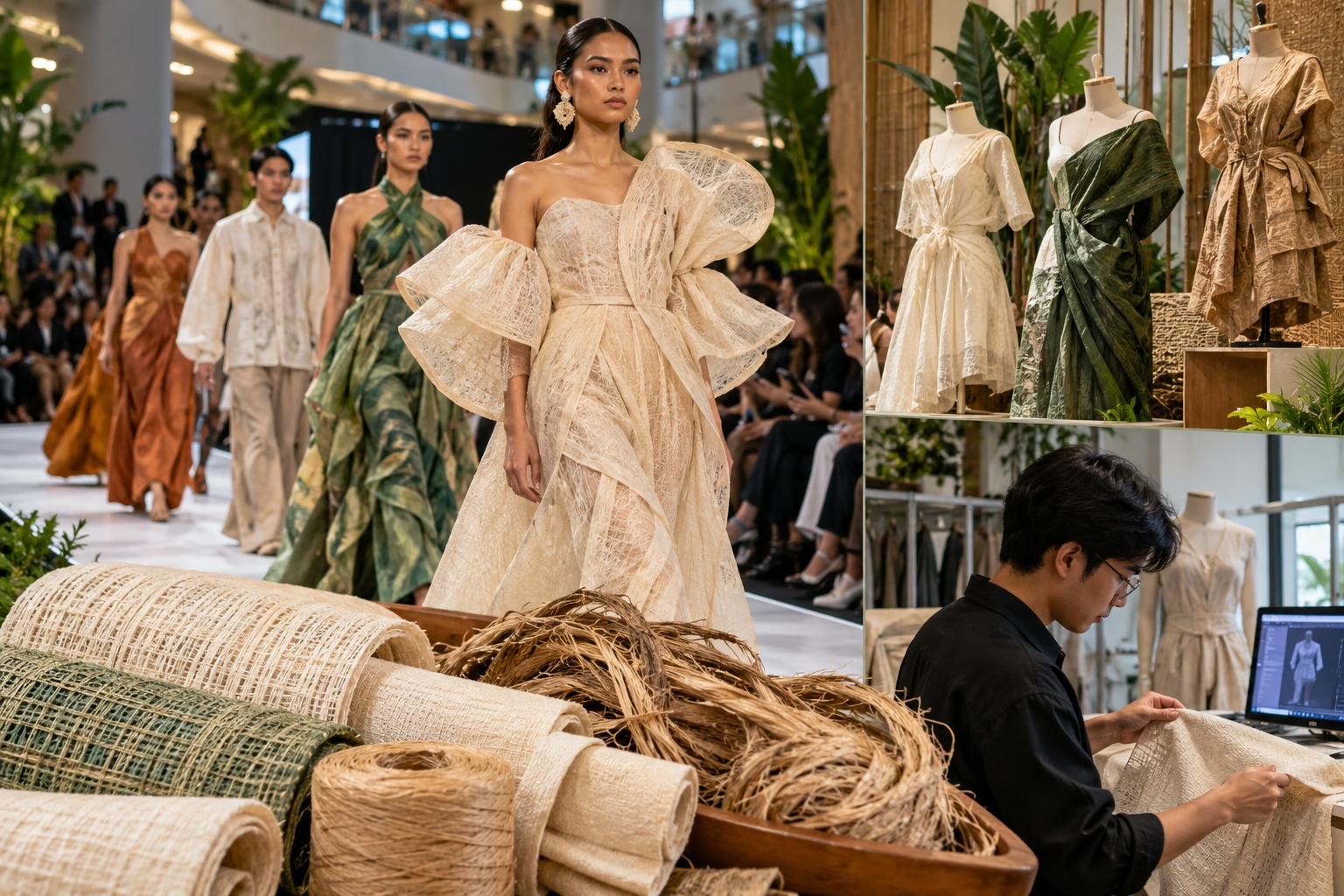
The rich history of Filipino traditional clothing has had a profound influence on the development of contemporary fashion in the Philippines. These garments, deeply embedded in the culture, provide not only a glimpse into the country’s past but also serve as a source of inspiration for modern designers today. In particular, garments like the Barong Tagalog and Terno are experiencing a resurgence, not only in cultural celebrations but also on international runways.
Traditional Filipino fashion has its roots in the pre-colonial era, and it reflects the diversity of indigenous groups across the Philippines. Over time, Spanish colonial influences, along with modern innovations, have shaped the evolution of Filipino attire. However, despite these changes, the essence of Filipino garments has remained an important cultural symbol. In today’s fashion world, traditional pieces are often reinterpreted, mixing modern techniques with classic styles to create garments that are both innovative and culturally rich.
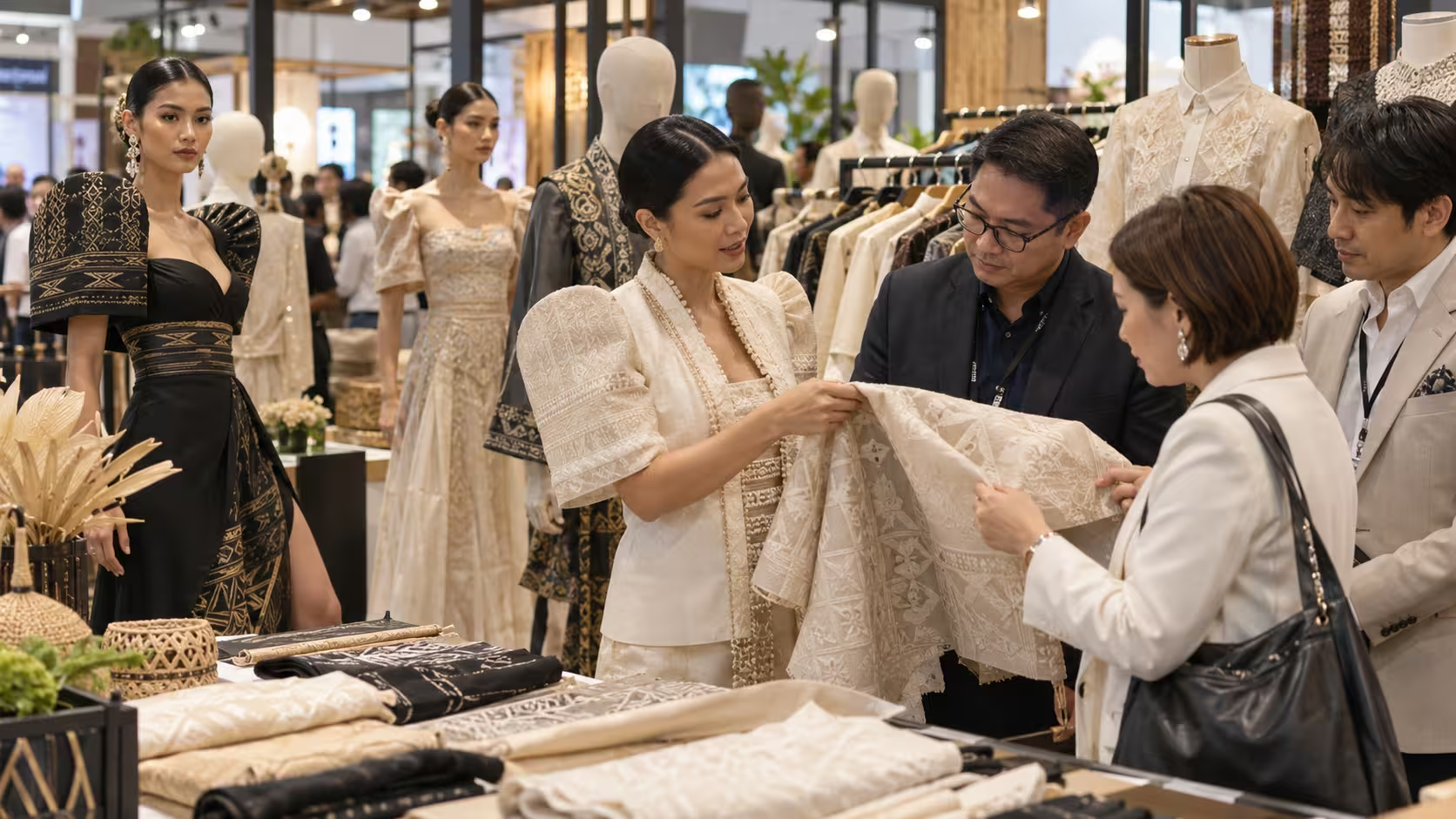
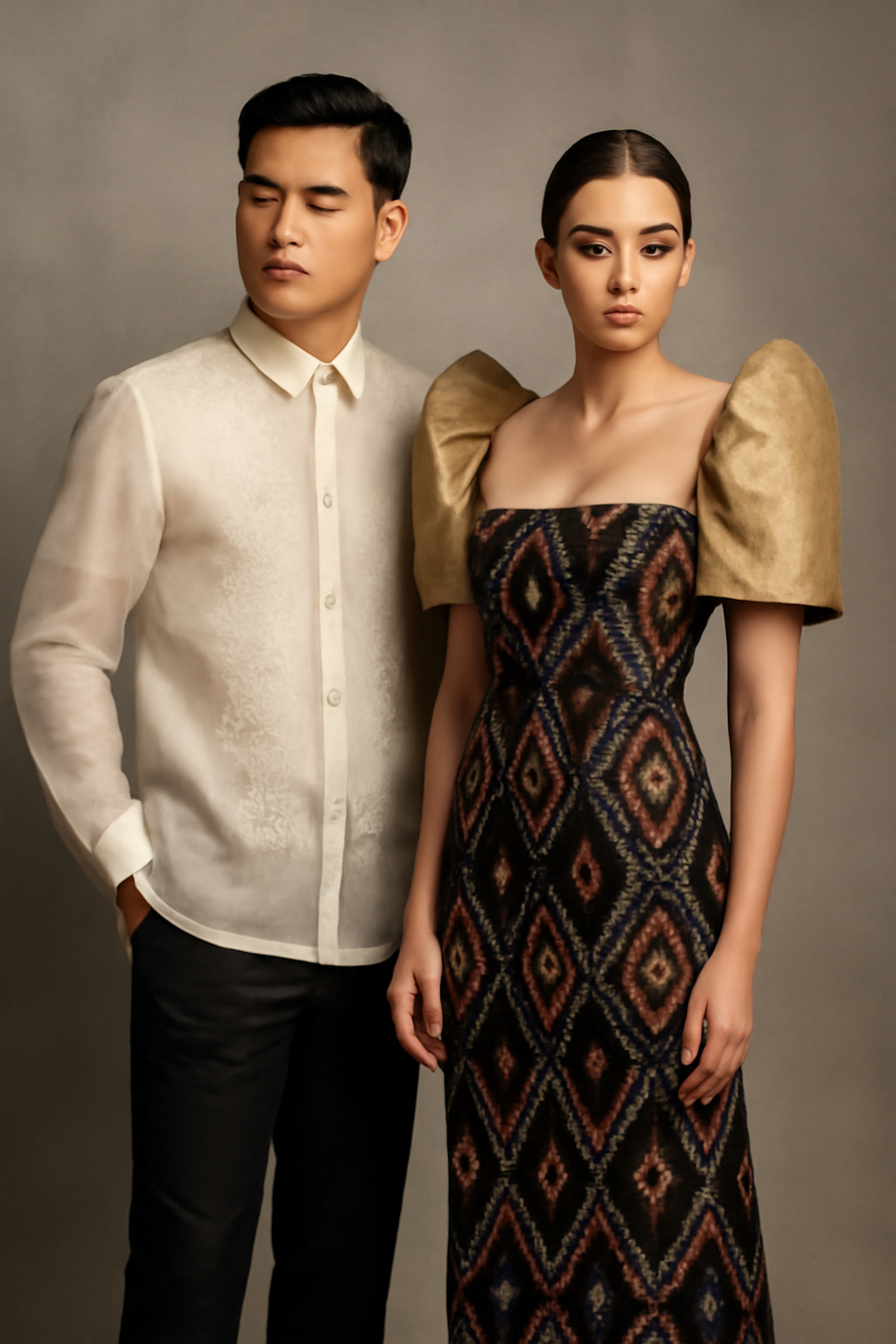
One of the most iconic garments, the Barong Tagalog, is a symbol of Filipino identity, typically worn by men. This light, embroidered shirt, usually made from piña or jusi fabric, is synonymous with formal events and is often worn during national celebrations. Modern designers have found ways to incorporate the Barong’s elegance into contemporary outfits, updating it with sleeker cuts, more diverse fabrics, and creative embellishments that make it suitable for casual wear or international fashion shows.
The Terno, a formal women’s dress with butterfly sleeves, has been a hallmark of Filipino elegance for decades. Originally a garment for the elite during the early 20th century, the Terno has been modernized over time, with contemporary designers adding new cuts, fabrics, and stylistic elements. Its transformation allows it to remain relevant in both traditional settings and the modern fashion industry, appearing on both local and international fashion runways.
Fashion designers like Rajo Laurel and Josie Natori have been instrumental in bringing Filipino traditional clothing into the global fashion conversation. Through their innovative takes on Filipino styles, they’ve introduced international audiences to the intricacies and beauty of Filipino garments. Their creations reflect not only craftsmanship but also a deep respect for Filipino heritage, bringing the culture of the Philippines into a modern context.
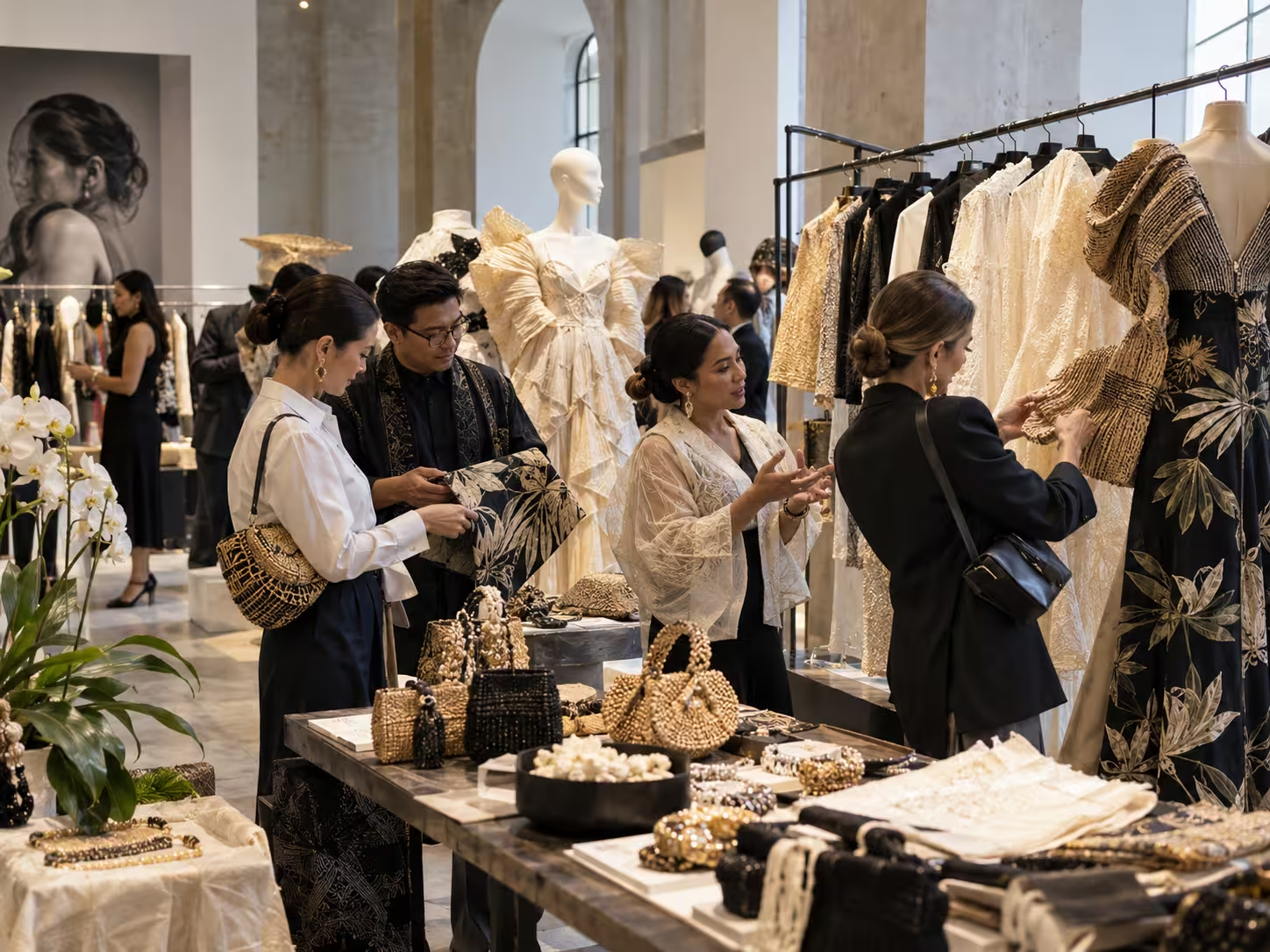
Moreover, the fusion of traditional Filipino elements with global fashion trends can be seen in various collections that feature indigenous textiles such as inabel or t’nalak. These textiles, handwoven by indigenous Filipino groups, are now used in modern fashion collections, promoting sustainable fashion practices while also preserving Filipino craftsmanship. By incorporating these textiles, modern Filipino designers highlight the country’s rich culture and the importance of preserving traditional techniques.
In summary, traditional Filipino clothing plays a significant role in modern fashion by acting as a bridge between the past and the present. As designers continue to reinvent these garments, they create a space for Filipino heritage within the global fashion industry. This blend of old and new not only honors Filipino culture but also demonstrates the versatility and relevance of traditional attire in the context of modern fashion.