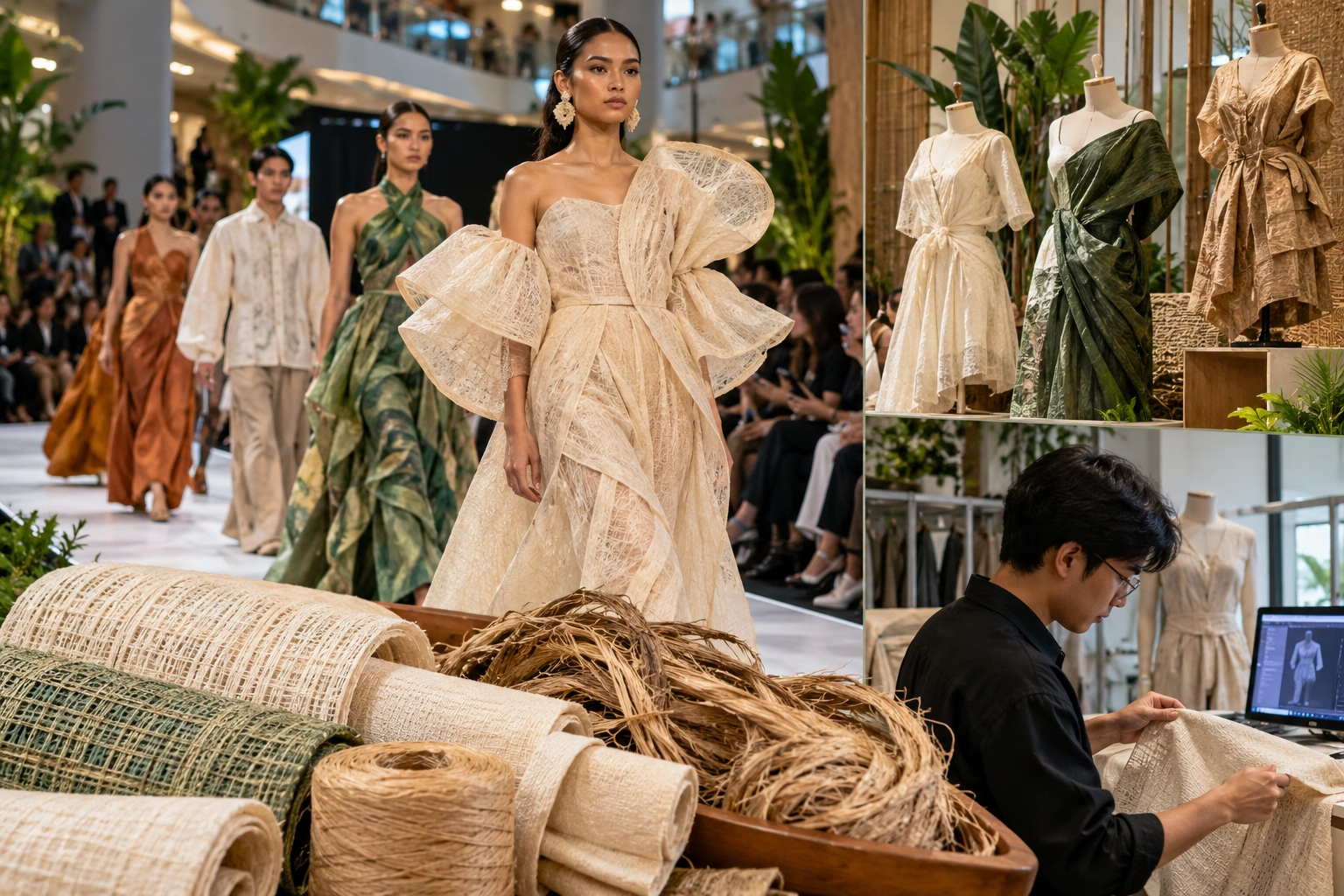
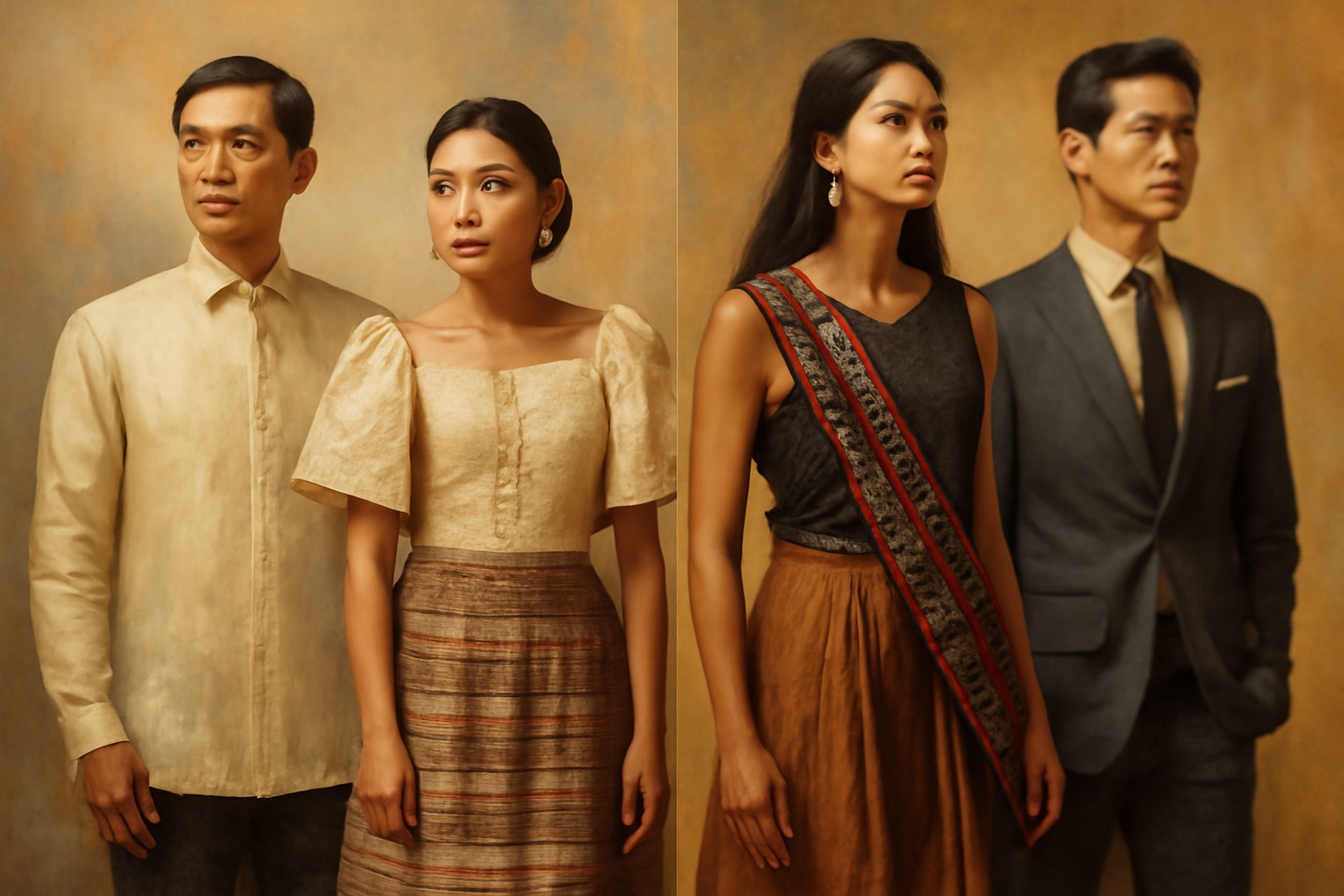
Filipino fashion is a beautiful representation of the country’s vibrant history, blending indigenous, colonial, and modern influences into a cohesive and unique style. This fusion of cultures has made Filipino fashion stand out globally, demonstrating the country’s adaptability and creativity in fashion design.
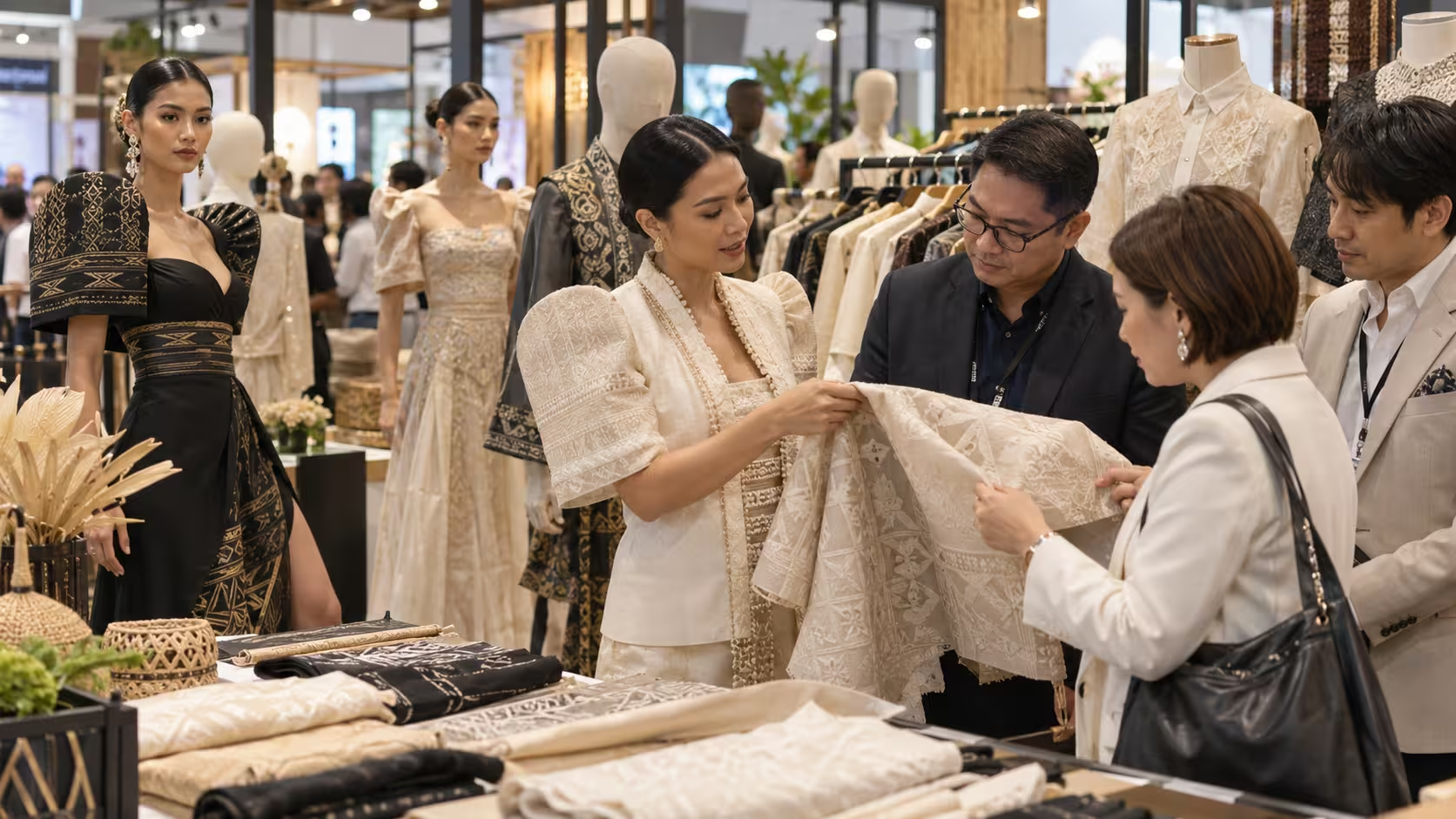
Historically, the Philippines was exposed to various influences from foreign powers, most notably Spain, the United States, and neighboring Asian cultures. The Spanish colonization in the 16th century, for example, played a significant role in shaping Filipino clothing. Traditional Filipino attire like the baro’t saya for women and the barong Tagalog for men reflect this Spanish impact. The intricate embroidery and use of luxurious fabrics such as piña (pineapple fiber) and jusi (banana silk) demonstrate the fusion of European elegance with indigenous Filipino craftsmanship.
As the Philippines experienced various waves of foreign influence, new elements began to be incorporated into Filipino fashion. The American period, for instance, introduced Western garments and the use of lighter, more comfortable fabrics. Filipino designers began to adapt these elements, creating a modernized version of traditional wear that combined both Western styles and local craftsmanship.
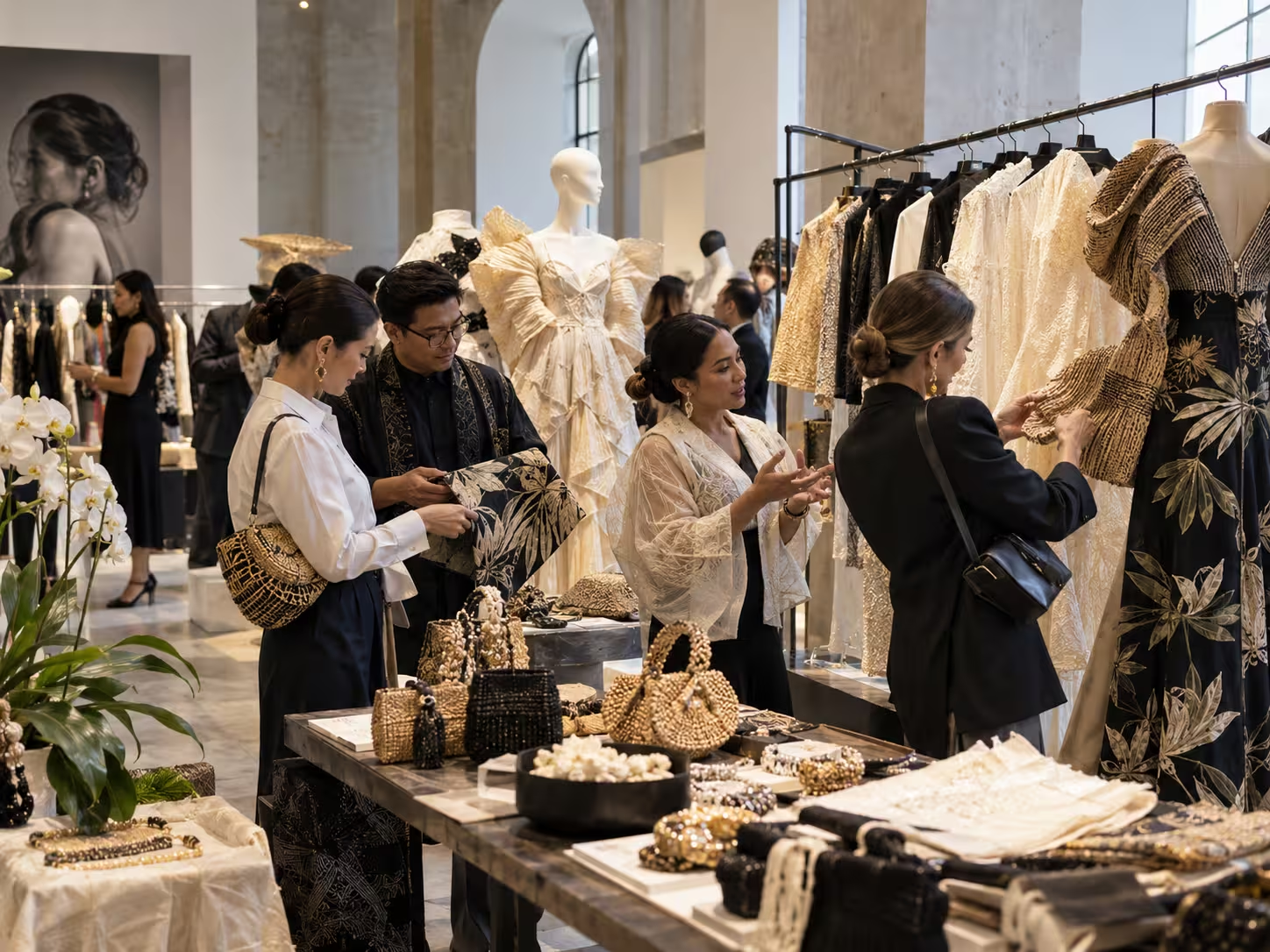
Moreover, Filipino fashion also highlights the indigenous cultures of the country. Each of the 175+ ethno-linguistic groups in the Philippines contributes to the diversity of fashion, with their unique textiles, weaving techniques, and dress styles. For example, the ikat weaving technique, which is common among many indigenous groups, has become a prominent feature in contemporary Filipino fashion. Designers like Rajo Laurel and Josie Natori often incorporate indigenous fabrics like t’nalak and Inabel into their modern designs, creating a fusion that reflects both tradition and innovation.
In recent years, there has been a growing movement to promote Filipino fashion on the global stage, with designers gaining recognition for their ability to blend the past with the present. Fashion shows such as Philippine Fashion Week highlight these unique blends of cultural influences, showcasing designs that are rooted in Filipino heritage yet have a distinctly modern appeal.
The fusion of various cultural elements has also fostered a deeper appreciation for local artisans. The resurgence of traditional Filipino craftsmanship, such as embroidery, weaving, and silk production, in modern fashion not only revives age-old practices but also supports local communities. By incorporating these traditional techniques into their designs, Filipino fashion designers play a crucial role in sustaining cultural heritage while pushing the boundaries of contemporary fashion.
In conclusion, Filipino fashion is a perfect example of cultural fusion. It tells the story of the Philippines’ diverse and rich history, shaped by various cultural influences while still staying true to its roots. The ongoing evolution of Filipino fashion continues to celebrate this fusion, creating pieces that are both timeless and modern, beautifully reflecting the country’s multicultural identity.