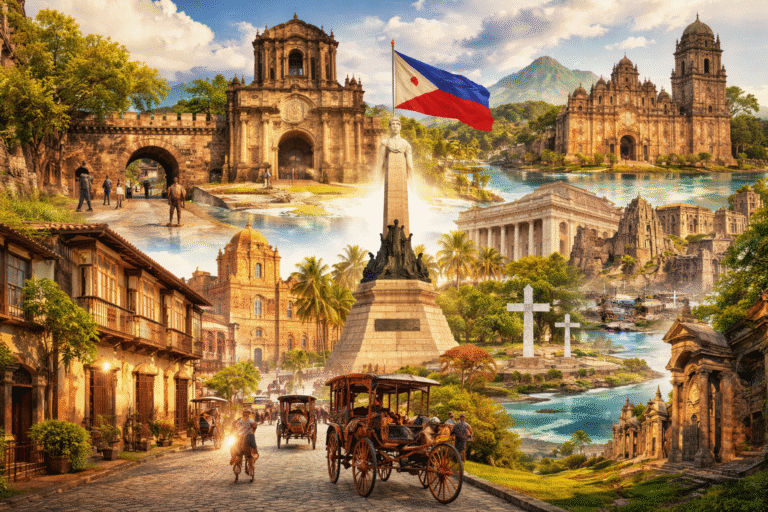










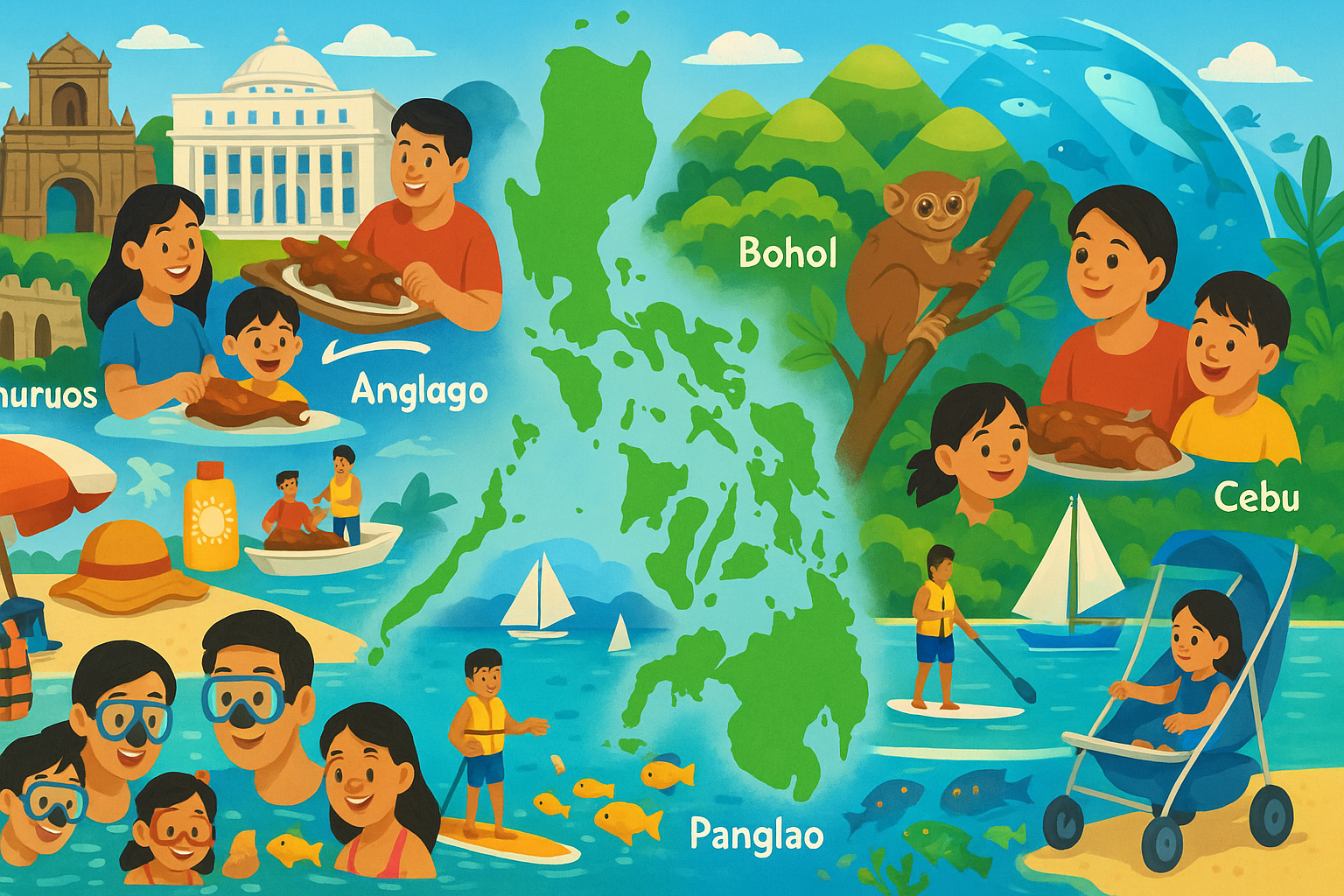
If you’re mapping a first family trip to the Philippines, think in clusters that minimize transit: one city, one beach hub, one nature stop. Begin with Manila for two days. Day 1: Intramuros walking tour, museum hour at the National Museum of Natural History, and buffet dinner near Rizal Park. Day 2: Manila Ocean Park in the morning, nap/pool time, then a mall play zone and cinema for an early night. Choose a hotel along Roxas Boulevard or in Bonifacio Global City for ease.
Fly to Bohol on Day 3. Settle in Panglao, where Alona Beach offers shallow water and beachfront dining. Late afternoon, try a short snorkeling session close to shore; bring crackers to attract small fish (where permitted). Day 4 is inland: the Tarsier Conservation Area, Chocolate Hills viewpoint, and a Loboc River cruise for lunch. Save time for the man-made forest stop—a shaded stretch perfect for photos and leg-stretching.
On Day 5, hop to Cebu by fast ferry or a short flight. In the city, head to the Cebu Safari & Adventure Park or visit Hilutungan Marine Sanctuary by boat. Older kids can try stand-up paddleboarding; younger ones enjoy fish feeding from the boat. Evenings are for lechon tasting (ask for mild sauces) and fruit shakes.
Day 6 flies you to Boracay for pure relaxation. Pick a resort on Station 1 for quieter beachfront. Morning: sandcastle workshop and swimming. Afternoon: paraw sailing or a glass-bottom boat ride. Day 7 is flexible—souvenir shopping at D’Mall, banana boat rides, or a beach picnic at Puka Shell Beach. Fly back to Manila in the evening.
Other destinations easily swap in: Palawan (El Nido or Puerto Princesa) for lagoons and the Underground River; Subic Bay for Zoobic Safari and Ocean Adventure; Tagaytay for cool breezes near Manila. The key is pacing—alternate activity-heavy days with restful ones, and keep transfers short.
Seasonality favors the dry months from November to May. Book island-hopping with reputable operators; confirm child life vests and weather checks. Sunscreen should be reef-safe, and rash guards help avoid sunburn. Pack hats that secure under the chin, quick-dry footwear, and a basic first-aid kit with antihistamines and electrolyte packets. Domestic airlines generally accommodate strollers; bring a lightweight model and a baby carrier for stairs and piers.
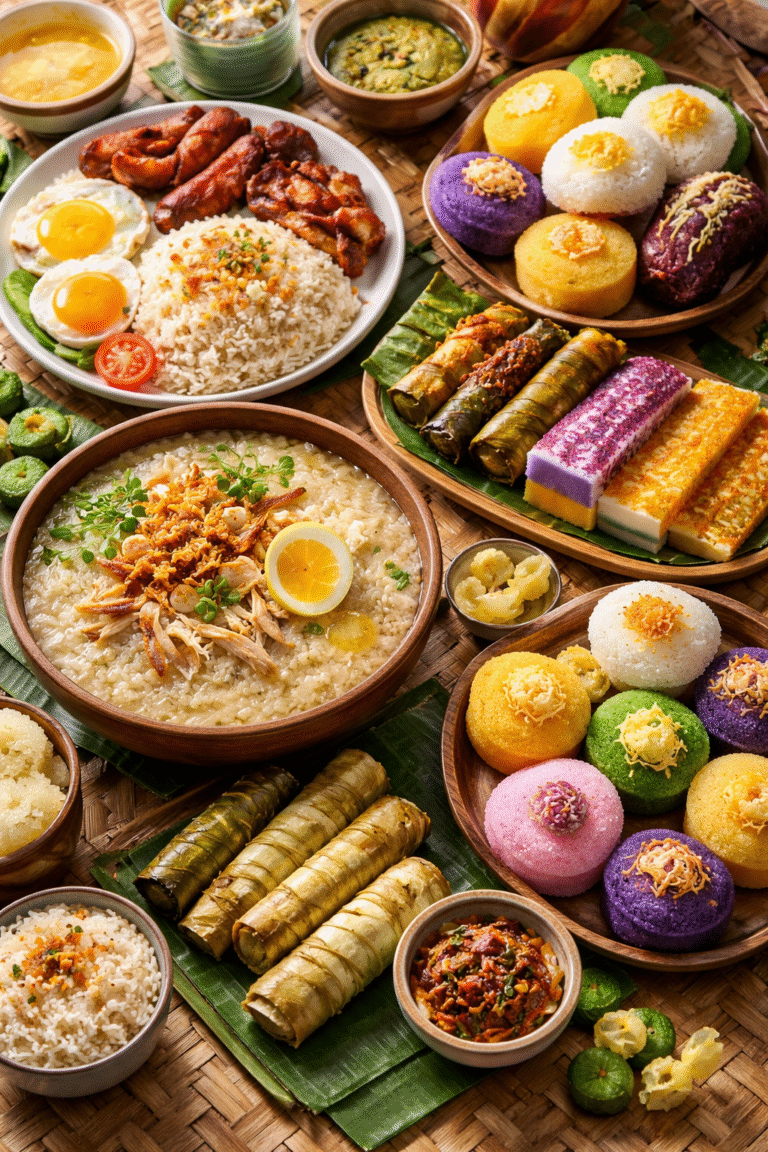
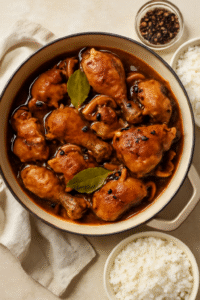
Meals are straightforward: Filipino food leans flavorful but adaptable. Order grilled fish, garlic rice, mango, and pancit for mild options, and keep snacks handy during boat tours. Teach simple phrases—“salamat,” “magkano?” (how much?), “opo” (polite “yes”)—and remind kids to ask before touching corals or wildlife. With clear logistics and kid-first sequencing, the Philippines turns into a string of low-stress moments that add up to a standout family getaway.