









When it comes to workplace attire in the Philippines, it’s all about striking the right balance between professionalism, cultural traditions, and comfort. The tropical climate plays a major role in determining how Filipino professionals approach their daily wardrobe, but it’s still important to dress appropriately for your role and industry.
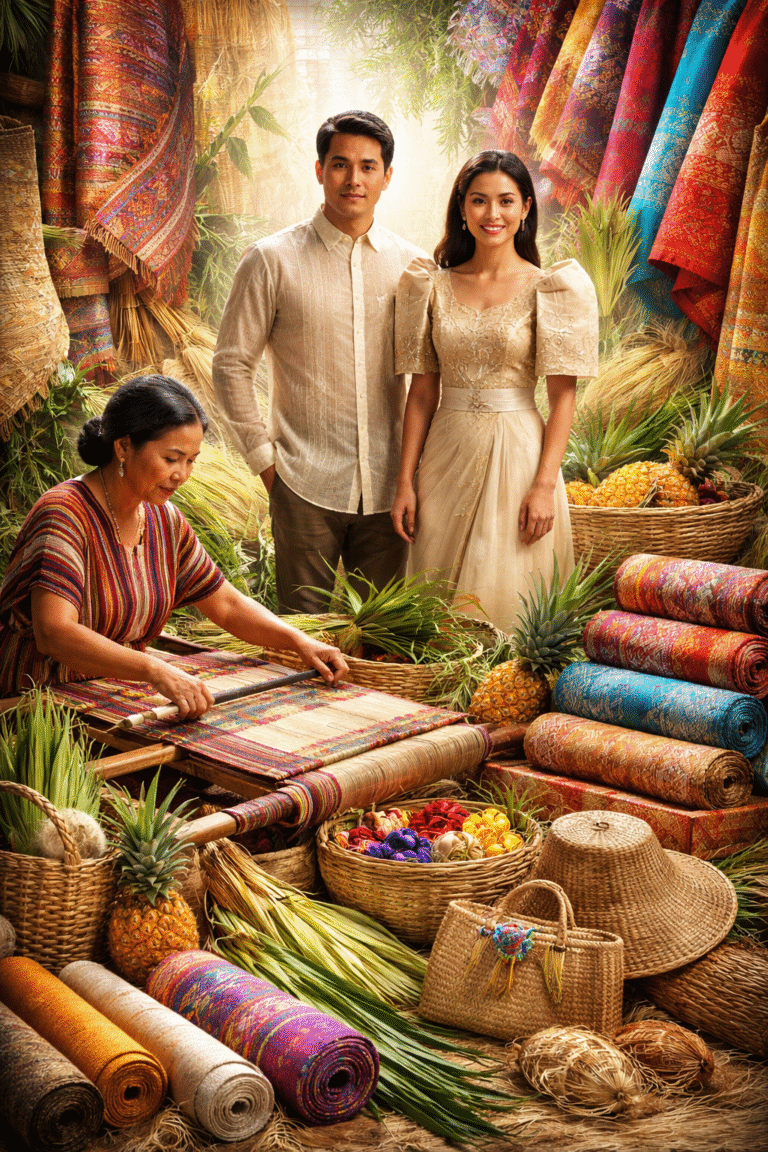
For men, business casual is often the norm, especially in industries such as marketing, tech, and retail. This might include a dress shirt paired with trousers or chinos, and polished shoes. In more formal industries like law or banking, the dress code may lean toward suits, ties, and dress shoes. The barong Tagalog, a lightweight embroidered shirt made of natural fibers such as piña or jusi, is often the formal option for men, worn for important meetings, national holidays, or cultural events. While this traditional garment maintains a strong cultural relevance, its versatility makes it suitable for modern office settings as well.
Women also enjoy flexibility when dressing for work in the Philippines. Blouses, dresses, and skirts are commonly worn, with an emphasis on modesty and professionalism. While the baro’t saya or terno (traditional Filipino outfits) may be reserved for formal occasions, many women prefer modern professional clothing such as tailored blouses and slacks or skirts. Corporate women often opt for well-tailored suits or dresses, reflecting both professionalism and personal style. However, it is important to remember that, despite the tropical heat, revealing clothing such as shorts, tank tops, or flip-flops should be avoided in most workplaces.
The weather is a significant factor in choosing appropriate attire. Due to the country’s year-round warm and humid conditions, Filipino professionals tend to select lightweight fabrics like cotton, linen, and silk to stay comfortable while maintaining a polished appearance. However, despite the tropical heat, the Filipino workplace still values neatness, and it is essential that employees avoid casual or too comfortable clothing that might come across as sloppy or unprofessional.
While many workplaces in the Philippines allow employees to dress casually, there are still industries where a formal dress code is expected. In fields such as finance, legal services, and medicine, employees are expected to wear suits, uniforms, or conservative business attire to project authority and professionalism. Color choices tend to lean toward darker shades like navy, gray, or black in formal industries, as these colors are associated with power and reliability.
Footwear is also an important consideration in professional attire. Both men and women should opt for closed-toed shoes that are polished and in good condition. For men, leather shoes are a staple, while women often wear pumps or flats. In more casual environments, loafers or sandals may be acceptable, but they should still look professional and be in good condition.
In the modern Filipino workplace, flexibility is growing, especially in companies that embrace creative fields or are located in more laid-back cities. However, regardless of the industry, it is still essential to dress in a way that reflects respect for colleagues and clients. Even in a casual office, employees should aim to look neat, clean, and well-groomed, ensuring they uphold a professional image at all times.
Overall, the Filipino workwear culture is all about finding the right mix of tradition and modernity, comfort and professionalism. Whether you are dressing for a formal boardroom meeting or a casual brainstorming session, the goal is always to make a good impression while respecting both cultural norms and the physical environment. By considering these elements, Filipino professionals can maintain their status as capable, respectful, and stylish individuals in the workplace.