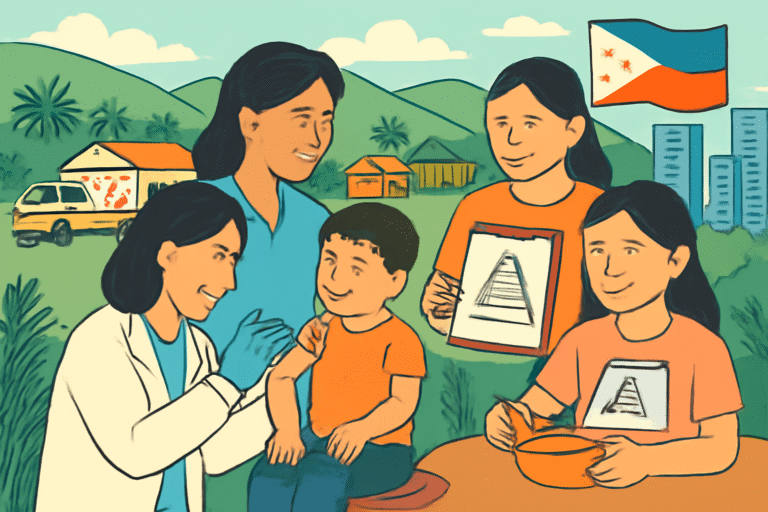












Living a healthy lifestyle in the Philippines involves maintaining a balanced diet and incorporating regular physical activity into daily routines. With a rich cultural history and diverse culinary traditions, Filipinos have unique opportunities to eat healthy while also staying fit. However, certain modern challenges, such as urbanization and convenience, can lead to poor lifestyle choices.
The Role of Nutrition
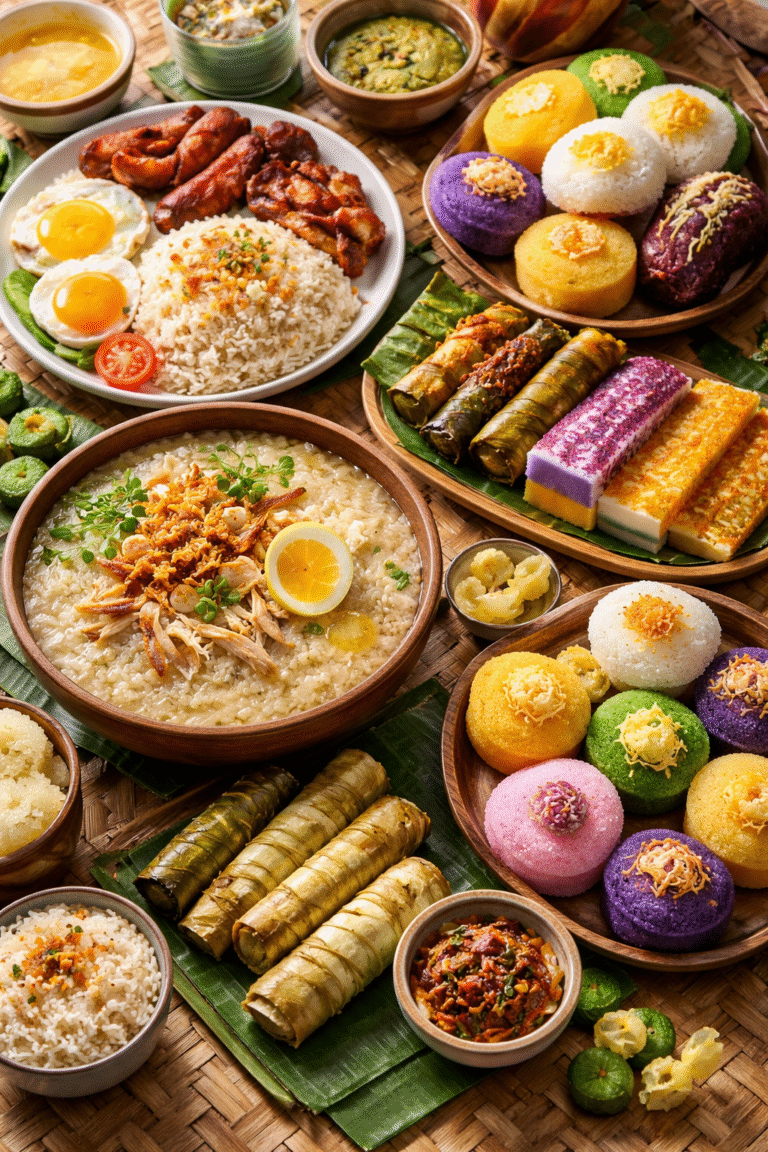
A healthy diet is essential to promoting overall well-being and preventing chronic diseases. Filipino cuisine is naturally abundant in fruits, vegetables, and lean proteins, making it easier for individuals to make healthy choices. Dishes like sinigang (a sour soup made with tamarind, vegetables, and meat), adobo (marinated chicken or pork), and kinilaw (raw fish salad) provide a balanced mix of protein, vitamins, and minerals.
The Philippines also boasts a variety of tropical fruits, including bananas, mangoes, papayas, and coconuts, which are rich in fiber, antioxidants, and healthy fats. These foods help in digestion, boosting immunity, and improving skin health. Filipino breakfasts, such as tapsilog (beef tapa with garlic rice and fried egg), often feature high-protein foods like beef or eggs, contributing to satiety and muscle health.
However, the increasing popularity of fast food and processed snacks can lead to unhealthy eating habits. High sodium, sugar, and unhealthy fat consumption from foods like lechon (roast pig) and sugary beverages may contribute to hypertension, obesity, and diabetes. To combat this, health experts recommend mindful eating, focusing on whole foods like fresh vegetables, lean meats, and whole grains.
Exercise and Physical Activity
Exercise is equally important in maintaining a healthy lifestyle. Filipinos traditionally incorporate physical activity into their daily lives through activities like walking, biking, and dancing. These simple, low-cost exercises not only help with weight management but also improve cardiovascular health and flexibility.
One popular form of exercise in the Philippines is zumba, a dance-based workout that has gained immense popularity due to its fun and social nature. Many Filipino communities hold regular group workout sessions, allowing people to bond while staying fit. Additionally, outdoor sports like basketball, volleyball, and badminton are frequently played in public spaces, helping communities stay active.
For those looking for more structured exercise, the growing availability of gyms and fitness centers in urban areas provides various options, from strength training to yoga. The key is consistency. Experts recommend a combination of aerobic and strength training exercises at least 3-4 times a week to improve overall health and prevent the onset of lifestyle-related diseases.
Conclusion
A healthy lifestyle in the Philippines is not just about eating the right foods but also staying physically active. Embracing the country’s rich food culture while being mindful of portion sizes and maintaining an active lifestyle can help Filipinos enjoy better health. With the right balance of nutritious food and regular exercise, Filipinos can thrive and combat modern health challenges.