










A practical “wellness stack” is reshaping Filipino lifestyles: purposeful movement, food quality, stress management, sleep hygiene, and environmental awareness. Instead of chasing extremes, people lean into routines that are repeatable in real life—between commutes, family duties, and tropical weather.
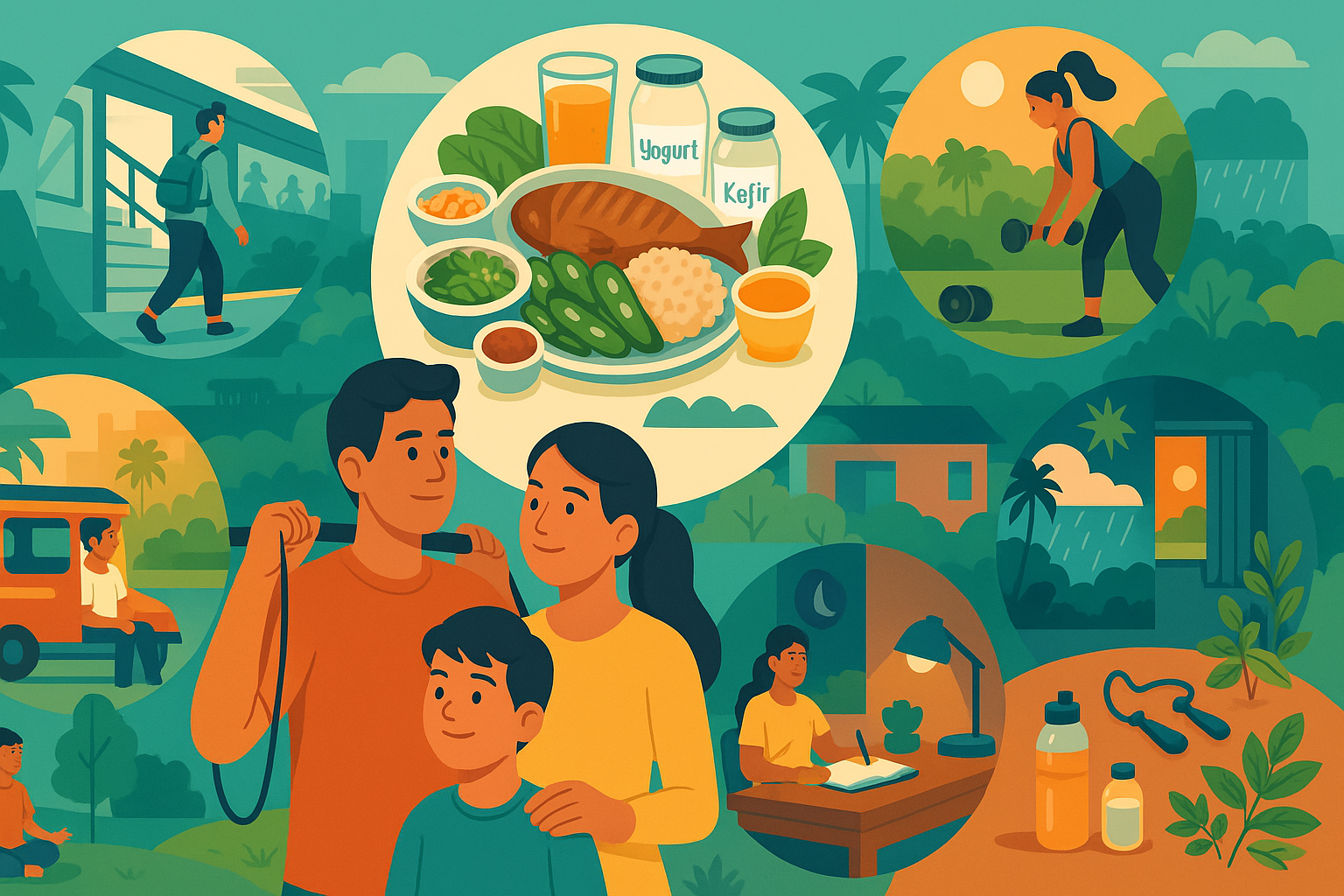
Movement is both planned and opportunistic. Commuters walk more, take stairs when possible, and reserve higher‑intensity days for the gym or studio. Community Zumba outside malls, weekend hikes near city outskirts, and barangay sports keep activity social. Strength training anchors many plans because it helps posture, bone density, and day‑to‑day energy, while low‑impact cardio fills recovery days.
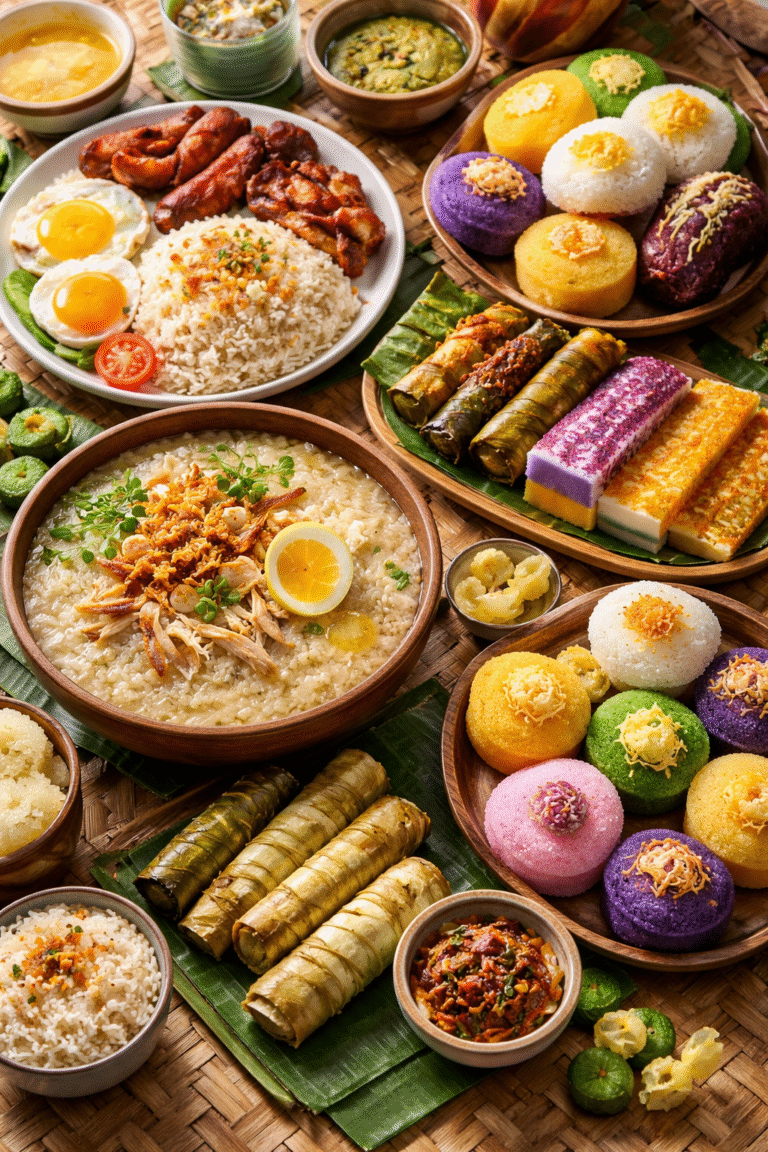
On the plate, gut health and blood‑sugar steadiness are frequent goals. Traditional ferments like atchara and burong fish sit beside modern staples such as yogurt and kefir. Coconut vinegar, calamansi, and ginger teas add flavor with minimal sugar. Vegetables—malunggay, ampalaya, sitaw—show up in hearty servings, and protein gets distributed across meals to improve satiety. Celebrations remain joyful, with sensible portions, shared desserts, and mindful pacing.
Stress management is getting structure. Breathing drills before meetings, short meditations on transit, and journaling after work offer decompression rituals. Faith communities and peer circles provide emotional scaffolding, while growing comfort with counseling opens new doors for those navigating grief, anxiety, or career shifts. Small wins—like saying no to extra shifts or batch‑cooking on Sundays—protect bandwidth.
Sleep has moved from afterthought to pillar. People experiment with earlier dinners, darker rooms, and cooler showers in a hot climate. Limiting blue light, setting caffeine curfews, and building phone‑free wind‑downs turn nights from restless to restorative. Even strategic power naps help shift workers bridge irregular schedules without derailing nighttime sleep.
Environmental context matters. Heat waves and rainy seasons push more training indoors, so having a backup plan—resistance bands, jump ropes, bodyweight flows—keeps momentum. Hydration and electrolytes become non‑negotiable in humid months. Some households lean on herbal traditions—lagundi for soothing and turmeric‑ginger teas for comfort—while still checking with healthcare professionals to avoid interactions.
Progress is tracked with personal KPIs: more pain‑free squats, steadier moods, deeper sleep, and consistent energy through the workday. The outcome is less about aesthetics and more about capacity to enjoy family time, weekend adventures, and meaningful work.