






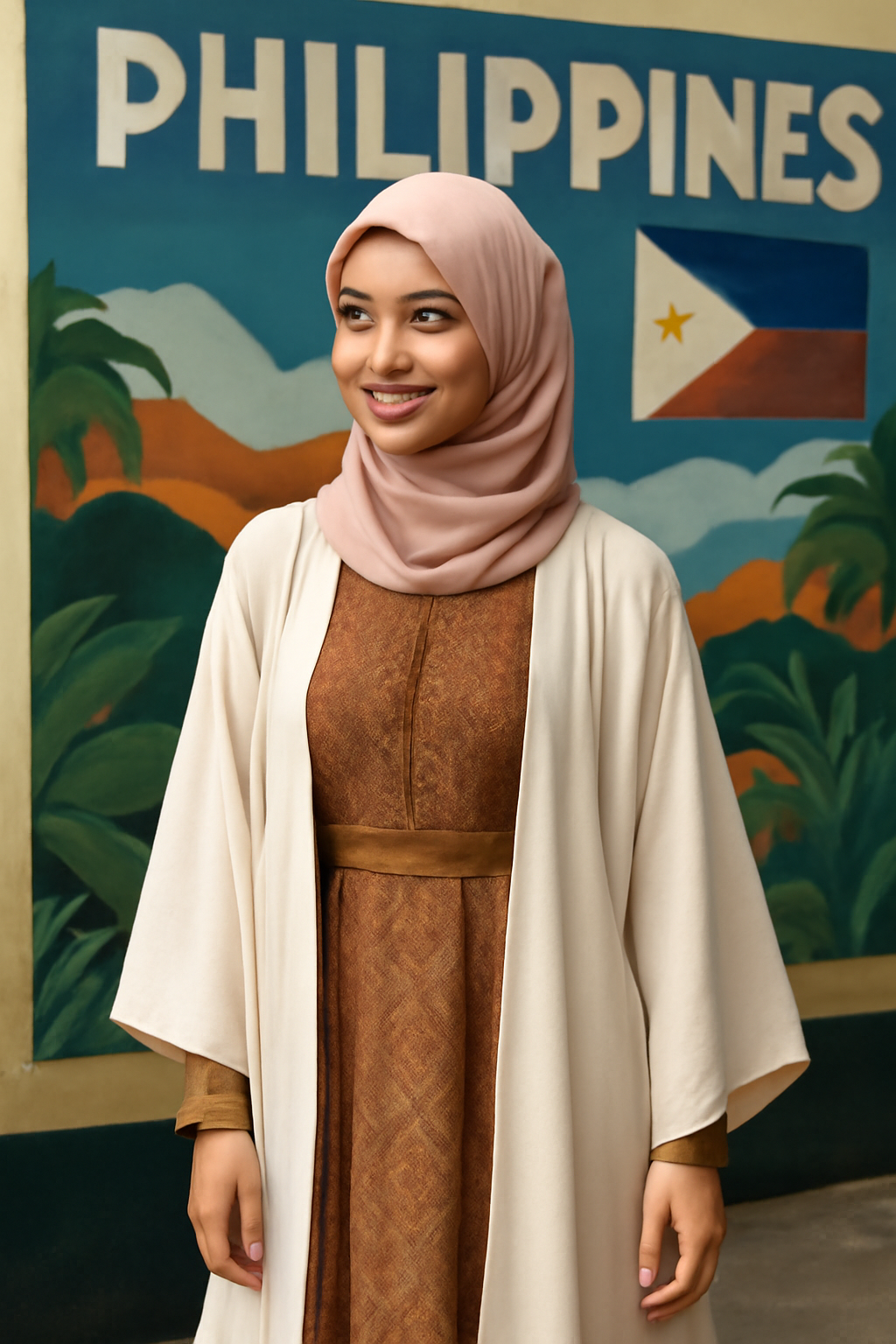
In the Philippines, a shift in the fashion industry is becoming increasingly evident, especially when it comes to the clothing choices of the Muslim community. The fashion scene, which has historically catered primarily to Western-inspired styles, is now experiencing a growth in demand for modest yet fashionable clothing. Filipino Muslim women, particularly those in Mindanao, are at the forefront of this change, advocating for a fashion style that balances traditional modesty with modern trends. This growing movement of modest fashion in the Philippines has captured the attention of designers, retailers, and the public alike.
The rise of Muslim fashion in the Philippines has been influenced by several factors, including greater social acceptance of cultural diversity and the increasing awareness of global fashion trends. Muslim women in the Philippines have long adhered to traditional dress codes, which emphasize modesty. However, with the rise of the modest fashion movement, these women are now looking for garments that provide both comfort and style, allowing them to express their identity without compromising on their beliefs.
One of the key elements of this transformation is the hijab. Traditionally, the hijab was worn as a simple headscarf to maintain modesty. Today, it has become an essential part of Filipino Muslim fashion, evolving into a statement piece that complements a wide range of outfits. Filipino designers are increasingly experimenting with different styles of hijabs, using various fabrics and embellishments to create unique designs that align with modern fashion trends while still adhering to the modesty principles of Islam.
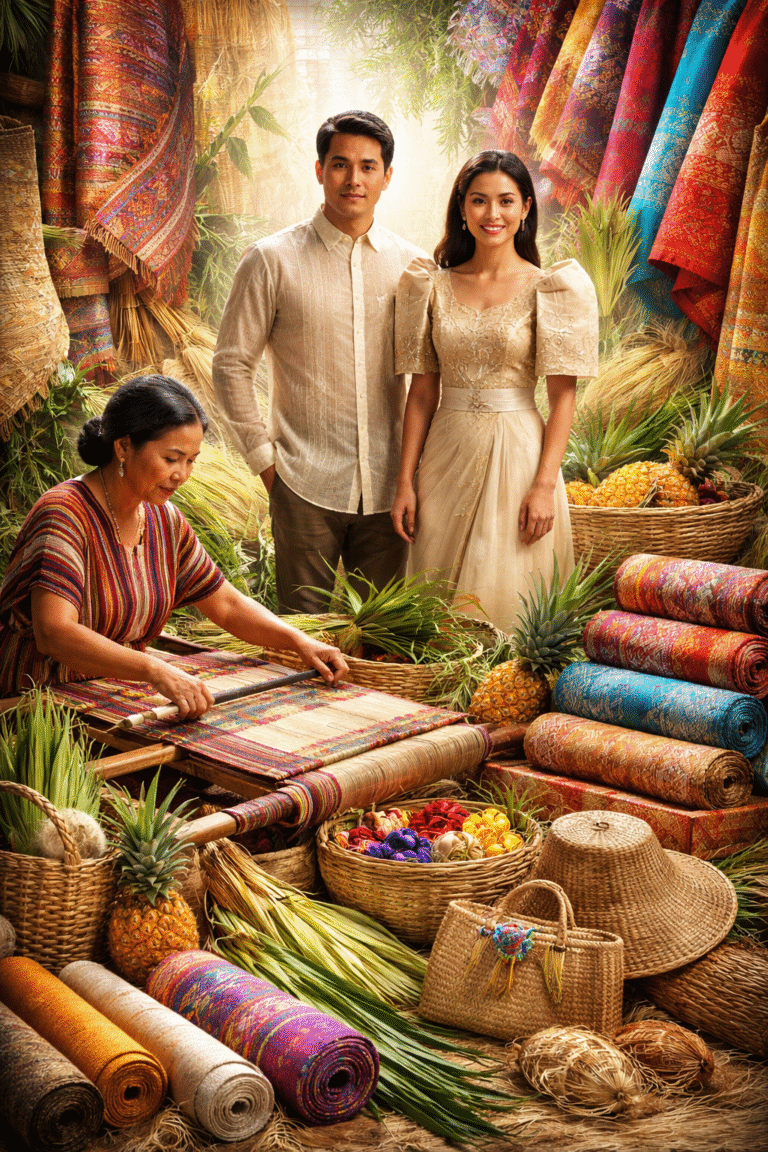
In addition to the hijab, modest dresses, tunics, abayas, and kaftans are becoming more common in the wardrobes of Muslim women in the Philippines. These garments, while still adhering to Islamic guidelines, are being reinterpreted to reflect contemporary aesthetics. Local designers are increasingly using indigenous Filipino fabrics such as piña, abaca, and cotton, which are being woven into modern, modest designs. This has created a unique blend of Islamic fashion and Filipino craftsmanship, giving rise to a distinct and culturally rich fashion trend.
Moreover, international fashion brands have also recognized the growing demand for modest fashion in the Philippines. Major retail chains are now offering collections designed for Muslim women, including modest workwear, casual attire, and formal wear. This has made modest fashion more accessible to a broader demographic, further expanding the market for these styles.
Despite the strides made, challenges remain. There is still a lack of widespread understanding and appreciation for modest fashion in mainstream Filipino society. Additionally, some designers struggle to find the right balance between maintaining modesty and staying on-trend. However, these challenges have not deterred the growth of Muslim fashion in the Philippines. Instead, they have spurred innovation and creativity among local designers, who continue to push boundaries while remaining true to their cultural and religious values.
The rise of Muslim fashion in the Philippines is more than just a trend—it’s a reflection of the country’s evolving cultural landscape. As Filipino Muslim women embrace fashion that reflects their values and identity, the Philippines continues to build a more inclusive, diverse fashion industry that celebrates both modernity and tradition.