










The rise of obesity and diabetes in the Philippines sits at the intersection of biological susceptibility, environmental change, and economic pressures. Some Filipinos may carry genetic variants that influence insulin secretion or fat distribution, but genes express themselves within contexts shaped by food systems, work patterns, and policy choices.
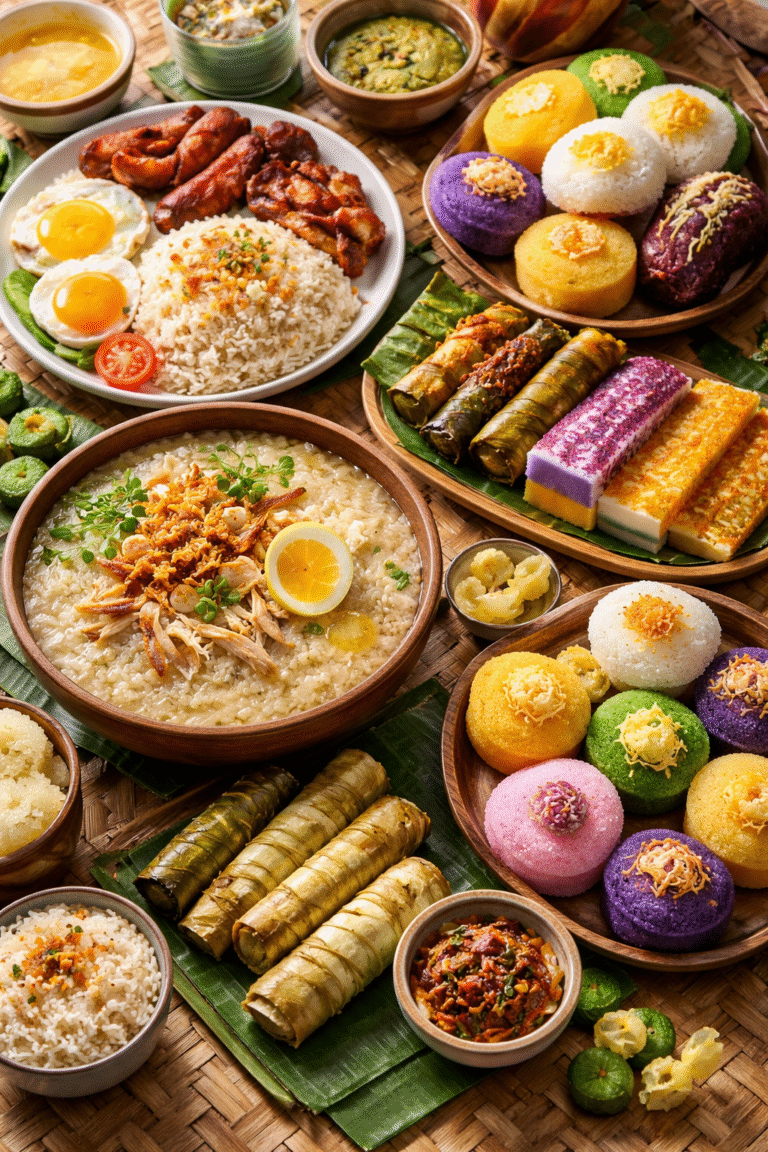
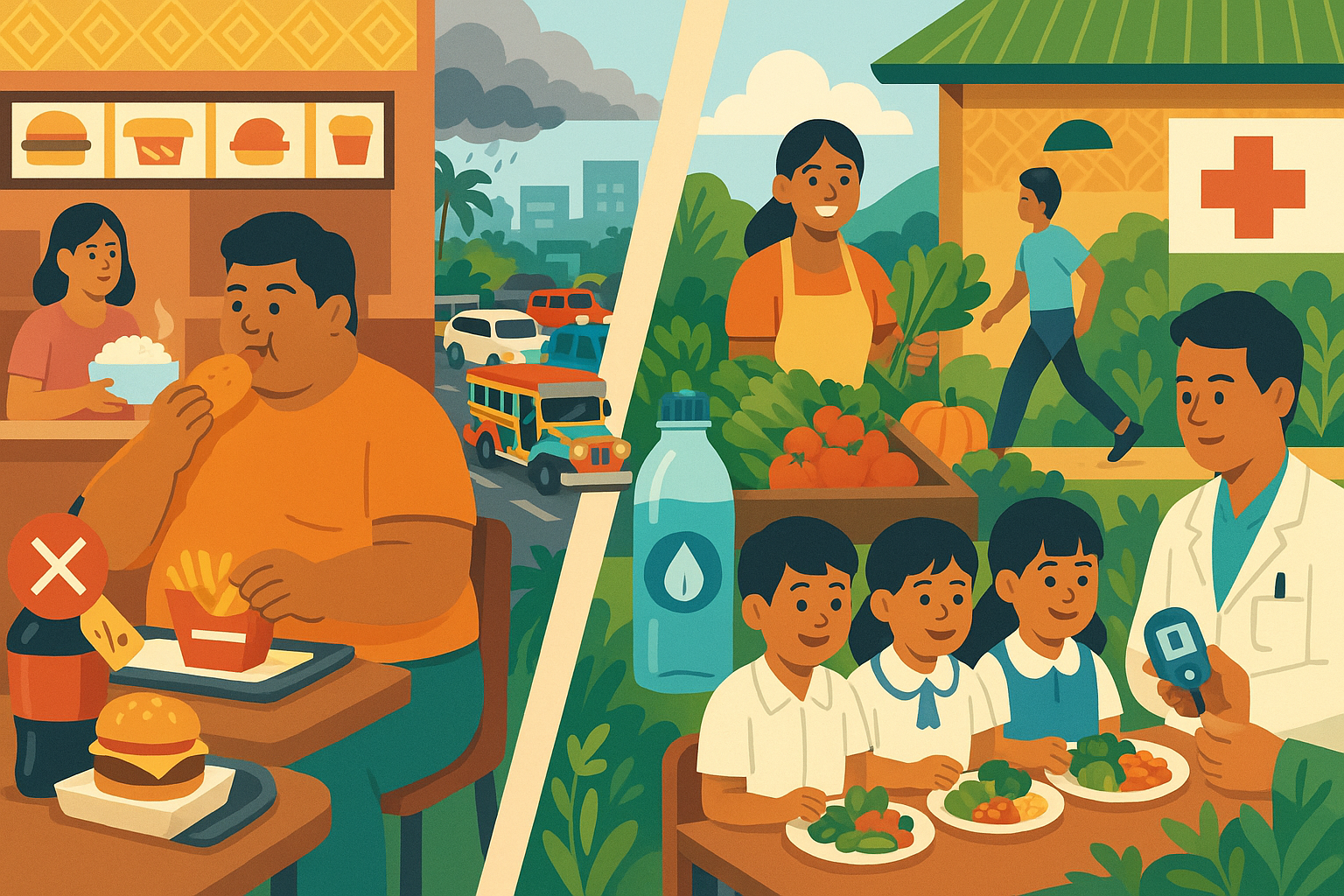
Dietary transition is a central driver. Convenience stores and fast-food outlets have proliferated, offering cheap calories that combine refined starches, added sugars, and fats. White rice remains a cultural staple; without balancing fiber and protein, it can spike post-meal glucose. A pragmatic strategy respects tradition while adjusting ratios: smaller rice servings, more vegetables, and proteins like fish, chicken, beans, and tofu. Flavors stay familiar while metabolic load improves.
Urban living compresses time and space. Commuters spend long hours in traffic, squeezing out exercise and home cooking. Solutions must reclaim time: cook once, eat twice; pack leftovers; keep fruit and nuts on hand for snacks. Micro-workouts—five to ten minutes of brisk walking or squats—fit between tasks. On weekends, longer bouts of activity build capacity and mood resilience.
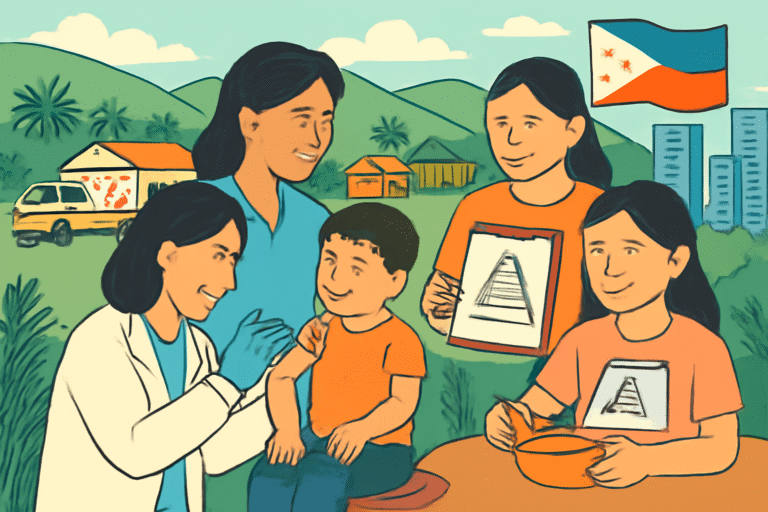
Healthcare access is uneven. Metro areas concentrate specialists; rural and island communities rely on barangay health workers. Standardized screening protocols, telemedicine links, and clear medication pathways can reduce geographic inequity. Coverage for basic diabetes drugs and supplies helps patients maintain control, preventing costly complications like kidney disease or vision loss.
Policy can reshape the food landscape. Taxes on sugary drinks, if accompanied by public education and clean water availability, discourage habitual consumption. Incentives for wet markets, cold chains for produce, and support for local growers enhance access to fresh foods. School feeding programs that center on vegetables, fruit, and proteins can set taste preferences early.
Economic volatility and climate events complicate matters. Typhoons disrupt supply chains and raise food prices, pushing households toward cheap, energy-dense foods. Preparedness plans should include nutritious shelf-stable options—lentils, beans, canned fish, powdered milk alternatives—along with guidance on low-sodium choices. Cash transfers and food vouchers can stabilize diets during recovery.
Social norms influence behavior. Festive meals signal love and abundance; modifying menus should preserve those meanings. Smaller plates, a vegetable centerpiece, and mindful serving of rich dishes allow celebration without metabolic strain. Community challenges—steps, dance, cycling—build belonging while nudging habits.
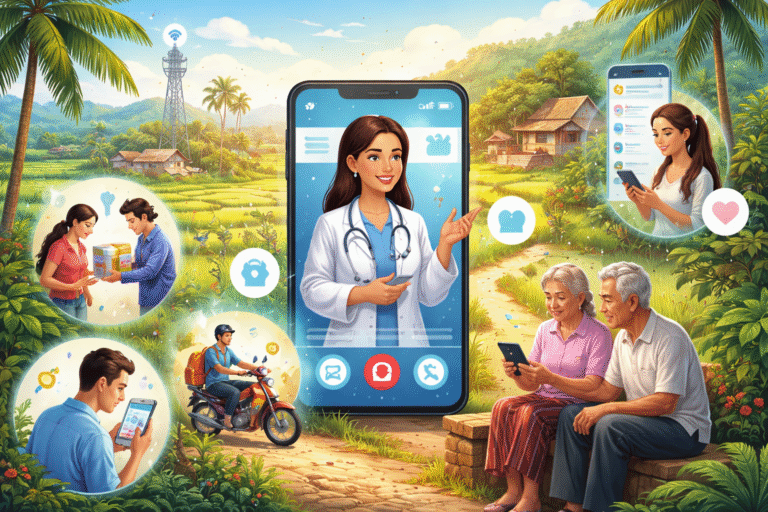
Technology can bridge gaps. Simple SMS programs remind patients about medications, clinic visits, and foot care. Affordable glucometers paired with educational videos in local languages demystify self-monitoring. Privacy and data security must be respected, with opt-in consent and clear explanations of use.
A balanced narrative matters: obesity and diabetes are not moral failings but predictable outcomes in specific environments. By aligning genetics-aware care with supportive food systems, active cities, and financial protection, the Philippines can bend the trend. Progress will look like millions of small choices made easier—clear water over soda, stairs over elevators, markets with greens at the front, and clinics that greet every patient with a plan.