






Filipino wedding attire is more than just a piece of clothing; it is a representation of the country’s rich cultural heritage, history, and traditions. When two people in the Philippines come together to marry, their attire reflects both the modern and traditional values of Filipino society. This intricate blend of artistry, symbolism, and history in wedding garments highlights the country’s deep respect for its cultural roots.
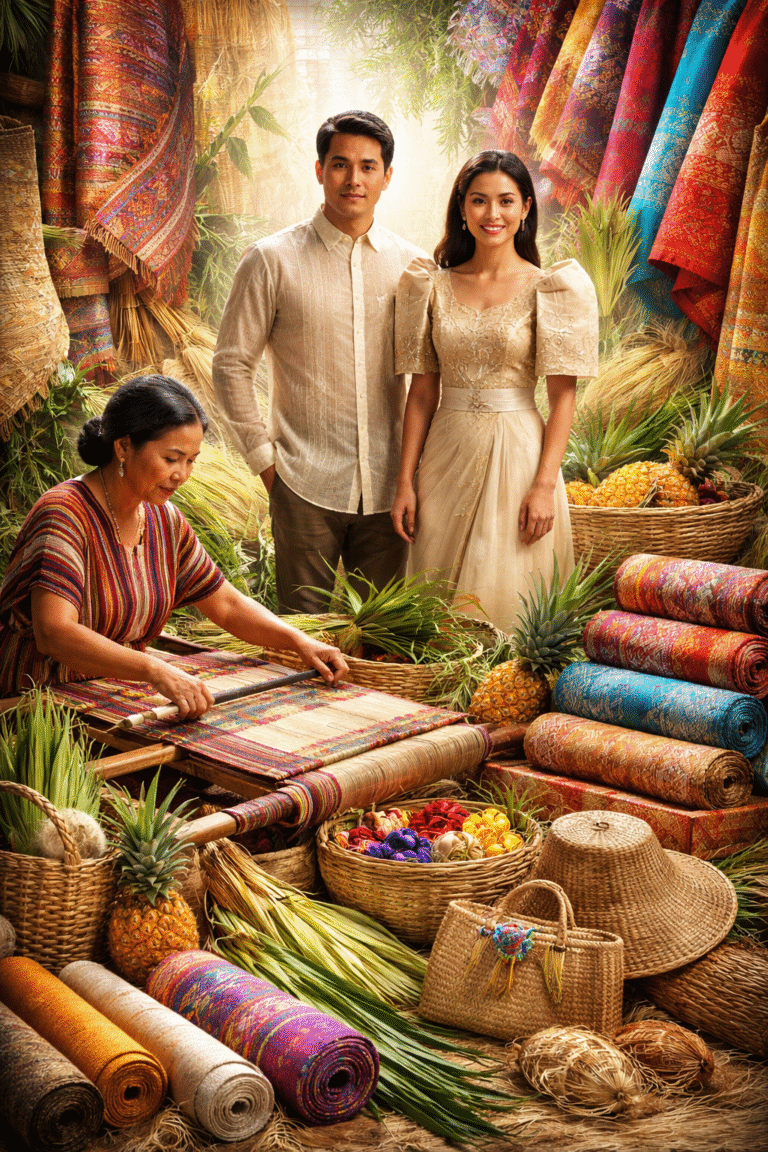
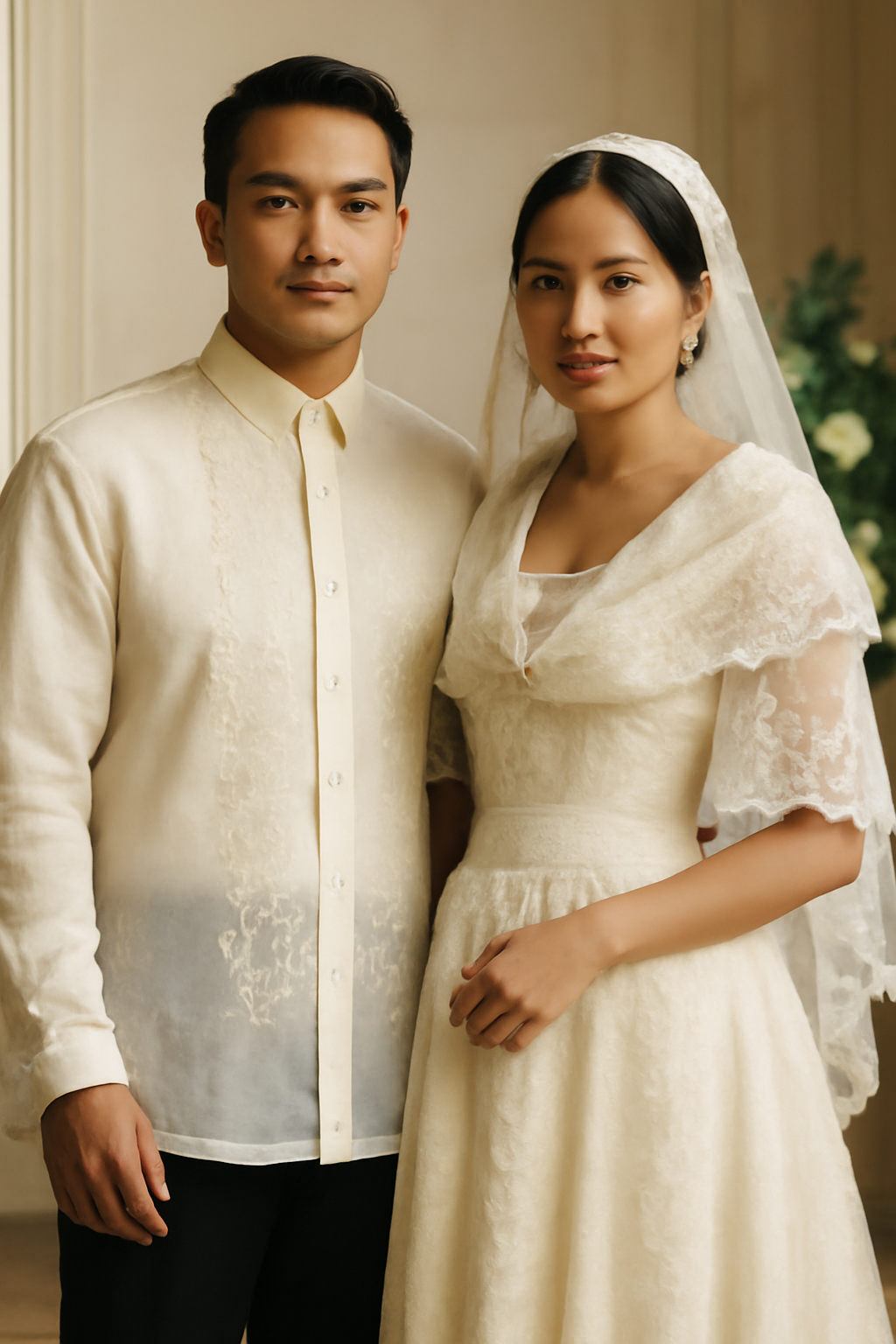
One of the most iconic pieces in Filipino wedding attire is the “Barong Tagalog,” worn by the groom. The Barong is a lightweight, embroidered shirt made from natural fibers such as piña (pineapple fiber), jusi (banana silk), or organza. Its translucent appearance and delicate embroidery symbolize purity and elegance. Traditionally, it is worn untucked and is a formal yet comfortable alternative to Western-style suits. The detailed embroidery often features motifs such as flowers, vines, or even more intricate designs representing the groom’s heritage or family.
For the bride, the “Filipiniana” dress is often the go-to choice, with the most popular style being the “Baro’t Saya” – a combination of a blouse and a long skirt. The Baro’t Saya is steeped in history and was traditionally worn by women in the Philippines during the Spanish colonial period. The dress reflects the Filipino woman’s grace and strength, combining modesty with beauty. The blouse portion is often made from fine fabrics like piña or silk, while the skirt flows down elegantly, creating an ethereal look.
What makes Filipino wedding attire even more special is the use of the “mantilla,” a lace veil traditionally worn by the bride. This veil not only adds to the bridal elegance but also carries religious significance, representing purity and sanctity. Many brides also wear “kamisa,” a long-sleeved, intricately designed top, and “panuelo,” a square cloth that rests over the shoulder, adding a layer of refinement and solemnity to the outfit.
The embroidery and materials used in Filipino wedding clothing are deeply symbolic. The piña fabric, for instance, is considered a national treasure and is a symbol of luxury and class, often reserved for special occasions such as weddings. The threads used to create the intricate designs are carefully handwoven, with each stitch carrying a piece of the country’s history.
The bridal gown’s design can also vary, with some brides choosing to incorporate elements of both Filipino tradition and modern Western styles. For instance, the traditional Baro’t Saya can be fused with a more Western-style ball gown to create a hybrid look that honors both cultures. Other brides may opt for full, floor-length gowns made from luxurious fabrics such as satin or lace, but still include Filipino-inspired details, like hand-embroidered accents or traditional accessories.
The groom’s attire can also reflect personal choice and modern tastes, with many opting for variations of the Barong Tagalog or even a suit or tuxedo adorned with Filipino elements such as hand-embroidered cuffs or a necktie featuring a traditional pattern. This blending of styles allows for a celebration of both Filipino culture and contemporary fashion.
The significance of Filipino wedding attire goes beyond the visual appeal; it represents the unity of families and the country’s rich cultural heritage. The garments are more than a fashion statement – they carry deep symbolism that ties the couple to their roots, their community, and their history. Each thread woven, each stitch made, is a testament to the Filipino people’s dedication to preserving their cultural identity while celebrating love and unity.