









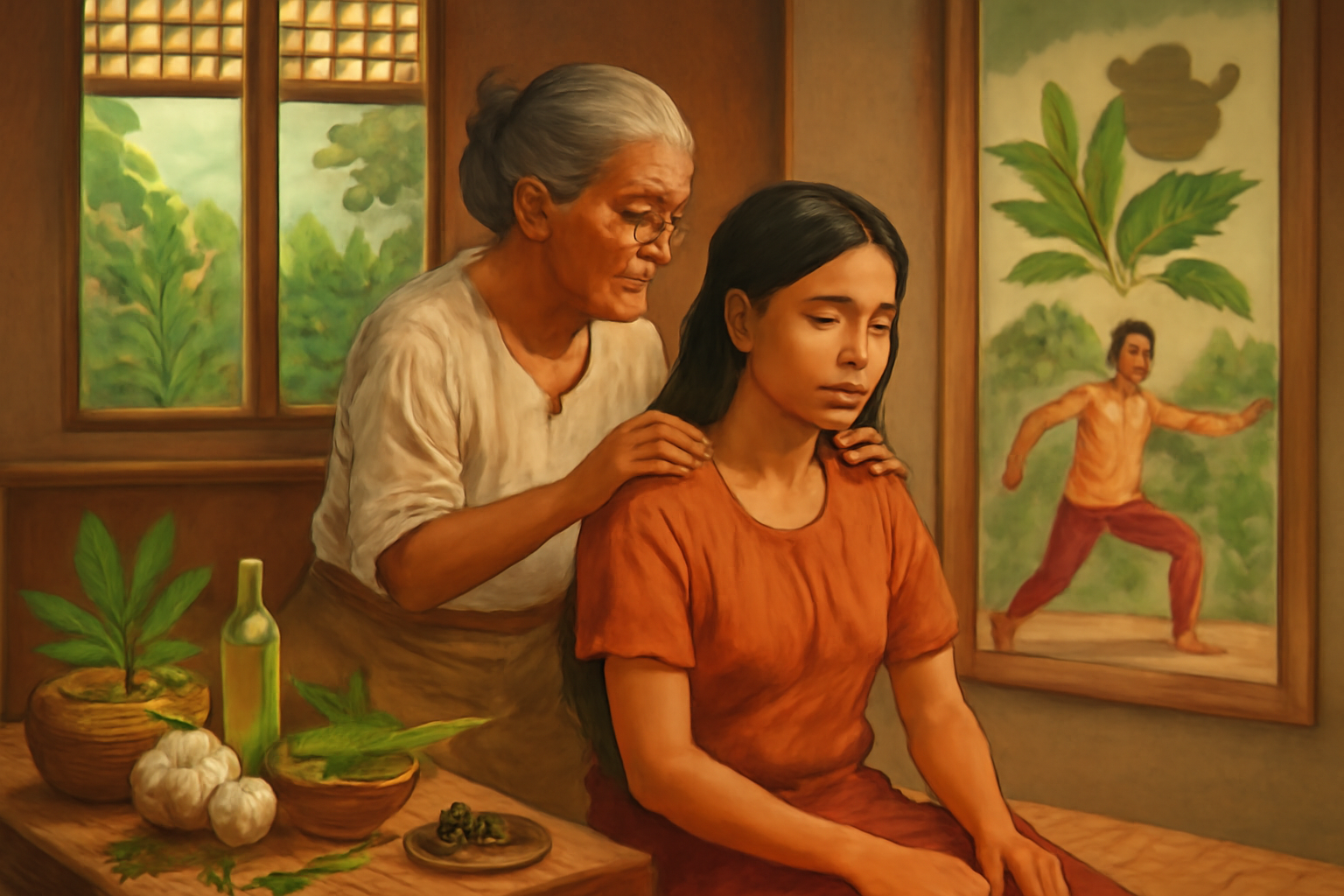
Traditional Filipino medicine, deeply ingrained in the culture and practices of the Philippines, continues to play a significant role in healthcare, especially in rural communities where access to modern medical facilities can be limited. This system of healing is based on an intricate understanding of nature and the human body, often blending herbal remedies with spiritual practices. Over time, Filipino traditional medicine has developed into a comprehensive health system that addresses both the physical and spiritual aspects of well-being.
One of the most prominent aspects of Filipino traditional medicine is the use of local herbs and plants, many of which have been proven to possess medicinal properties. For example, lagundi (Vitex negundo) is frequently used to treat respiratory ailments like coughs and asthma, while sambong (Blumea balsamifera) is known for its diuretic properties and its ability to aid in the treatment of kidney stones and high blood pressure. These herbs are typically prepared as teas, infusions, or poultices, and their therapeutic effects have been validated by modern scientific research in many cases.
Apart from herbal medicine, Filipino traditional healing also involves spiritual practices. Filipino healers, known as albularyos or babaylans, often incorporate rituals, prayers, and energy-balancing techniques to heal individuals. One of the most notable practices is hilot, a traditional form of therapeutic massage that not only focuses on physical relaxation but also aims to restore the body’s balance and remove energy blockages. Through these rituals, practitioners seek to align both the physical and spiritual aspects of health, creating a holistic approach that sets traditional Filipino medicine apart from Western practices.
Preventative health practices are also a cornerstone of Filipino traditional medicine. Maintaining a balanced lifestyle, engaging in physical activities like hataw (exercise), and using natural remedies for regular health maintenance are common practices. By focusing on prevention rather than treatment, Filipino traditional medicine aims to reduce the occurrence of chronic illnesses and enhance long-term health outcomes.
Despite its historical importance, the practice of traditional Filipino medicine faces challenges in the modern age. The rise of Western medicine and the availability of advanced healthcare technologies have led to a decline in the use of traditional practices. However, efforts have been made by the Philippine government to incorporate these traditional healing methods into the formal healthcare system. In 1997, the Philippines passed the Traditional and Alternative Medicine Act, which seeks to recognize and regulate the use of indigenous healing methods while ensuring their safety and efficacy.
In conclusion, traditional Filipino medicine offers a comprehensive and holistic approach to health. Its emphasis on herbal remedies, spiritual practices, and preventive care continues to provide valuable health solutions to many Filipinos, ensuring that this ancient practice remains relevant in today’s healthcare landscape.