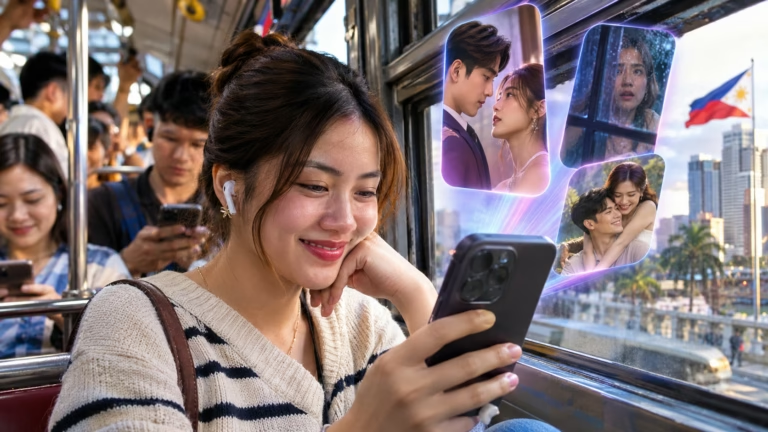

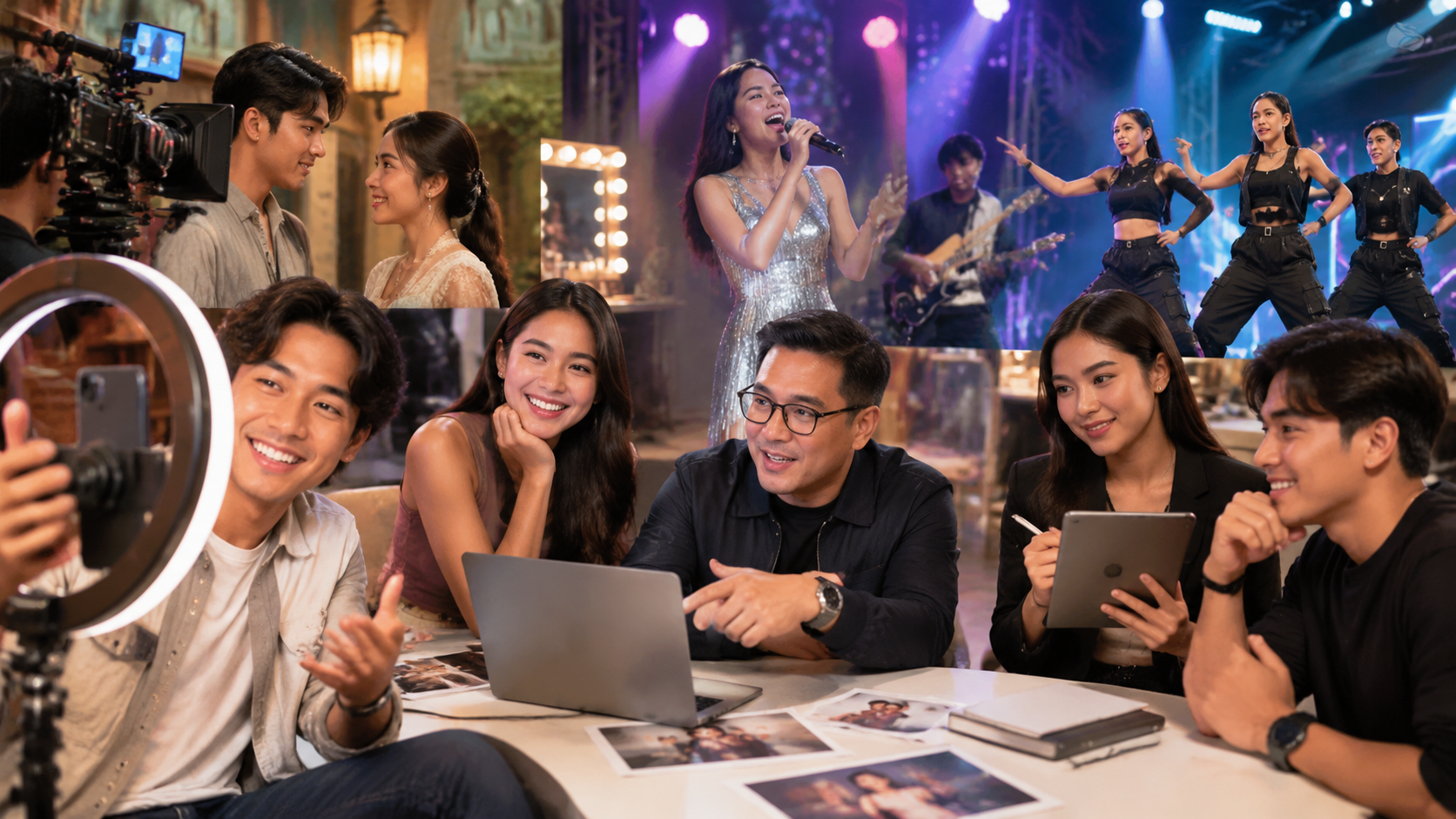
The boundary between “content creator” and “entertainment professional” is dissolving in the Philippines. In 2026, talent managers, agencies, and traditional networks are building formal pathways for digital creators to move into film, television, music, and live performance—not as novelty guests, but as long-term careers. The transition is creating a new talent pipeline and forcing legacy entertainment institutions to rethink what constitutes star power.
Management Goes Mainstream
Talent manager and entrepreneur Mannix Carancho is explicitly working to help digital creators transition into mainstream entertainment. “They’re already very comfortable with TikTok and Facebook,” he told Manila Standard Entertainment. “I also want them to experience how marketing works in mainstream media and how a brand or a belief is built there.” Carancho’s approach—guiding creators from social media visibility toward traditional media career-building—reflects a broader realization that platform fame alone does not automatically produce durable entertainment careers.
The agency layer is responding. Gushcloud International secured 14 exclusive talent deals with creators across the Philippines, Indonesia, and Thailand, including Filipino talents Apple David, Hannah Maxine Cruz, Ylyt Manaig, Jin Ho Bae, and Baus Rufo. The company framed the deals around values alignment and positive influence, but the commercial logic is clear: structured representation gives creators access to brand partnerships and career opportunities that informal management cannot.
Networks and New Talent Models
Traditional networks are also moving. GMA’s Sparkle Artist Center signed content creators Nicole Fortuna and Baninay Bautista alongside actor Kobie Brown in May 2026, integrating digital-native talent into the network’s artist roster. PlayTime Entertainment launched PT IDOLS to develop dance-based creator groups, onboarding 25 active creators with plans to expand to 60.
These moves are not charity. They are talent arbitrage. Creators arrive with built-in audiences and a fluency in platform-native storytelling that legacy talent development often lacks. Networks gain reach and relevance; creators gain infrastructure, training, and access to productions with larger budgets and longer shelf lives.
The Creator as Business Owner
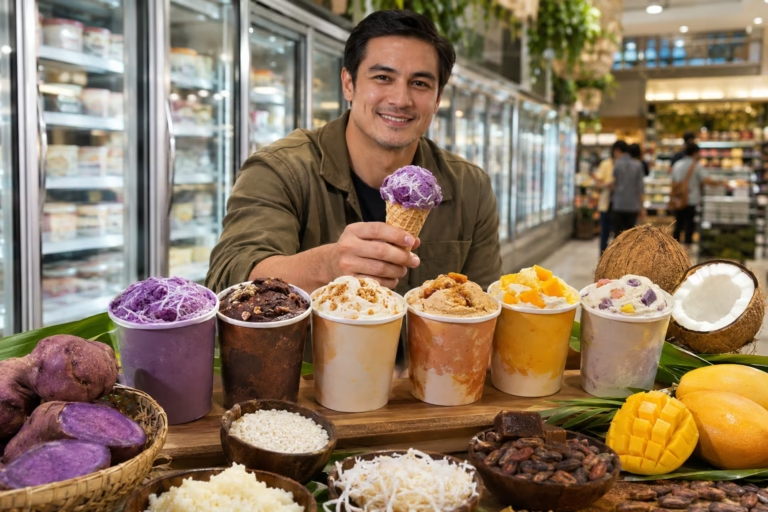
The transition is not only about signing with an agency or network. Some creators are building their own entertainment businesses. Abi Marquez, known as the “Lumpia Queen,” turned a failed marshmallow-lumpia experiment into a global brand, built a sustainable creator business, and collaborated with Gordon Ramsay—while emphasizing the importance of protecting what made her famous rather than chasing views. Her story illustrates a crucial lesson for creators crossing into mainstream entertainment: ownership of a distinctive identity is more valuable than temporary virality.
The Philippine creative economy employed 8.71 million people in 2025, nearly 18% of the workforce, and the country’s creators are increasingly positioned not as peripheral content suppliers but as core entertainment assets. The talent transition of 2026 is therefore not a one-way assimilation into old media. It is a renegotiation of who gets to build entertainment careers—and on what terms.