









The Philippines, like many countries, has faced various public health challenges in recent years, with the COVID-19 pandemic being the most recent and significant threat. The government has been proactive in addressing these health issues, primarily through vaccination programs aimed at boosting immunity among its citizens. Vaccination not only serves to protect individuals but also contributes to the broader public health by reducing the spread of contagious diseases.
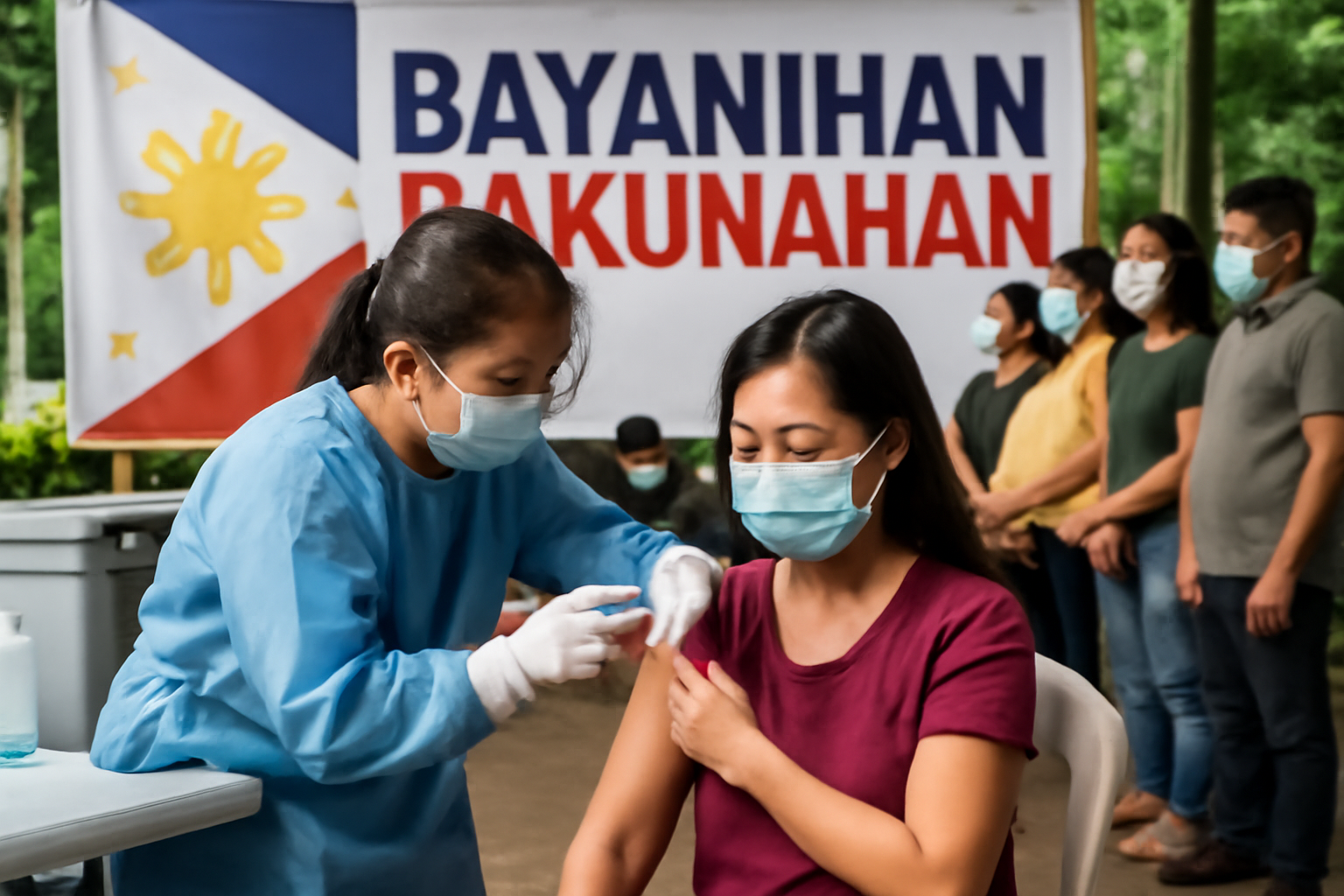
To ensure widespread vaccination, the Philippine government launched the “Bayanihan, Bakunahan” program, an initiative designed to vaccinate millions of Filipinos in the shortest possible time. The program’s name, “Bayanihan,” reflects the Filipino value of working together for the greater good. The vaccination efforts were targeted at both urban and rural areas, with a special focus on underserved communities.
The government implemented a multi-pronged approach to vaccination. This included the establishment of vaccination sites in public areas such as schools, malls, and local government offices. Additionally, mobile vaccination teams were deployed to reach more remote and far-flung regions. Through these efforts, the government aimed to make vaccines more accessible and convenient for all Filipinos, including those in rural and hard-to-reach areas.
Despite initial vaccine hesitancy, the government’s campaign saw a significant increase in public trust. With the assistance of local government units (LGUs) and community leaders, the program was able to address misinformation about vaccines, emphasizing the safety and efficacy of the vaccines. Public health campaigns, including media advertisements and community dialogues, helped reassure the population and encouraged more people to get vaccinated.
The Philippines also collaborated with global organizations like the World Health Organization (WHO) and the COVAX initiative to secure vaccine supplies. This partnership allowed the country to procure millions of doses of vaccines, which were distributed across the nation. The government worked closely with these organizations to ensure that vaccines met international standards for safety and quality.
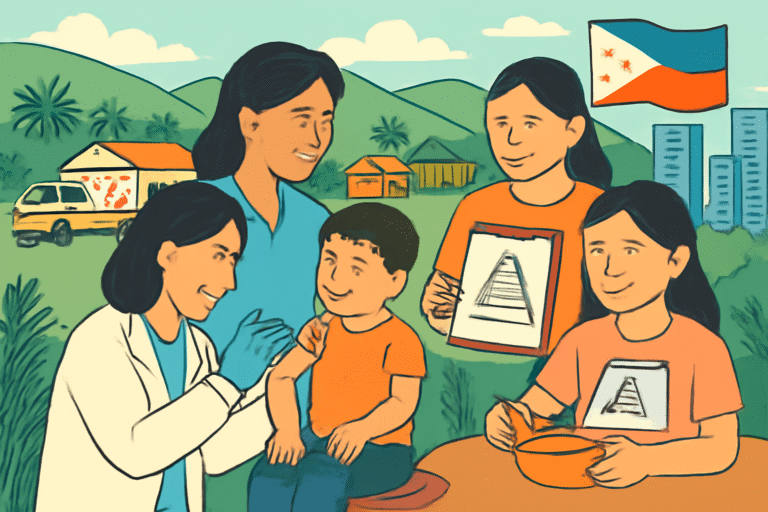
In addition to COVID-19 vaccination, the Philippine government has continued its routine immunization programs for diseases such as measles, polio, and tuberculosis. Efforts to maintain high immunization rates for these diseases remain critical to avoiding outbreaks. The Department of Health (DOH) has also ramped up public awareness campaigns to remind parents of the importance of regular childhood immunizations, particularly in light of the disruptions caused by the pandemic.
The Philippine government’s vaccination efforts have been a significant part of its strategy to improve national health and immunity. As vaccination coverage increases, the country moves closer to achieving herd immunity, which will not only reduce the burden of disease but also support the country’s economic recovery.