
In Filipino culture, rice is much more than a mere source of sustenance. It is a symbol of tradition, community, and identity, woven into the fabric of Filipino cooking. From simple meals to grand celebrations, rice is a central component in the Filipino kitchen. Its versatility and significance go beyond its role as a carbohydrate source, playing a key part in shaping the flavor, culture, and economy of the Philippines.
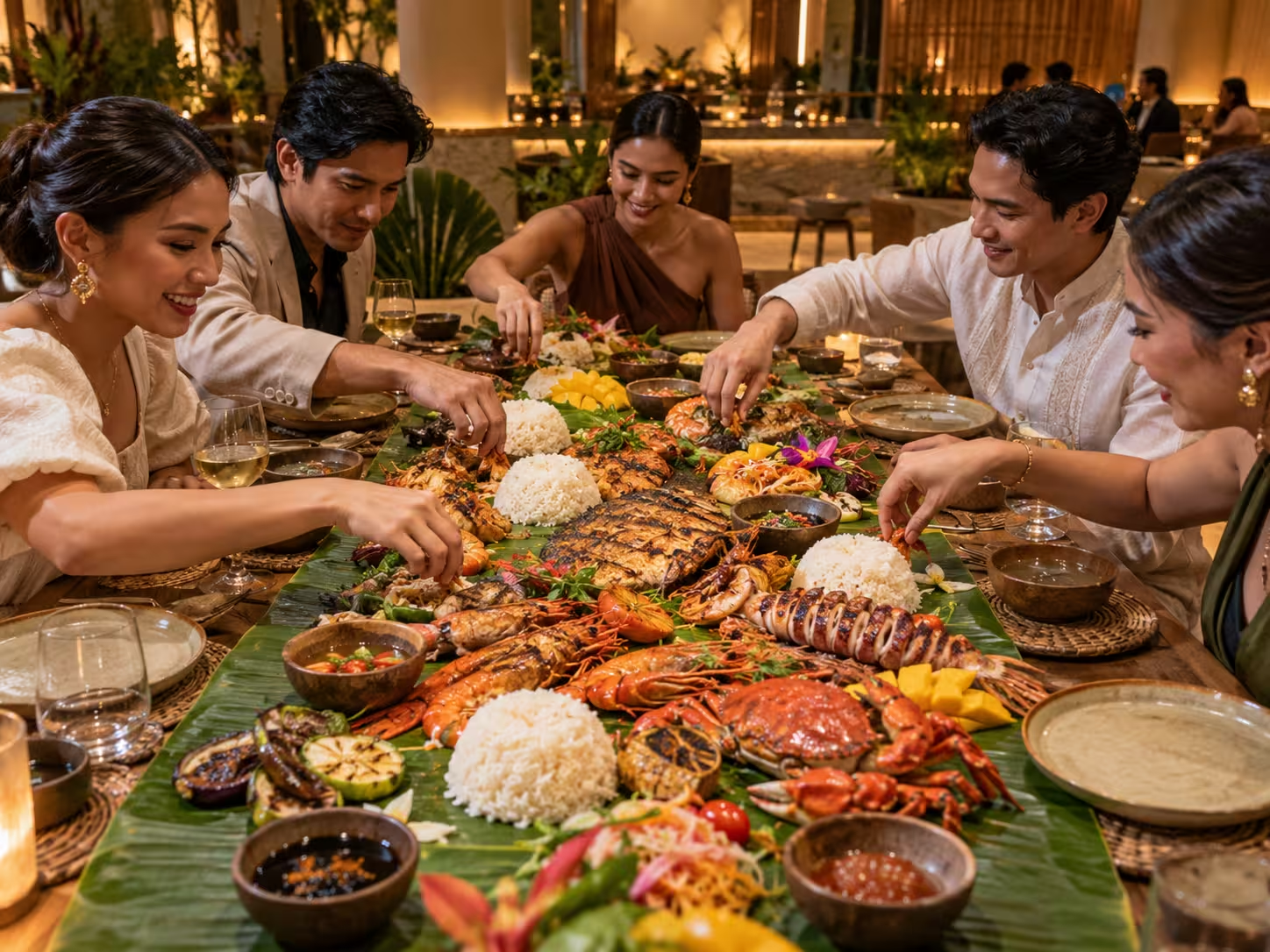
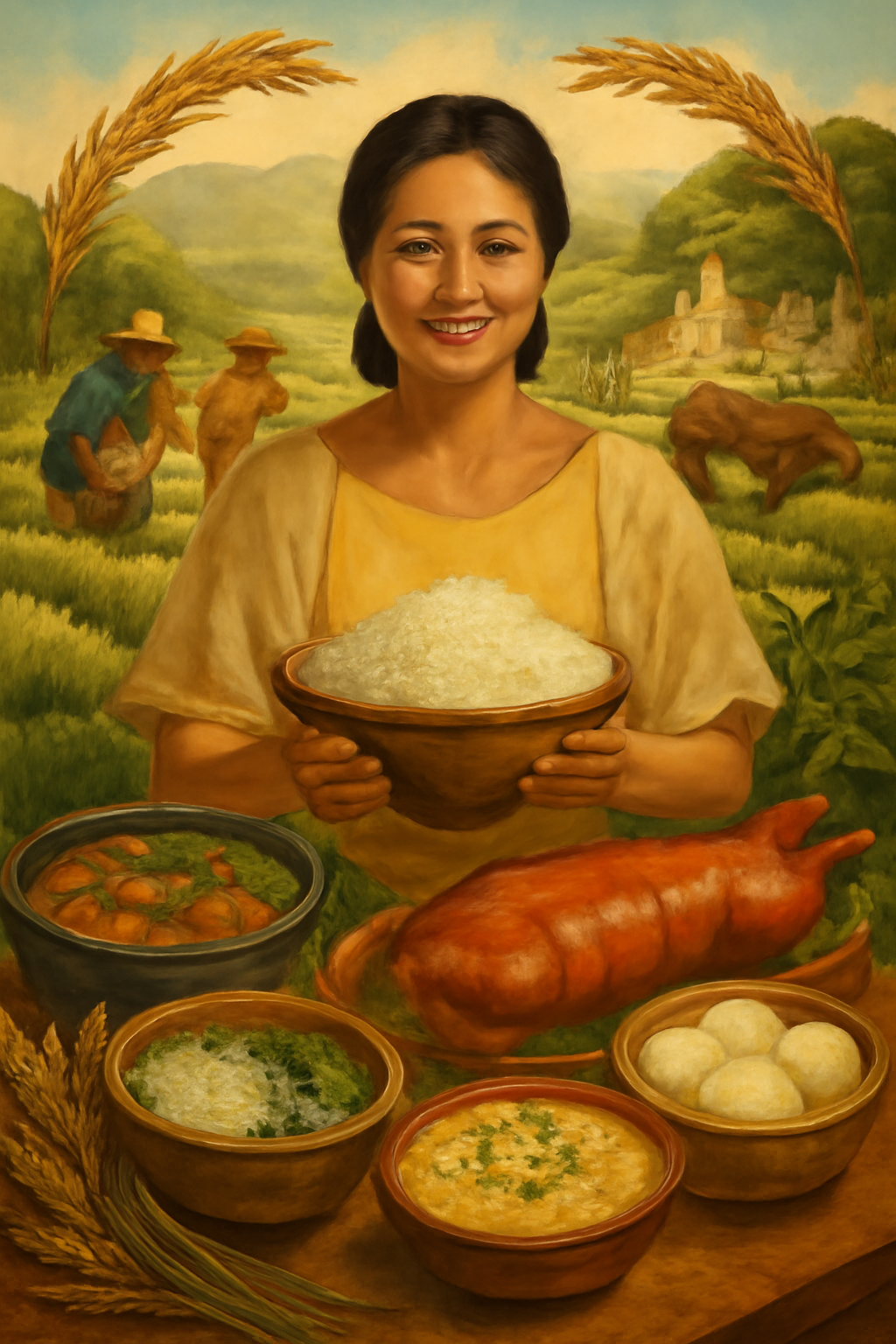
Rice is a staple in every Filipino household, consumed in large quantities across all meals. It forms the base of nearly every dish, whether it’s served alongside savory stews, grilled meats, or seafood. The mild flavor of rice makes it an ideal partner for bold, tangy, or spicy Filipino dishes. Whether you’re having kare-kare (oxtail stew) or lechon (roast pig), rice is the constant companion that balances out the rich flavors of these meals.
The cultural importance of rice cannot be overstated. It is considered sacred in Filipino society, representing life, fertility, and abundance. Rice is integral to many ceremonies, such as weddings and religious observances, where it is often given as an offering to ensure prosperity. The harvest season is a time of celebration, with festivals dedicated to honoring the rice farmers who contribute to the nation’s food security.
In Filipino cooking, rice is far from one-dimensional. While steamed rice is the most common preparation, it is also featured in various regional dishes that showcase the diversity of Filipino cuisine. Arroz caldo, a comforting rice porridge, and puto, a steamed rice cake, are just a few examples of the myriad ways rice is enjoyed. Rice can be sweet or savory, transformed into intricate delicacies or simple meals, depending on the occasion and region.
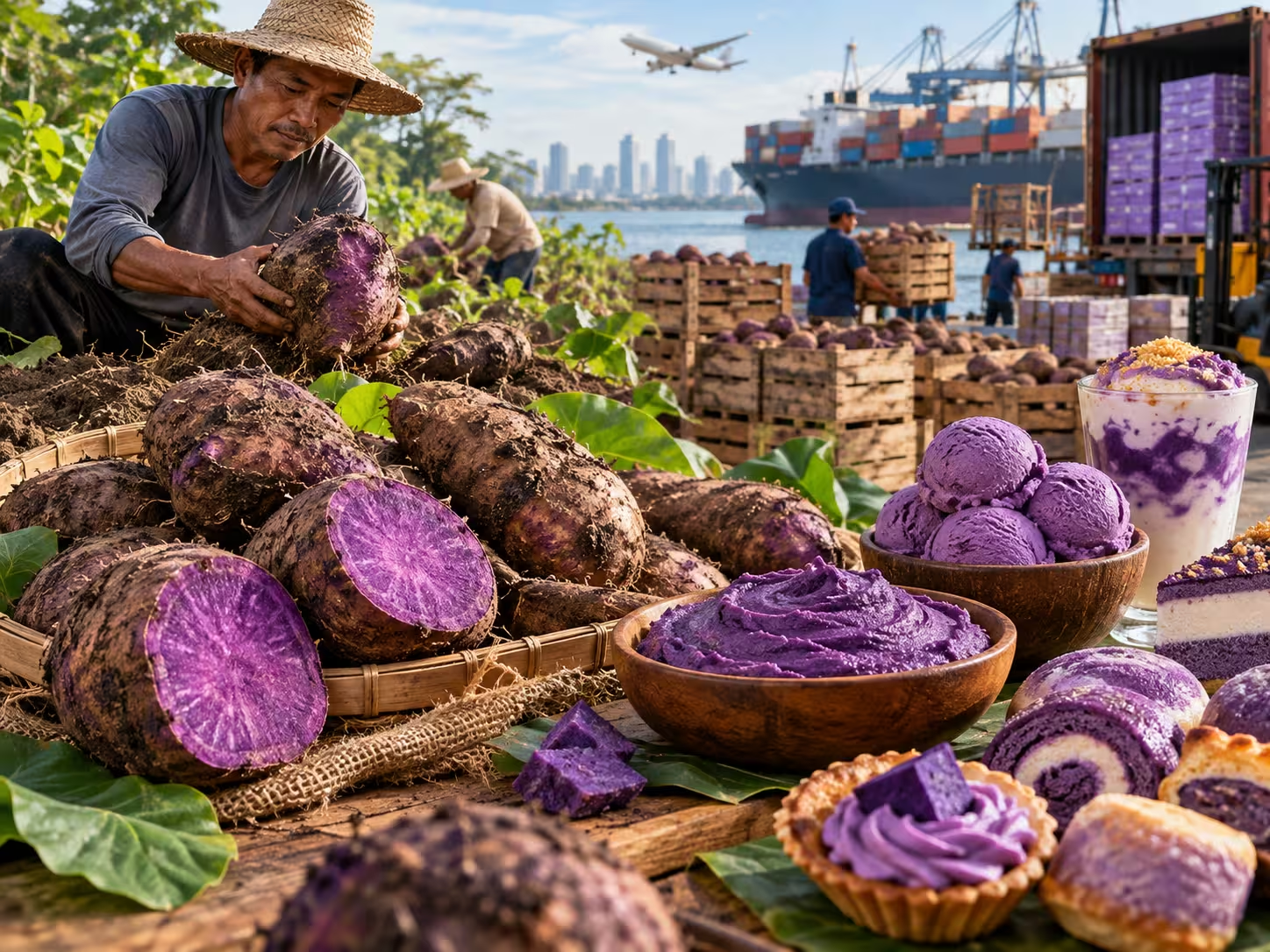
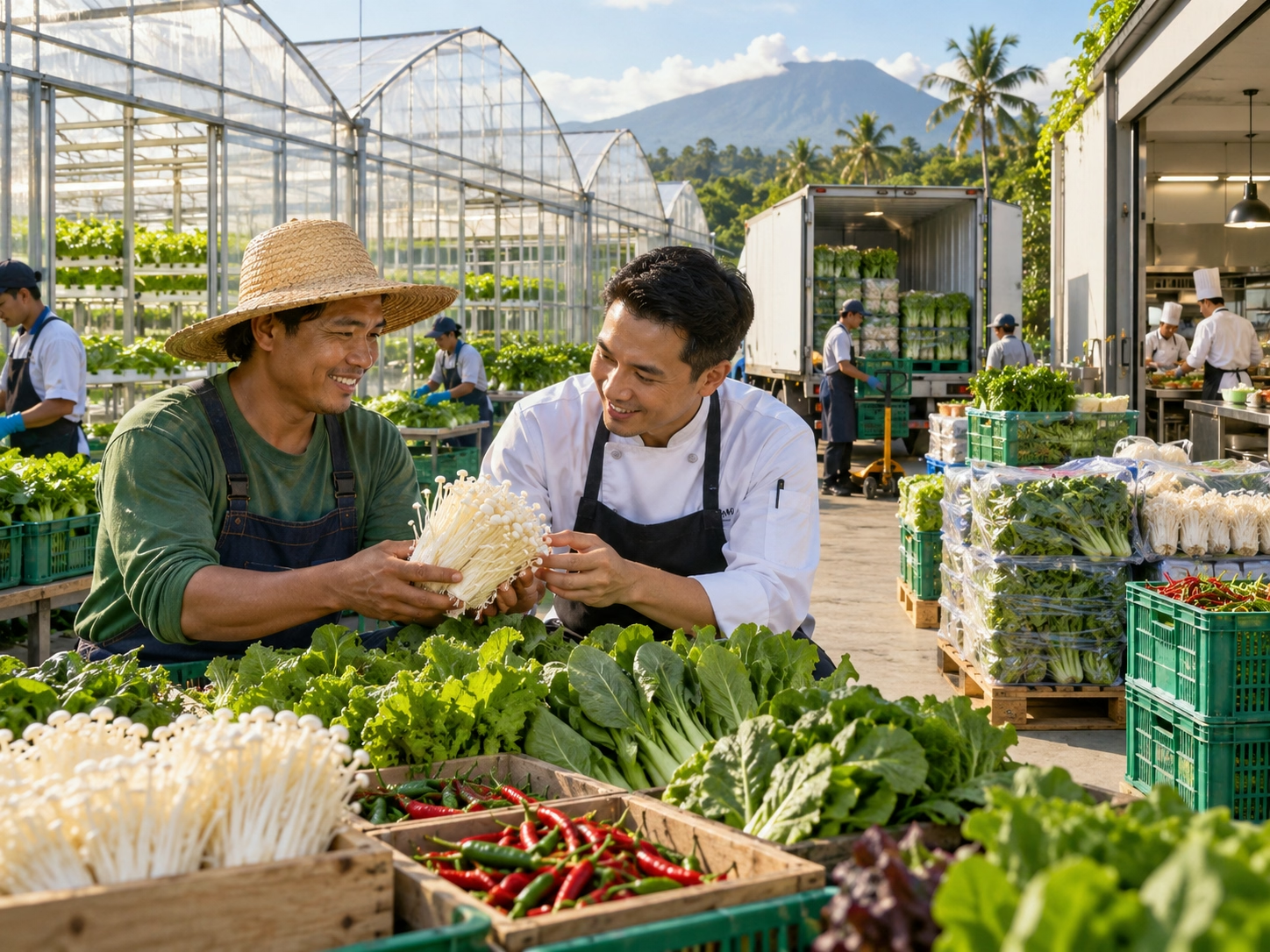
Rice farming plays an essential role in the Philippine economy, especially in rural communities where it is a primary livelihood. Rice is not only a vital source of food for millions of Filipinos but also a cornerstone of the agricultural economy. As one of the largest rice producers in Southeast Asia, the Philippines continues to emphasize the importance of sustainable rice production and distribution.
Finally, rice is a symbol of Filipino hospitality. Offering rice to guests is an act of generosity and warmth, reflecting the Filipino value of pakikisama (togetherness) and a strong sense of community. In Filipino culture, no meal is complete without rice, and sharing it with others is a way of expressing respect and appreciation.