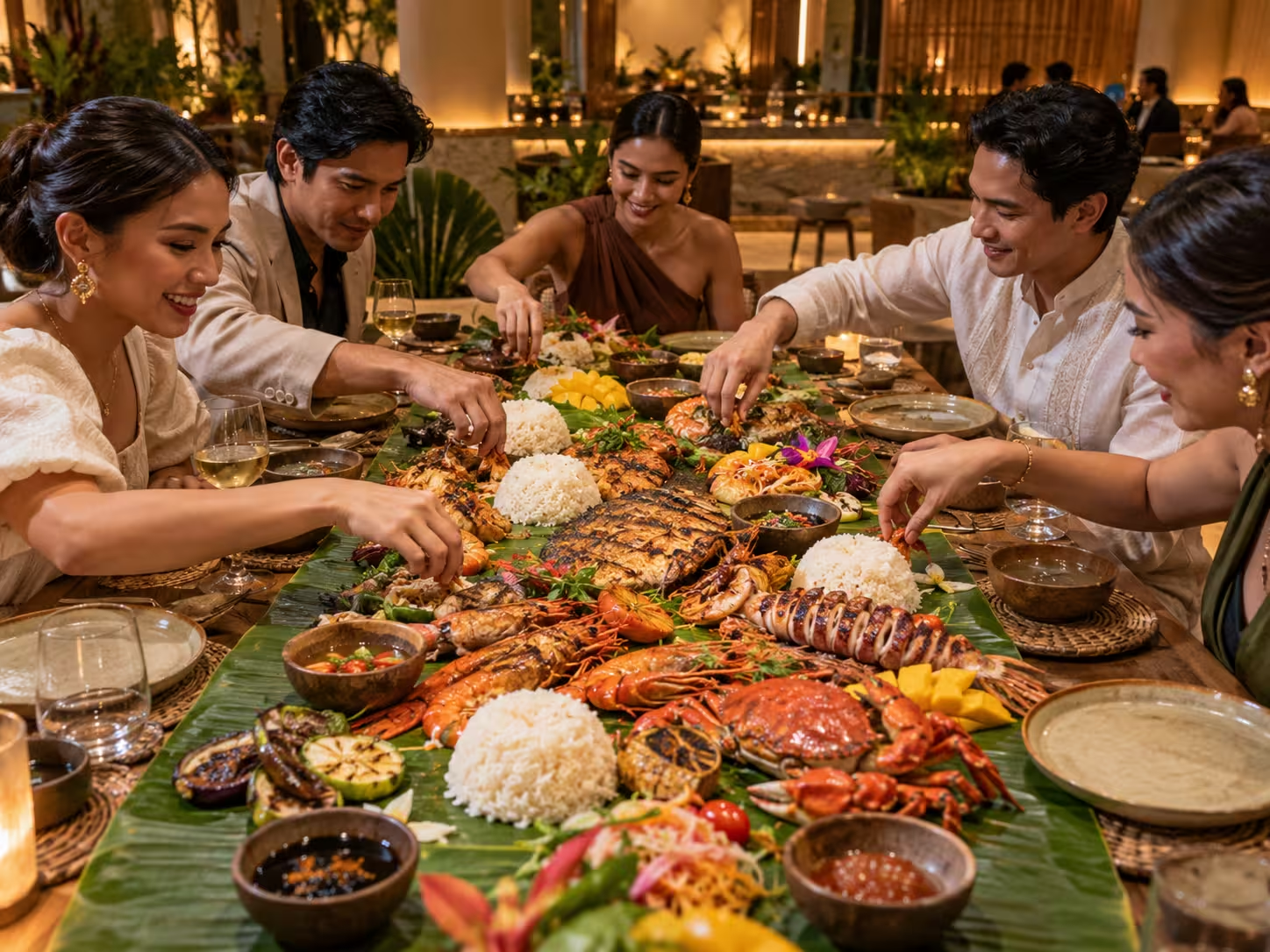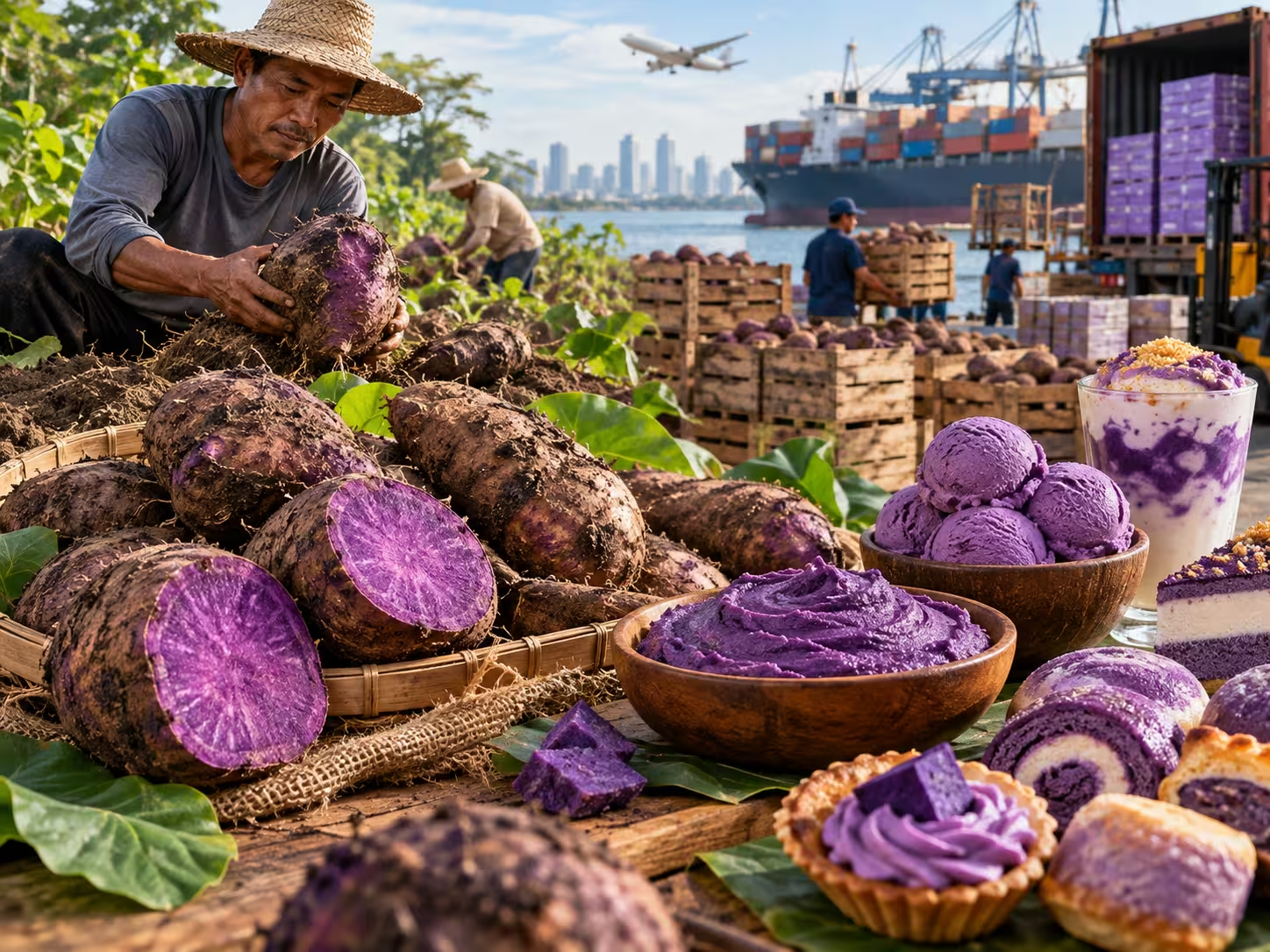
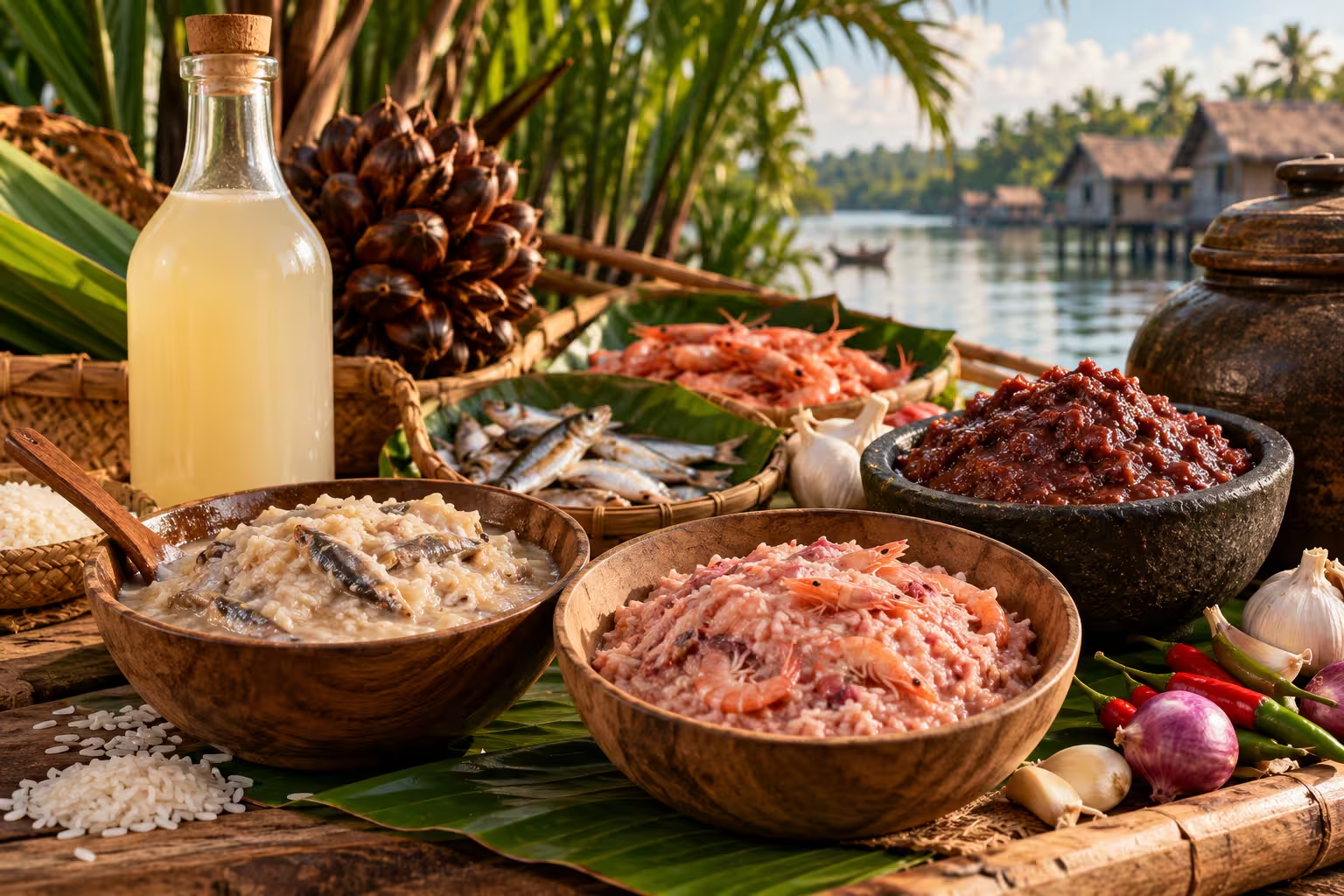
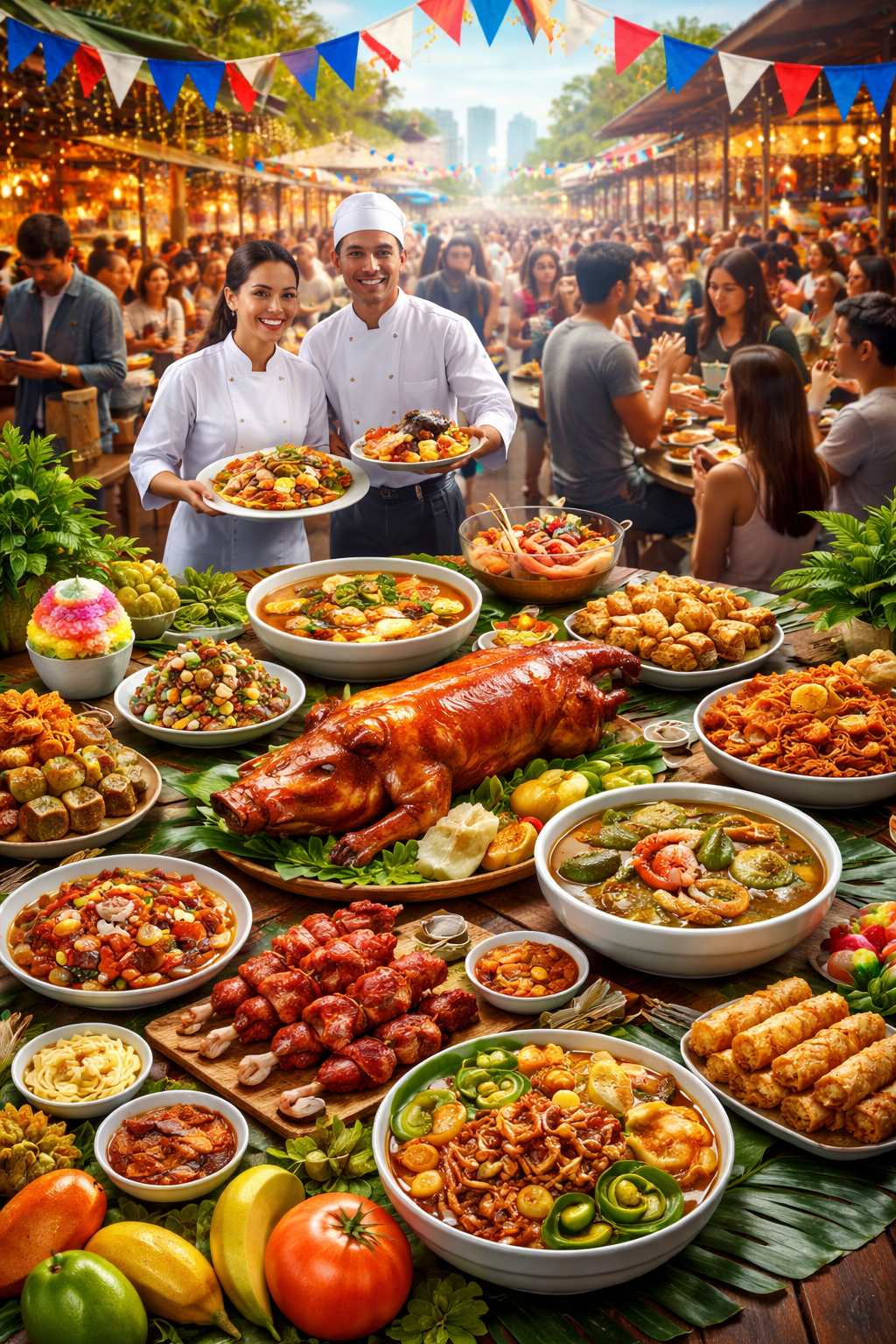
In recent years, Filipino cuisine has been enjoying a remarkable surge in international recognition. While it was once considered a lesser-known culinary tradition compared to the famous cuisines of Thailand, China, and Vietnam, Filipino food is now finding its place in kitchens, restaurants, and food festivals worldwide. This growing popularity can be attributed to a combination of distinctive flavors, cultural influences, and the tireless efforts of Filipino chefs and food advocates.
One of the most appealing aspects of Filipino cuisine is its extraordinary diversity of flavors. Filipino dishes often blend a variety of tastes, including savory, sour, sweet, and salty, within a single meal. This unique flavor profile makes Filipino food stand out from other Southeast Asian cuisines. For example, adobo, a marinated stew made with meat, soy sauce, and vinegar, offers a rich balance of salty and tangy flavors, while sinigang, a sour soup made with tamarind, provides a refreshing and bold contrast. These intricate combinations have intrigued international food enthusiasts and opened their palates to new culinary experiences.
The increasing visibility of Filipino chefs on the world stage has also played a significant role in Filipino cuisine’s rise to prominence. Renowned chefs such as Margarita Fores and Claude Tayag have showcased their skills internationally, both elevating Filipino food to high-end dining experiences and introducing new twists to traditional recipes. Their work has not only expanded the appeal of Filipino food but also brought attention to its cultural and historical significance. Through their efforts, Filipino chefs have become ambassadors of their country’s food culture, sharing their knowledge and expertise with global audiences.
In addition to the influence of chefs, the expansion of Filipino restaurants around the world has made Filipino food more accessible to a wider audience. In major cities like New York, Los Angeles, and London, Filipino restaurants have grown in number and popularity, offering dishes that range from humble street food like balut to more elaborate meals like lechon. These eateries have attracted a diverse clientele, allowing people from all backgrounds to explore the tastes and traditions of the Philippines. Many of these restaurants are even winning awards and critical acclaim, further solidifying Filipino cuisine’s reputation on the global food scene.
Social media has also played a pivotal role in promoting Filipino cuisine worldwide. Instagram, YouTube, and food blogs have enabled Filipino chefs and food enthusiasts to share recipes, cooking tips, and food experiences with a global audience. Stunning photos and videos of Filipino dishes—bursting with vibrant colors and artistic presentations—have gone viral, drawing attention to the cuisine from food lovers around the world. This digital movement has allowed Filipino cuisine to transcend geographic boundaries and capture the imagination of people who may not have encountered it otherwise.
Filipino food is also gaining recognition for its rich cultural heritage. Many Filipino dishes are steeped in centuries of history, shaped by indigenous traditions as well as the influences of Spanish, Chinese, and American colonialism. These cultural layers contribute to the complexity and diversity of Filipino cooking, offering diners a taste of the Philippines’ storied past. Dishes such as bicol express, a spicy coconut milk-based dish, or kare-kare, a savory peanut stew, highlight the Philippines’ ability to combine a wide variety of ingredients and techniques from different cultures.
As more people around the world discover Filipino cuisine, its international reputation continues to grow. The combination of bold flavors, rich history, and increasing visibility through social media and restaurants ensures that Filipino food will continue to thrive and evolve on the global culinary stage. With its diverse offerings and cultural depth, Filipino cuisine is poised to become a mainstay in the global food movement.