
The digital transformation of healthcare services in the Philippines is underway, with telemedicine and mobile health applications leading the charge in reshaping the way healthcare is delivered. These digital health services have emerged as a lifeline, particularly for Filipinos in remote areas who often face challenges in accessing traditional healthcare facilities. The increasing availability and adoption of these services are opening up new possibilities for improving healthcare accessibility and outcomes across the country.
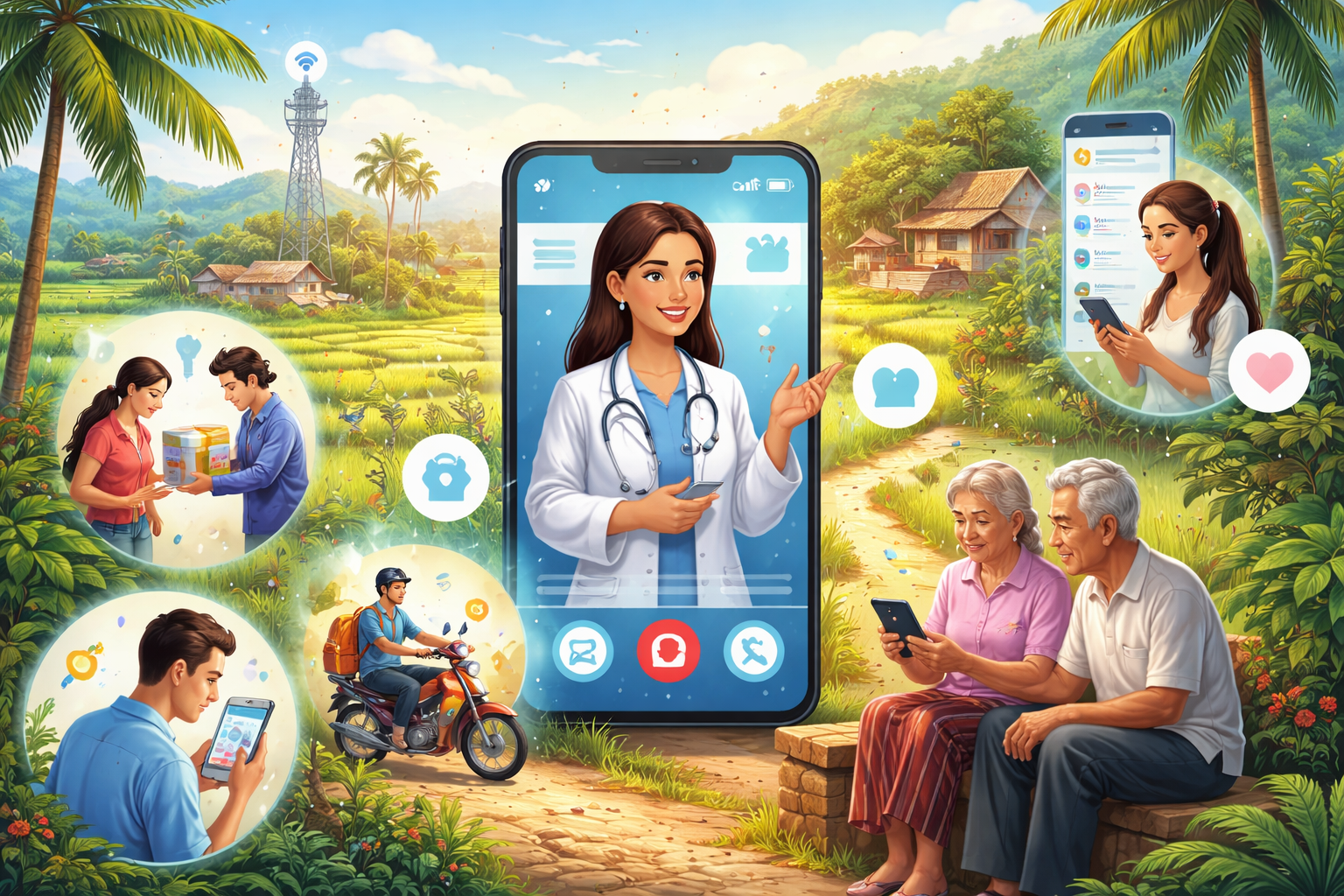
Telemedicine, which allows for remote consultations between patients and healthcare providers, has proven to be particularly beneficial in a country like the Philippines, where geographical barriers often limit access to healthcare. With the country’s scattered islands and varying levels of healthcare infrastructure, telemedicine has bridged the gap by enabling patients to consult with doctors from their homes. This eliminates the need for time-consuming and expensive travel to healthcare facilities, making healthcare more accessible, particularly for people living in rural or underserved areas.
Telemedicine platforms in the Philippines offer a range of services, including virtual consultations, diagnostic services, and even follow-up care. One example is “MediXpress,” which allows users to connect with licensed doctors via video calls or chat. This service is particularly important in times of health emergencies or during the pandemic, where visiting healthcare facilities can be risky. Through telemedicine, patients can receive medical advice, prescriptions, and referrals to specialists without leaving their homes.
In addition to telemedicine, mobile health applications have become essential tools for Filipinos to monitor and manage their health. Health apps provide users with the tools they need to track their fitness, monitor chronic conditions, and access health information at any time. Popular apps like “Mediko” and “Call a Doctor” enable users to schedule appointments, track medications, and even receive professional medical consultations online.
Health apps are also playing an important role in managing chronic diseases like diabetes, hypertension, and asthma. These apps provide users with reminders for medication, help track symptoms, and offer personalized advice to manage their conditions more effectively. For individuals with chronic health conditions, these apps can make a significant difference in ensuring regular treatment and improving long-term health outcomes.
Despite the many benefits of digital health services, there are still challenges that need to be addressed. Limited internet connectivity, especially in rural areas, remains a barrier to widespread adoption. Furthermore, not all individuals are digitally literate, which may hinder their ability to use these services effectively. However, with the Philippine government’s continued investment in digital infrastructure and public awareness campaigns, the accessibility of telemedicine and health apps will likely continue to improve.
By fostering a collaborative approach between government agencies, private companies, and healthcare providers, the Philippines can continue to advance its digital health landscape, improving the quality and accessibility of healthcare for all citizens, regardless of their location.