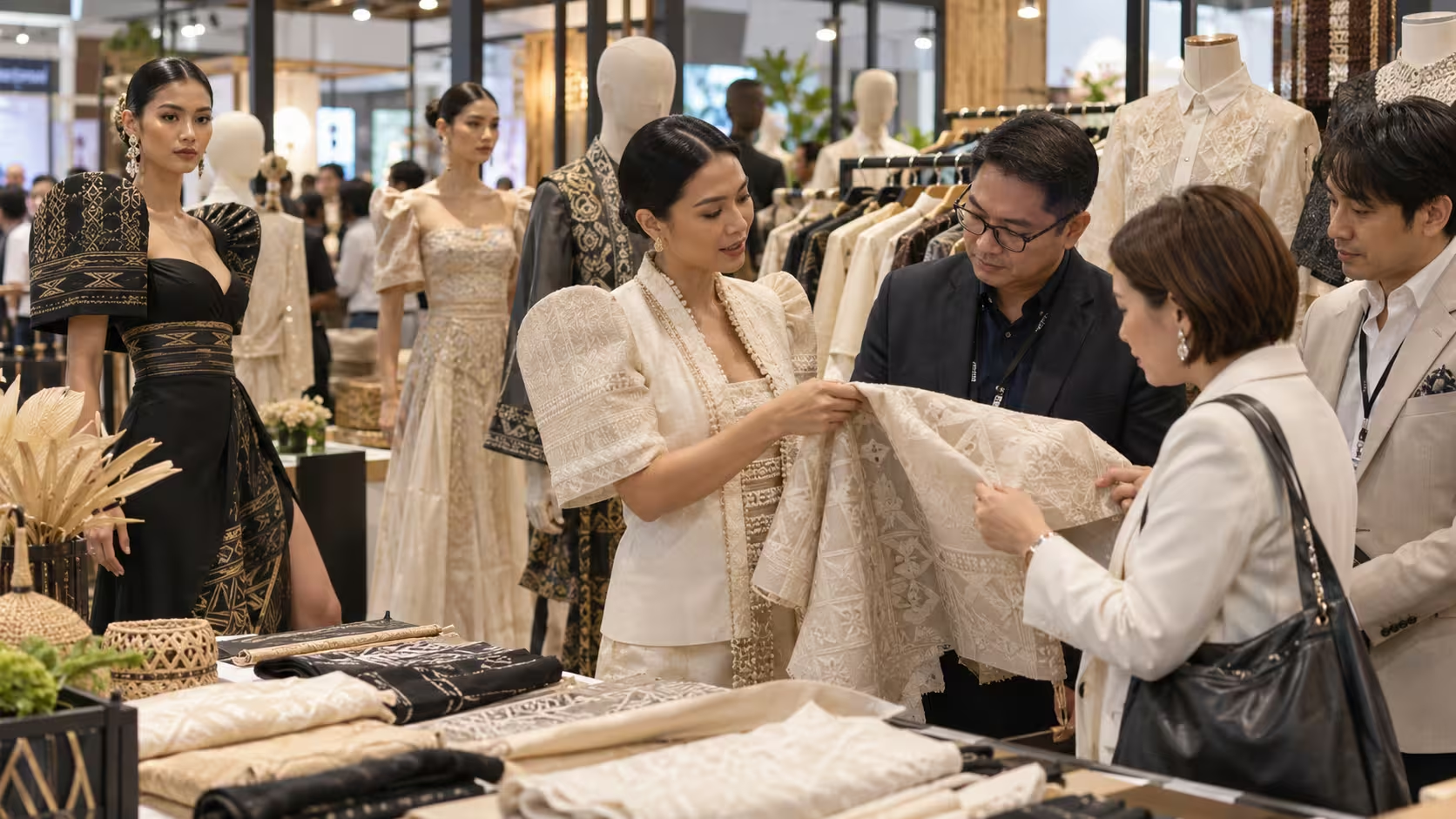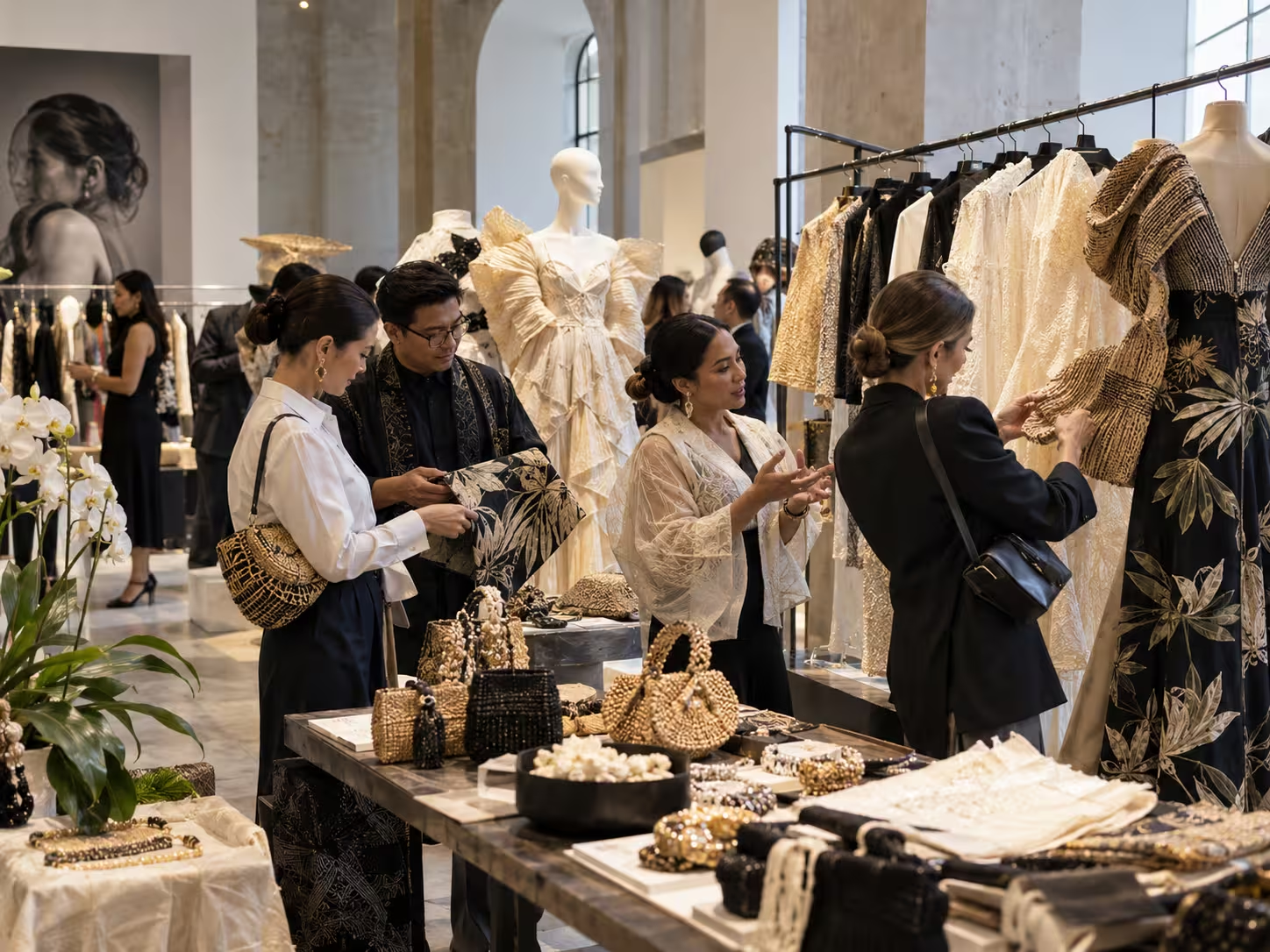
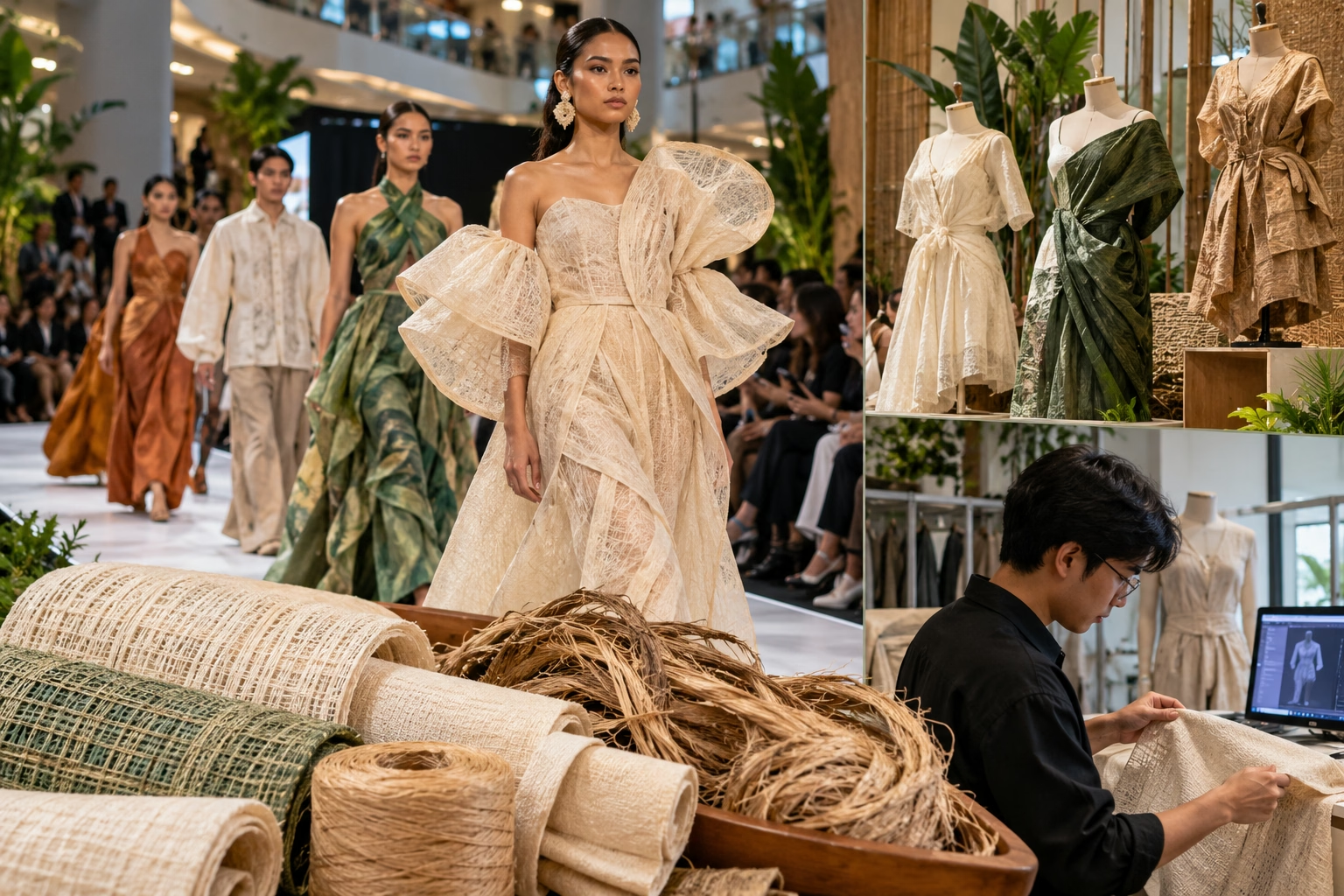
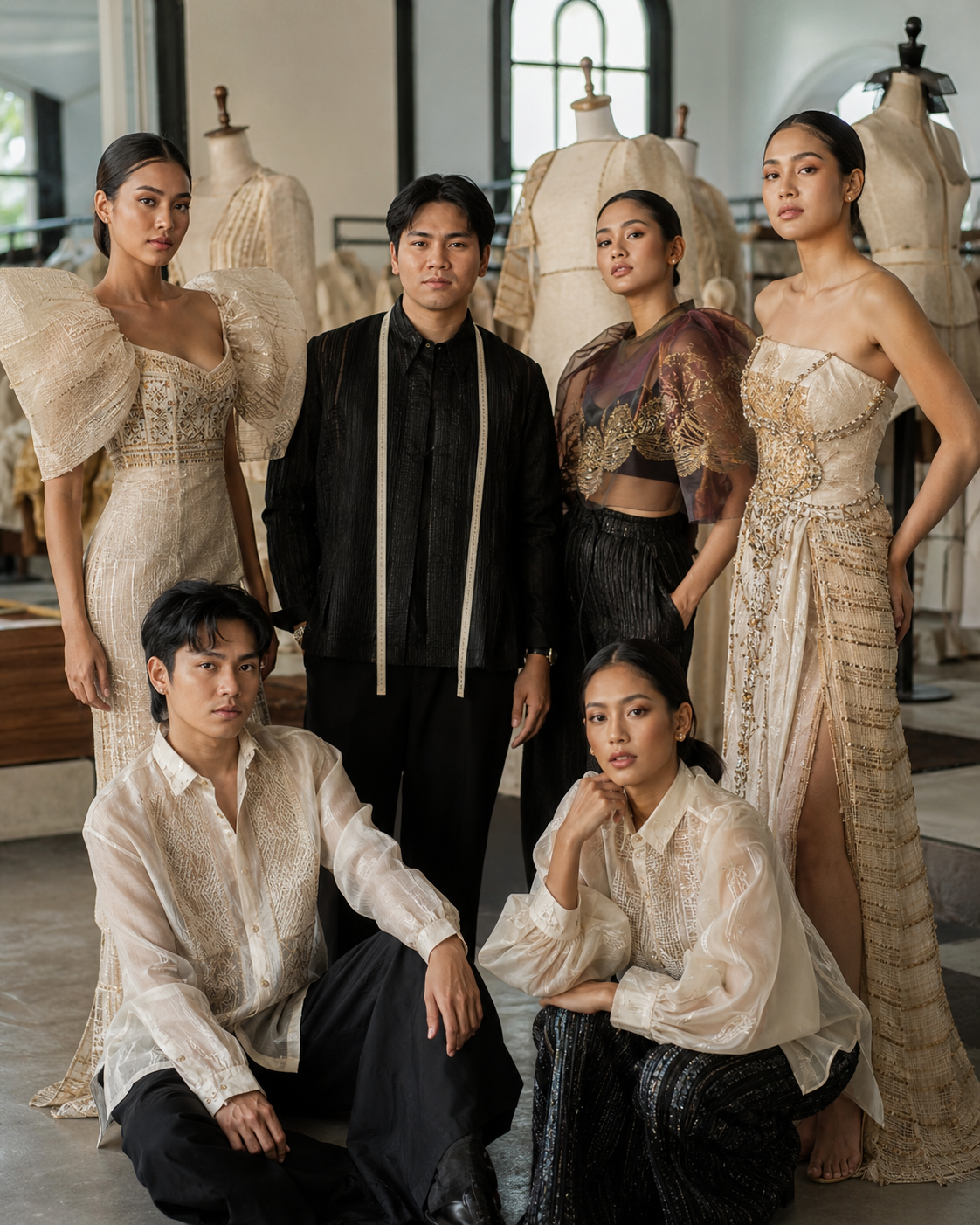
Young Filipino designers are becoming increasingly visible in the fashion world because they offer something that feels both culturally grounded and globally relevant. Their work is not only about beautiful clothes. It often reflects identity, climate, craftsmanship, sustainability, and the everyday realities of dressing in a tropical country with a rich creative history.
For readers who follow fashion casually, Filipino design may still be associated with pageant gowns, bridalwear, or formal Filipiniana silhouettes. Those categories remain important, but the new generation is expanding the conversation. Today’s emerging Filipino creatives are working across streetwear, resortwear, accessories, contemporary tailoring, upcycled garments, textile-based design, and gender-fluid silhouettes.
This matters because the global fashion world is searching for fresh perspectives. Consumers are more interested in brands with a story, a sense of place, and responsible production values. In that environment, young Filipino designers have a strong advantage: they can combine local heritage with modern design language in ways that feel distinctive, wearable, and emotionally resonant.
Why Young Filipino Designers Are Gaining Global Attention
One reason young Filipino designers are attracting attention is the growing number of platforms connecting them to international audiences. Programs such as FASHIONPhilippines Milan have helped Filipino designers enter conversations beyond Manila by introducing them to mentors, buyers, fashion professionals, and global showcases. The 2025 Milan mentorship program featured designers and brands such as Adam Pereyra, Bagasáo, Calli, Carl Jan Cruz, Ched Studio, Idyllic Summers, Lorico, Renz Reyes, Tagpi, Bitagcol, and Vania Romoff.
This kind of international exposure matters because fashion talent rarely grows through creativity alone. Designers need access to buyers, editors, stylists, production partners, mentors, and retail networks. A strong collection may earn attention, but a sustainable brand needs structure. That is why mentorship programs and trade exhibitions are important for young Filipino designers who want to compete in the wider fashion world.
Another important platform is the Bench Design Awards, which has helped introduce emerging Filipino designers to broader audiences. In 2025, designers Steph Verano, Peach Garde, and Karl Nadales were recognized as winners and later presented at Rakuten Fashion Week Tokyo S/S 2026. This is significant because Tokyo is one of Asia’s most respected fashion capitals, and showing there gives young designers a chance to position Filipino creativity within a regional and international context.
The comeback of Manila Fashion Week also adds momentum. A stronger local fashion calendar gives designers a home platform before they expand abroad. Manila Fashion Week 2025, for example, returned with a renewed vision to champion Filipino style and put local fashion on the global map. For designers, a credible local stage is not secondary. It becomes a testing ground for storytelling, press visibility, audience response, and brand identity before international expansion.
Filipino Designers and Labels to Watch Closely
The phrase “young Filipino designers” should not be understood only as designers fresh out of fashion school. In a practical fashion-industry sense, it can also refer to next-generation voices: designers building contemporary labels, shaping new consumer tastes, and representing Filipino fashion in a more global language.
One name to watch is Carl Jan Cruz, whose work often reflects everyday Filipino dressing, relaxed structure, and a thoughtful approach to clothes that feel lived-in rather than overly theatrical. His relevance comes from understanding climate, movement, and the way people actually wear clothes. This is important because the global fashion world is increasingly interested in garments that are intelligent, versatile, and connected to real life.
Joseph Bagasao of Bagasáo is another designer worth following. His design language often leans toward quiet strength, refined silhouettes, and modern minimalism. In a market where many brands compete through loud visuals, Bagasáo shows how Filipino design can also speak through restraint, precision, and subtle sensuality. This gives the label potential in international retail environments where buyers look for pieces that feel elevated but not overly complicated.
Christian Edward Dalogaog of Ched Studio represents a more contemporary and experimental side of Filipino fashion. Labels like Ched Studio are important because they help shift the perception that Philippine fashion is limited to gowns or formal occasionwear. They show that Filipino designers can participate in global streetwear, conceptual design, and youth-driven fashion conversations.
Renz Reyes is also part of the new design conversation. His work is often associated with structure, craft, and a clear design point of view. Designers like Reyes matter because they can bridge the gap between couture-level detail and modern fashion relevance. This balance is especially important for Filipino designers, who often inherit strong craft traditions but must translate them into pieces that fit contemporary wardrobes.
Among the Bench Design Awards 2025 winners, Steph Verano, Peach Garde, and Karl Nadales deserve attention because competitions like this often reveal what younger Filipino creatives are thinking about now: identity, memory, texture, street culture, heritage, and modern self-expression. Their Tokyo exposure suggests that Filipino fashion is not only being celebrated locally but also being positioned for regional recognition.
Accessories and textile-driven labels are equally important. Theresa Nepomuceno of Calli and other designers working with bags, materials, and craft show that Filipino fashion does not have to be limited to apparel. In many global markets, accessories can be a practical entry point because they are easier to style, easier to buy across sizes, and often more accessible for consumers discovering a new designer.
What Makes Their Work Relevant to the Fashion World
The strongest young Filipino designers are not simply copying global trends. They are interpreting global fashion through Filipino conditions. This includes climate, local materials, family culture, island life, urban life, and the tension between tradition and modernity.
Textiles are a major advantage. The Philippines has long worked with natural fibers such as abaca and pineapple fiber. The Philippine Textile Research Institute notes the country’s efforts to support local textiles using abaca, pineapple, and other natural fibers. That gives designers a valuable material story, especially as fashion audiences become more interested in sustainability and traceable production.
Sustainability is another reason Filipino designers are relevant. In the Philippines, sustainability is not only a branding trend. It is connected to climate, community, and resourcefulness. Designers working with upcycling, deadstock fabrics, natural dyes, artisan weavers, and small-batch production are responding to real environmental and social conditions. Vogue has also highlighted how designers in the Philippines are creating alternatives to fast fashion through community-based production, upcycling, and climate-aware design. See the reference at https://www.vogue.com/article/dressing-for-a-hotter-planet-philippines.
Cultural storytelling is equally powerful. Global fashion buyers and readers often look for originality, but originality does not always mean something loud or unfamiliar. Sometimes it comes from a designer’s ability to reinterpret a familiar cultural form in a modern way. A terno sleeve, a woven panel, a relaxed tropical silhouette, or a fabric linked to local craft can become globally interesting when used with restraint and intention.
The challenge is commercial discipline. To truly impact the fashion world, young Filipino designers need more than creative collections. They need consistent sizing, reliable production, clear brand positioning, strong photography, international shipping readiness, wholesale pricing, digital storytelling, and customer service. This is where mentorship programs, fashion coalitions, and trade platforms become essential.
The Philippine Fashion Coalition describes itself as a business support organization for the Philippine fashion industry, with goals that include industry development, intellectual property protection, and sustainable practices. This type of support is important because fashion is both art and business. Designers need creative freedom, but they also need systems that help them survive.
Common Mistakes When Understanding Filipino Fashion
One common mistake is assuming Filipino fashion is only about traditional clothing. Heritage is important, but the most exciting young Filipino designers are not trapped by tradition. They use it as a reference point, then translate it into pieces that can live in modern wardrobes.
Another mistake is focusing only on celebrity gowns or pageant fashion. Filipino designers are respected in those areas, but the current movement is broader. Streetwear, resortwear, ready-to-wear, bags, textile innovation, and sustainable fashion are all part of the picture.
A third mistake is treating sustainability as a decorative label. For many Filipino designers, sustainability involves difficult choices: slower production, smaller batches, working with artisans, using available materials, or designing clothes that respond to tropical weather. These choices may not always produce the fastest growth, but they can create stronger long-term value.
It is also a mistake to judge young designers only by how international they already are. Global recognition takes time. A designer may have strong potential even before appearing in major stores or magazines. Look at design clarity, material intelligence, consistency, and the ability to communicate a point of view.
Practical Tips for Following Young Filipino Designers
If you want to follow young Filipino designers more thoughtfully, start by looking beyond a single runway photo. Study how the brand presents its collection, how the pieces are styled, and whether the design language remains consistent across seasons. A strong designer usually has a recognizable point of view even when experimenting.
Pay attention to materials. If a designer uses piña, abaca, deadstock fabric, handwoven textiles, natural dyes, or local craft techniques, ask how those materials are integrated into the design. The best work does not use heritage as decoration. It makes the material part of the garment’s function, mood, and meaning.
Follow platforms such as FASHIONPhilippines, Manila FAME, Manila Fashion Week, Bench Design Awards, and regional fashion weeks in Tokyo, Milan, and other Asian fashion hubs. These platforms often reveal which designers are being mentored, exported, or positioned for international opportunities.
For shoppers, start small. Accessories, shirts, separates, or made-to-order pieces can be easier entry points than full runway looks. For students or fashion observers, create a simple checklist: Does the designer have a clear identity? Is the craftsmanship visible? Is the styling modern? Does the brand explain its materials? Can the collection work beyond one event or editorial shoot?
For editors, bloggers, and content creators, avoid writing about Filipino fashion only through the lens of “exotic heritage.” A more useful approach is to discuss design strategy, production challenges, sustainability, regional identity, and commercial potential. This gives readers a richer understanding of why these designers matter.
Final Takeaway
Young Filipino designers have the potential to make a stronger mark on the fashion world because they bring together craft, identity, sustainability, and contemporary design thinking. Their advantage is not only in being Filipino, but in how they translate Filipino experience into clothing and accessories that can speak to global audiences.
Names connected to platforms such as FASHIONPhilippines Milan, Bench Design Awards, Manila Fashion Week, and Manila FAME show that the ecosystem is becoming more serious. The next step is consistency: stronger business systems, better international visibility, and continued support for local textiles and artisans.
For anyone interested in fashion, this is the right time to pay closer attention. The future of Filipino fashion will not be shaped by one designer alone. It will come from a generation of creatives who understand that heritage can be modern, sustainability can be stylish, and local stories can travel far beyond their place of origin.