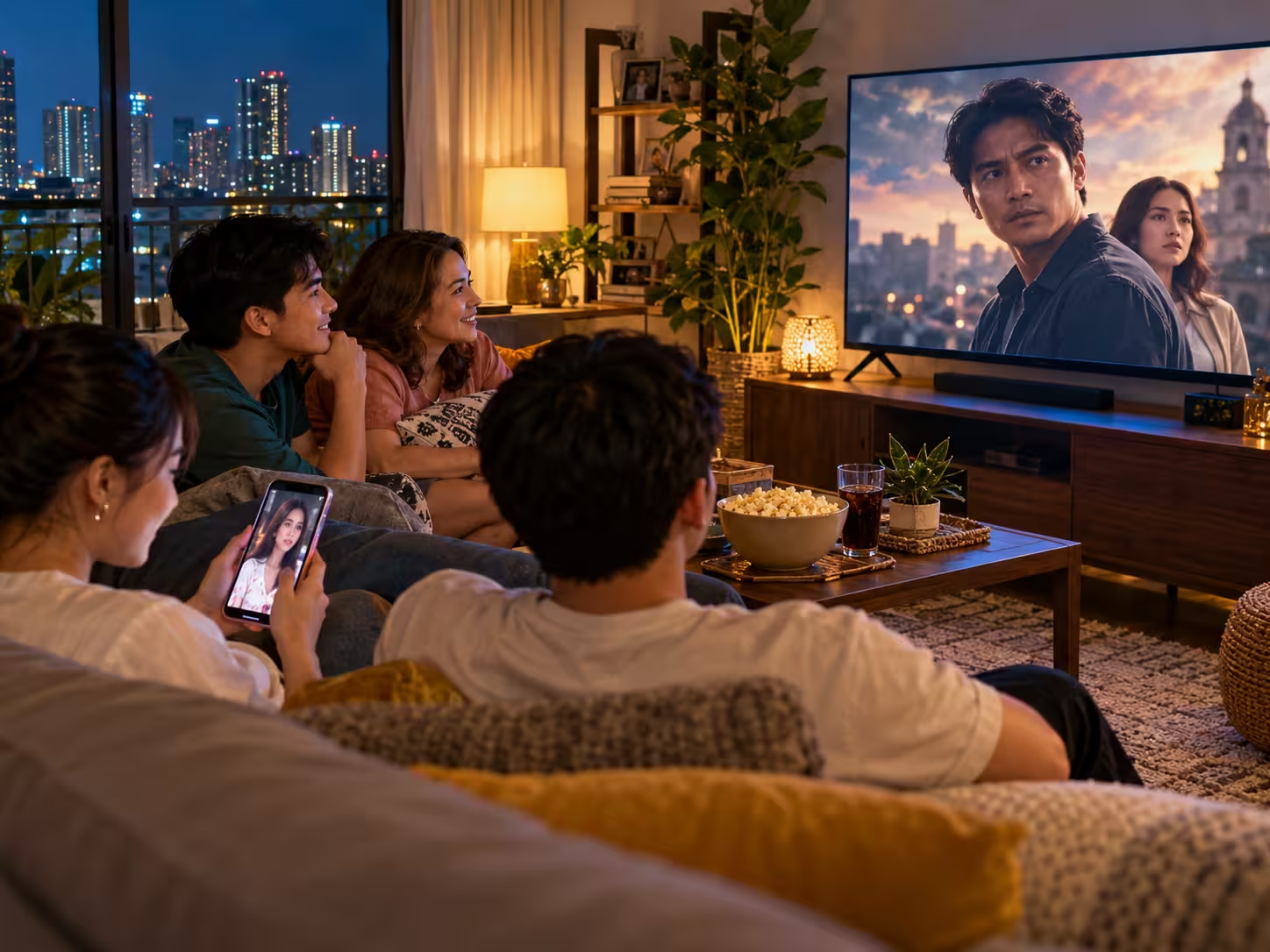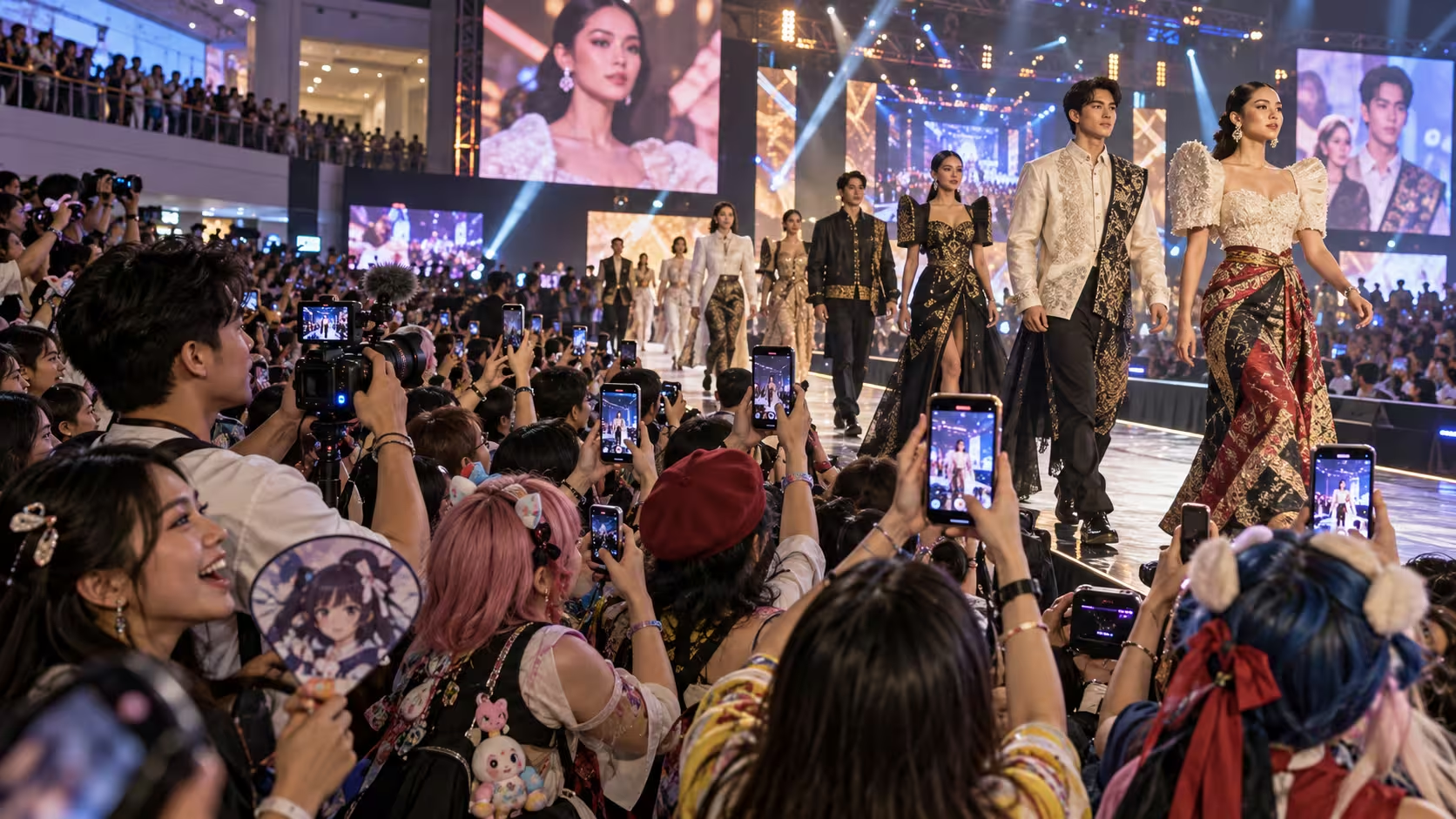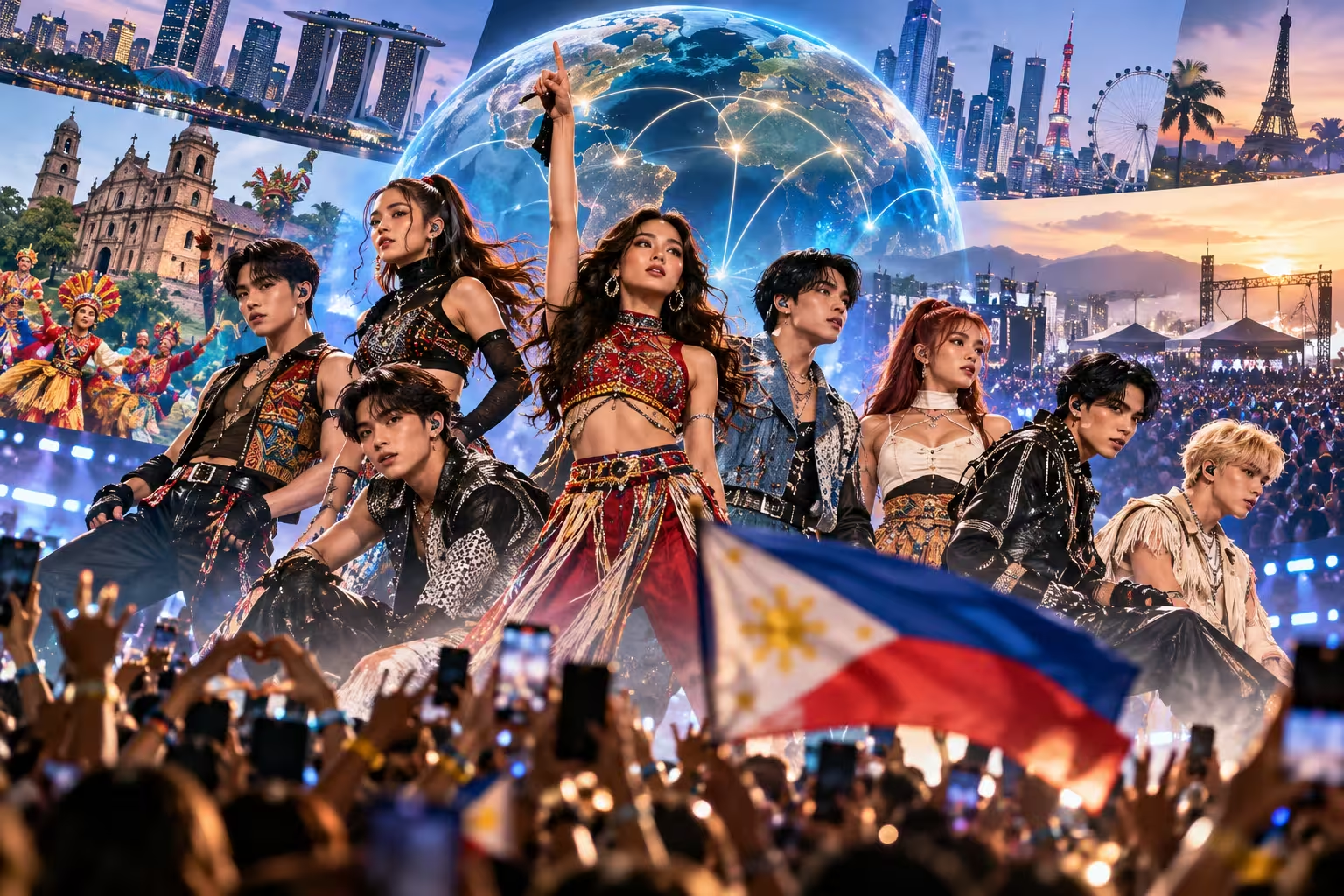
The Philippine wardrobe in 2026 is being written not by designers sketching in silence but by scriptwriters, music video directors, and talent managers. The public’s collective closet is an amalgam of teleserye character boards, concert tour merchandise, and a few strategic celebrity Instagram stories. This deep entanglement has turned the entertainment sector into the primary fashion trendsetter for a population of over 117 million, many of whom consume media across multiple screens daily.
Plotlines That Sell Apparel
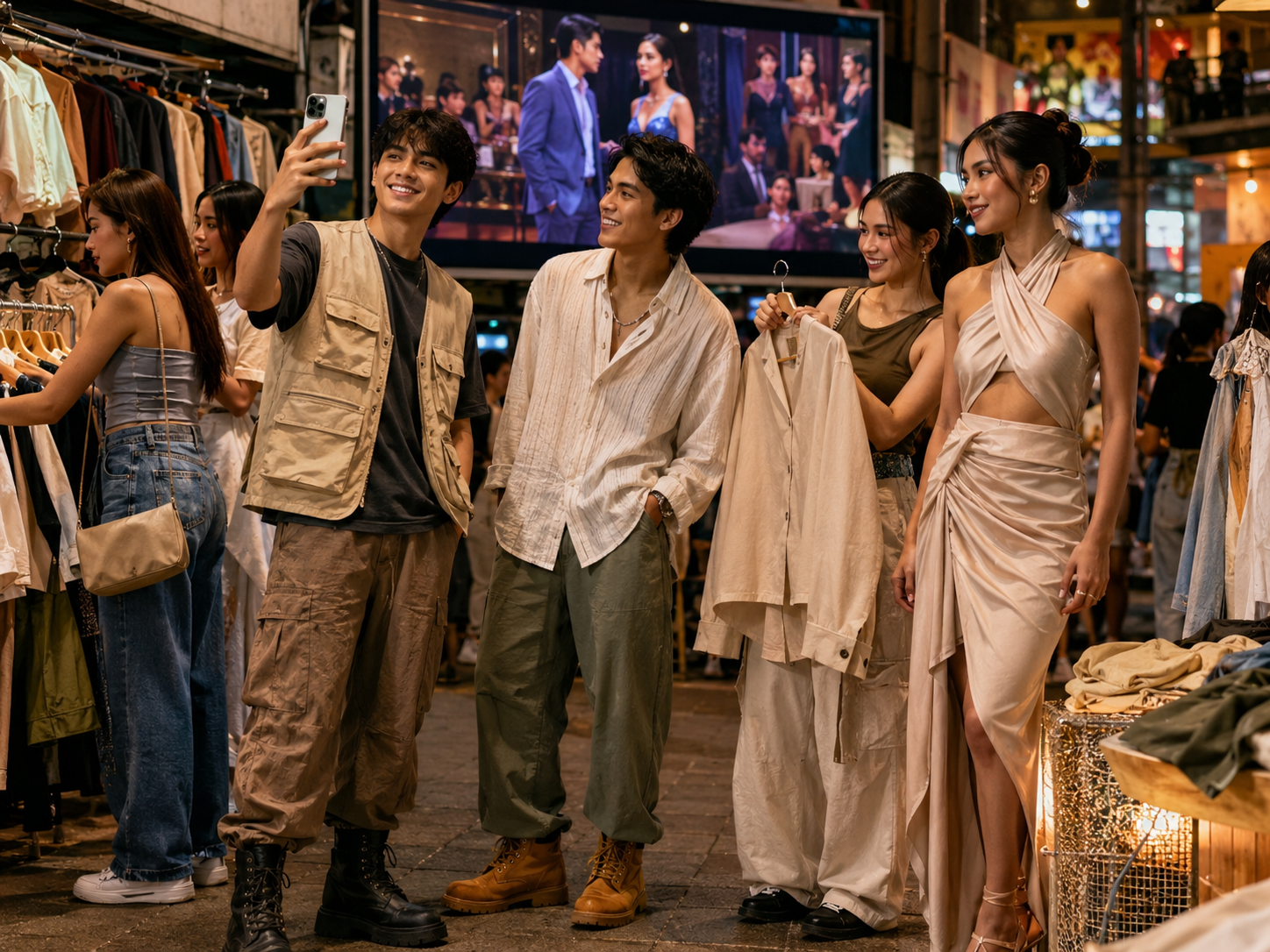
Soap opera fashion has evolved into a deliberate commercial apparatus. Production outfits now hold pre-season meetings with retail partners to plan “insertion opportunities”—scenes where a dress, a bag, or a pair of sandals can be prominently featured without disrupting the narrative. The 2026 remake of the classic María Clara at Ibarra worked with SM Retail’s Kultura division to create a limited-edition line of modernized baro’t saya blouses that appeared on the characters of Klay and María Clara. According to a follow-up feature by Preview.ph (https://www.preview.ph/fashion/teleserye-fashion-retail-batang-quiapo-2026-a00268-20260210), the collection generated PHP 28 million in sales during its first two weeks, making it one of the most successful media-merchandise tie-ins in Philippine history. This case illustrates that audiences no longer just watch; they shop the story.
Music Artists as Brand Architects
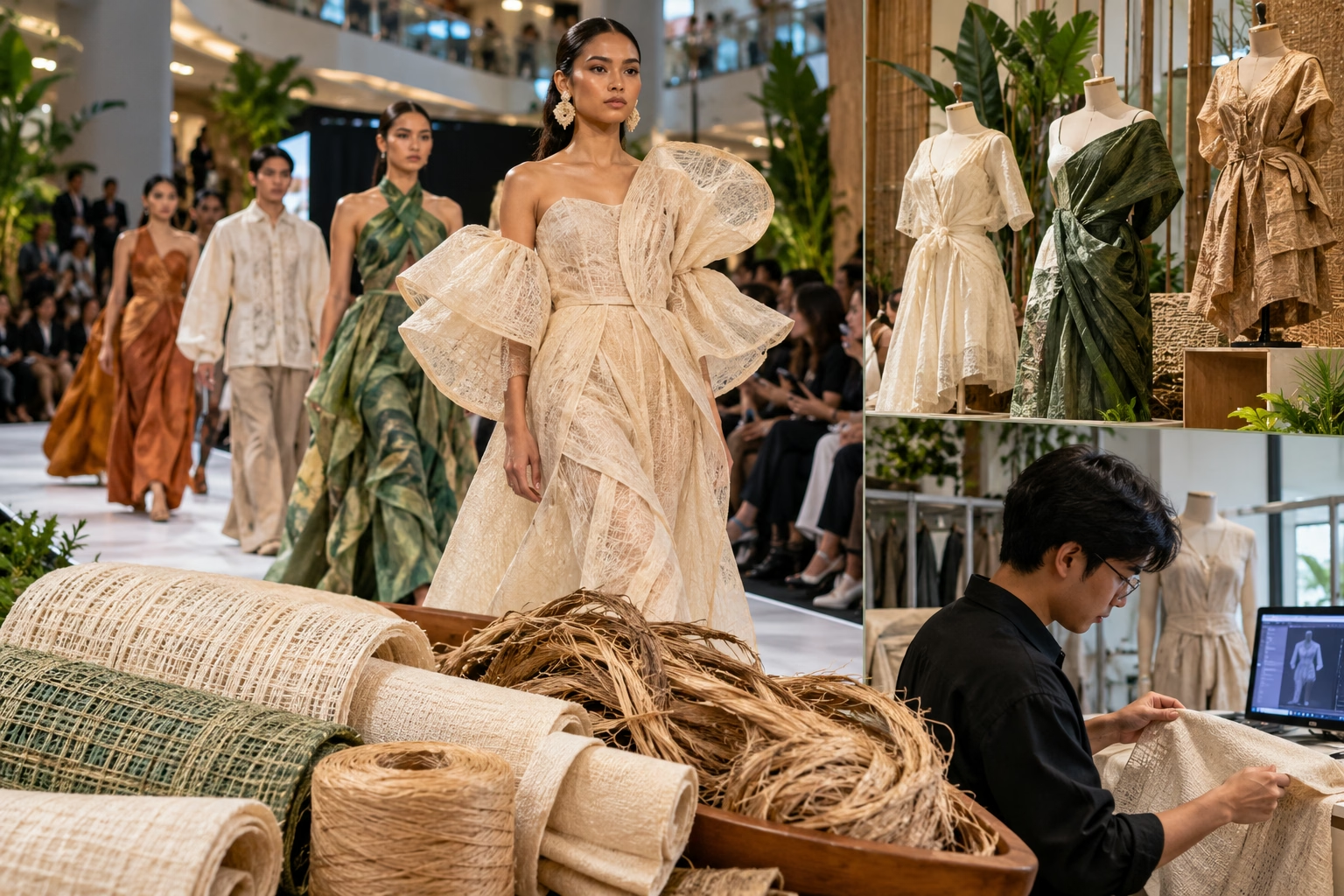
Concert fashion has become a genre of its own. When Ben&Ben performed a three-night sold-out run at the Philippine Arena in February 2026, the band members wore reinterpreted barong pieces by designer Renz Reyes, woven with LED fibers that interacted with the stage lighting. Fan recreations of those illuminated barongs, complete with DIY circuitry, flooded TikTok, and a local textile company that supplied the base fabric reported a 300 percent increase in orders the following month. This phenomenon—where performance attire becomes a participatory trend—shows that fashion emanating from the music industry is no longer top-down; it is co-created by artists and their communities.
Niche Influencers and Hyper-Local Trends
While mega-celebrities command broad reach, micro-narratives are equally potent. Provincial influencers who vlog about daily life in Cebu, Davao, or Bacolod frequently incorporate local fashion staples—like the Davao ikat malong or Cebuano streetwear brands—into their content, generating regional trend pockets that bubble up to national consciousness. The 2026 “Lokal Love” digital campaign spearheaded by the Department of Tourism featured 50 micro-influencers wearing regional textiles, resulting in a 23 percent increase in online searches for “Hablon dress” and “Yakan trousers,” as reported by the Philippine Textile Research Institute. This decentralized model challenges the Manila-centric fashion hierarchy and proves that entertainment-driven style is pan-Philippine.
The Second-Hand Glamour Movement
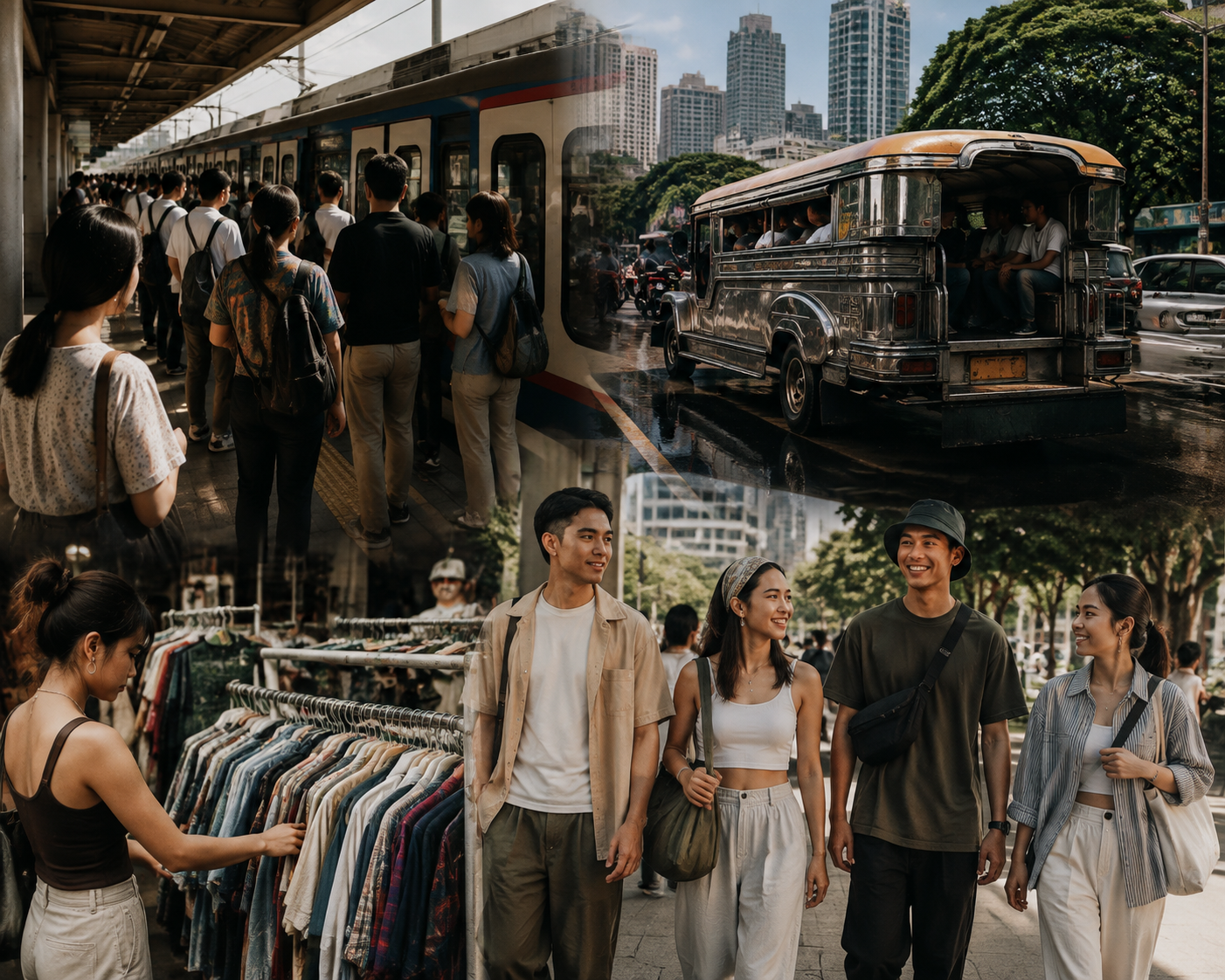
A significant counter-trend within the entertainment-fashion nexus is the glamorization of ukay-ukay (thrift) finds. Celebrities like Maine Mendoza and Kyline Alcantara routinely post thrift hauls, labeling their vintage blazers and pre-owned luxury bags as “sustainable scores.” This has shifted the aspirational narrative: the ultimate style flex is no longer just wearing something expensive, but finding something rare and pre-loved. The Carousell Philippines 2026 Thrift Report indicated that listings of “celebrity-style ukay” increased by 41 percent, with sellers explicitly tagging teleserye characters or idol outfits in their product descriptions, completing the circle from screen to thrift store.
Metrics of a Merged Industry
The commercial scale of this union is staggering. The Philippine Retailers Association’s mid-2026 assessment estimated that clothing and accessories influenced by entertainment media accounted for 34 percent of total apparel spending among the 18-35 demographic. This includes everything from mall brand collaborations to sidewalk ukay vendors who curate based on what a villainess wore last night. The data point confirms that style in the Philippines is no longer dictated by the seasons of Paris or Milan; it is dictated by the beat of a teleserye soundtrack and the charisma of the artist singing it.