
Mental health support in the Philippines is moving beyond hospitals and clinics. Under Republic Act No. 11036, schools and workplaces are required to promote mental well-being, making these institutions key partners in care.
Workplace Mental Health Policies Under DOLE
The Department of Labor and Employment’s Mental Health Workplace Policy requires private companies to implement mental health programs. These may include stress management seminars, employee assistance programs, and mental health first aid training. In 2026, more companies are partnering with telemedicine providers to give employees access to psychologists and psychiatrists. According to MentalHealthPH’s service directory, accessible at https://mentalhealthph.org/directory/ (accessed April 2026), many corporate wellness providers now offer both individual counseling and group workshops. DOLE has also urged companies to create mental health committees, conduct risk assessments for psychosocial hazards, and include mental health in annual medical reports. In the business process outsourcing sector, several call centers now offer in-house counselors and wellness rooms, responding to high-stress night shifts and performance pressure.
What Employees Can Expect
Workers should check their company handbook or human resources office for mental health benefits. Some firms provide free counseling sessions, flexible work arrangements for employees with mental health conditions, and mental health leave. A supportive workplace culture, however, matters as much as policy; managers trained in mental health first aid can respond early to signs of burnout and distress.
School-Based Mental Health and Psychosocial Support
The Department of Education has integrated mental health and psychosocial support into its schools. Guidance counselors, teachers, and peer facilitators conduct stress management sessions and screen students for anxiety and depression. Yet the country still faces a shortage of licensed guidance counselors, so DepEd has been training teachers in basic psychological first aid. Public schools in Metro Manila, Cebu, and Davao have piloted mental health corners where students can decompress. In 2025, selected regions also piloted a mental health first aid module for senior high school students, encouraging peer-to-peer support.
Linking Schools and Workplaces to Clinical Care
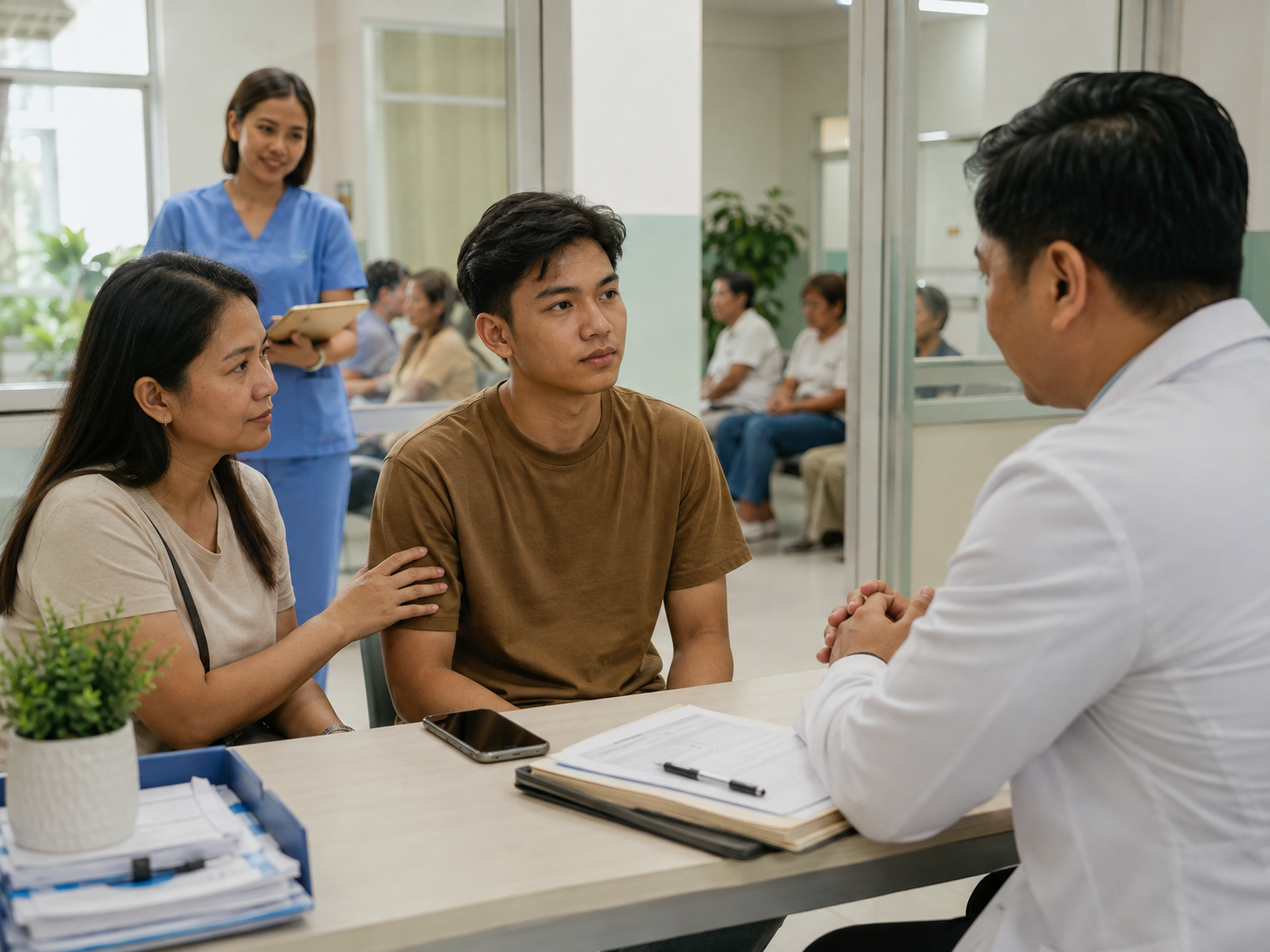
Schools and companies are not equipped to handle severe psychiatric conditions. Their role is to identify problems early and refer to licensed professionals. Many institutions now maintain referral pathways to hospital psychiatry departments, private clinics, or the NCMH crisis hotline 1553. This referral system is crucial for suicide prevention and early intervention.
Community and Family Involvement
Effective programs also involve parents and employees’ families. Schools conduct parent seminars on recognizing adolescent depression, while companies hold family wellness sessions. Community organizations such as the Philippine Mental Health Association support these efforts by providing speakers and training modules.
As RA 11036 matures, schools and workplaces are becoming everyday mental health gatekeepers. They cannot replace therapists, but they can build environments where seeking help is normal rather than shameful.