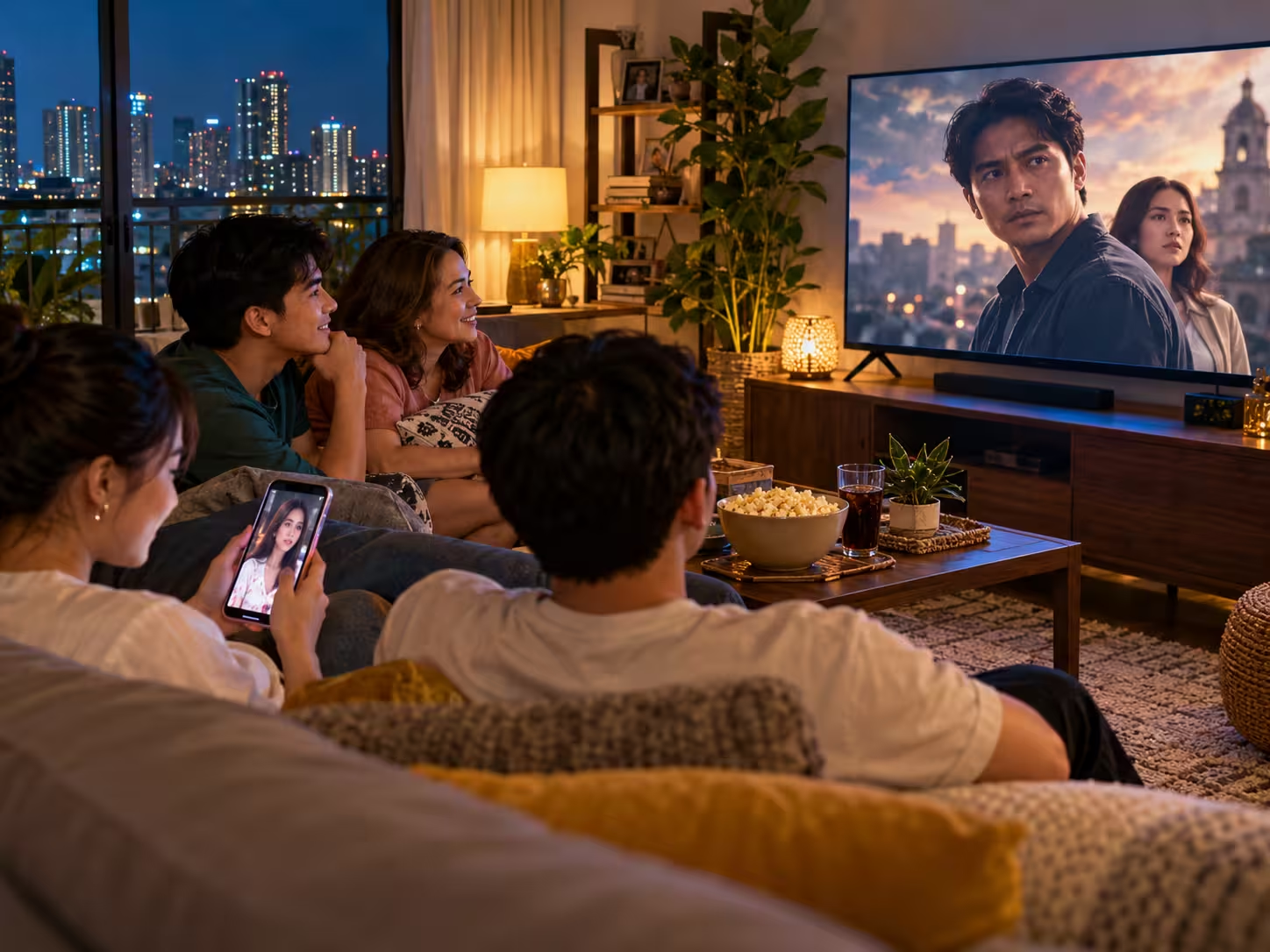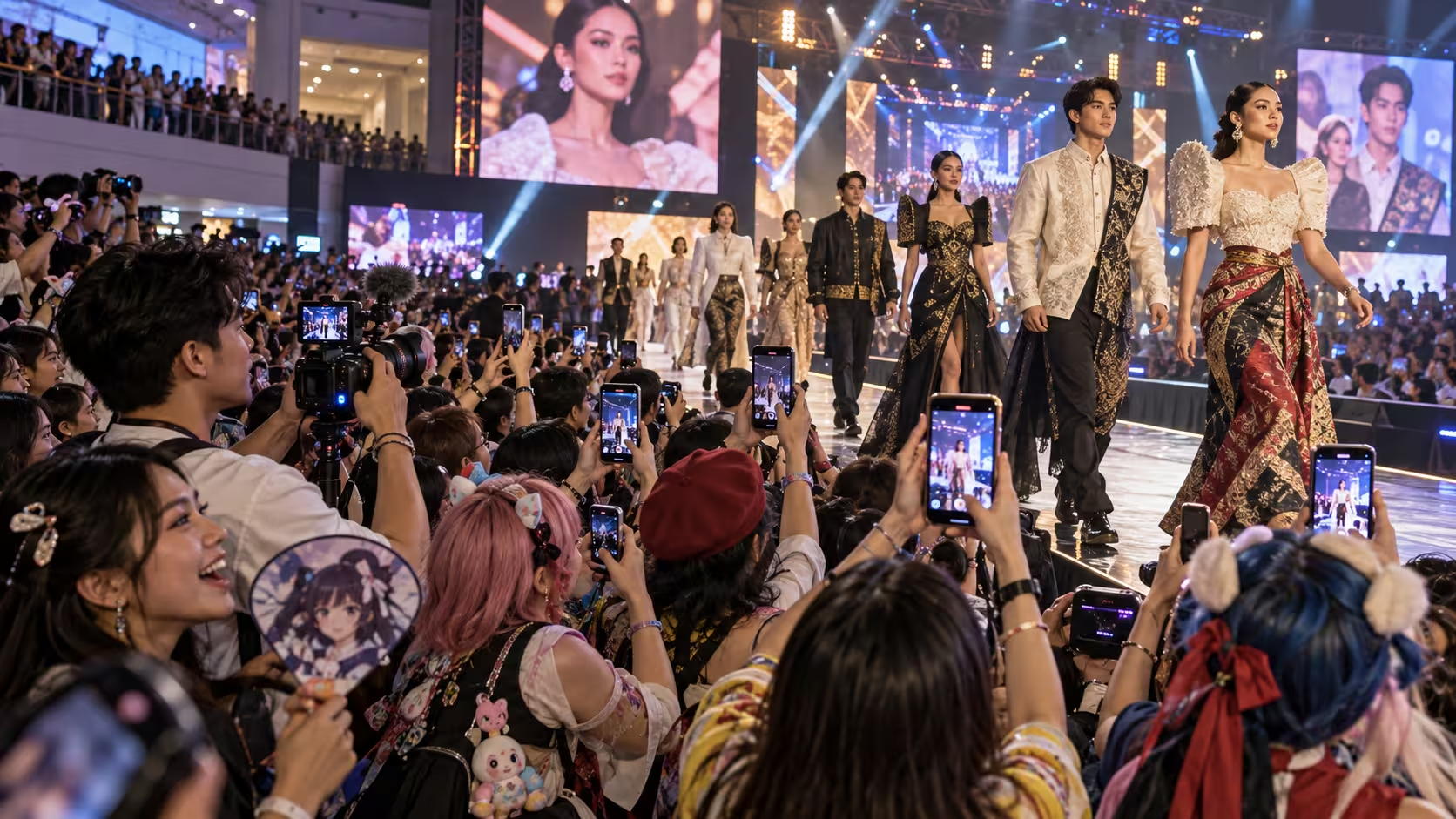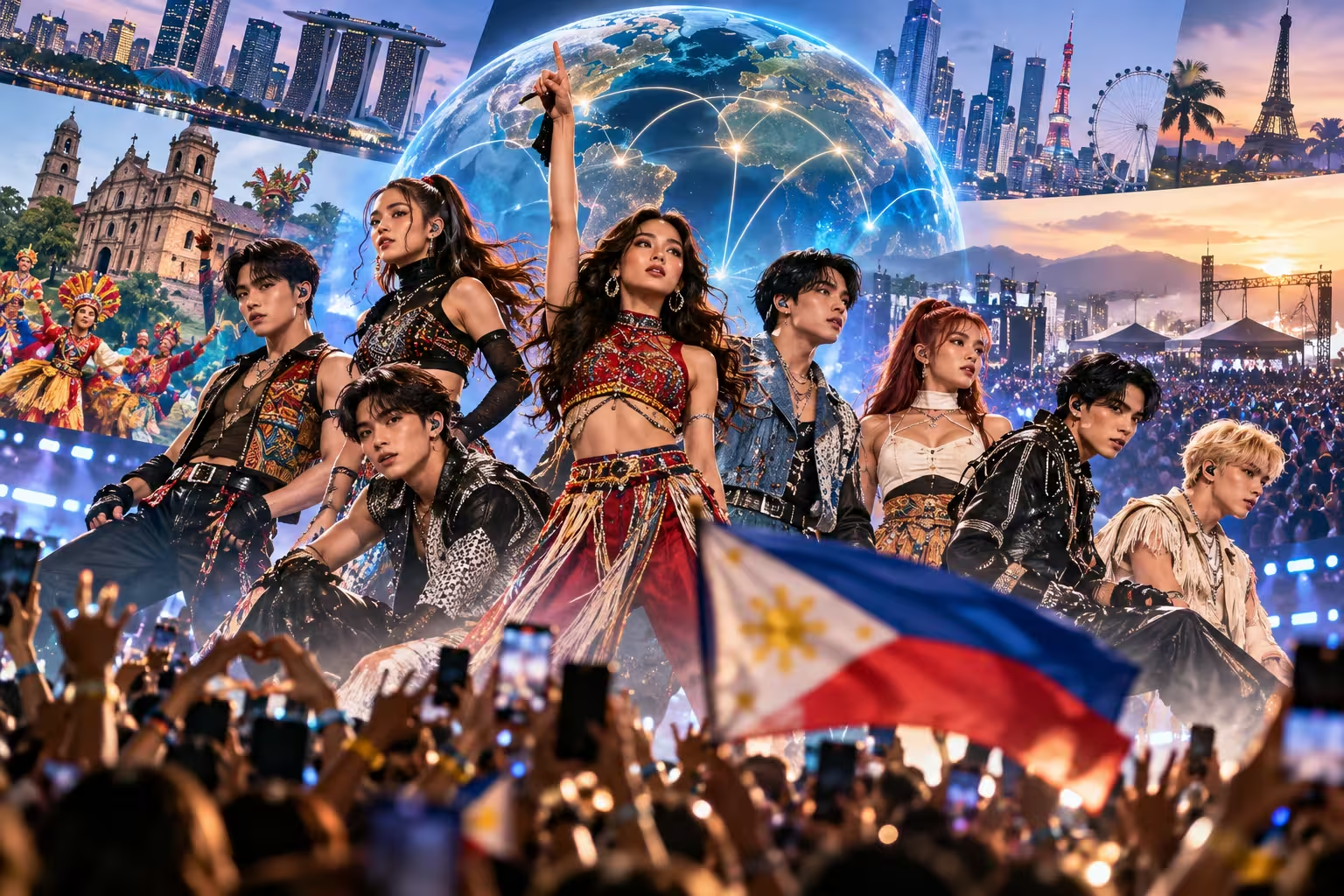

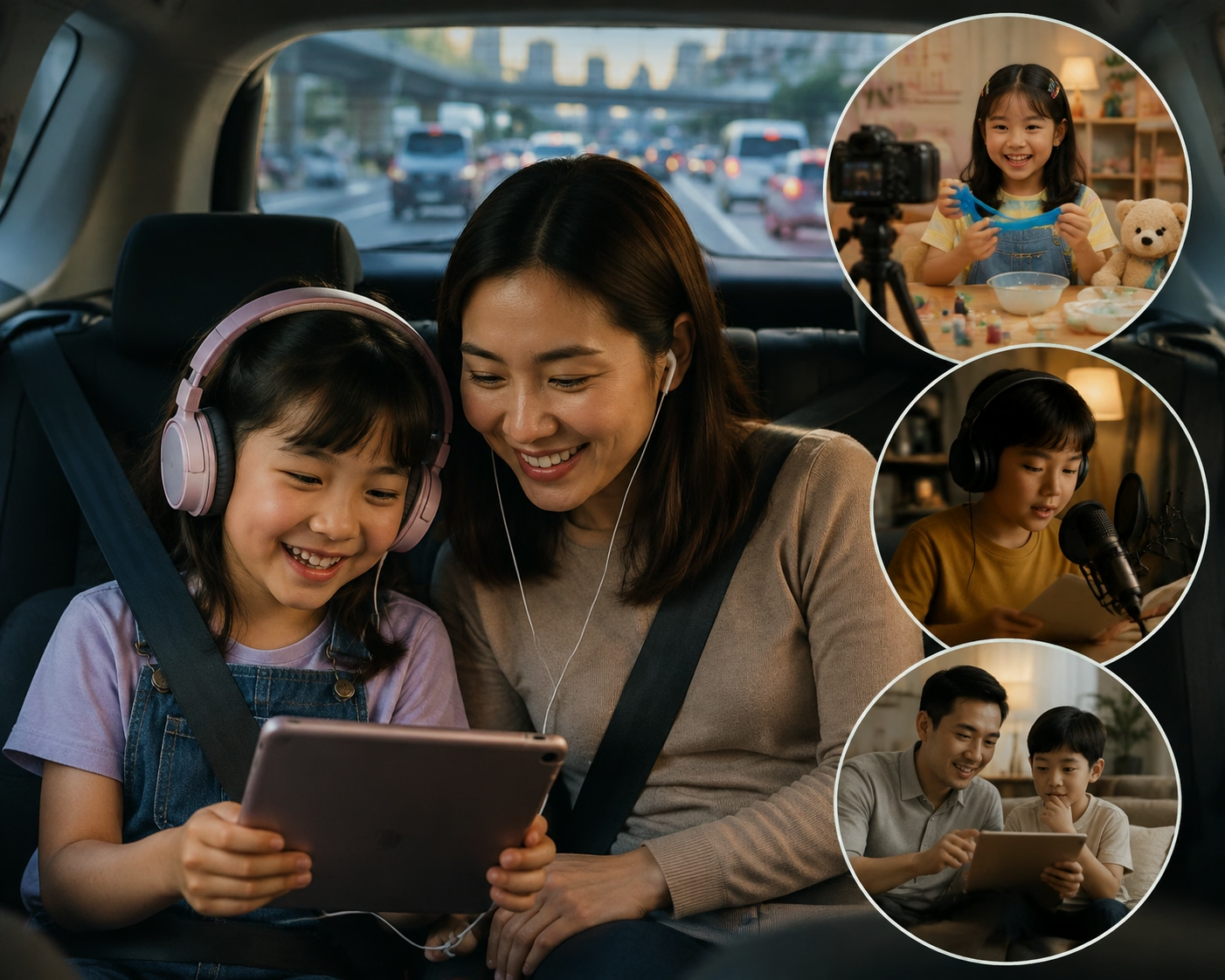
The children’s entertainment landscape in the Philippines in 2026 is no longer determined solely by large media conglomerates but also by independent creators emerging from their own bedrooms. The creator economy has penetrated the youngest viewer segment, creating a new dynamic where children are not just passive viewers but also fanatical fans of internet celebrities their own age.
Dominance of Kid YouTubers and Family Vlogging
YouTube remains an unshakable giant for children’s video consumption in the Philippines. However, the content type has changed significantly. While unboxing and gaming videos once dominated, the most-watched content now consists of family vlogs showing the daily lives of Filipino families, as well as simple science challenges and experiments.
Young creators, such as child actors in web series or TikTok dance stars, have become new icons. They not only produce entertainment but also influence toy trends, snacks, and even hairstyles among children. The advertising industry is also eyeing these young creators as brand ambassadors, considered more authentic and relatable to peer consumers.
However, this has also sparked heated discussions about the ethics of child exploitation in the digital space. Many child protection organizations in the Philippines are pushing for clearer regulations on working hours for minors involved in family content production, ensuring that their formal education and playtime are not compromised by production demands.
The Rise of Audio: Podcasts and Digital Storybooks
One of the most surprising trends in 2026 is the revival of the audio medium. In a country with heavy traffic like Metro Manila, parents spend long hours commuting with their children. This condition has created a fertile market for children’s podcasts and Tagalog audiobooks.
Podcasts featuring bedtime stories or light mystery radio programs for kids are a lifesaver for parents who want to reduce their children’s dependence on phone screens while in the car. Platforms like Spotify and local apps are competing to create special “Kids & Family” playlists filled with folk tale narrations with immersive sound effects.
The audio medium is seen as the ideal “screen-free entertainment” solution. Child psychologists in the Philippines state that listening to stories can enhance imagination and language skills more deeply than watching ready-made visuals.
Content Curation by Parents
With the flood of digital content, the role of Filipino parents is shifting from mere supervisor to curator. Parental control apps that allow whitelisting or blacklisting specific channels have seen a significant surge in downloads in 2026.
Today’s parents are not simply banning gadgets; they are actively seeking and selecting viewing or listening materials that align with family values. This demands that creators and platforms be more transparent about target age ranges and the educational value of each content upload.