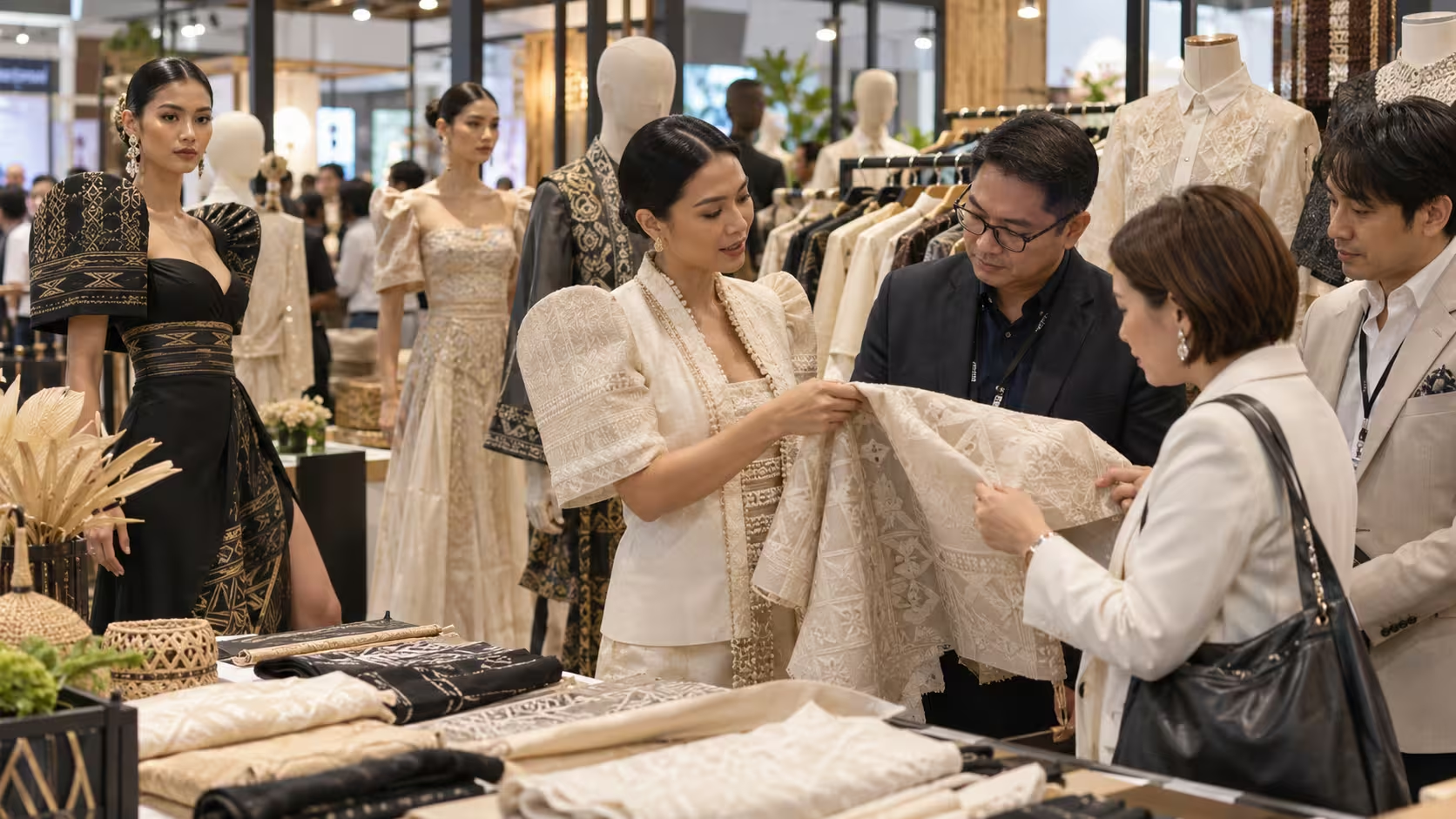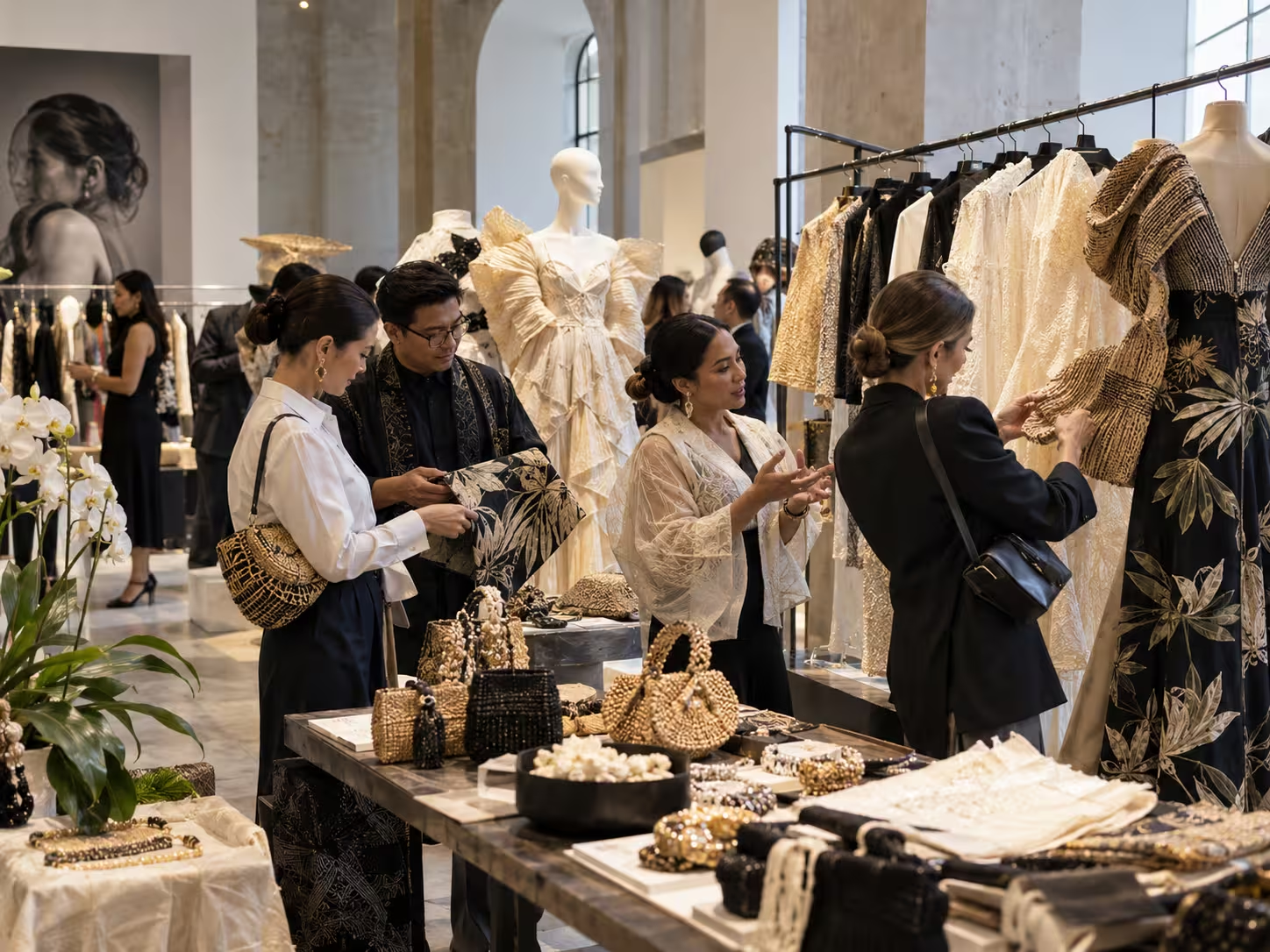
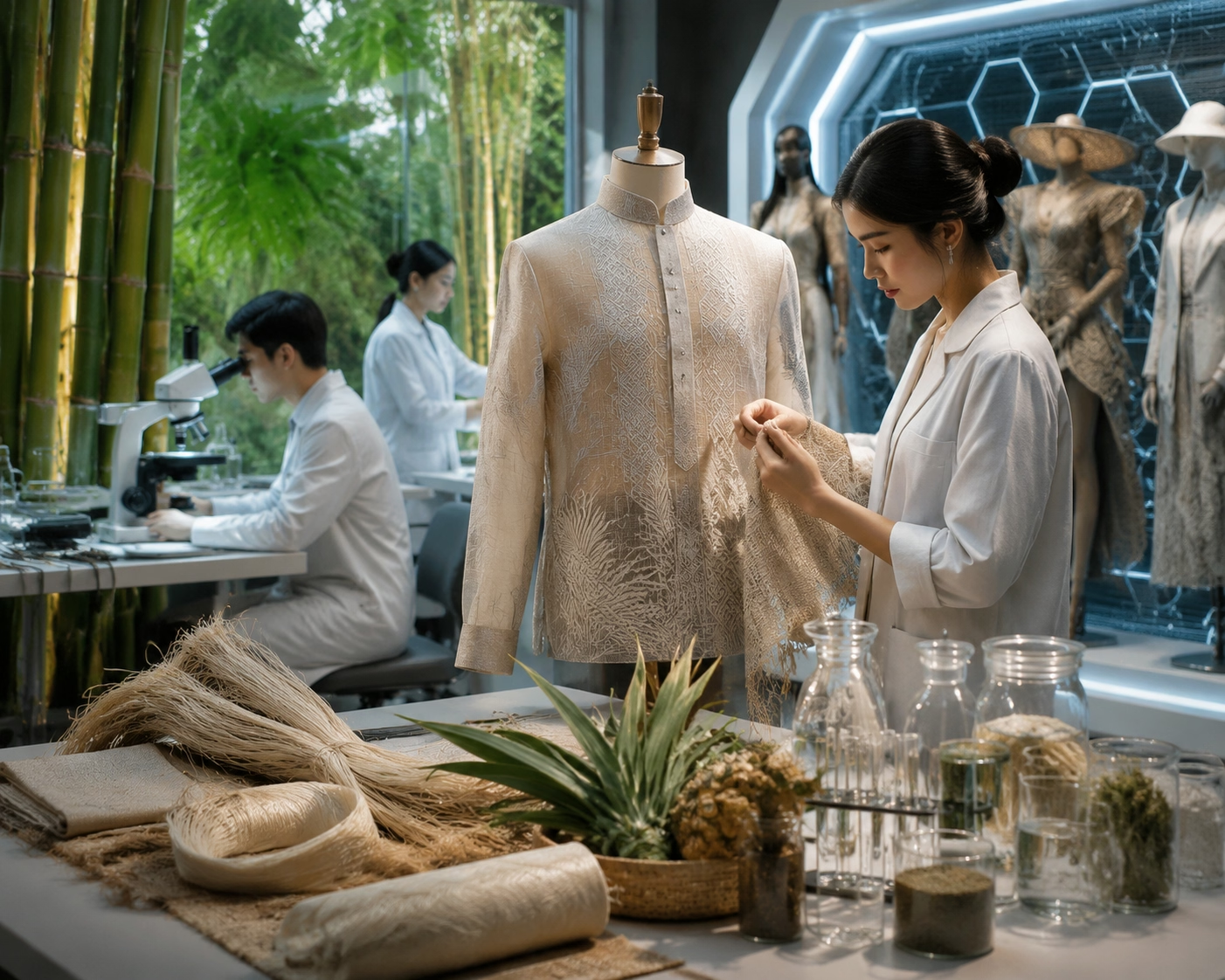
The year 2026 marks a critical juncture for the global fashion industry, which has long been criticized as one of the world’s largest polluters. Amidst this anxiety, the Philippines emerges with a powerful counter-narrative. Instead of following the mass-production model that damages the environment, fashion stakeholders in this country are deepening their cultural roots. “Cultural Fusion in Philippine Fashion 2026” is now interpreted as an effort to unite ancestral ecological wisdom with the demands of a responsible modern lifestyle.
Zero Waste Philosophy in Modern Silhouettes
Many indigenous communities in the Philippines hold principles deeply connected to nature. These practices are now being adopted by modern designers. The concepts of upcycling and zero waste pattern cutting are considered aligned with traditional values that respect every part of the material.
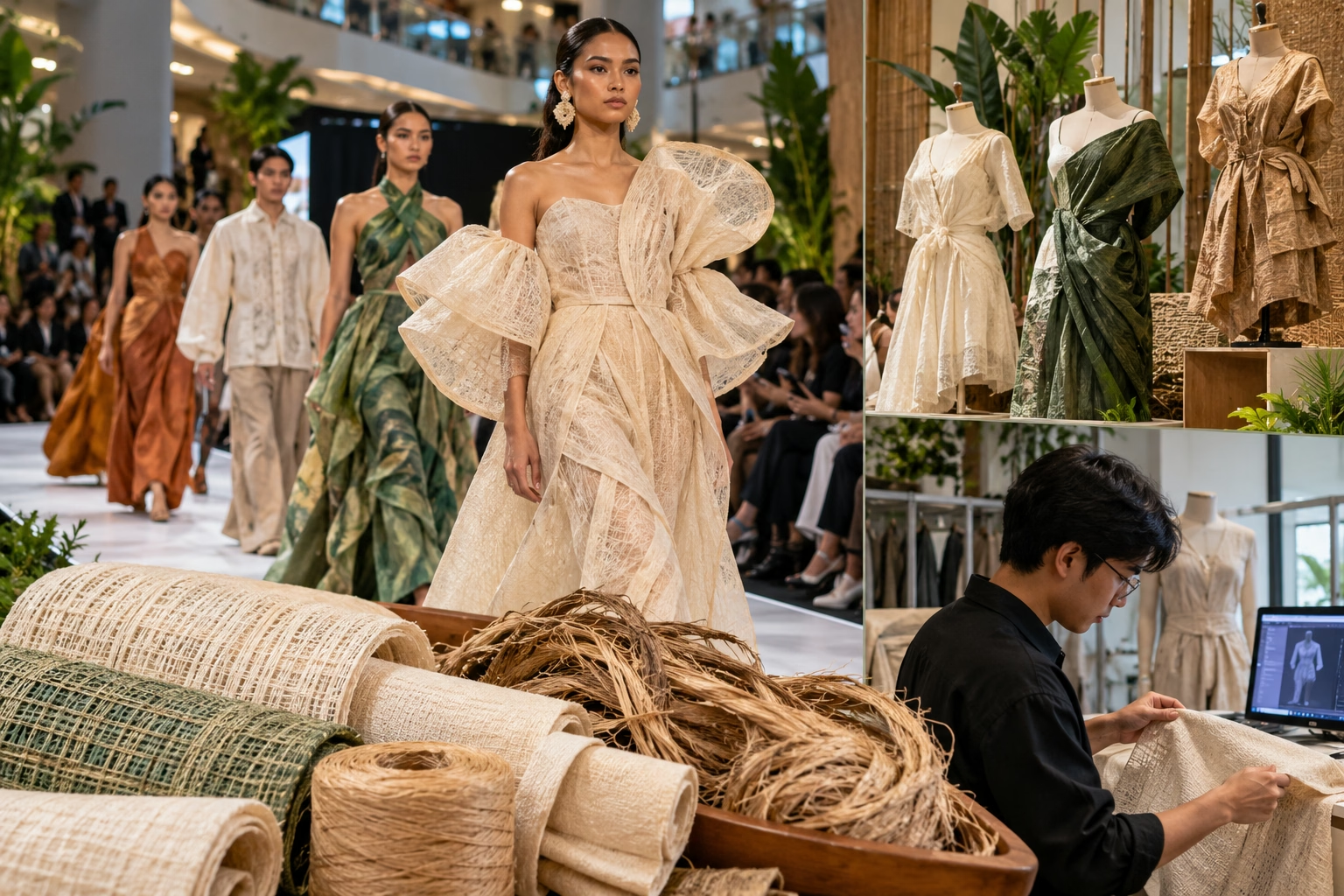
Designers like Hindy Weber and Ditta Sandico have long been known as pioneers of the organic lifestyle, and by 2026 their influence has grown even wider. The process of making Piña fabric is itself a perfect example of sustainability. Every strand of fiber is taken from pineapple leaves that would normally be discarded after fruit harvest, then turned into luxurious cloth. The fusion occurs when this expensive, delicate organic fabric is cut using modern techniques that produce less than 5% fabric waste. The silhouettes are also now more contemporary—loose, comfortable, and suitable for the tropical climate.
The real-world implementation of this was evident in the collections displayed at Sustainable Fashion Week Manila 2026. There, designers were prohibited from using pure synthetic materials. Instead, they presented dresses made from a blend of recycled cotton, pineapple fiber, and sustainably processed tree bark accents. Colors were produced from natural dyes such as indigo, noni root, and onion skins, creating a highly distinctive earthy palette far from any garish impression.
Community Empowerment as a Key Selling Point
One of the strongest aspects of cultural fusion this year is supply chain transparency. Young consumers in 2026 not only want to know where their clothes come from, but also who made them and whether they are paid fairly. This opens the stage for weavers from the Ifugao, Kalinga, and T’boli tribes.
The business model of direct trade partnerships between urban designers and rural weaver cooperatives has become the new gold standard. For example, a jacket that combines the traditional Binakol weaving technique from Abra with a modern varsity jacket cut is sold at a premium price because buyers know that 30% of that price goes directly back to the weaver community. Data from the Non-Timber Forest Products Exchange Programme shows that the income of weavers involved in modern fashion collaborations increased by up to 55% compared to those who only sell raw fabric in local markets.
Real-World Context: Fabric vs. Plastic
This movement is also driven by regulation. Local governments in several tourist provinces such as Palawan and Siargao have begun imposing strict rules on single-use plastics. This spills over into the fashion sector where shopping bags and packaging made from recycled traditional textiles become a new status symbol. Tourists visiting El Nido in 2026 are more likely to find boutiques selling beachwear made from local Ramie fiber than imported polyester products.
Thus, cultural fusion here is not merely about uniting two visual aesthetics, but about uniting global environmental ethics with local philosophies of sustainability. This is the Philippines’ intelligent response to the climate crisis: making cultural heritage the most advanced green technology.