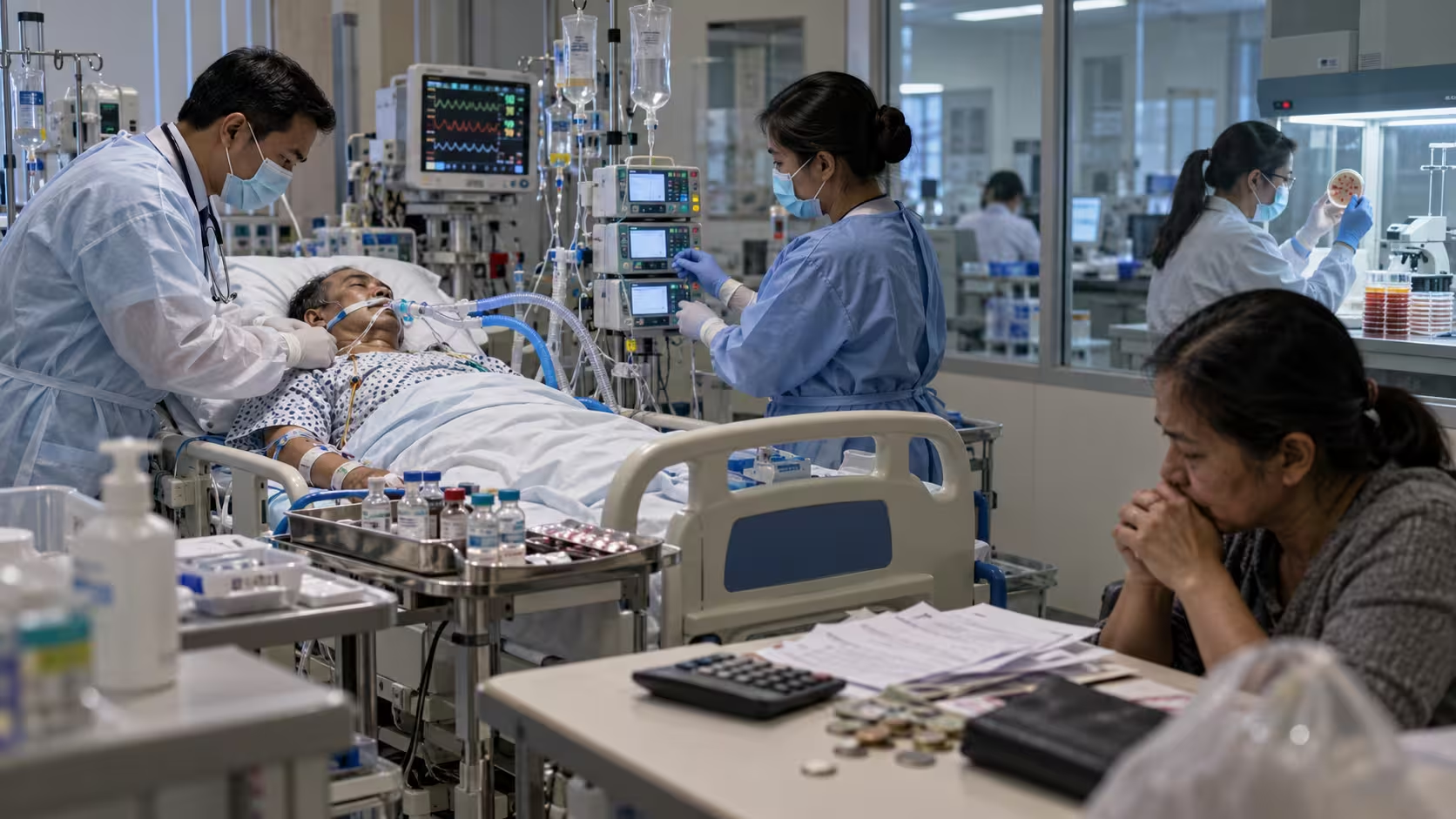
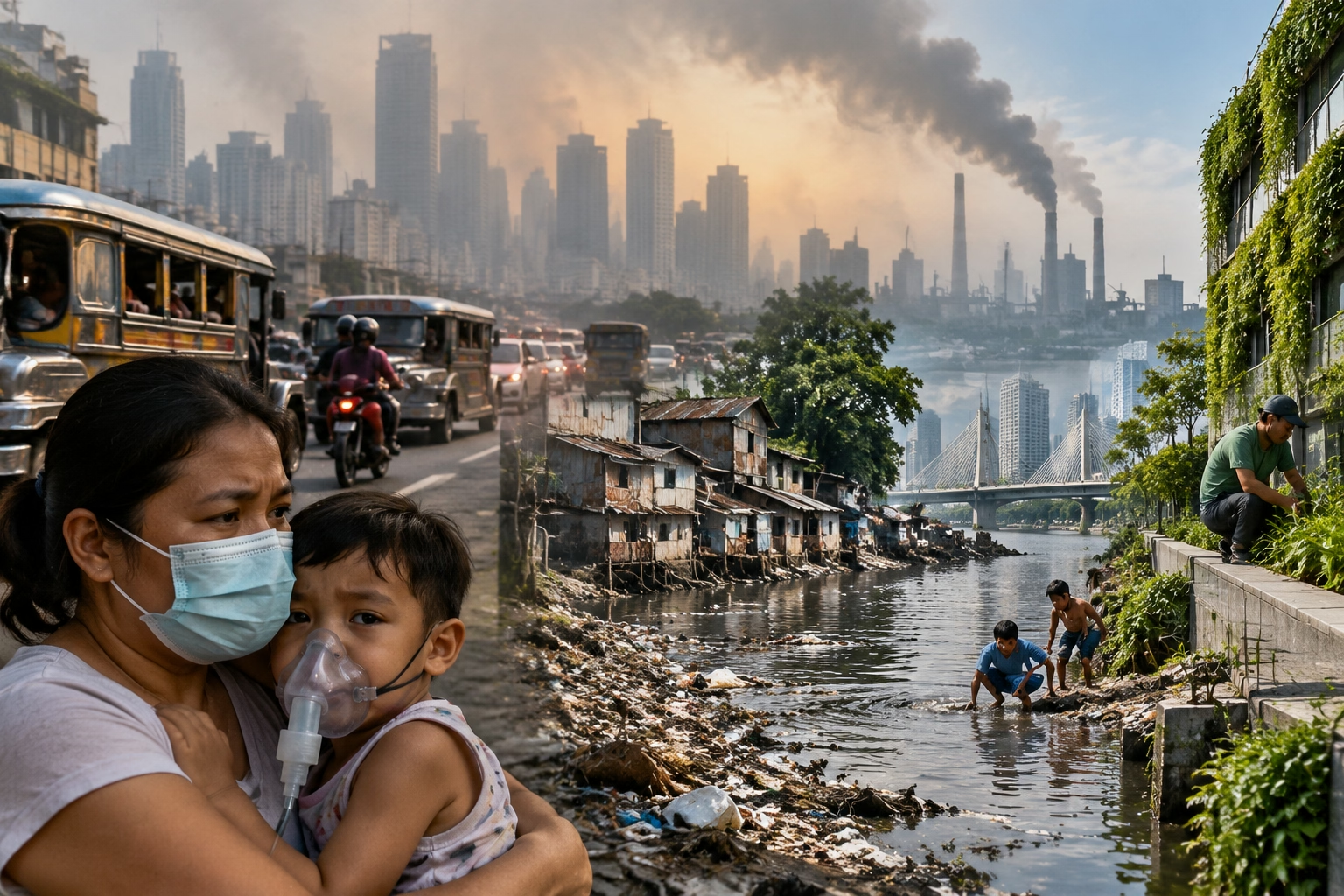
While urban air pollution dominates the national discourse, a quieter, more insidious health crisis is unfolding in the rural heartlands of the Philippines. Away from the city smog, communities are grappling with the legacy of extractive industries and intensive agriculture. In 2026, the contamination of soil and water by heavy metals and chemical pesticides is creating chronic health conditions that are often misdiagnosed or ignored by the wider medical community.
The Legacy of Mining: Mercury and Lead in the Bloodstream
The Philippines is one of the world’s most mineral-rich countries, but this wealth often comes at a devastating cost to local health. Artisanal and small-scale gold mining (ASGM) remains a primary source of livelihood in regions like Camarines Norte and Compostela Valley, yet it relies heavily on mercury amalgamation. This toxic metal leaches into river systems, converting into methylmercury, which bioaccumulates in fish—a staple food for these communities.
A 2026 study by the environmental watchdog group BAN Toxics highlighted alarming levels of mercury in hair samples taken from residents near the Diwalwal mining site. The health implications are severe: neurological damage, developmental delays in children, and kidney failure. Despite the ratification of the Minamata Convention on Mercury, enforcement remains lax in remote areas where the informal economy thrives.
Similarly, old abandoned mine sites, such as the Marcopper disaster area in Marinduque, continue to seep lead and copper into the Boac River decades later. Generational exposure has normalized chronic skin lesions and gastrointestinal issues among the local population, illustrating how environmental damage persists long after the corporate profits have evaporated.
The Green Revolution’s Dark Side: Pesticide Poisoning
In the agricultural plains of Nueva Ecija and Mindanao, the enemy is chemical. The push for high-yield crops has made Filipino farmers heavily dependent on organophosphates and neonicotinoids. Often lacking proper protective equipment, farm workers absorb these neurotoxins through their skin and lungs daily.
The Philippine College of Occupational Medicine has reported an increase in cases of pesticide poisoning characterized by blurred vision, excessive sweating, and muscle twitching. The long-term effects, including Parkinson’s disease and certain cancers, are a ticking time bomb for the agricultural sector. In 2026, there is a growing push to ban the most hazardous pesticides, but resistance from agricultural conglomerates remains strong.
The Rise of Organic and Bioremediation Movements
Hope is emerging through science and tradition. In the Cordillera region, indigenous farming practices that eschew synthetic chemicals are being revisited as viable, climate-resilient alternatives. The government’s “National Organic Agriculture Program” has seen a surge in enrollment in 2026 as health-conscious consumers drive demand for untainted produce.
Furthermore, the field of bioremediation is gaining traction. Scientists at the University of the Philippines Los Baños (UPLB) are experimenting with hyperaccumulator plants, such as sunflowers and ferns, which can absorb heavy metals from contaminated soil. Pilot projects are underway to plant these species around mine tailings to slowly detoxify the earth. These solutions offer a glimmer of hope that the rural environment can be healed, and the health of its inhabitants restored.