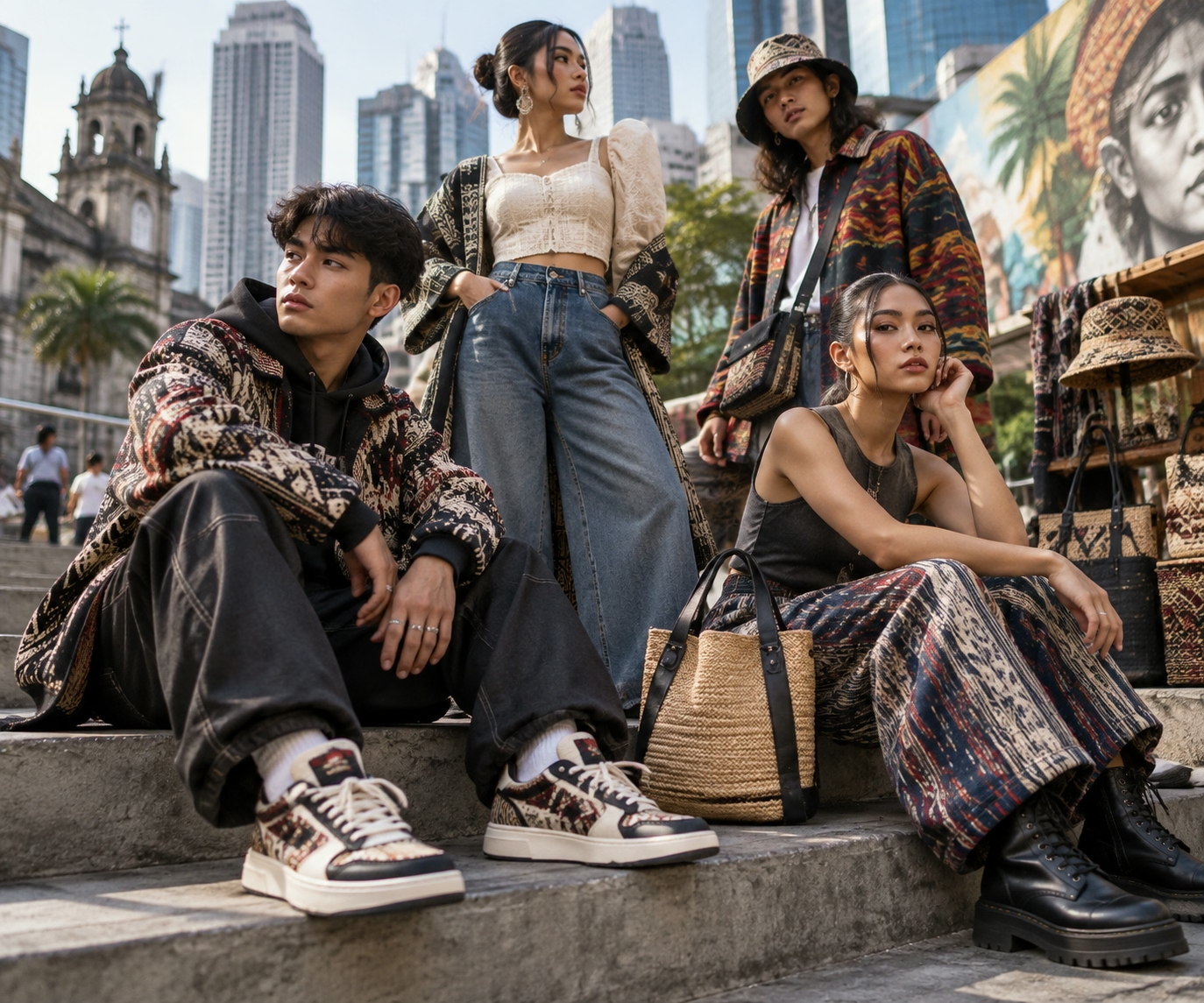
Forget formalwear; the most exciting application of Filipino textiles in 2026 is happening on the streets. A new generation of designers—Gen Z and young Millennials—is treating heritage fabrics not as fragile relics but as raw materials for aggressive, modern fashion statements. This year, we are seeing the seamless integration of handwoven fabrics into streetwear, athleisure, and accessories, creating a distinct aesthetic that bridges the gap between the province and the urban jungle.
The Sneaker Culture Shift
One of the most visible markers of this trend is the customization of sneakers. In 2026, limited-edition releases from local Filipino brands are featuring panels of Binakol or Inabel on classic silhouettes. This movement, largely driven by social media and “hype” culture, has made wearing traditional weaves cool for the younger demographic. No longer associated with school events or “Buwan ng Wika” (Language Month) costumes, these sneakers are status symbols. They represent a conscious choice to support local artisans while maintaining street credibility. Collaborations between weavers from La Union and Manila-based sneaker customizers are selling out within minutes online.
Gender-Fluid and Oversized Silhouettes
The modern Filipino silhouette is loose, layered, and gender-neutral. The heavy textures of handwoven cottons are perfectly suited for this trend. Designers are creating oversized “barong” inspired trench coats, wide-legged trousers made from Ilocos cotton, and cropped boxy jackets featuring the vibrant colors of the Yakan tribe from Basilan. The stiffness of the raw textile provides structure, allowing these garments to hold architectural shapes that cheap, flimsy fast fashion cannot replicate. This has solidified the place of handwoven textiles in the “slow fashion” movement, where the quality and durability of the garment justify a higher price point.
The Modern Mantle: Accessories
If a full outfit feels too daunting, the 2026 consumer is looking at accessories. The demand for handwoven bags, specifically those made from durable Abaca or Buntal fibers, has skyrocketed. But the designs have evolved. Instead of the traditional beach tote, brands are producing structured bucket hats, urban crossbody bags with heavy-duty zippers, and even tech sleeves for laptops. The waterproofing techniques applied to these natural fibers have improved drastically, making them suitable for the unpredictable tropical weather while remaining stylish for the office commute.
The Role of Social Commerce
This urban takeover is heavily fueled by TikTok and Instagram Reels. Young fashion influencers are styling Piña tops with distressed denim and combat boots, demonstrating that these fabrics can be worn casually. The “outfit check” culture has provided a platform for Filipino designers to reach a global audience. International viewers are often shocked to discover that the unique geometric patterns are not from a European luxury house but from the looms of Mindanao. This social proof is driving export sales, particularly among the Filipino diaspora in the US, Australia, and Europe, who are eager to display their heritage in a modern context.
The business registration data and support for these emerging fashion startups can be found through the Philippine Trade and Investment Center: https://www.dti.gov.ph/