
The 20.5% CAGR Behind the Wrist: Who Is Actually Building the Philippine Wearable Health Market
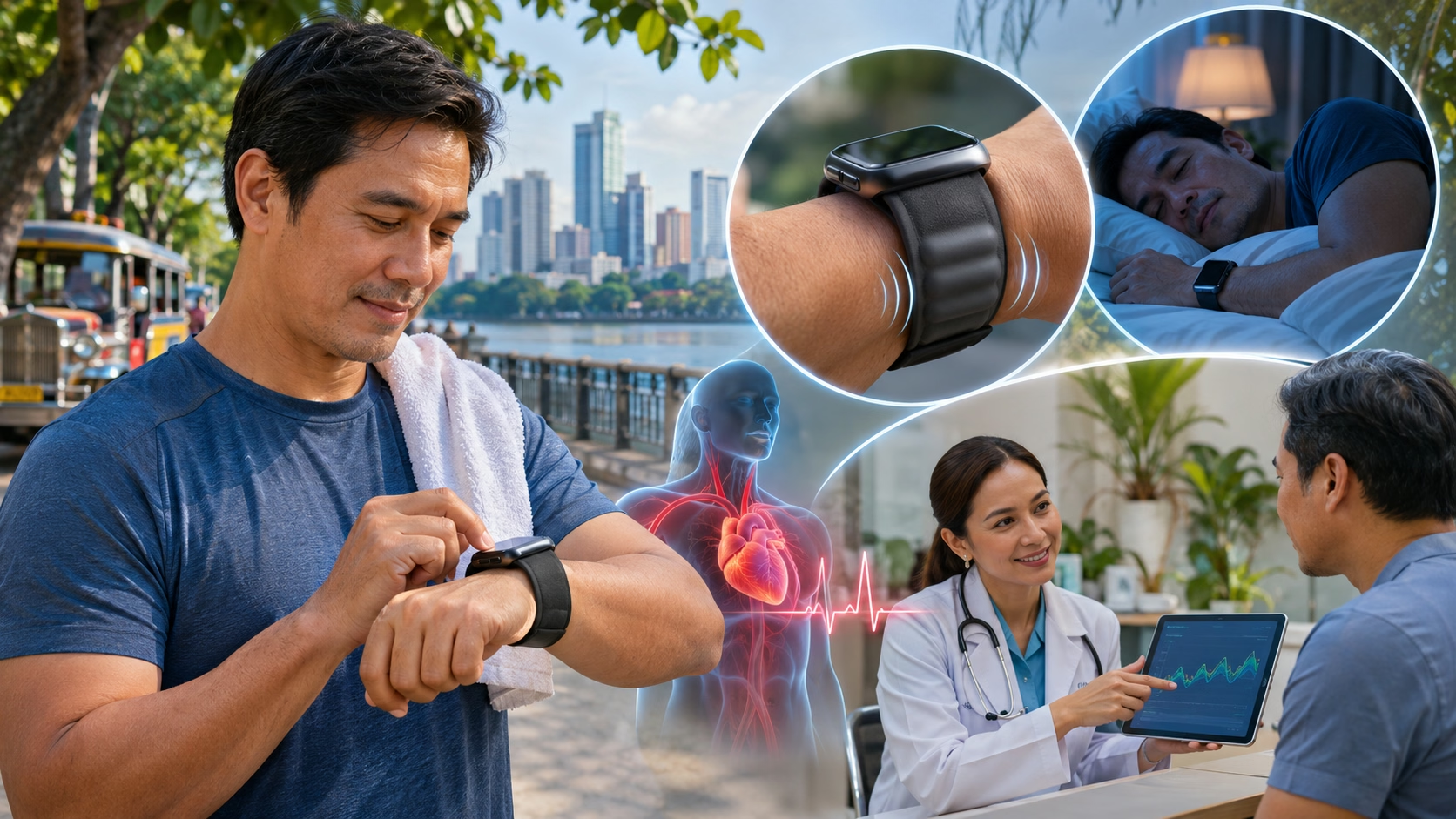
Market forecasts tend to flatten adoption into a single growth number. The Philippine wearable device market’s trajectory—USD 850 million in 2025 to a projected USD 3.09 billion by 2032, a 20.5% CAGR—describes a category expanding faster than most digital health segments in Southeast Asia. But the number conceals a more interesting structural story: the Philippine wearable market is being built simultaneously from the top down by global premium brands and from the bottom up by local platforms and government-backed research.
Where the Revenue Sits—and Where It Is Moving
Smartwatches accounted for the largest share in 2025, roughly 40% of revenue, driven by advanced monitoring capabilities and ecosystem integration with smartphones. Consumer applications dominated with about 45% share, reflecting the fitness-tracking and lifestyle-management base. The growth rate, however, is shifting toward healthcare applications as remote monitoring and digital health initiatives align with national healthcare reforms. Distribution remains overwhelmingly offline—nearly 80% of 2025 sales—because Filipino consumers still prefer in-store testing and after-sales support, even as online channels grow faster through e-commerce penetration into provincial regions.
Geography concentrates the market as sharply as income does: Metro Manila held around 40% of national revenue in 2025, supported by purchasing power and retail density, while Calabarzon is projected as the fastest-growing region on the back of industrial expansion and improving household connectivity. The wearable map of the Philippines is, for now, a map of urban connectivity and disposable income.
The Local Layer
Below the global brands, a distinctly Philippine ecosystem is forming. mWell has positioned itself as an all-in-one digital health platform rather than a device seller, building a wearable line—watches, rings, an ECG ring—that feeds into an app-based mWellness Score translating activity, sleep, and sedentary patterns into a single interpretable indicator. The strategy earned a Global Mobile Award in the Tech4Good category, recognition that the value sits in the data-interpretation layer, not the hardware alone.
Government-linked research adds a third layer. The Department of Science and Technology’s P.O.W.E.R. project has developed a wearable sensor system embedded in spinal orthoses to monitor temperature and pressure compliance data, synchronized with a mobile app for patients and providers. The RxBox, a DOST-developed telemedicine device with built-in sensors for blood pressure and oxygen saturation, stores and transmits patient data so health workers in remote communities can consult urban specialists. These are not consumer gadgets; they are access instruments aimed at the segments the retail market does not reach.
The Adoption Friction Nobody Forecasts Away
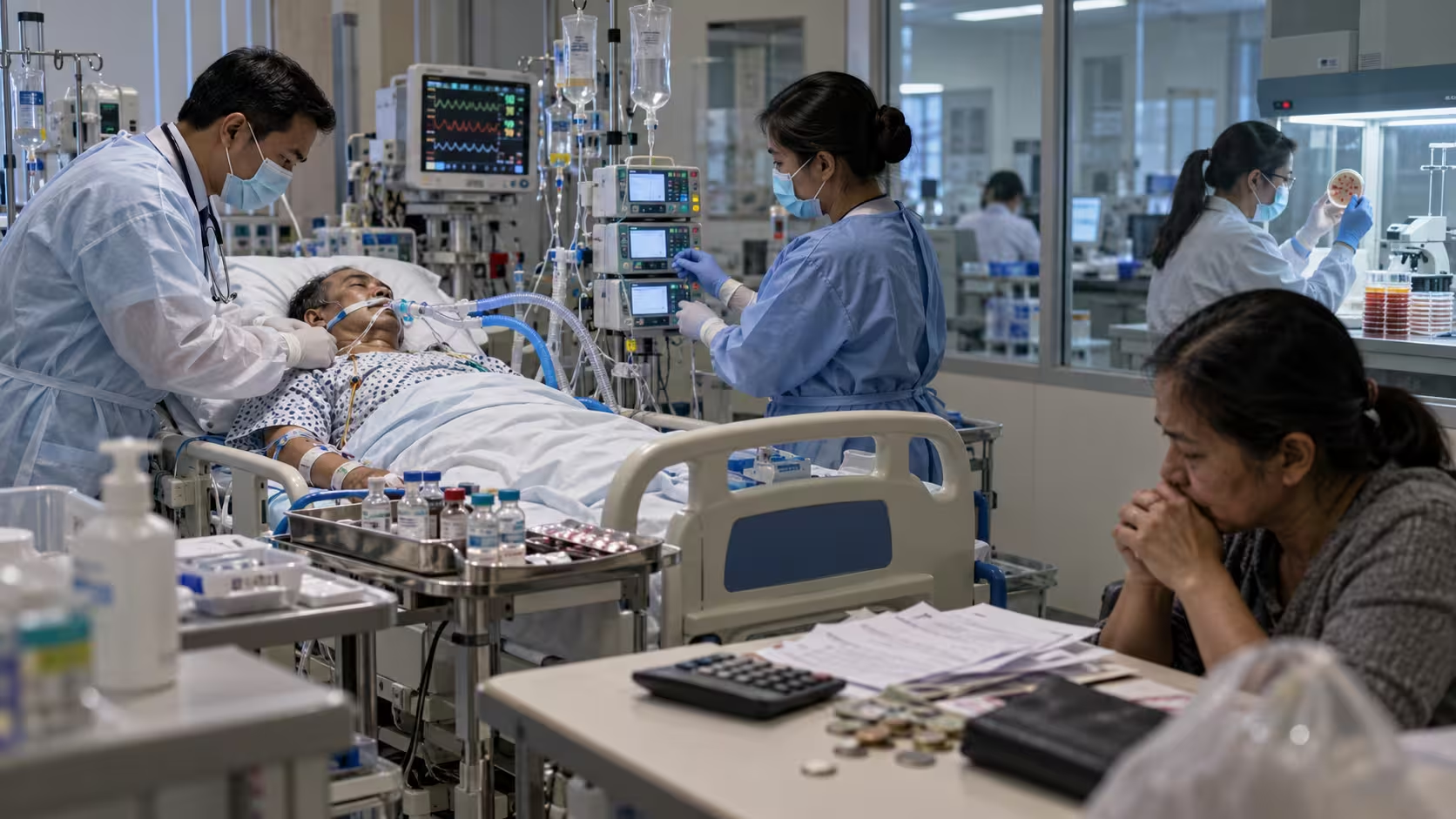
The barriers are consistent across market reports: limited awareness among the general population, data privacy and security concerns, and the upfront cost of devices. The Data Privacy Act classifies wearable health data as sensitive personal information, and breaches involving such data carry mandatory National Privacy Commission notification and potential criminal liability. High initial investment costs extend beyond consumers to healthcare facilities, where body-area-network deployments can run from PHP 60,000 to PHP 250,000. The growth forecast is real, but it runs through a trust-and-affordability corridor that hardware alone does not widen.