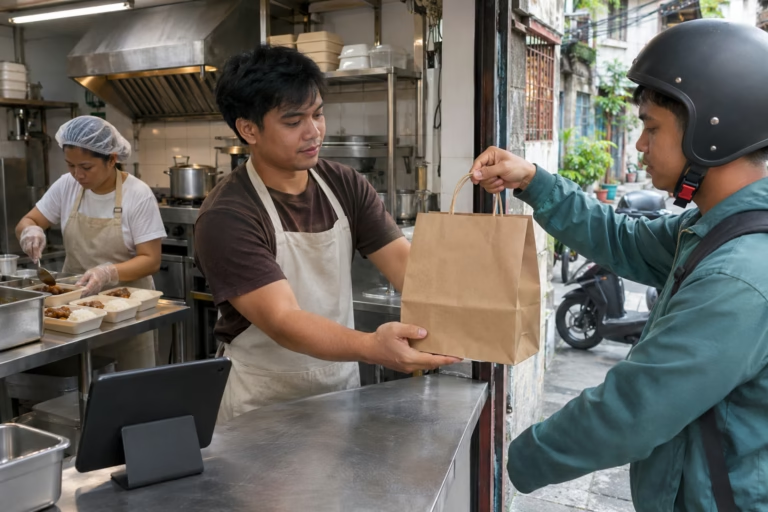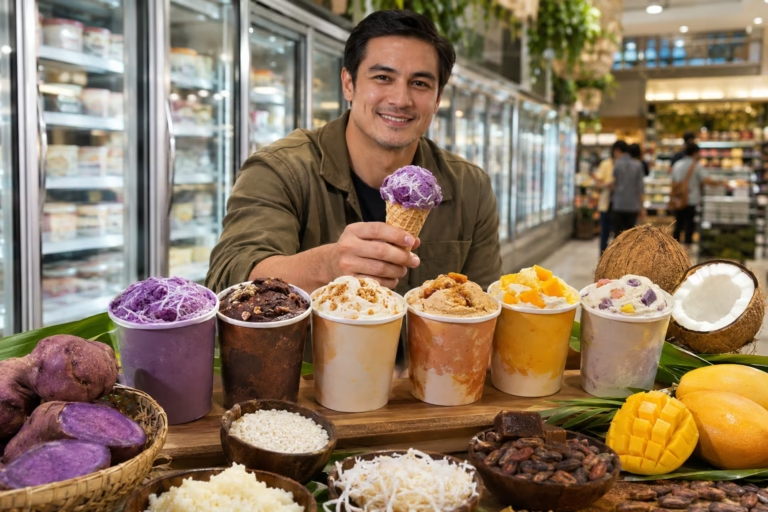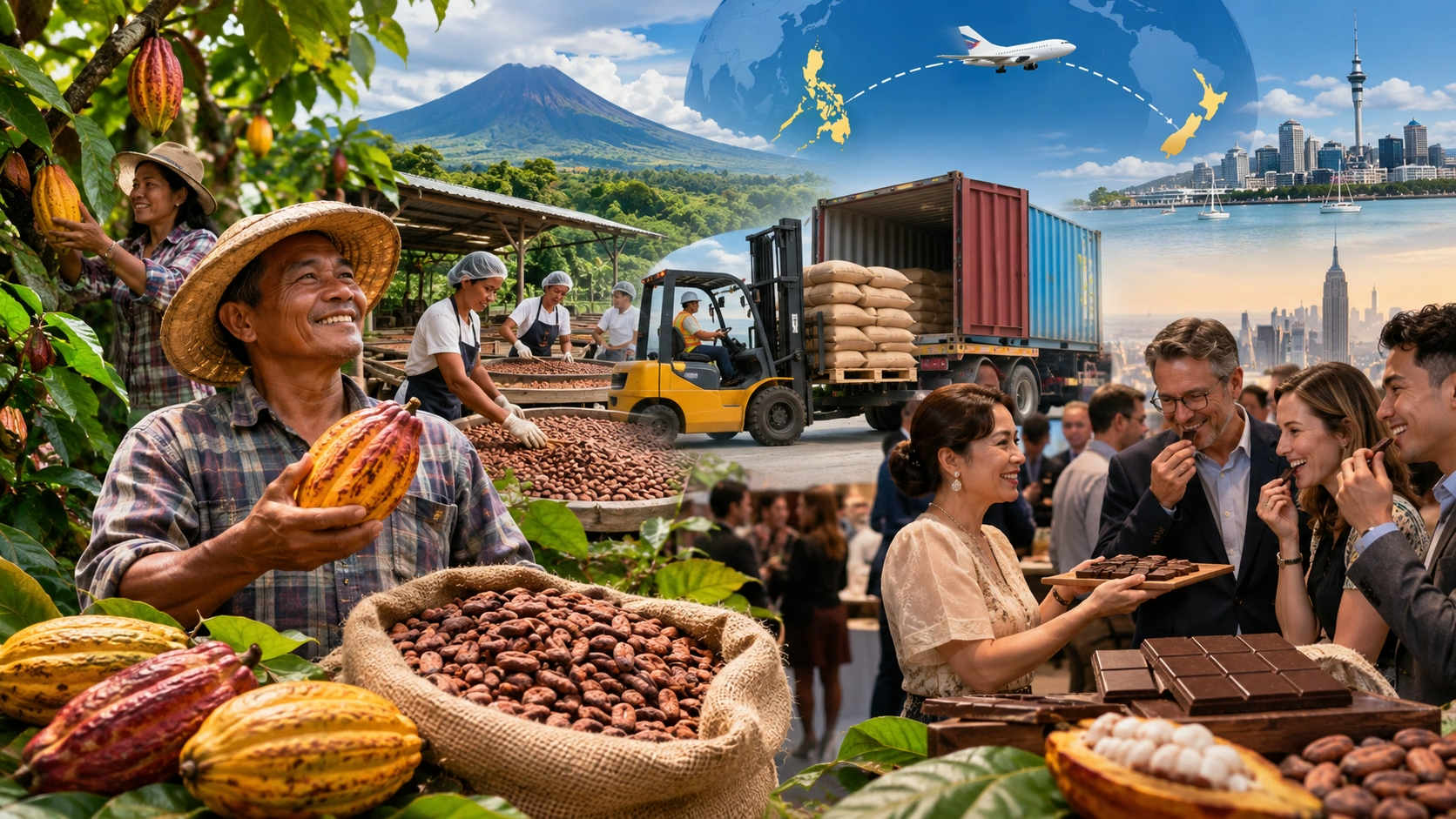
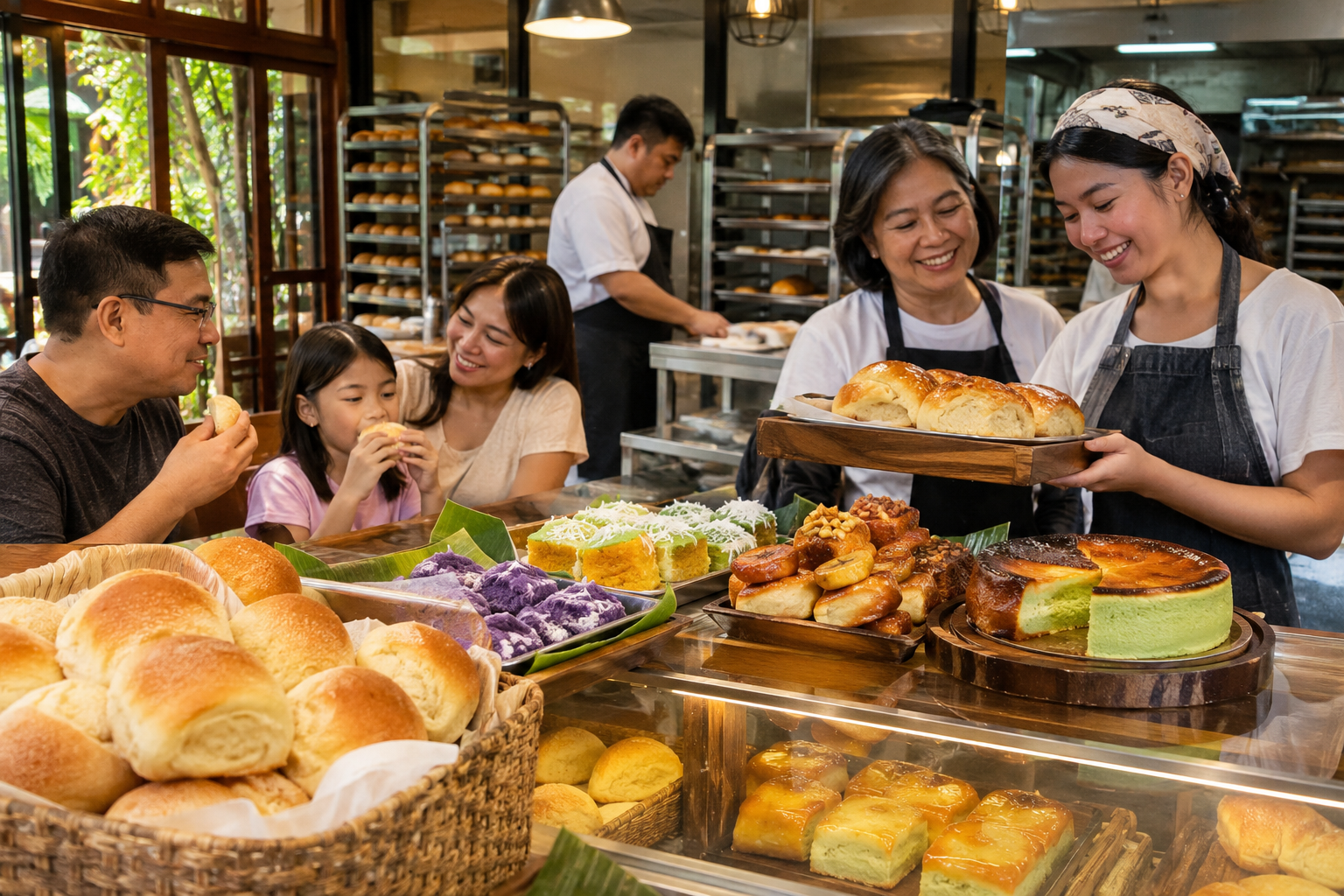
The revival of the Filipino bakery is often framed as a return—to pandesal hot from the oven, to kakanin wrapped in banana leaf, to the sensory memory of a childhood morning. That framing is accurate but incomplete. What is happening in panaderyas from Quezon City to Queens is not simply a recovery of the past. It is the construction of a new cultural institution, one that uses tradition as raw material rather than script.
The Bakery as Identity Workshop
For Filipino-American bakers, the stakes are particularly explicit. Justin Lerias, owner of Del Sur Bakery in Chicago, describes his establishment as “directly inspired by my immigrant story” . His menu includes adobo brownies with soy sauce caramel, turon-inspired caramelized banana Danish, and pandan Basque cheesecake—items that could not exist without both Filipino heritage and American training. The bakery becomes a space where the question “what does it mean to be Filipino” is answered through flavor rather than argument.
This function is not limited to the diaspora. In Manila, the sourdough pandesal at Panaderya Toyo or the heritage-starter loaves at Maker and Made perform a similar cultural work domestically, asserting that Filipino bread deserves the same seriousness accorded to European traditions . The message is subtle but unmistakable: the panaderya is not a lesser institution than the boulangerie. It simply has a different history.
The Generational Handoff
The revival also marks a generational transition in ownership and intention. Second-generation bakers are inheriting businesses their parents built and asking different questions. At Bakery sa Pureza, the Bucao family rebuilt after a fire and chose to preserve the recipes while updating the interior—an industrial-style refresh that initially led customers to mistake the shop for an upscale café . The bread stayed the same. The presentation evolved. That balance reflects a generation comfortable with both heritage and reinvention.
At Gemmae Bake Shop in Long Beach, Catherine Tolentino works alongside her mother Prescilla, who opened the original bakery in the Philippines in 1979. Catherine describes the emotional response of older Filipino customers encountering monay on the shelf: “It’ll bring up all of these memories and emotions” . But the bakery’s menu also includes modern items that draw younger customers. The establishment serves two audiences without fracturing.
The Risk of Forgetting
The revival carries an implicit warning as well. The Philippine bakery market is projected to grow, but growth does not guarantee cultural continuity . Industrial bread production and convenience-store pastries compete on price and availability. Every time a neighborhood panaderya closes because the economics no longer work, a small piece of collective memory goes with it. The revival is, in part, a response to that fear—a determination that the taste of pandesal at dawn will not become a purely historical footnote.
What emerges from these efforts is a more expansive definition of what a bakery can be. It is a business, yes, but also a repository of technique, a site of memory, and increasingly, a statement of cultural confidence. The Filipino bakery is not returning to some prior state. It is becoming something it has not quite been before: a self-conscious institution, aware of its past and deliberate about its future.