The Philippines is known for its vibrant festivals that showcase the rich cultural heritage of the country. These festivals are a beautiful fusion of history, religion, tradition, and entertainment, creating a lively atmosphere filled with colorful parades, dance performances, music, and culinary delights. The festivals are not only an essential part of Filipino culture but also attract international visitors who come to witness the spectacle and experience the warm hospitality of the Filipinos.
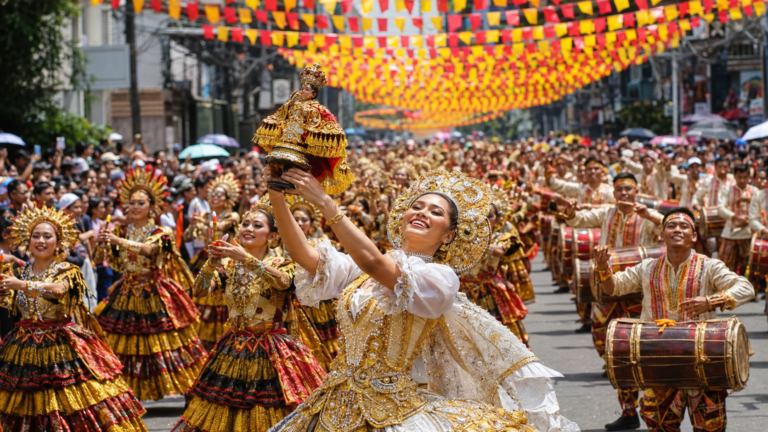
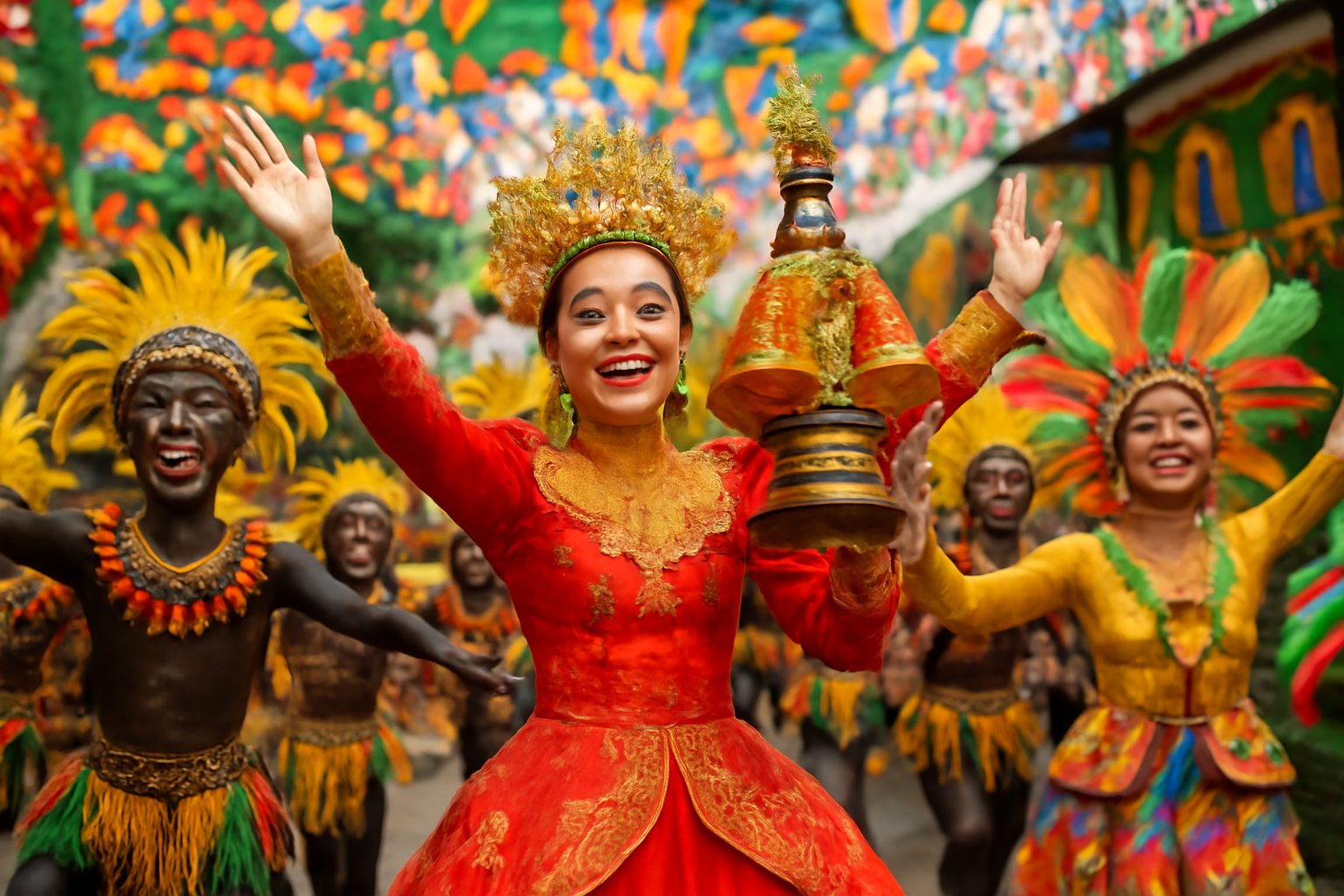
One of the most famous festivals in the Philippines is the Sinulog Festival, held annually in Cebu City in January. The festival celebrates the Santo Niño (the child Jesus) and is deeply rooted in the Filipino Catholic tradition. The highlight of Sinulog is the grand street parade, where participants, dressed in elaborate costumes, perform the famous “Sinulog” dance—a series of steps that symbolize the movement of the river. The rhythm of drums and the chants of “Viva Pit Señor!” echo through the streets, creating an atmosphere of devotion and joy.
Another well-known festival is the Ati-Atihan Festival in Kalibo, Aklan. Held in January as well, this festival celebrates the arrival of the Malay settlers and their peaceful interaction with the indigenous Ati people. The festival is characterized by participants painting their faces with black soot, wearing traditional attire, and dancing to rhythmic beats. The Ati-Atihan is often referred to as the “Mother of All Philippine Festivals” because it served as a model for other regional festivals.
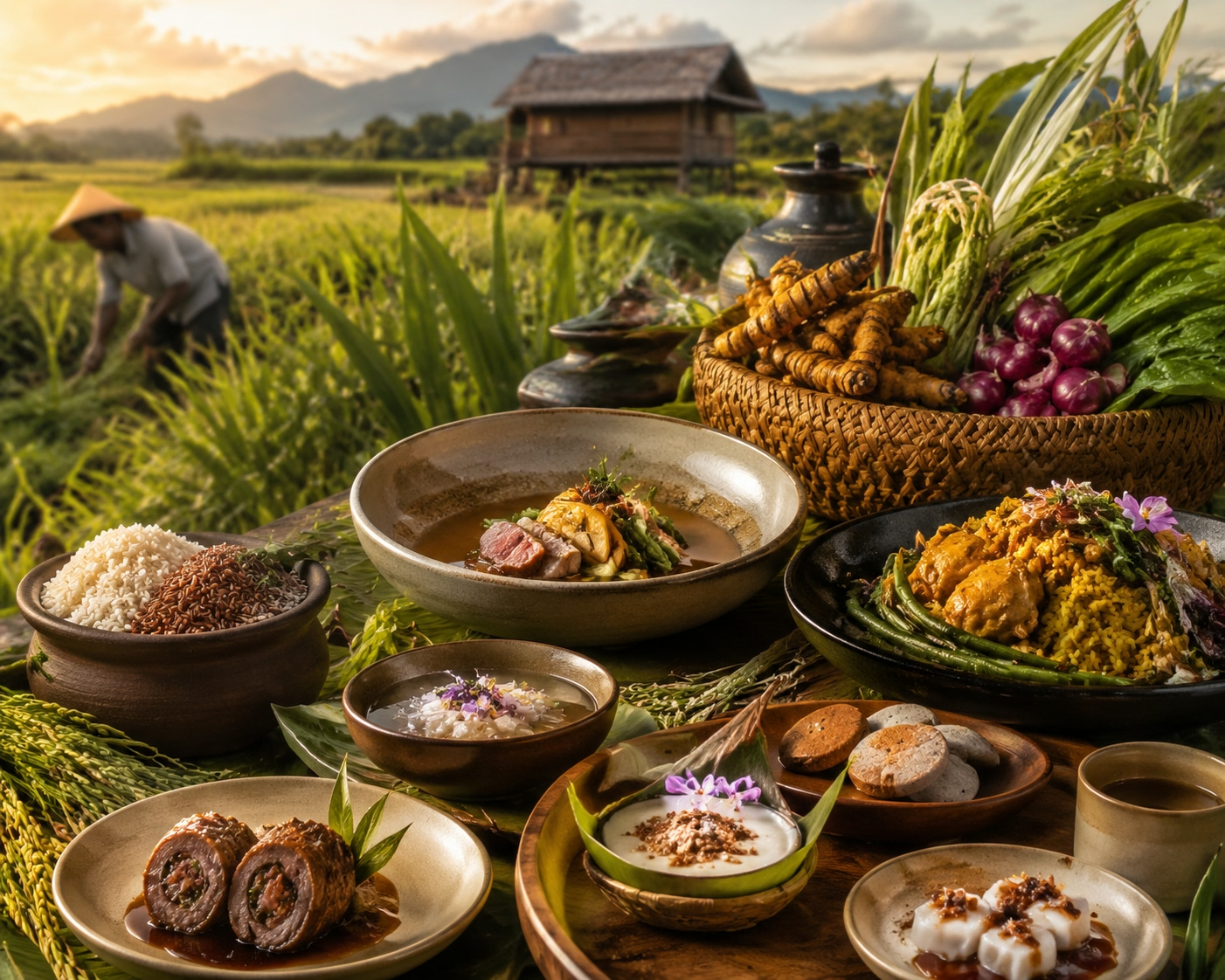
In the month of May, Pahiyas Festival in Lucban, Quezon, takes center stage. This festival is a vibrant display of the agricultural bounty of the region. Locals decorate their homes with colorful and creative displays made from agricultural products such as fruits, vegetables, and rice. The festival is a thanksgiving for a good harvest, and the entire town is transformed into an open-air gallery of art and creativity, showcasing the resourcefulness and spirit of the Filipino people.
The Kadayawan Festival in Davao City, held every August, is another must-see celebration in the Philippines. It honors the indigenous peoples of the Davao region and showcases their cultures, traditions, and history. The festival features street dancing, float parades, and exhibitions of native arts and crafts. It is also a celebration of the region’s natural beauty and bountiful harvest, with a focus on the relationship between the people and the environment.
What makes these festivals stand out is not just the entertainment value but also the deep cultural and spiritual significance. The festivals are an expression of Filipino identity, their love for family, community, and their devotion to faith. The combination of colorful costumes, vibrant performances, and meaningful traditions makes the festivals in the Philippines an unforgettable experience for both locals and tourists alike.
In conclusion, the Philippines’ major festivals are a testament to the country’s rich cultural diversity and its ability to blend tradition with modern entertainment. They are not only a reflection of the country’s history but also a celebration of the Filipino spirit—resilient, joyful, and full of life. These festivals, which continue to evolve, are an essential part of the Filipino identity and a wonderful way for visitors to immerse themselves in the culture and heritage of the Philippines.