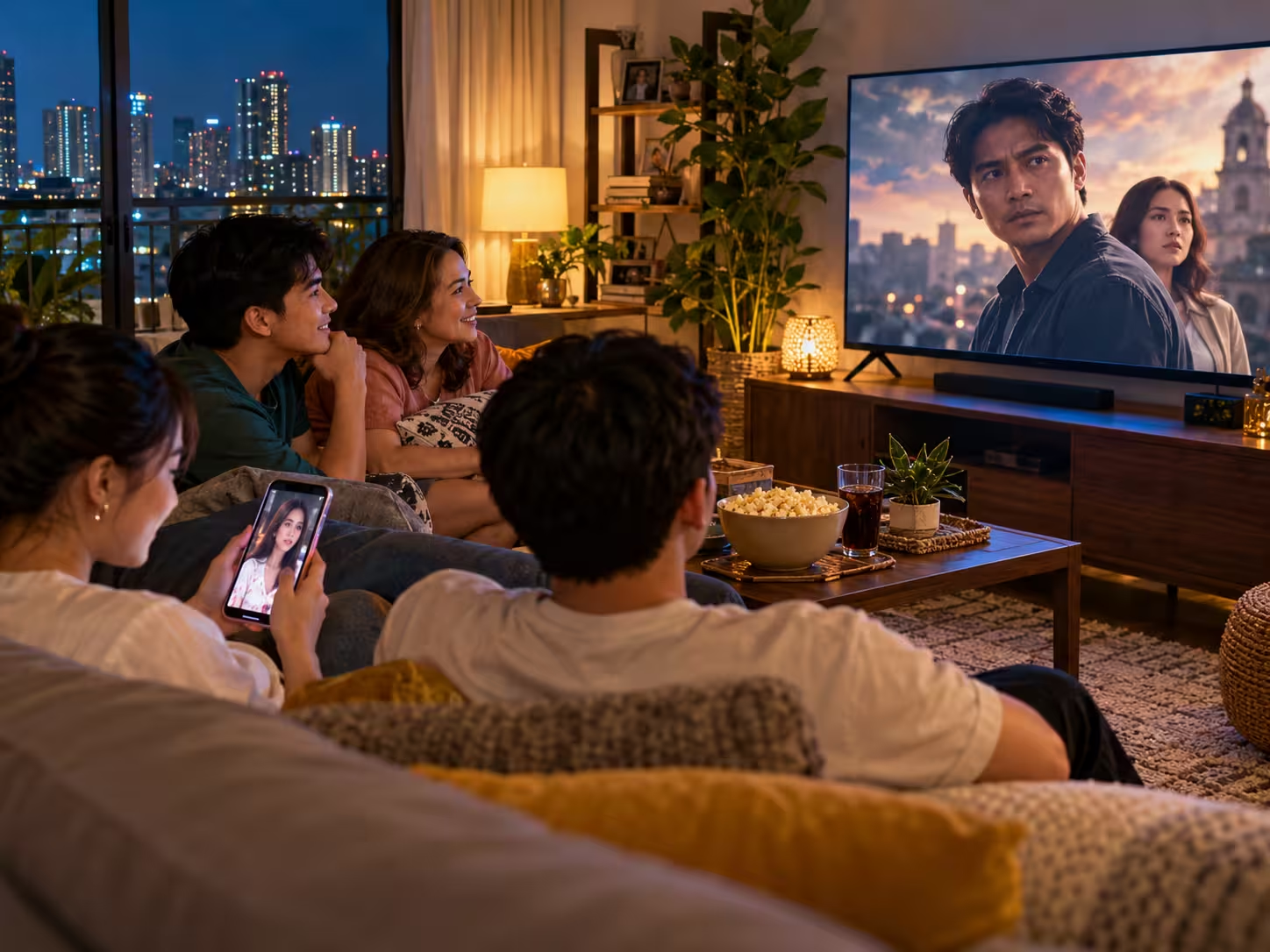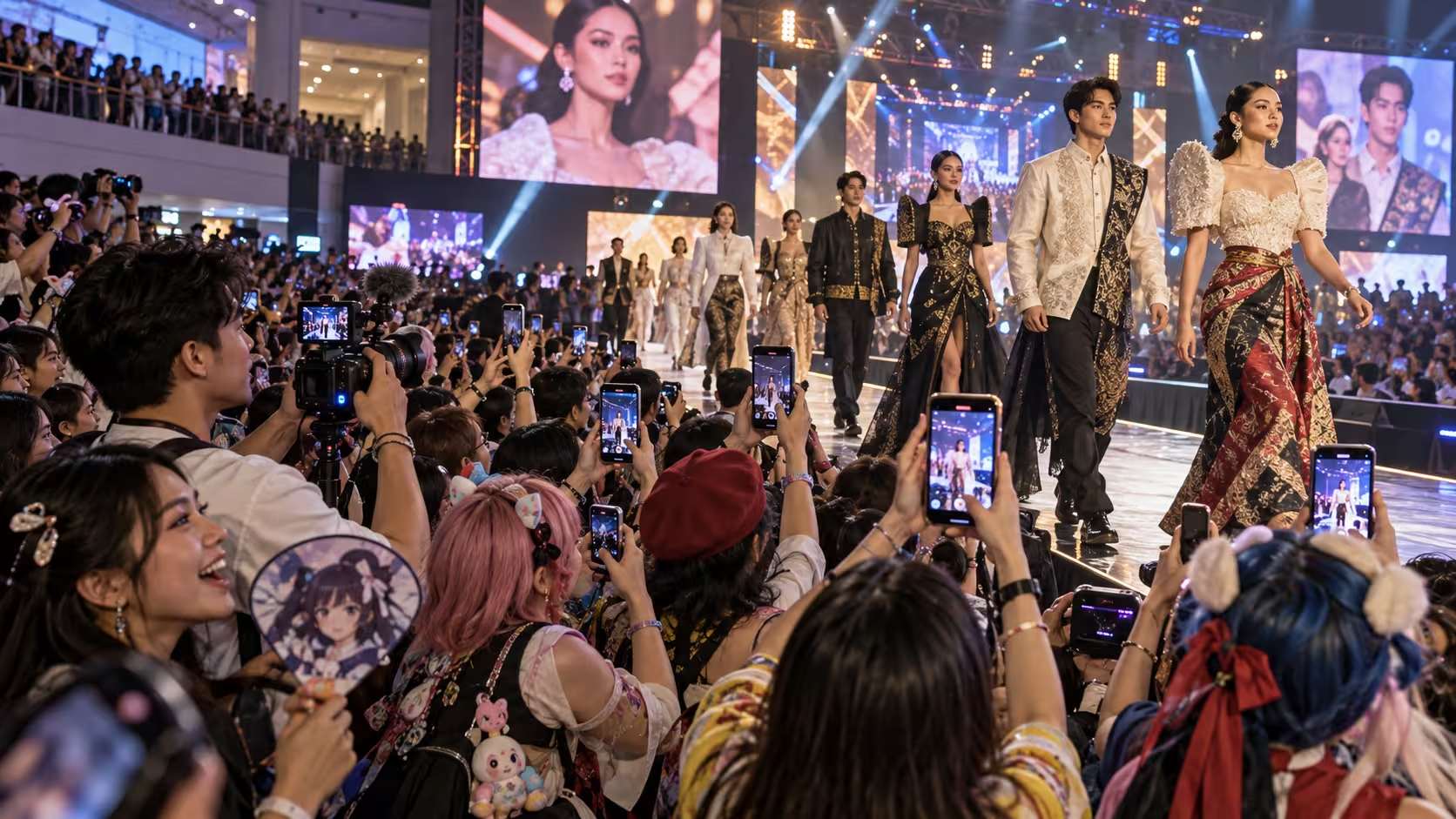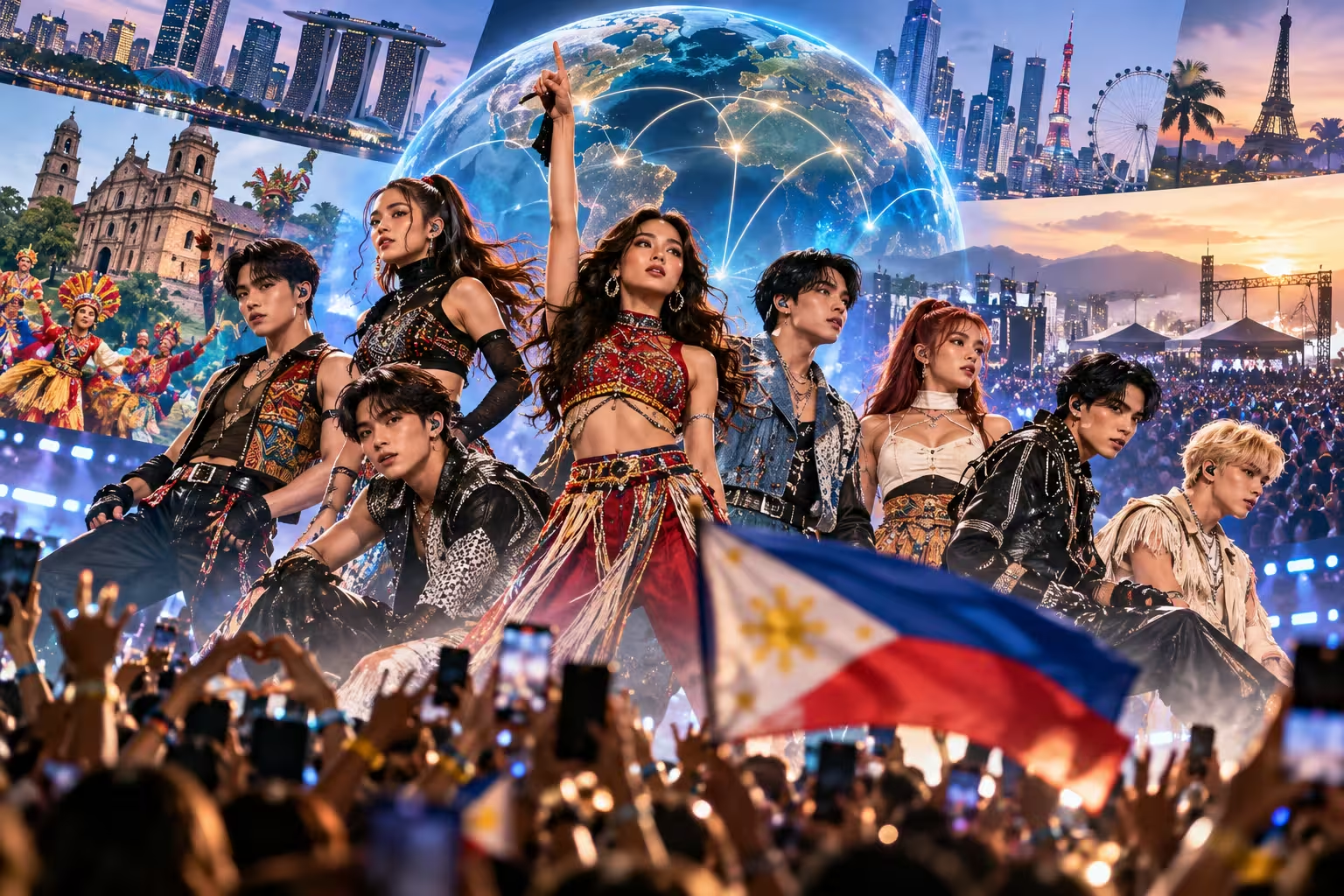

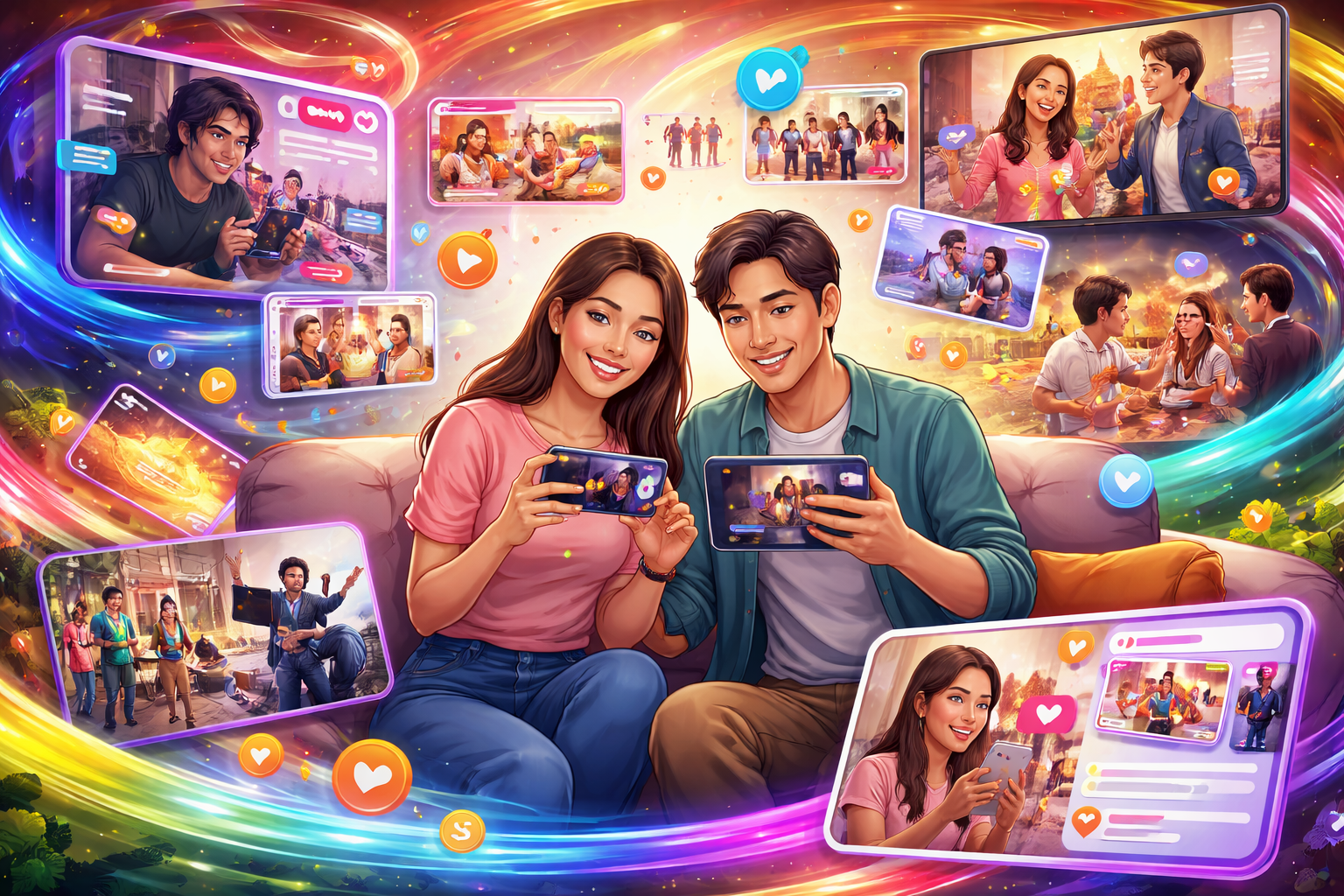
The next phase of video streaming in the Philippines is likely to be defined by convergence: long-form entertainment, short-form feeds, and live interactive formats increasingly overlap. Viewers no longer separate “watching a show” from “scrolling clips,” and platforms are responding by building ecosystems that keep attention within a single app—from discovery to fandom participation.
Short-form video will continue to act as the front door to entertainment. Many users first encounter a series through a scene clip, a meme, or a creator reaction rather than a trailer. This changes marketing strategy. Instead of relying solely on polished promos, platforms benefit from shareable moments—strong hooks, emotional reveals, comedic punch lines, or soundtrack-driven montages. When clips travel, they pull people toward full episodes and related content, turning social attention into streaming demand.
Live and community-based viewing is another growth path. Filipino audiences are highly social online, and live streaming fits that behavior: real-time chat, gifting, creator shout-outs, and watch-alongs transform video into a shared event. This model is especially strong for gaming, music sessions, celebrity interactions, and variety-style content. Even traditional entertainment can become “live-adjacent” when fans gather for episode drops and discuss plot twists in real time across platforms.
Local originals are poised to become more strategic, not only as cultural content but as a competitive moat. Global libraries are valuable, but locally produced series and films can deliver unique relevance—settings, humor, family dynamics, and social themes that resonate deeply. As platforms invest in Philippine storytelling, expect more experiments with format: shorter seasons, tighter episode lengths for mobile-first viewers, and stories designed to generate conversation and shareable scenes.
Another important direction is tier diversification. Audiences will likely see more combinations of premium plans, lower-cost tiers, and ad-supported options. This provides a “ladder” for users: people can start free, upgrade for fewer ads or exclusive releases, then switch plans depending on budget. For platforms, it broadens reach while still capturing revenue from viewers with different willingness to pay.
Technology and infrastructure improvements also influence behavior. Better mobile networks and expanding fiber access can raise tolerance for higher-quality video, but the demand for downloads and data-efficient streaming won’t disappear. Many viewers still optimize around signal fluctuations and commuter lifestyles. Features that respect those constraints—smart compression, reliable offline mode, quick resume, and adaptive bitrate—remain essential.
Finally, the Philippine streaming scene will keep blending professional and creator economies. Creators drive discovery, set trends, and shape taste, while studios provide big-budget storytelling. Partnerships between platforms and creators—cameos, companion aftershows, behind-the-scenes content, and influencer-led promotions—can accelerate adoption and deepen fandom.
What emerges is a market where streaming is less about a single “TV replacement” and more about a connected entertainment loop: clips spark interest, communities amplify conversation, and originals—especially local ones—anchor long-term loyalty.