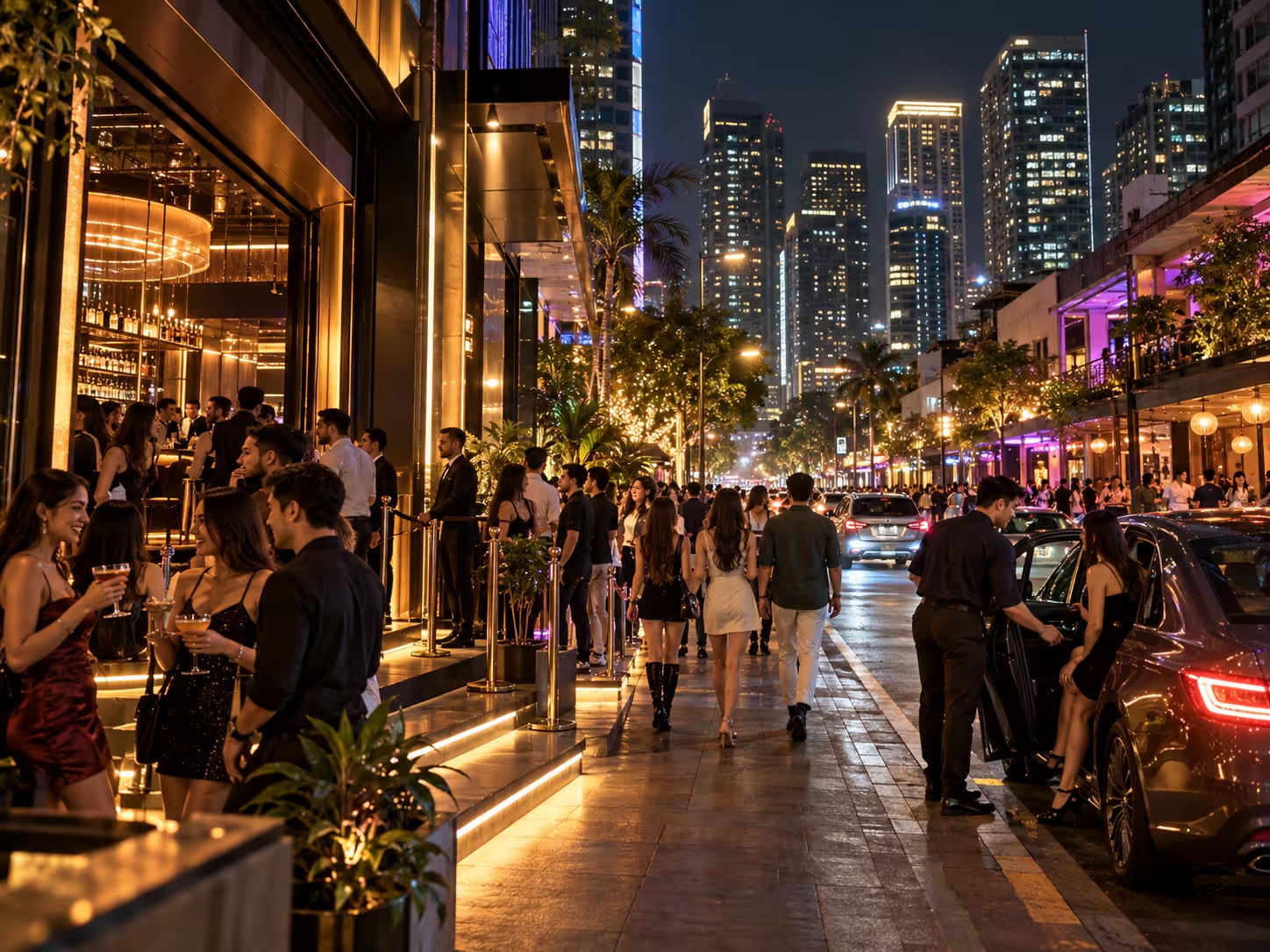
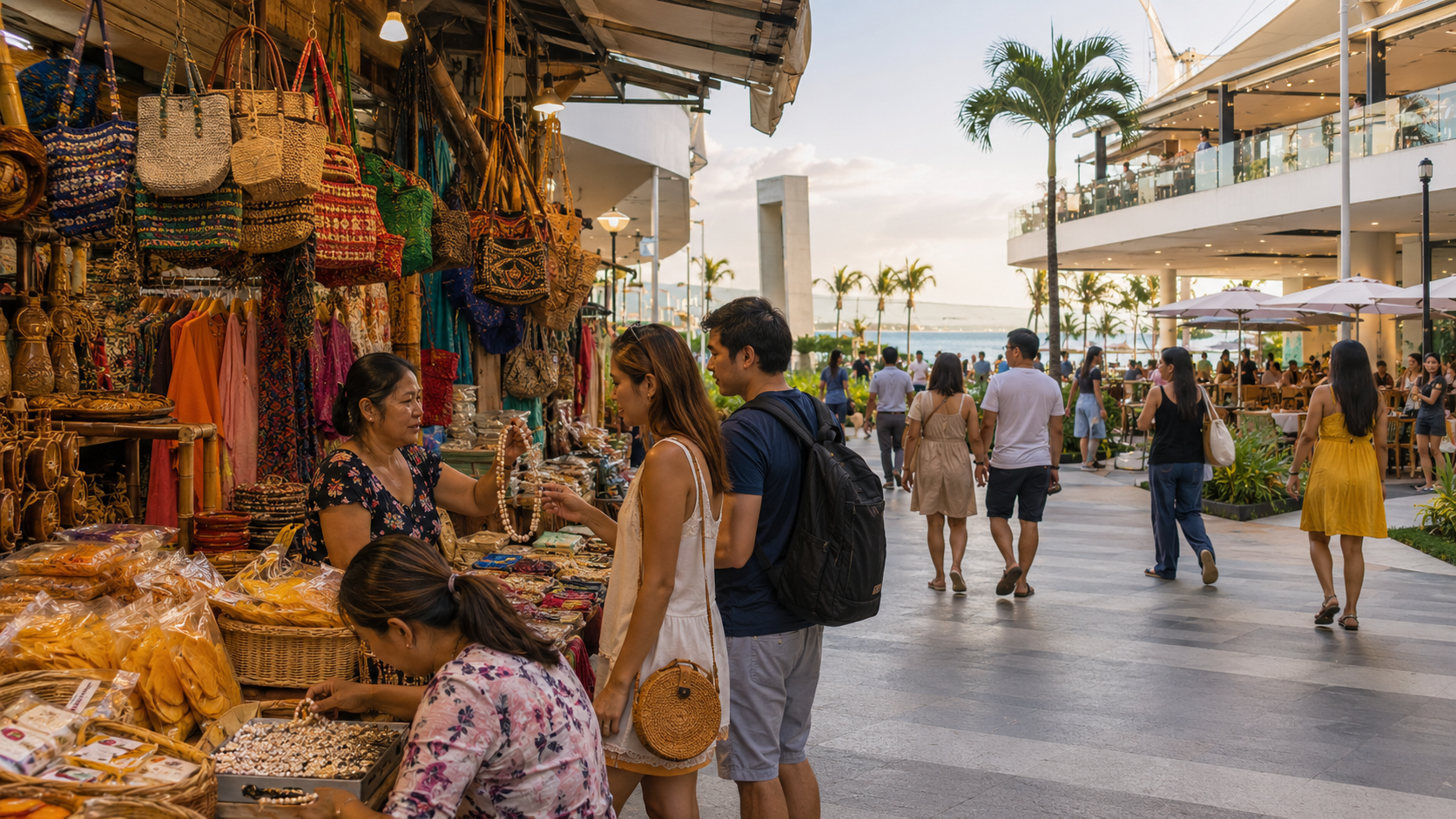
The Philippines presents an unusually broad range of shopping experiences. A traveler may begin the morning negotiating over textiles in a crowded Manila market, spend the afternoon browsing pearl jewelry, and finish the evening at a waterfront mall with international restaurants and entertainment.
This contrast is one reason shopping remains a valuable part of a Philippine itinerary. Traditional markets reveal everyday commercial life, while malls demonstrate how retail, dining, tourism, and recreation have merged in the country’s largest cities.
Where Bargain Hunters Go in Manila
Divisoria is the first destination many residents consider when searching for inexpensive merchandise. The area contains street vendors, wholesale businesses, and shopping buildings offering clothing, shoes, toys, wedding supplies, fabrics, decorations, and household goods.
Prices are often negotiable, particularly when several pieces are purchased. However, the lowest price is not always the best value. Buyers should inspect stitching, materials, packaging, and size labels before paying.
Crowds can become heavy during weekends and peak shopping seasons. Carrying a small bag in front of the body, using smaller banknotes, and avoiding visible valuables can make the visit easier.
Quiapo provides another traditional shopping environment. The surrounding district is associated with religious products, inexpensive eyewear, photography equipment, herbal remedies, street food, and everyday household merchandise.
Shopping for Pearls at Greenhills
Greenhills Shopping Center is widely associated with Philippine pearls. Rows of vendors display necklaces, bracelets, earrings, and loose pearls in different shapes and colors.
Travelers should ask whether pearls are freshwater, saltwater, natural, cultured, dyed, or treated. These differences affect both price and long-term value. Sellers offering costly pieces should be able to provide clear information rather than relying only on verbal claims.
Greenhills also sells fashion products, electronics, collectibles, and mobile accessories. Warranty coverage can vary, so customers should request a receipt and test electronic items before leaving.
Premium Retail Areas in Metro Manila
For travelers seeking a luxury setting, Greenbelt in Makati combines designer boutiques with landscaped gardens and high-end restaurants. The development is connected to the wider Ayala Center district, allowing shoppers to move easily between Greenbelt, Glorietta, department stores, hotels, and transportation points.
SM Mall of Asia offers a different experience. The Pasay complex is designed for full-day visits, with extensive retail options, restaurants, cinemas, event facilities, and attractions close to Manila Bay.
In Taguig, Bonifacio High Street provides an open-air retail corridor surrounded by offices, hotels, residential towers, and dining establishments. Nearby SM Aura expands the selection of fashion, beauty, technology, and lifestyle brands.
Cebu’s Growing Shopping Appeal
Ayala Center Cebu is a practical choice for visitors staying near the city’s business district. Its retail stores, outdoor areas, restaurants, and entertainment facilities make it suitable for both short visits and extended shopping days.
SM Seaside City Cebu is another major destination. Its scale reflects Cebu’s increasing role as a tourism, business, and retail center for the central Philippines.
The official tourism website, Philippines.travel, can help travelers explore additional destinations and plan activities around different Philippine regions.
What Travelers Should Take Home
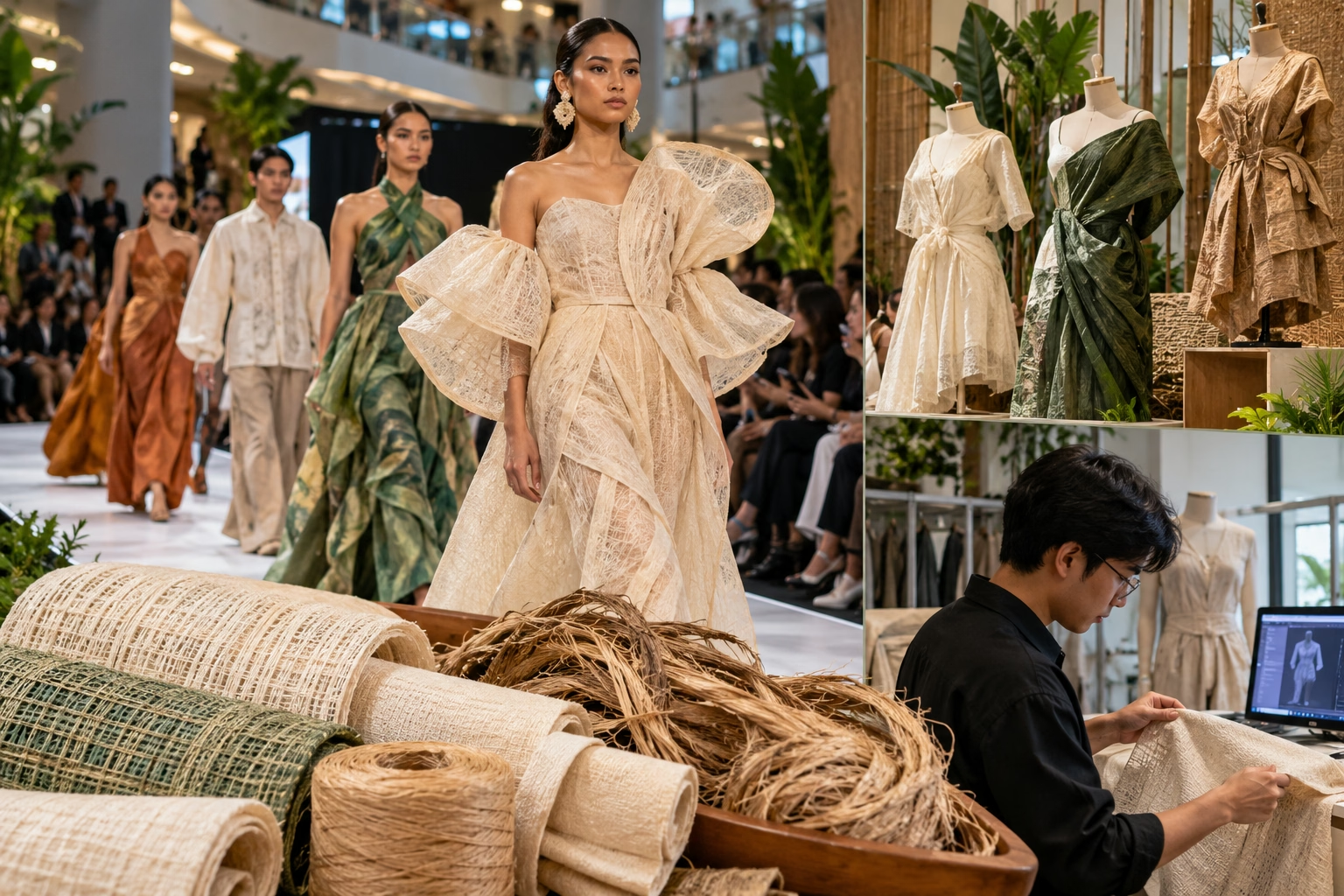
The strongest souvenirs are often connected to regional identity. Examples include abaca-fiber bags, handwoven fabrics, bamboo crafts, local coffee, cacao tablets, dried mangoes, wood products, and capiz-shell decorations.
Shoppers should look beyond appearance and ask who made the product. Purchases from artisan cooperatives, cultural stores, and recognized local producers are more likely to support traditional skills.
Cash is still important in markets, while malls generally accept credit cards and digital wallets. Receipts should be retained for electronics, jewelry, and high-value items, especially when warranty service or customs documentation may be required.