









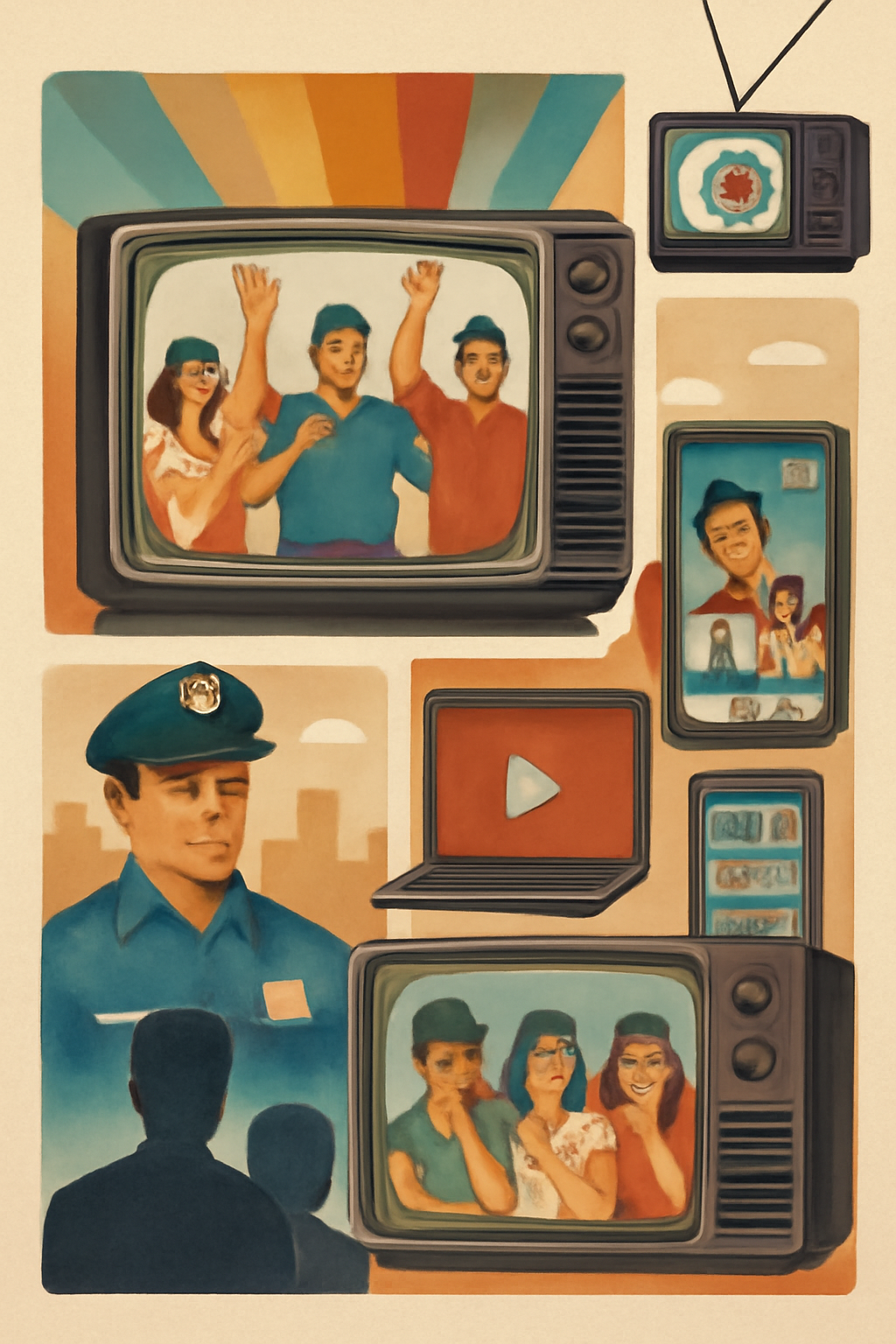
Filipino television has evolved significantly over the decades, playing a crucial role in shaping the country’s culture, entertainment, and information. From its early beginnings in the 1950s to the digital age of streaming services, television in the Philippines has been a primary medium for both entertainment and news. In this article, we will explore the history, impact, and some of the most popular TV programs in the Philippines today.
The Growth of Philippine Television
Television in the Philippines officially began in 1953 with the establishment of the first television station, ABS-CBN. It initially broadcasted limited programming, and the reach was confined to a small area around Manila. Over the years, however, technological advancements allowed television to spread across the nation, with two major networks, ABS-CBN and GMA Network, competing for viewership.
The rise of cable and satellite television in the 1990s further expanded the number of channels, giving Filipino audiences access to a wider variety of content, from international shows to locally produced dramas and reality shows.
The Influence of Television on Filipino Culture
Television in the Philippines has significantly influenced cultural norms, social behavior, and even politics. Filipino TV programs, whether news, drama, or reality shows, have shaped public opinion and provided a platform for important social issues. Popular TV personalities and actors often become household names, and their influence can extend beyond entertainment, with some becoming involved in politics or philanthropy.
Popular TV Programs in the Philippines
- It’s Showtime – One of the longest-running noontime shows in the Philippines, “It’s Showtime” is a variety program that combines musical performances, comedic sketches, and engaging games. The show, which has been on air since 2009, features a star-studded cast and a wide range of segments that appeal to different demographics. It has become a staple in Filipino households, drawing millions of viewers every day.
- Eat Bulaga! – Another iconic noontime show, “Eat Bulaga!” has been running since 1979. This program is known for its fun-filled games, comedic skits, and live performances. The show has earned a loyal following over the years and has even inspired spin-off shows and adaptations in other countries.
- FPJ’s Ang Probinsyano – This action-packed drama series, based on the 1997 film of the same name, has been a massive hit since it first aired in 2015. The show stars Coco Martin as Cardo Dalisay, a police officer who faces numerous challenges in his fight against crime. “FPJ’s Ang Probinsyano” has become one of the longest-running prime-time dramas in the history of Philippine television.
- PBB (Pinoy Big Brother) – The Philippine version of the international reality series “Big Brother” has captured the attention of Filipino audiences for over a decade. Contestants, known as housemates, live together in a house with cameras capturing their every move. The show has produced several celebrity winners, and its format has been adapted in various countries around the world.
The Future of Television in the Philippines
The rise of online streaming platforms such as Netflix, YouTube, and iWantTFC has changed the way Filipinos consume television content. Traditional television networks are now focusing on digital platforms to reach a younger, tech-savvy audience. Despite this shift, traditional TV networks continue to maintain a strong presence, with their programming still dominating the mainstream.
As technology continues to advance, the future of television in the Philippines seems bright. New content formats, such as web series and digital-first programming, will likely continue to grow, ensuring that the Filipino audience always has access to fresh and engaging content.