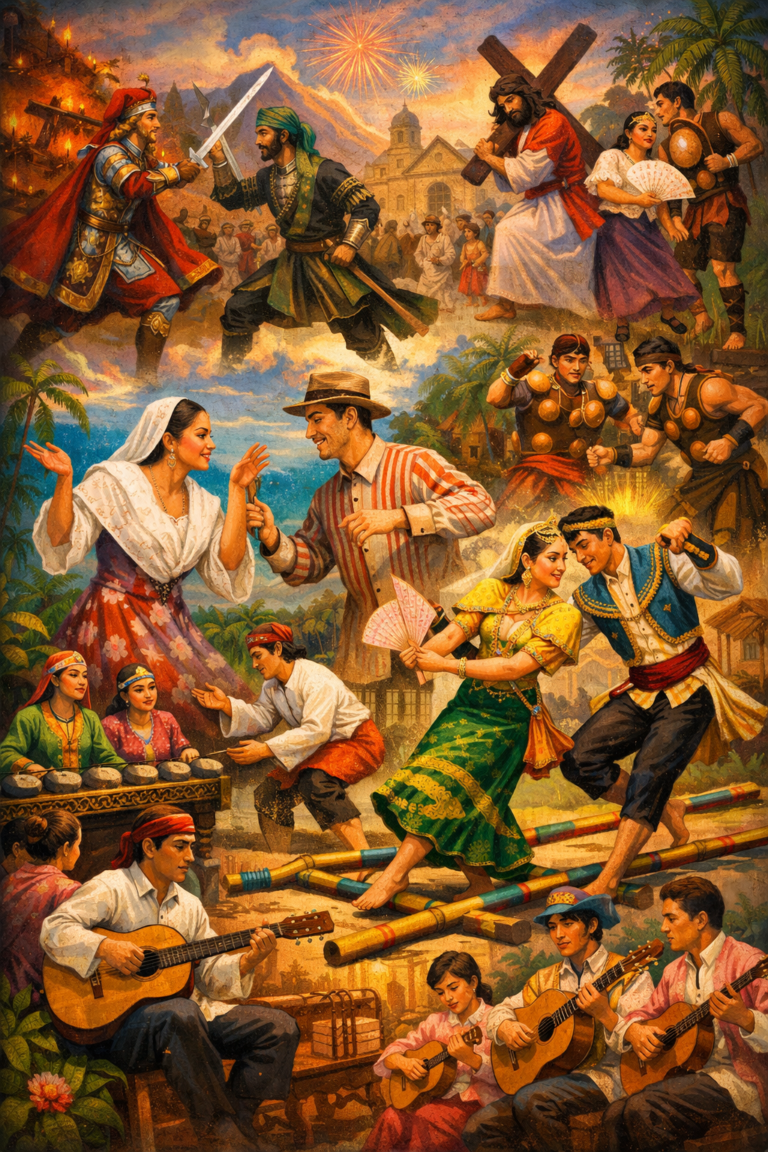



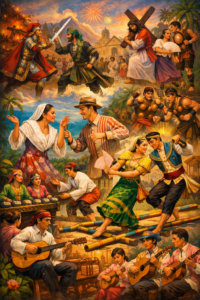





In the Philippines, food and festivals are intrinsically linked, creating a unique cultural experience that celebrates tradition, history, and community. Filipino food, rich in flavors and influences from various cultures, plays an integral role in the country’s festive celebrations. Each dish served during festivals holds meaning and is steeped in customs that have been passed down through generations. From savory to sweet, the food in Filipino festivals provides a window into the vibrant and diverse culinary heritage of the nation.
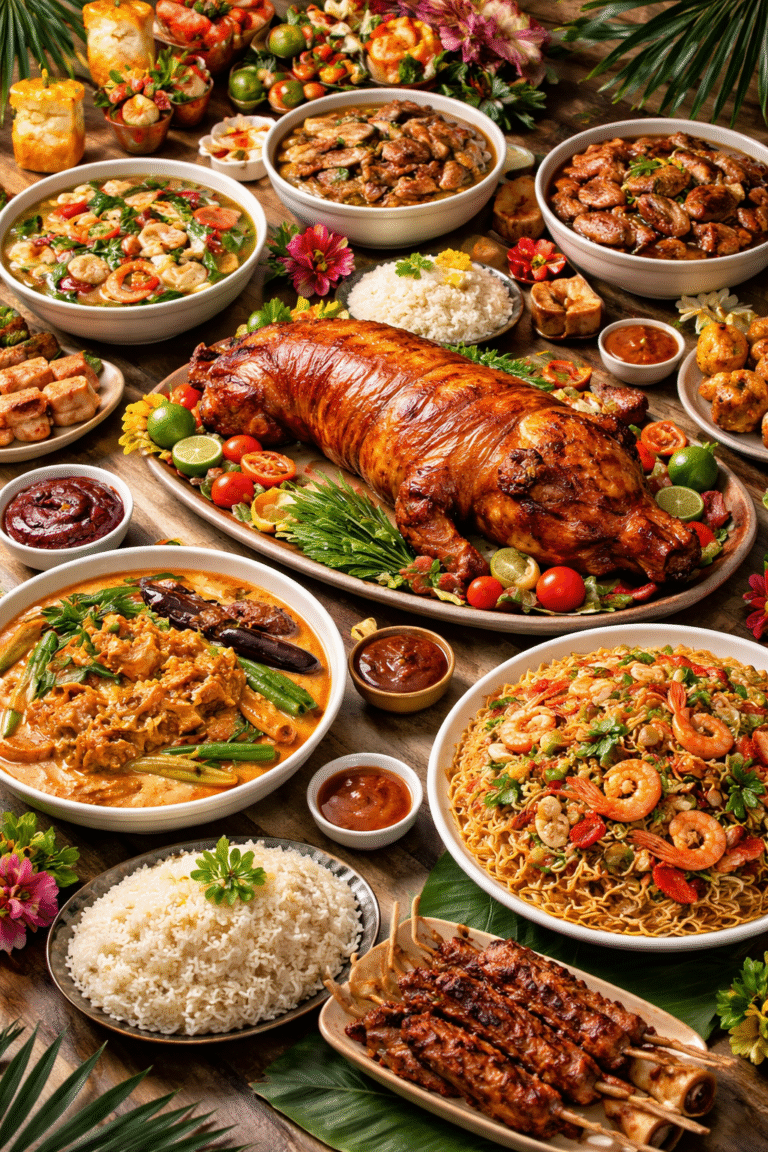
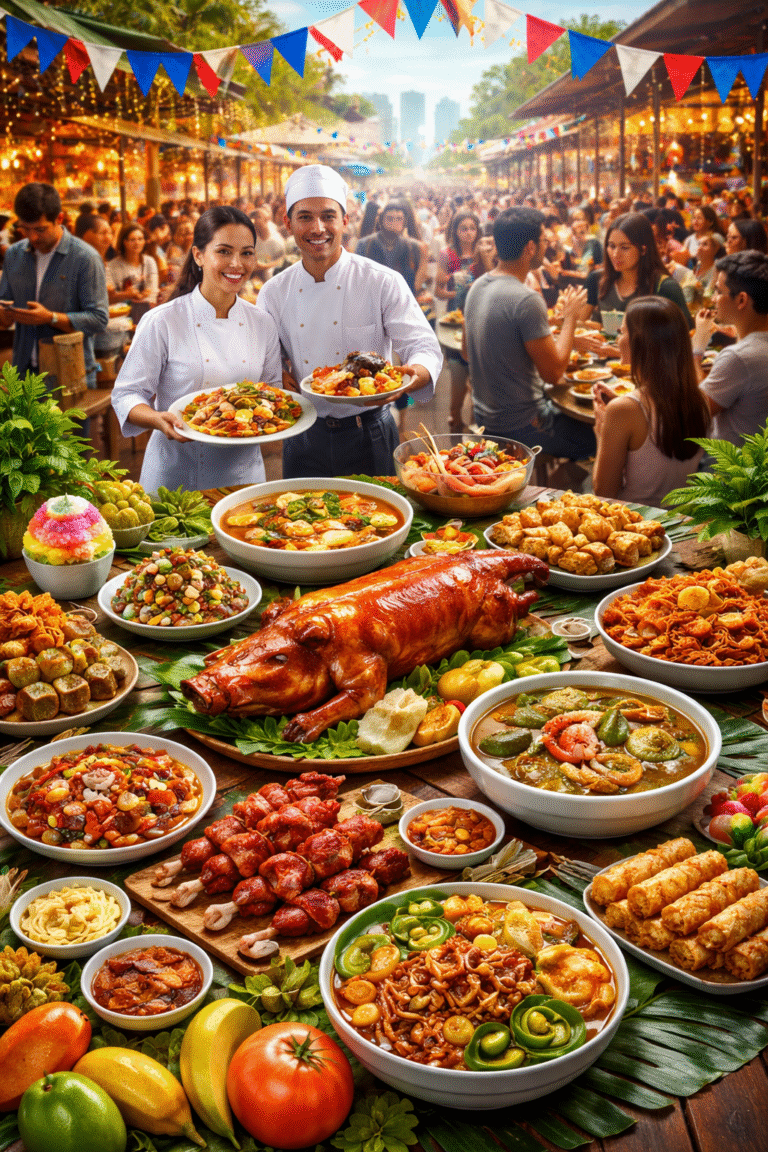
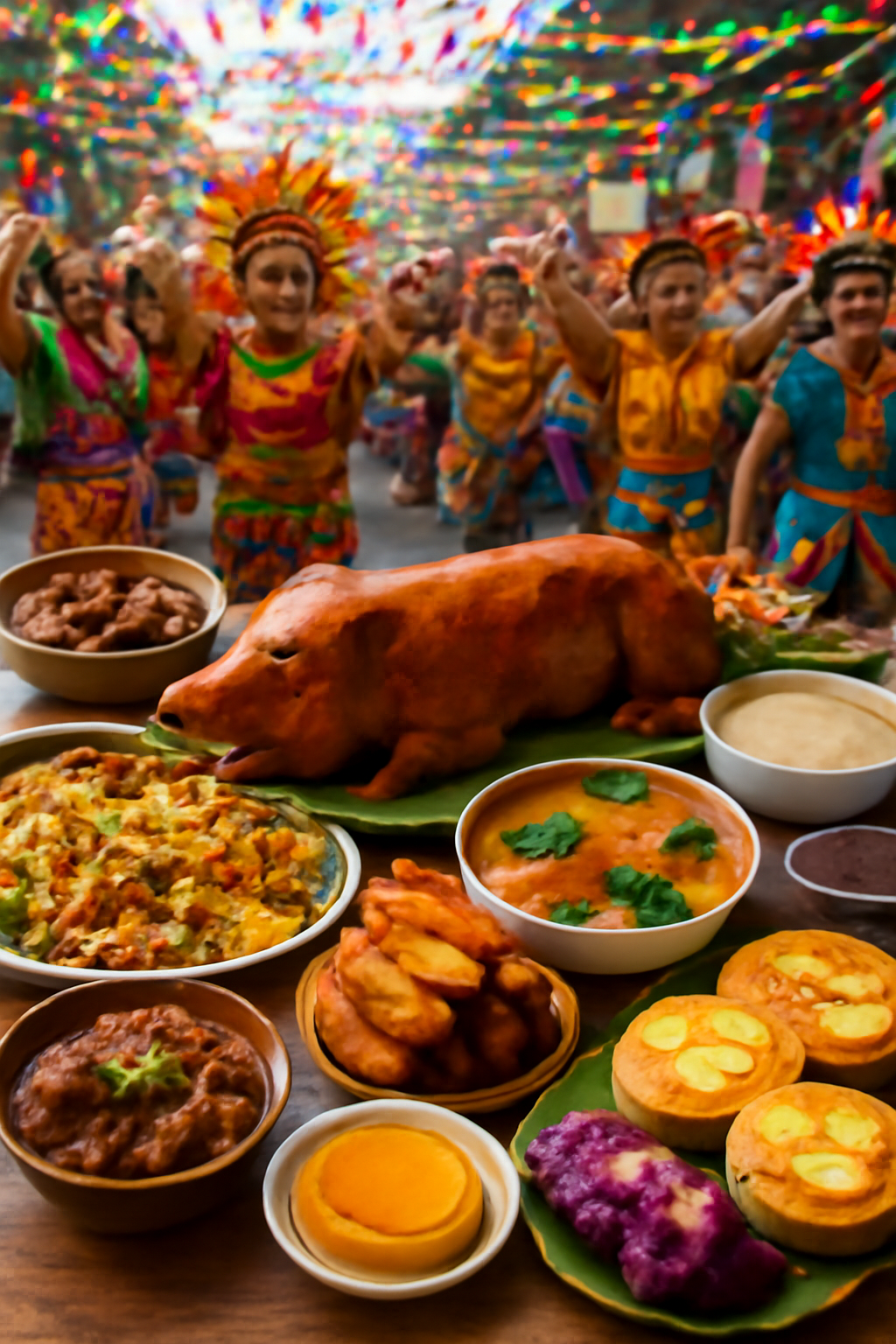
One of the most iconic and beloved dishes served during Filipino festivals is Lechon. This whole roasted pig, often the centerpiece of large feasts, is a staple at major celebrations like Christmas, weddings, and local fiestas. The preparation of Lechon is a social event in itself, with families and communities gathering to roast the pig, often over an open fire. The dish’s crispy skin and tender meat are enjoyed by everyone, making it a symbol of abundance and togetherness. It is a reflection of Filipino hospitality, where food is shared in large quantities to foster a sense of community and unity.
Another important dish that frequently appears at Filipino celebrations is Pancit, a noodle dish associated with long life and good health. Different versions of Pancit are made in various regions, each with its own distinctive flavors and ingredients. Pancit Bihon, a stir-fried dish made with thin rice noodles, chicken, pork, and vegetables, is one of the most common forms served during birthdays and special occasions. Pancit Malabon, with its seafood-based sauce, and Pancit Canton, made with egg noodles and soy-based sauce, are other popular varieties. Pancit is a dish that brings good fortune, and its inclusion in festivals is a testament to its cultural significance.
Street food also plays a major role in Filipino festivals, particularly in events like Sinulog in Cebu or Kadayawan in Davao. Banana Cue, made by deep-frying caramelized bananas on sticks, is one of the most popular snacks during these celebrations. It’s a sweet, satisfying treat that people enjoy while participating in parades and street performances. Adobo, another beloved dish, often appears at family gatherings and larger festivals. Made from marinated pork or chicken cooked in soy sauce, vinegar, garlic, and spices, Adobo is considered the national dish of the Philippines. Its versatile flavor profile makes it a crowd-pleaser, and it is often paired with rice to form the foundation of any festive meal.
Kare-Kare, a peanut-based stew made with oxtail, tripe, and vegetables, is another dish that frequently graces the tables during Filipino festivals. Often served at fiestas, this dish is a communal meal that emphasizes the Filipino value of sharing. The dish’s creamy texture and the addition of Bagoong (fermented shrimp paste) add a salty contrast to the rich peanut sauce, making it a flavorful choice for large gatherings. Kare-Kare symbolizes the spirit of community and unity, as it is typically served in large pots for everyone to share.
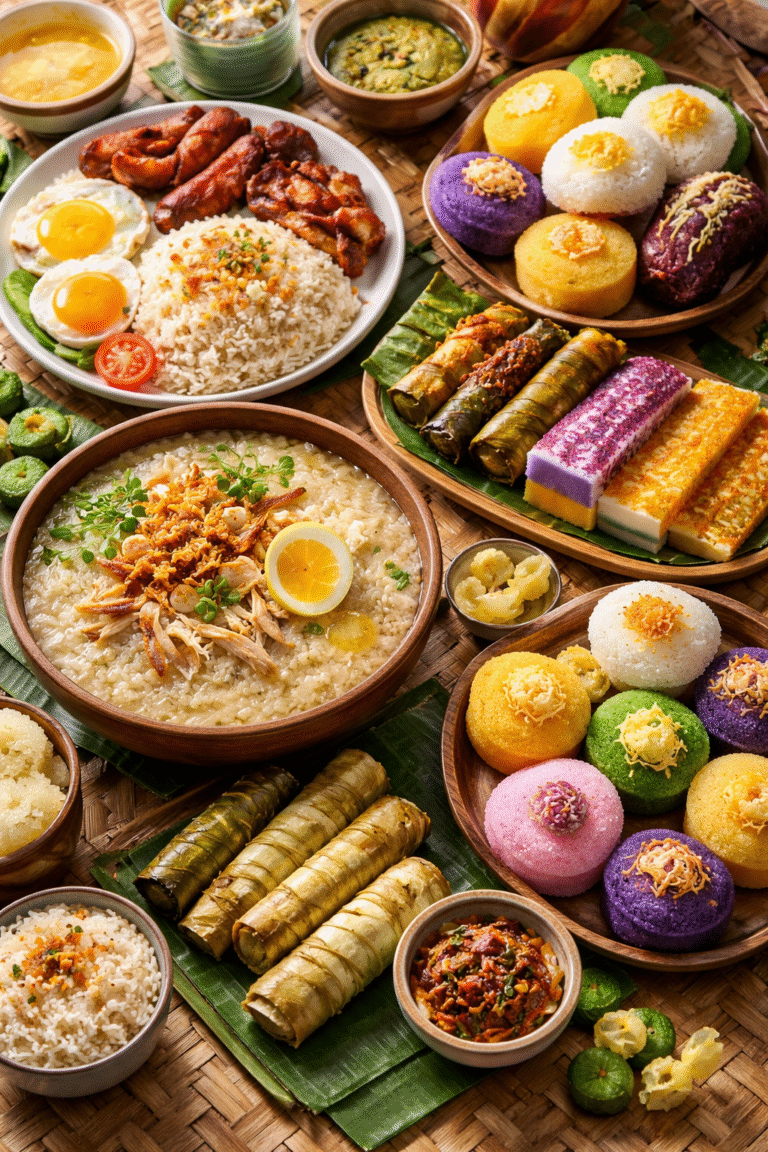
No Filipino feast would be complete without a selection of desserts. Bibingka, a rice cake made with coconut milk and rice flour, is a beloved treat during Christmas, especially after attending the Simbang Gabi. The dish is often topped with salted eggs and cheese, adding a savory contrast to its sweetness. Puto Bumbong, another traditional dessert, is made from purple sticky rice, steamed in bamboo tubes, and topped with coconut and sugar. This dish is often served during Christmas and other local festivals and has become a symbol of Filipino culinary ingenuity.
One of the most popular and cherished desserts in Filipino festivals is Leche Flan, a rich custard dessert made with eggs, sugar, and milk. Its creamy texture and sweet flavor make it the perfect way to end a festive meal. Leche Flan is often served at weddings, birthdays, and other important events, and its presence signifies joy and celebration.
Filipino festivals, with their delicious array of traditional dishes, serve as a reminder of the importance of food in Filipino culture. It is through food that Filipinos come together to celebrate, share stories, and honor their heritage. From Lechon to Pancit, each dish tells a story of the country’s history and values, making food a central part of the Filipino festival experience. These dishes not only nourish the body but also connect the soul, allowing Filipinos to celebrate their culture with every bite.
As each festival comes and goes, the tradition of preparing and sharing these dishes ensures that Filipino food remains at the heart of every celebration. Food in Filipino festivals is more than just a meal—it’s an embodiment of love, tradition, and the enduring Filipino spirit of hospitality.