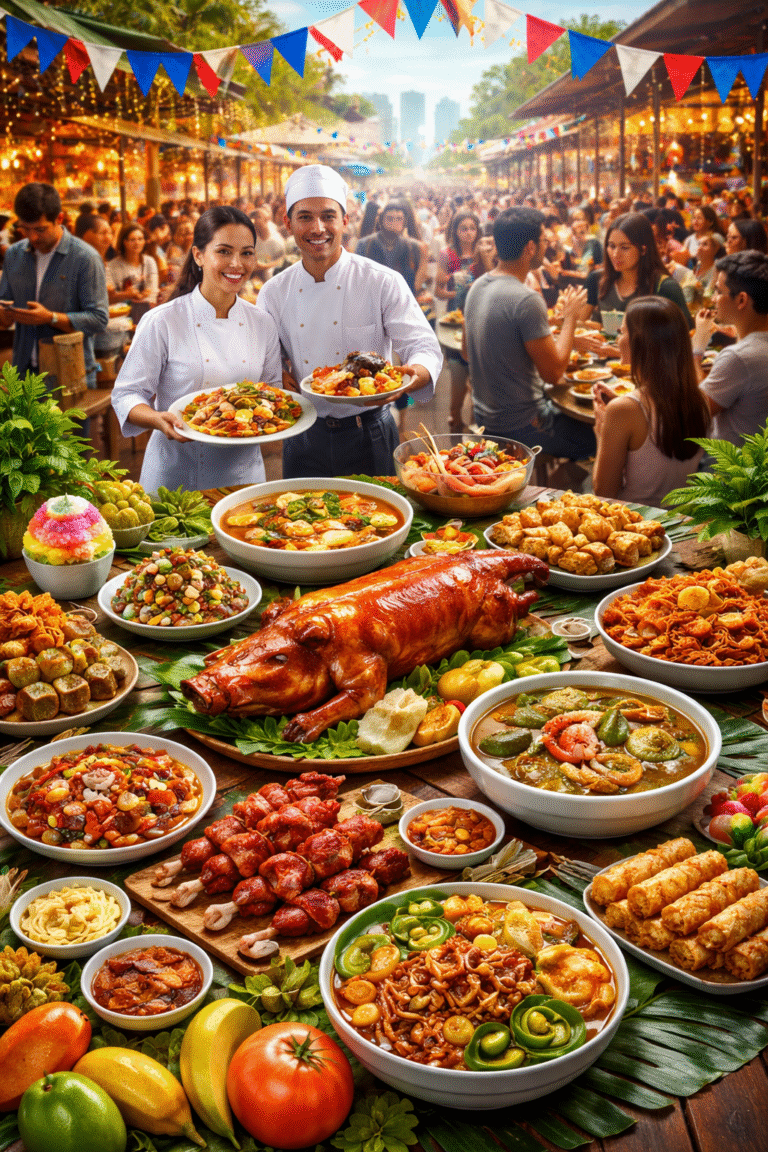











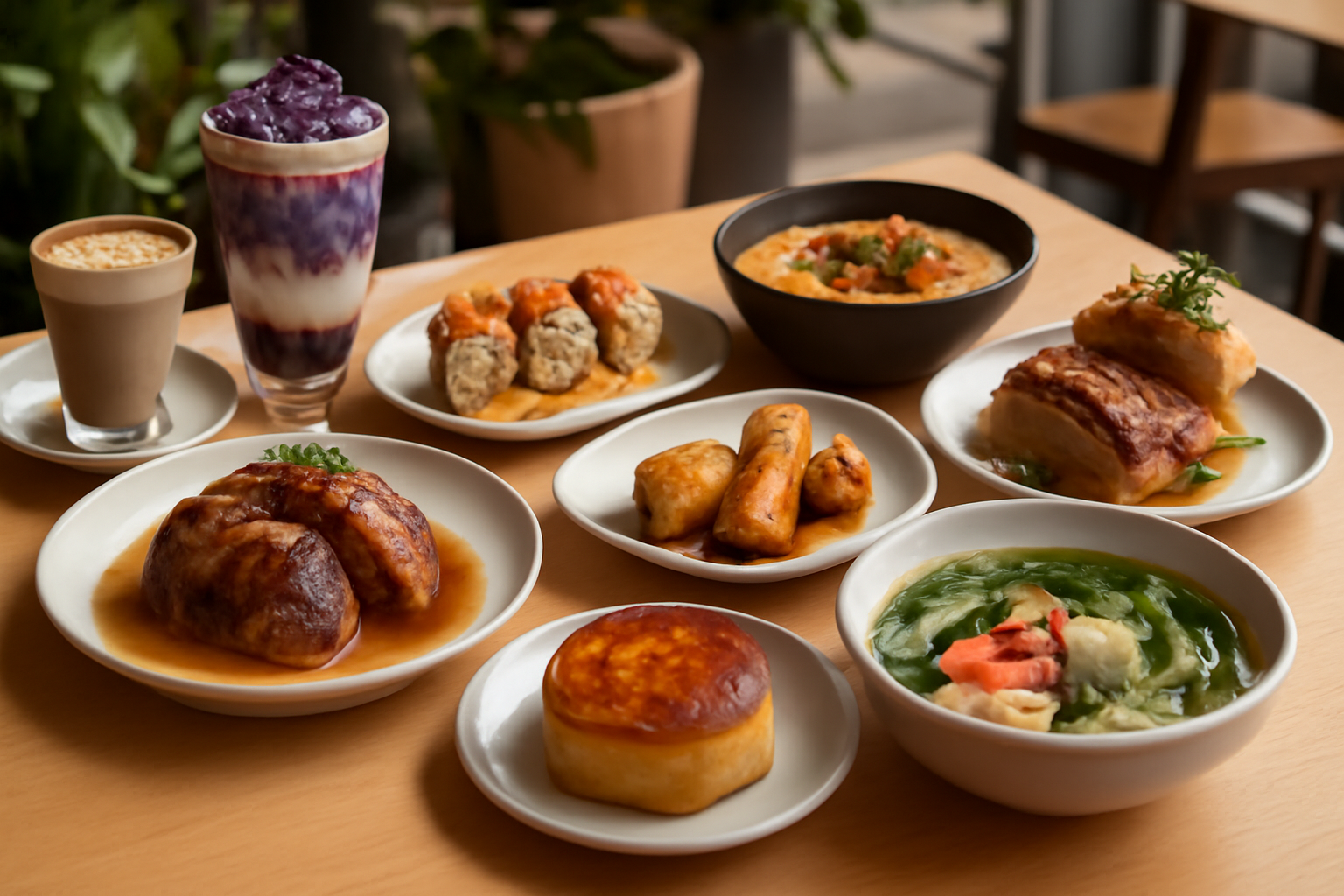
The evolution of Filipino cuisine in modern restaurants and cafes is an exciting development in the world of gastronomy. Once a relatively underrepresented cuisine on the global culinary stage, Filipino food has now captured the attention of food lovers worldwide. This surge in popularity can be attributed to the growing interest in diverse and bold flavors, as well as the innovative ways in which Filipino dishes are being reinterpreted and presented in modern dining venues.
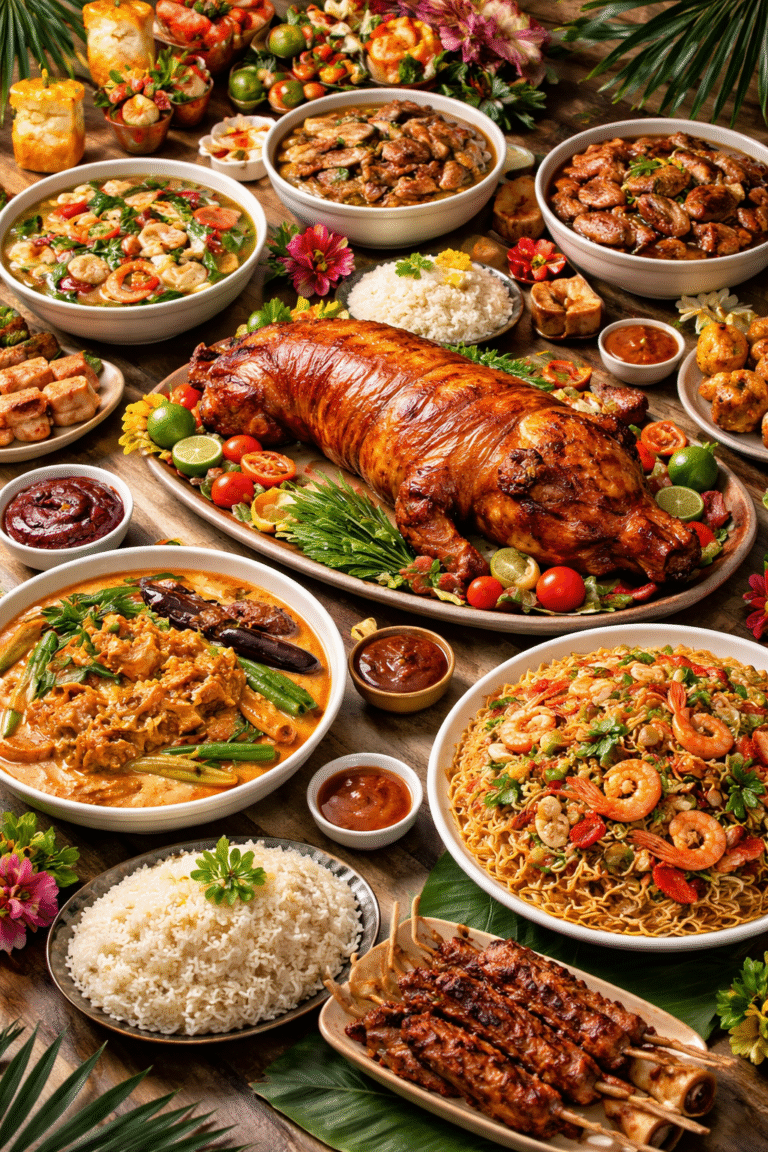
Filipino cuisine offers a unique combination of savory, sweet, sour, and salty flavors, which makes it an appealing option for those seeking something different from traditional Western or even other Asian cuisines. Dishes such as adobo, lechon, and sinigang are becoming more widely recognized and appreciated for their balance of flavors and comforting appeal. Filipino food’s ability to marry simplicity with complexity makes it perfect for both home-style meals and refined dining experiences.
Modern chefs are taking traditional Filipino dishes and giving them a fresh, contemporary twist. For example, adobo is being reimagined in fine dining establishments with sous-vide cooking, resulting in perfectly tender and flavorful meat that is more refined than its traditional counterpart. Similarly, sinigang is often reinterpreted in avant-garde restaurants where the soup is served as a delicate broth accompanied by deconstructed ingredients, allowing diners to experience the dish in a new and exciting way.
In addition to modernizing traditional Filipino entrees, chefs are also introducing Filipino fusion dishes that blend local ingredients with global culinary trends. This fusion approach has resulted in innovative creations such as Filipino-style sushi, where lechon or adobo is used as a filling in place of traditional fish, and Filipino-inspired ramen, where the rich flavors of Filipino stews are incorporated into the Japanese noodle soup.
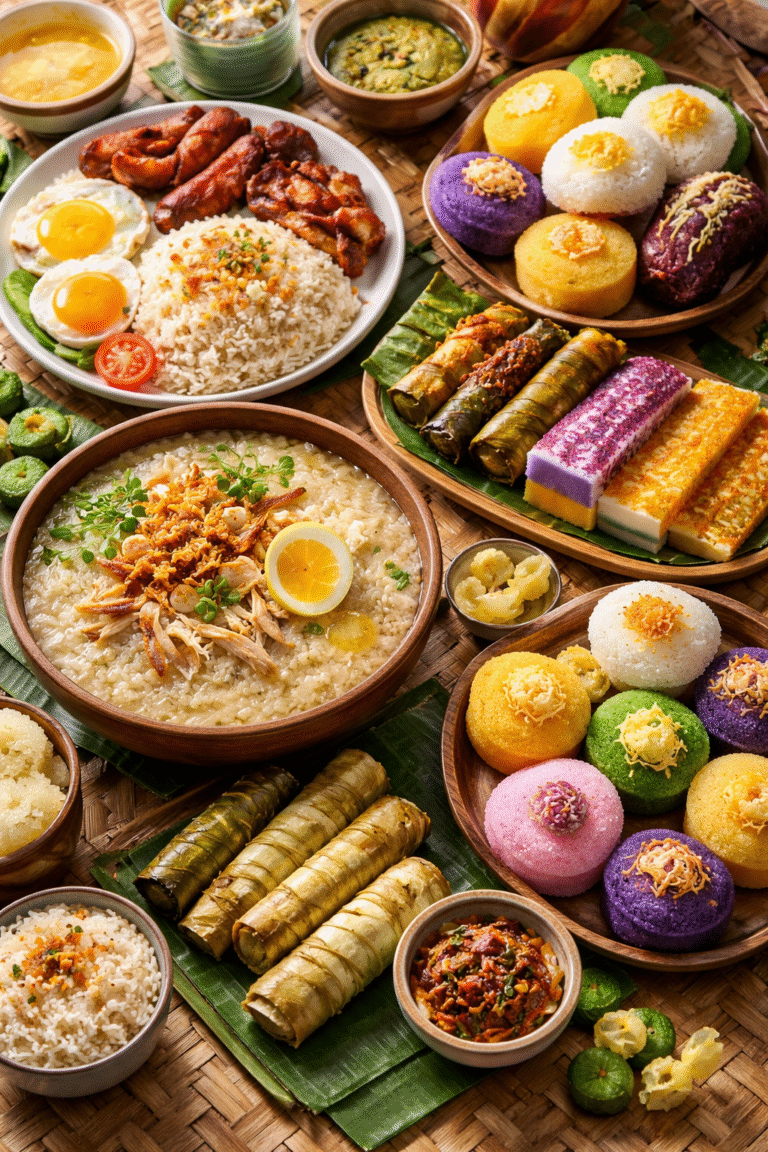
Desserts are also playing a significant role in the rise of Filipino food in modern cafes. Traditional Filipino sweets, such as leche flan, bibingka, and turon (banana spring rolls), are being reinterpreted using modern presentation techniques, making them more visually appealing and exciting to a new generation of diners. For instance, bibingka is often served in sleek, individual portions, and halo-halo is presented in elegant glass containers, transforming these classic desserts into artistic culinary creations.
The modern Filipino dining experience is also characterized by an emphasis on sustainability and the use of locally sourced ingredients. Many Filipino restaurants are committed to promoting farm-to-table practices, highlighting the importance of fresh, organic produce in Filipino cooking. This focus on sustainability aligns with the global trend toward more environmentally conscious dining and further elevates the appeal of Filipino food in contemporary settings.
Finally, the role of Filipino cafes in this culinary evolution should not be overlooked. These casual dining spots often offer a more accessible introduction to Filipino cuisine, serving up both traditional and modern interpretations of classic dishes. From offering specialty coffee drinks made with Filipino ingredients like coconut milk to serving up small plates of lumpia (spring rolls) or a comforting bowl of arroz caldo (rice porridge), these cafes are helping to introduce the flavors of the Philippines to a wider audience.
The increasing prominence of Filipino cuisine in trendy restaurants and cafes is not just a passing trend but an indication of the growing global recognition of the richness and diversity of Filipino culinary traditions. As chefs continue to experiment with flavors, textures, and presentation, Filipino food will continue to evolve, making it an exciting addition to the modern dining scene.