





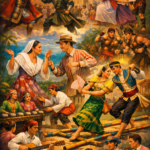



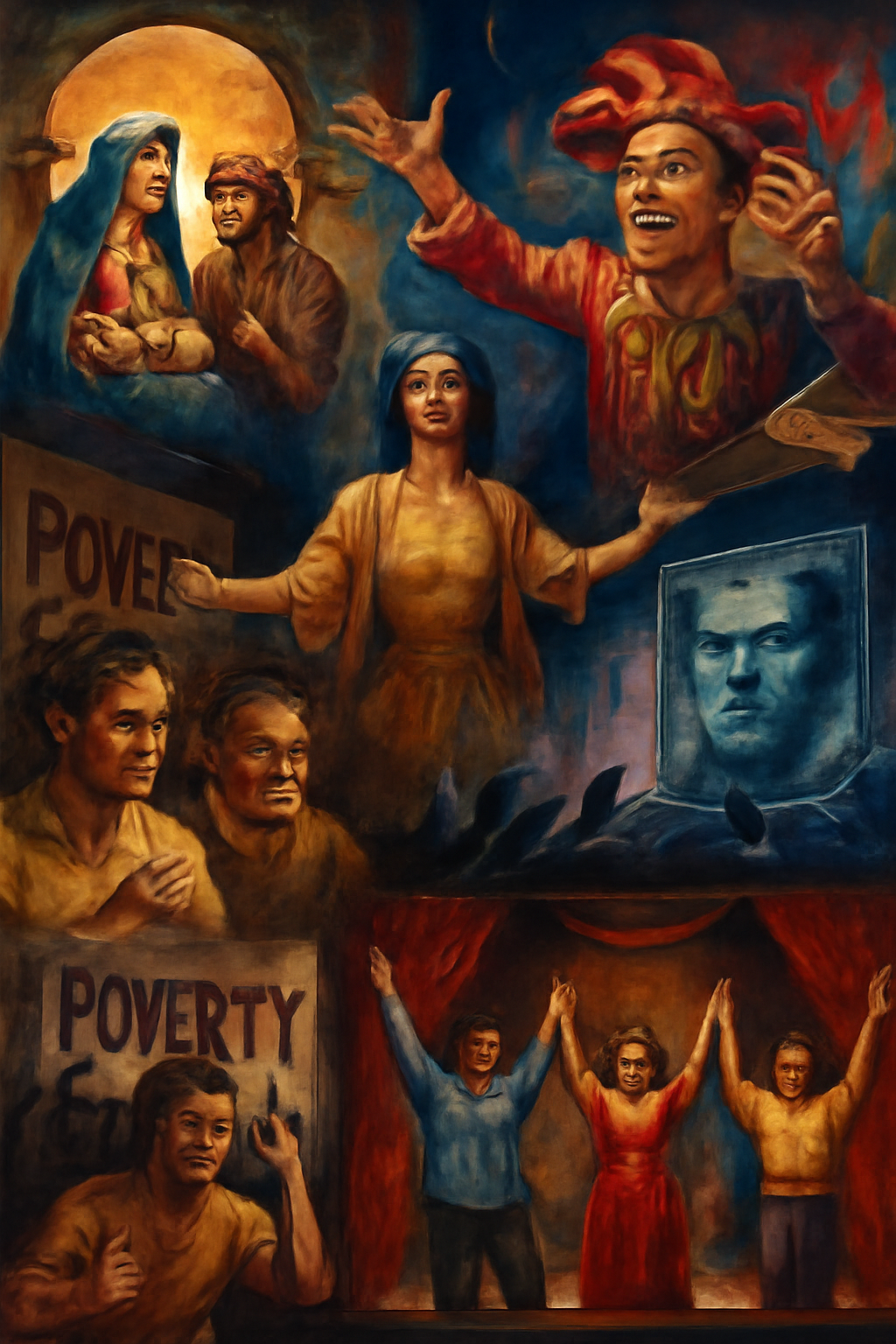
Philippine theater is a dynamic blend of tradition, history, and modern-day experimentation. From performances rooted in ancient folklore and rituals to avant-garde works that challenge traditional theatrical forms, Filipino theater has a long history of adaptability and growth. As it evolves, it continues to captivate audiences with its unique combination of cultural expression and modern sensibilities.
Roots of Filipino Theater
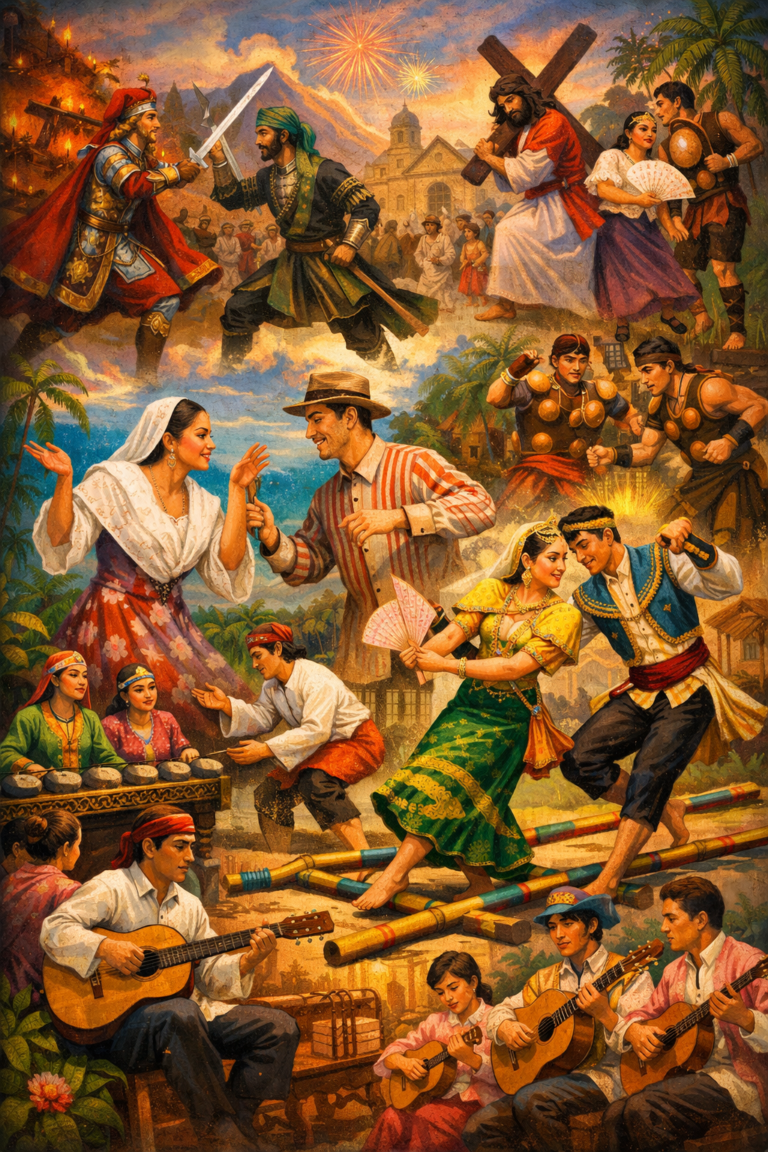
The early traditions of Filipino theater can be traced back to indigenous performances, such as “panunuluyan”, a dramatic reenactment of the nativity story, and “komedya”, a performance genre influenced by Spanish theater. These early forms were vital in preserving Filipino folklore and traditions. Over time, colonial influences, particularly from Spain and later the United States, transformed the theater scene, introducing Western-style plays and musicals while still incorporating Filipino stories and cultural references.
Major Theater Companies and Contributions
Philippine theater has seen the emergence of various influential theater companies over the years. PETA has been a driving force in producing plays that tackle socio-political issues, while Tanghalang Pilipino focuses on preserving Filipino language and heritage through theater. These companies have given rise to many iconic productions, and they continue to shape the cultural landscape with their diverse approaches to storytelling.
Social Commentary and Criticism in Theater
Theater in the Philippines often serves as a form of social commentary, addressing pressing issues such as poverty, corruption, and the struggles of the marginalized. Playwrights like Alberto Florentino and Carlos Palanca Award-winning playwrights have used the stage as a means to voice the concerns of Filipino society, challenging the audience to engage in reflection and dialogue.
The Role of Technology and Innovation
Filipino theater has increasingly embraced technological advancements to enrich storytelling. Digital projections, interactive set designs, and multimedia elements are being incorporated into performances, allowing for more immersive and innovative experiences. These experimental approaches reflect the changing times and the willingness of theater companies to push boundaries and adapt to the modern era.
Festivals and Global Recognition
The growing recognition of Filipino theater on the international stage is evident through its participation in global theater festivals. Productions such as “Magsimula Ka,” which highlights the struggles of the working class, have been showcased abroad, earning acclaim for their compelling narratives and emotional depth.
The Future of Philippine Theater
The future of Filipino theater lies in its ability to balance tradition with innovation. As the industry continues to evolve, young voices and new technologies will ensure that Filipino theater remains an influential and exciting part of the global arts scene.