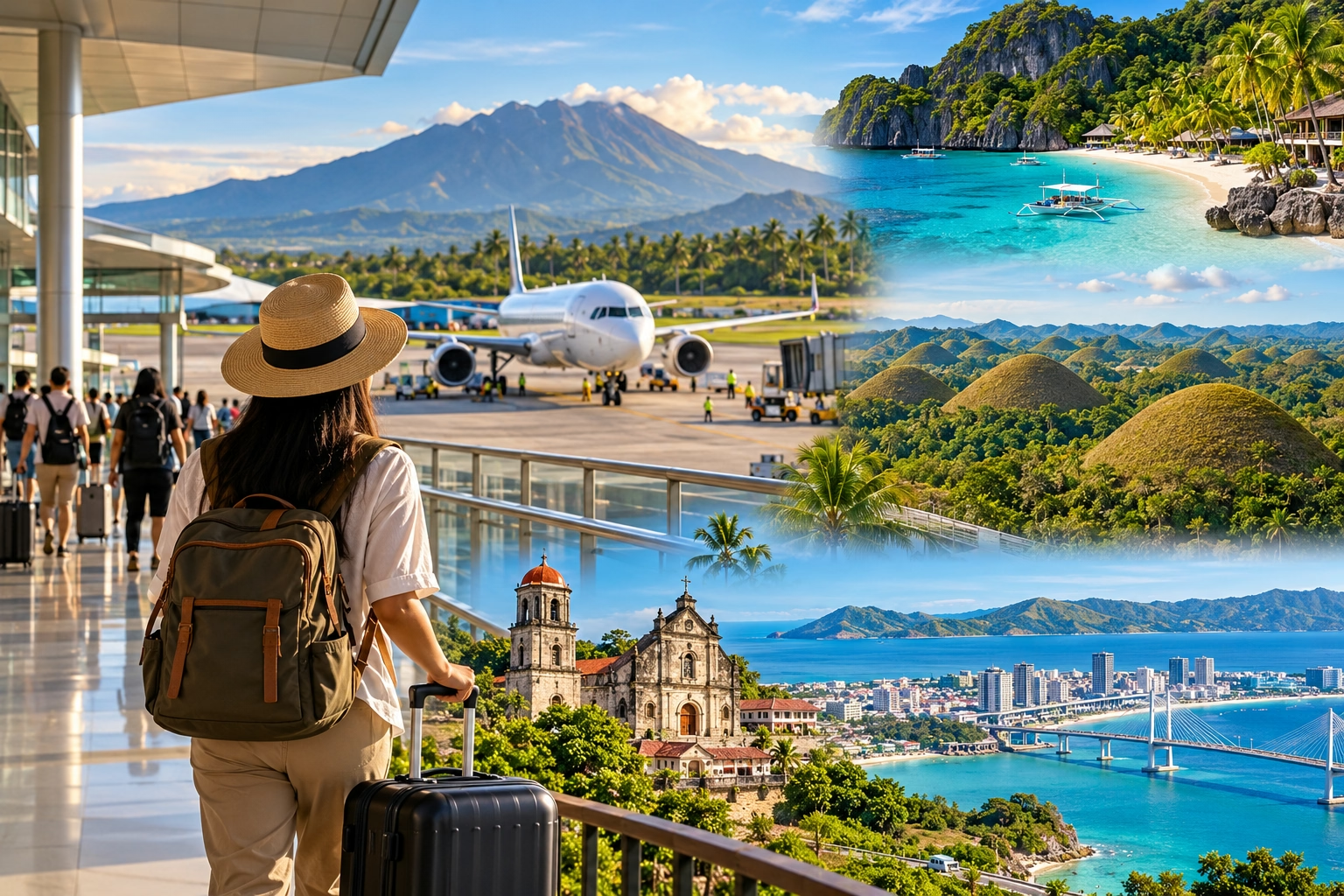

The glossy itinerary says seven islands in ten days. The lived experience says airport sprints, rushed transfers and constant packing. In 2026, a growing counter-current in Philippine travel is making a different argument: one island, one week, and the radical idea that a family holiday should not require a logistics degree.
The Family Slow-Travel Blueprint
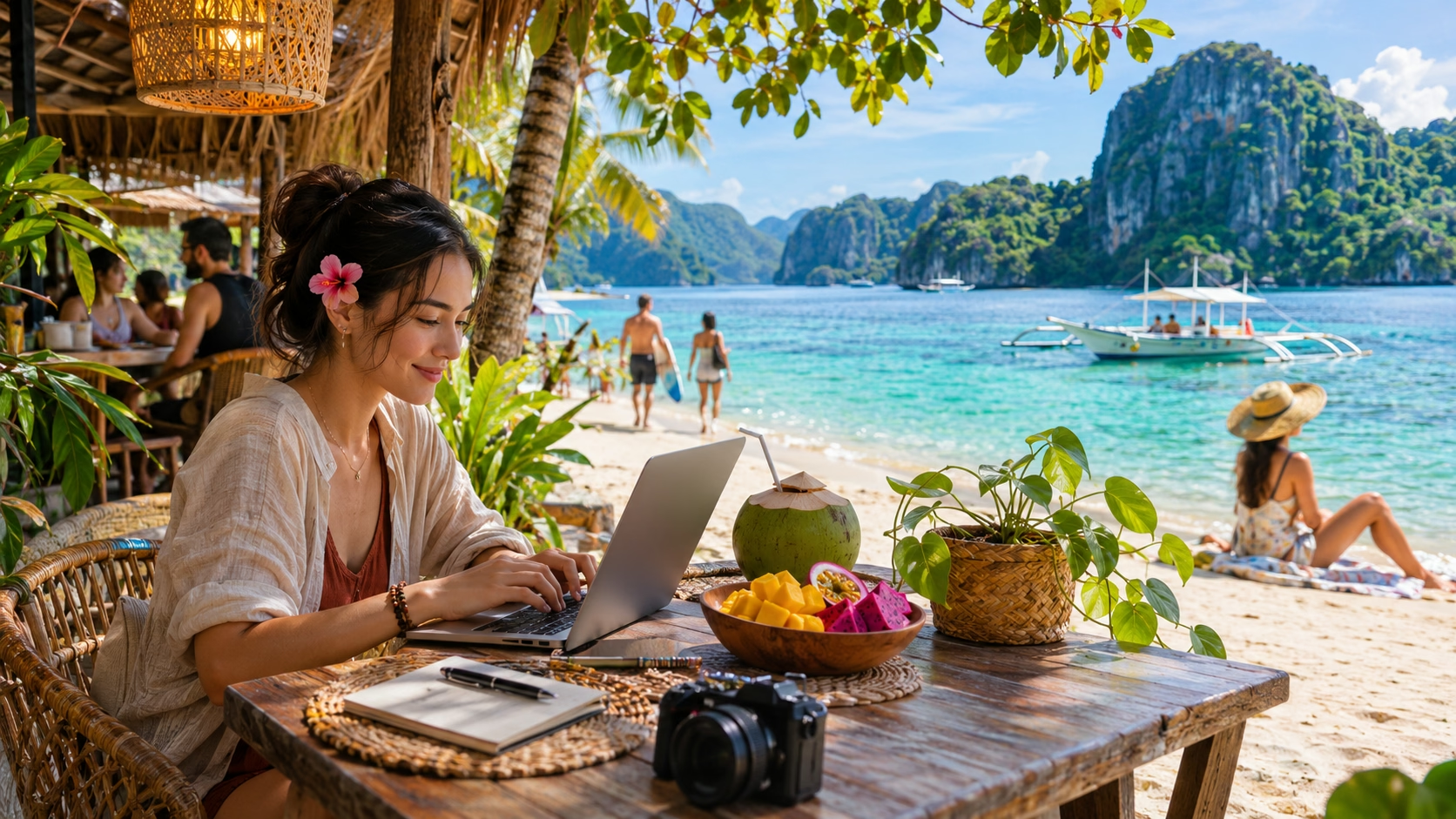
Slow travel in the Philippines changes how a family experiences the islands. Instead of racing between a different beach and a new city every day, the approach gives children and adults time to settle, adjust and enjoy the rhythm of one place. For parents, the real luxury is removing airport sprints and rushed transfers from the itinerary—turning logistics into leisure and creating space for unhurried swims, long lunches and spontaneous play on the sand. The verified local answer to whether one week on one island is enough is unambiguous: “Yes, it allows for thorough exploration.”
Bohol as the Entry Point
Bohol is where the family slow-travel idea becomes concrete, especially for first-time visitors. You can land at Panglao International Airport, transfer once to a resort and keep the same room key for the entire stay. From a base on Panglao, the days can unfold at a child-friendly pace: one day for the Chocolate Hills, another for the Loboc River, another for the tarsier sanctuary, always returning to the same familiar suite. The model works because the island has enough variety to fill a week without requiring a ferry every morning.
Siquijor and the Sustainability Turn
The slow-travel argument is not only about convenience; it is increasingly about responsibility. Siquijor—long known as the “Island of Fire” and wrapped in mystical healing traditions—has repositioned itself as a leader in sustainable tourism, prioritising community-based conservation, protected turtle sanctuaries, agro-tourism links between local farms and restaurant tables, and eco-friendly lodgings that use renewable energy. Visitors are encouraged to explore the island’s 72-kilometre coastal road by scooter—roughly ₱300–₱350 at the port—as the most carbon-efficient way to move at their own pace, and the island enforces strict no-contact rules in its marine sanctuaries.
The Healing Festival and the Local Economy
Siquijor’s annual Healing Festival during Holy Week has become a showcase of local tradition and agri-tourism, drawing travellers who want a spiritual and cultural dimension to their stay rather than a checklist of beaches. That model—tourism as participation in a regenerative cycle rather than extraction—is the philosophical core of the slow-travel trend. The visitor who stays longer and spends locally is not just a consumer of the island; they are a contributor to the system that keeps it worth visiting.
Romblon and the Ferry-Timetable Philosophy
For travellers who want the purest version of the trend, Romblon province—three main islands in the Sibuyan Sea, joined by ferries and defined by marble, forest and beaches most visitors never reach—offers a different proposition. There are no resort strips and no terminal built for hundreds of thousands of arrivals. “Romblon is one of the few places left in the Philippines where the ferry timetable, not your itinerary, decides how long you stay,” one 2026 guide notes. Treated as a detour, that is frustrating; treated as a destination, it is one of the better slow-travel propositions in the country.
The common thread across Bohol, Siquijor and Romblon is simple: the slower the itinerary, the more the island gives back—to the traveller and to the community that hosts them.