









E-sports in the Philippines has moved beyond casual entertainment and into the realm of national pride and regional prestige. The country’s participation in international tournaments and multi-sport events has helped legitimize competitive gaming and sparked conversations about how government, schools, and private organizations should support this growing industry.
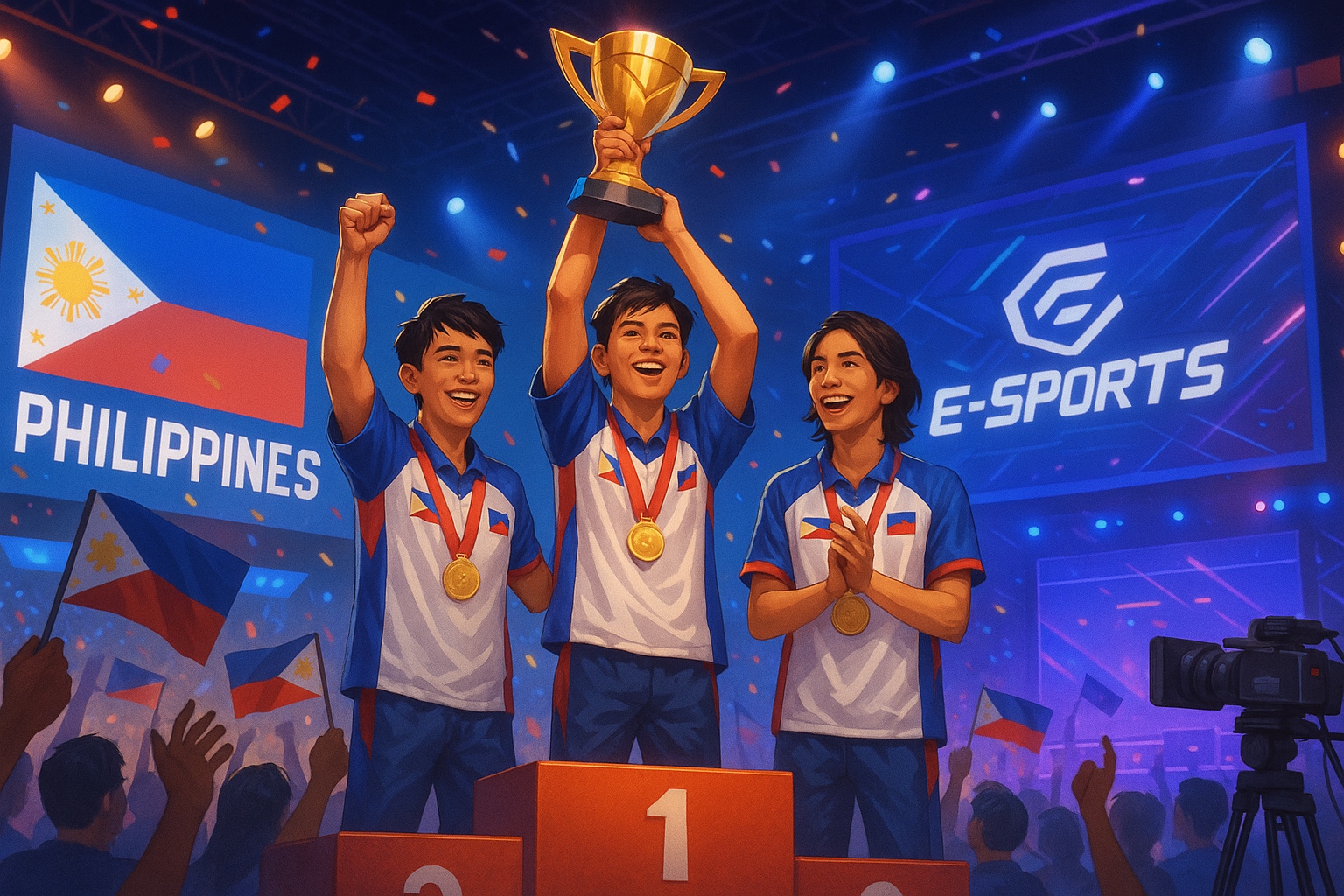
One major turning point was the inclusion of e-sports in regional multi-sport competitions in Southeast Asia. Filipino representatives in various game titles competed against the best from neighboring countries, bringing home medals and recognition. These achievements were widely covered by local media, shifting the narrative from “gaming as a distraction” to “gaming as a source of national honor.” For many young Filipinos, seeing their fellow citizens in official uniforms, standing on podiums for e-sports, provided powerful validation.
This spotlight encouraged policy discussions. Government agencies began to acknowledge e-sports as part of the broader sports and creative industries. While the level of support and regulation is still evolving, there have been steps towards recognizing professional players and organizing bodies, granting visas for international competitions, and exploring partnerships with private stakeholders. Such moves help provide a framework where players’ rights and responsibilities can be better protected.
Private companies remain crucial drivers of the scene. Telecom providers invest in better connectivity and sponsor leagues to showcase their networks. Hardware manufacturers run promotional tournaments and help upgrade local gaming infrastructure. Event organizers produce large-scale competitions in malls and arenas, complete with professional production value—LED screens, stage designs, and high-quality broadcasts that rival traditional sports events.
The entertainment impact of these developments is considerable. Televised and online coverage of big matches pulls in viewers who might never have followed e-sports before. Families gather to watch finals, just as they would for boxing or basketball. Commentators explain the mechanics of the games in accessible language, helping newcomers understand the stakes and strategies. Gradually, e-sports becomes part of everyday entertainment options, alongside TV dramas, movies, and music shows.
Looking forward, there are several key areas that will shape the future of Filipino e-sports. One is infrastructure. Reliable high-speed internet across the country is essential for fair competition and broader participation, especially from rural areas where talent often goes undiscovered. Another is education and training: structured programs in schools and training centers can teach not only gameplay, but also physical conditioning, nutrition, media handling, and financial literacy.
Regulation and governance will also play important roles. Clear standards for contracts, prize distribution, player transfers, and anti-cheating measures can protect both players and organizers. Establishing athlete welfare guidelines—including rest periods, age restrictions, and support systems—can help prevent exploitation and burnout. A healthy regulatory environment can encourage more investors and broadcasters to enter the space, further expanding the entertainment value of e-sports.
Technology trends will continue to diversify the experience. Virtual reality, augmented reality, and new streaming formats may change how matches are watched and interacted with. Fans might engage with interactive overlays, choose personalized camera angles, or participate in real-time polls that affect show segments and content. As Filipino creators experiment with these tools, the entertainment experience can become even more immersive and tailored.
Ultimately, the development of e-sports in the Philippines is a story of how digital competition can evolve into a fully fledged sector touching sports, culture, economics, and policy. Its impact on entertainment is undeniable: it offers compelling narratives, emotional highs and lows, and a sense of participation that fits perfectly with the country’s love for community and shared experiences. As long as stakeholders work together to build a stable, fair, and inclusive ecosystem, Filipino e-sports is poised to maintain a prominent place in both national pride and everyday entertainment.