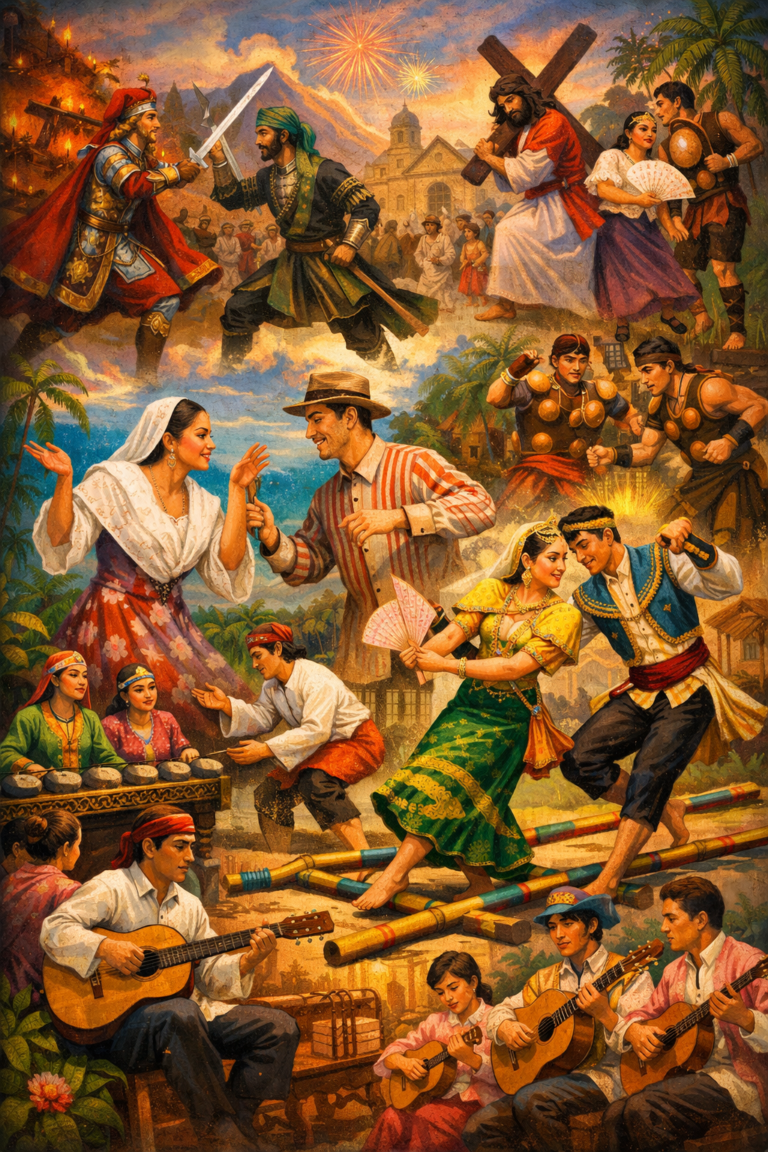












The Philippine film industry, also known as the “Cinema of the Philippines,” has a rich and diverse history that spans over a century. From its early days during the Spanish colonial era to its current global influence, Philippine cinema has experienced numerous phases of development and transformation, influenced by both political and cultural changes. This article aims to explore the history, milestones, and key factors that have shaped Philippine cinema into the vibrant industry it is today.
Early Beginnings: The Birth of Philippine Cinema
The history of Philippine cinema dates back to 1897 when the first motion picture was screened in Manila. It was a short film about the Philippine Revolution, shown by the Spanish government. However, it wasn’t until the early 1900s that commercial filmmaking began in the country. In 1919, the first Filipino film studio, Malayan Movies, was established, marking the beginning of a more structured film industry.
The silent film era in the Philippines was dominated by melodramatic narratives, typically based on local folklore, historical events, and social issues. Some of the first notable Filipino silent films include “Dalagang Bukid” (1919) and “Paglipas ng Dilim” (1929), which paved the way for the growth of the film industry in the country.
The Golden Age: 1950s to 1970s
The period from the 1950s to the 1970s is often regarded as the Golden Age of Philippine cinema. During this time, the industry experienced rapid growth, producing a significant number of films, many of which gained international recognition. A key reason for this flourishing period was the rise of local filmmakers who were not only skilled in the craft but also well-versed in addressing the societal and political issues of the time.
Filmmakers such as Manuel Conde and Gerardo de Leon revolutionized Philippine cinema with groundbreaking films like “Genghis Khan” (1952) and “Sakay” (1939), which showcased their expertise in storytelling and production. The 1950s also saw the emergence of iconic actors such as Fernando Poe Jr., who became a beloved figure in Filipino cinema and helped shape the future of the industry.
During the 1960s and 1970s, the film industry expanded into more diverse genres, including drama, comedy, action, and horror. This era also saw the introduction of color films and advanced cinematography techniques, which enhanced the visual appeal of Filipino films.
The Rise of Independent Cinema: 1990s to Present
The 1990s marked a significant shift in the Philippine film industry as independent filmmakers began to make their mark. The decline of the commercial film market, largely due to the dominance of foreign films and television, prompted local filmmakers to seek new ways to tell stories. The rise of independent cinema allowed for more creative freedom, giving birth to a wave of films that explored social issues, personal narratives, and experimental techniques.
Notable directors such as Brillante Mendoza, Lav Diaz, and Raya Martin brought Philippine cinema to international film festivals, winning awards and garnering global recognition. Films like “Serbis” (2008) and “Lola” (2009) showcased the unique cultural perspectives and artistry of Filipino filmmakers.
The 21st century has also seen an increasing presence of Filipino films on global streaming platforms such as Netflix, making it easier for international audiences to access and appreciate the depth and diversity of Filipino storytelling.
The Impact of Technology and Globalization
In recent years, technological advancements have significantly influenced the way films are made and distributed in the Philippines. Digital filmmaking has become more accessible, reducing production costs and allowing independent filmmakers to create high-quality films with smaller budgets. Furthermore, the rise of social media and online platforms has given Filipino films greater visibility, leading to wider distribution and a larger fan base.
Globalization has also played a crucial role in expanding the reach of Philippine cinema. Filipino films are increasingly being showcased in international film festivals, and there is a growing demand for Filipino content worldwide, particularly in Southeast Asia and the United States.
Conclusion
The Philippine film industry has undergone significant changes and transformations throughout its history. From its humble beginnings as a silent film industry to its current status as a global player in the cinematic world, Philippine cinema has continuously evolved to reflect the social, cultural, and political changes in the country. Today, Filipino filmmakers continue to push boundaries, creating films that not only entertain but also provoke thought and inspire change.