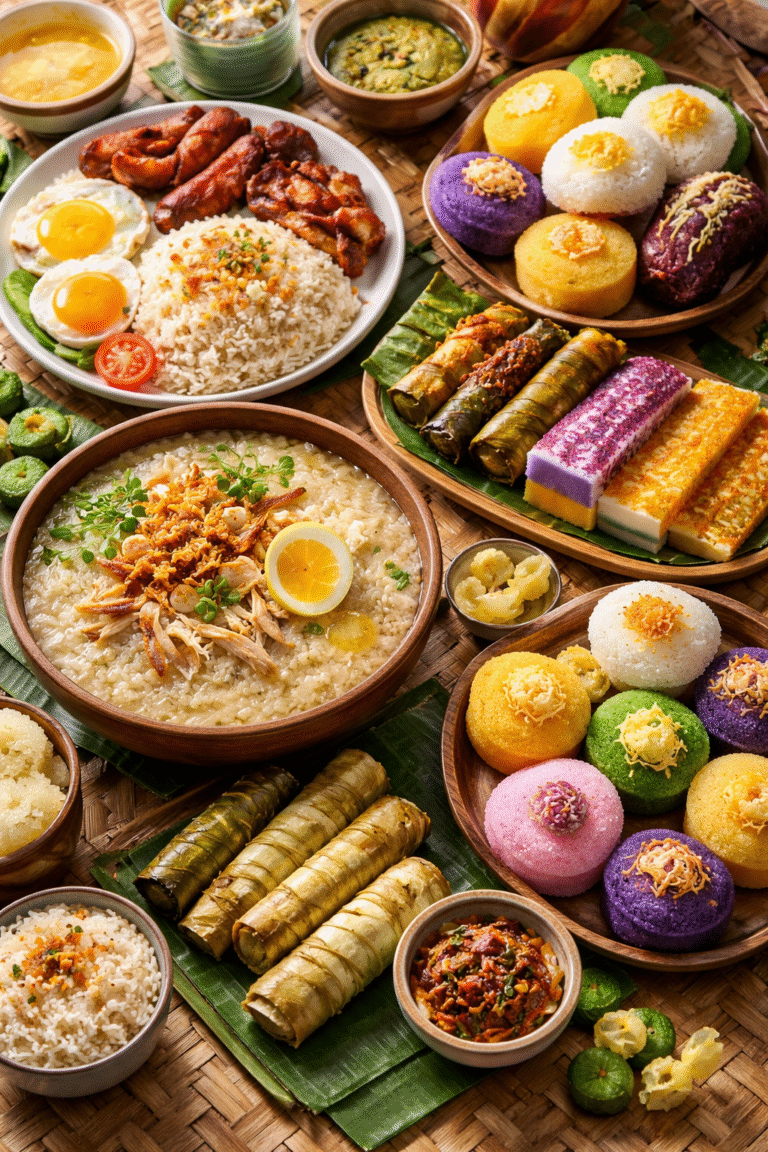











The Philippines has a rich and diverse culinary heritage, with food that reflects the country’s long history and variety of regional influences. Although traditional Filipino food can sometimes be heavy in fats and oils, there is an increasing shift toward healthier alternatives that preserve the essence of Filipino cooking while promoting better health.
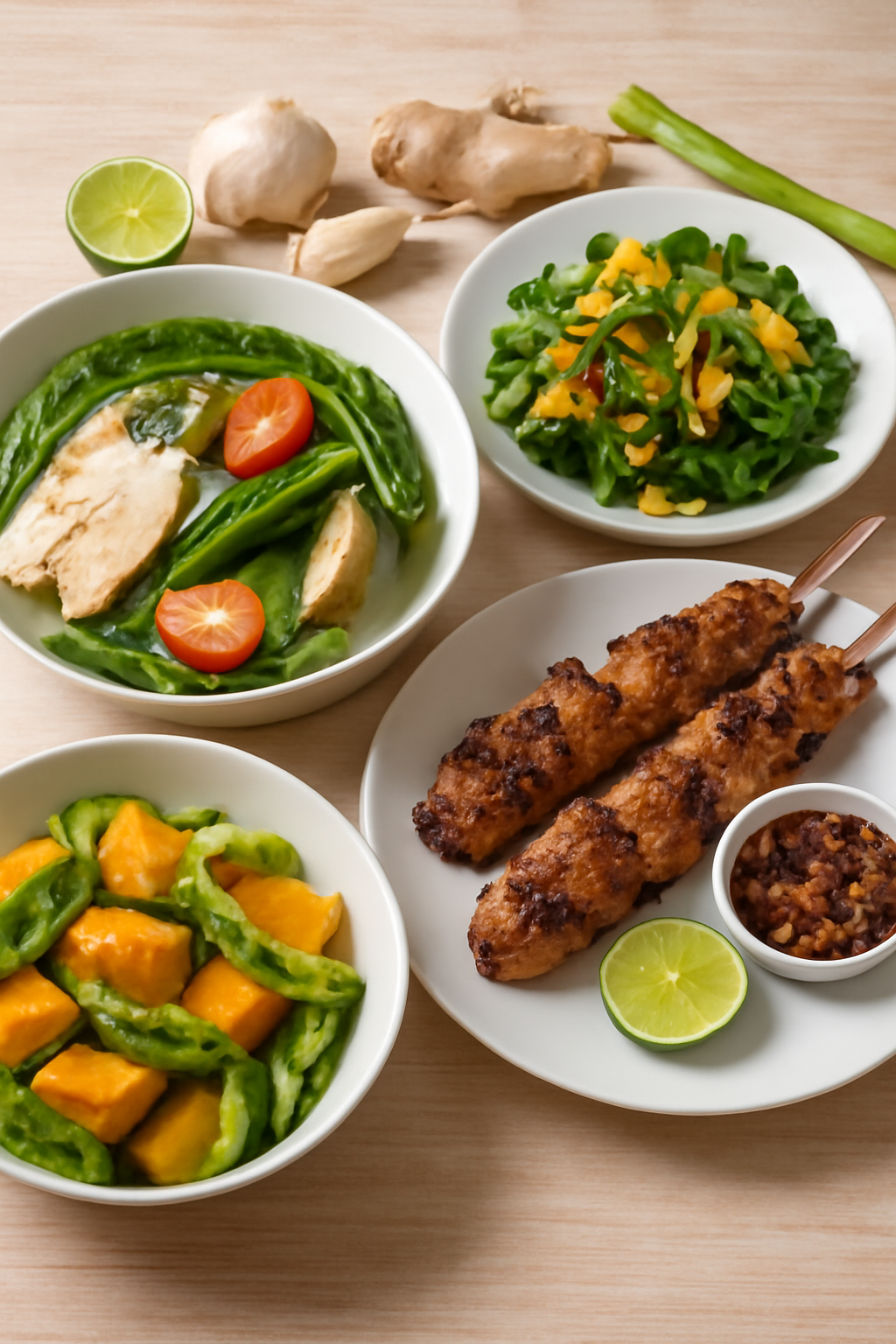
One important aspect of Filipino cuisine is its reliance on fresh, local ingredients. The Philippines is abundant in seafood, and many traditional dishes feature fish, shellfish, and other marine products that are high in protein, low in fat, and rich in essential fatty acids. For instance, sinigang is a popular Filipino dish that uses tamarind as the base for a sour broth, along with fish or shrimp and an assortment of vegetables. This dish provides a balanced meal with lean protein, fiber, and antioxidants.
Vegetables are also a major component of Filipino food. Common ingredients such as squash, bitter melon, and eggplant not only provide a variety of textures and flavors but also offer an array of health benefits. Bitter melon, for example, has been linked to improved blood sugar regulation, while squash is a rich source of vitamin A, which is essential for maintaining healthy skin and eyesight.
Filipino cuisine also uses traditional cooking techniques that support a healthier way of eating. Grilling, steaming, and sautéing with minimal oil help retain the nutritional content of the ingredients while avoiding excessive amounts of unhealthy fats. A dish like inihaw na baboy (grilled pork) is a prime example of a healthier cooking method, where the meat is grilled over open flames, allowing excess fat to drip away.
Spices and herbs like garlic, ginger, and lemongrass are common in Filipino food, and they offer numerous health benefits. Garlic has been shown to lower cholesterol levels and improve heart health, while ginger can help with digestion and has anti-inflammatory properties. These ingredients not only boost the flavor of dishes but also contribute to a healthier diet.
Incorporating Filipino dishes with a focus on vegetables, lean proteins, and healthy cooking methods can promote a balanced lifestyle and reduce the risk of chronic diseases such as heart disease and diabetes.