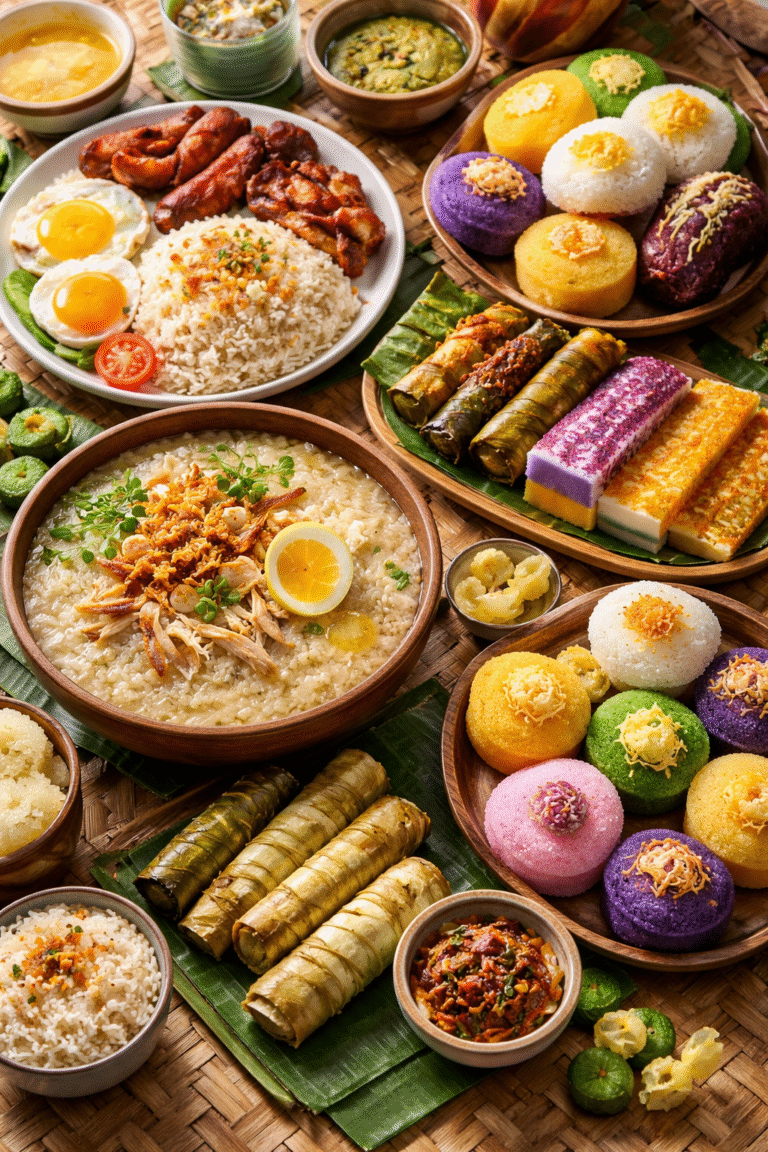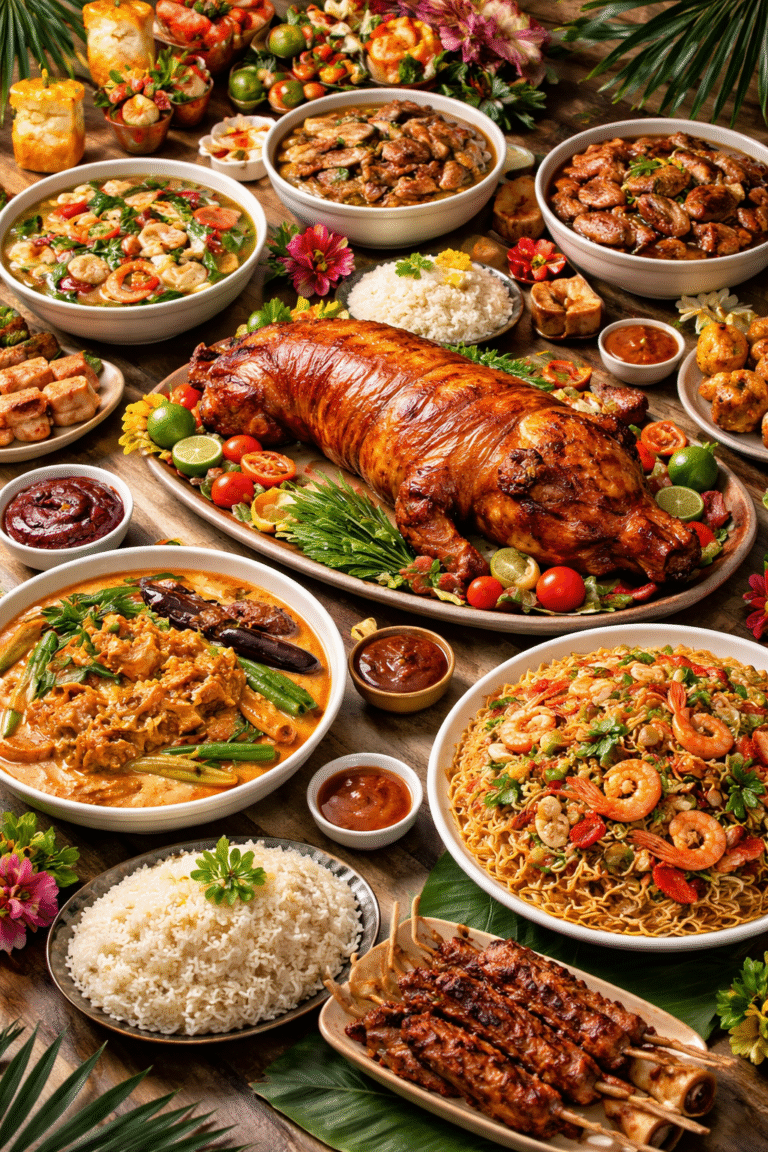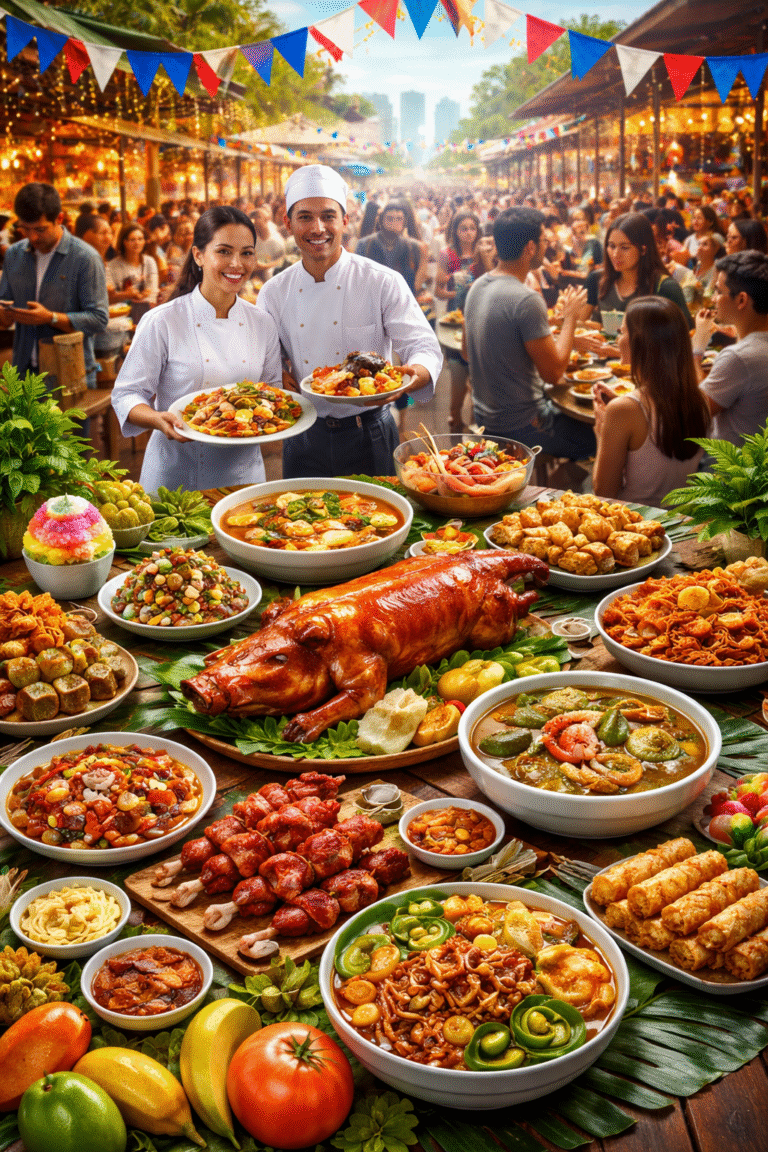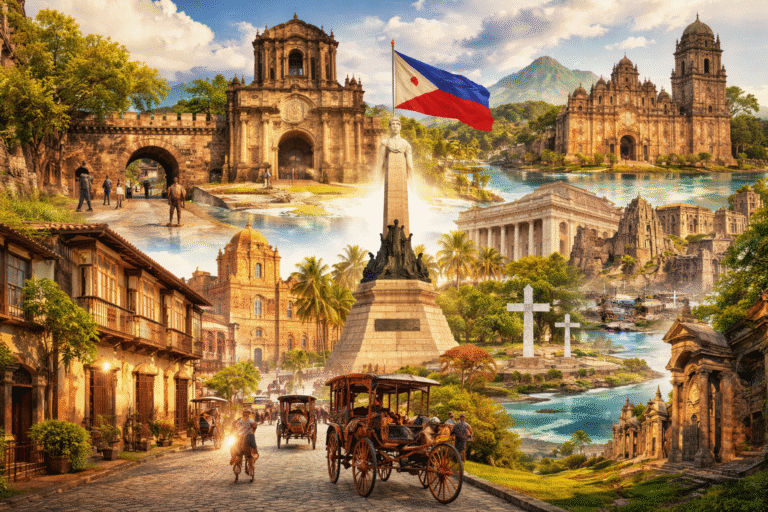











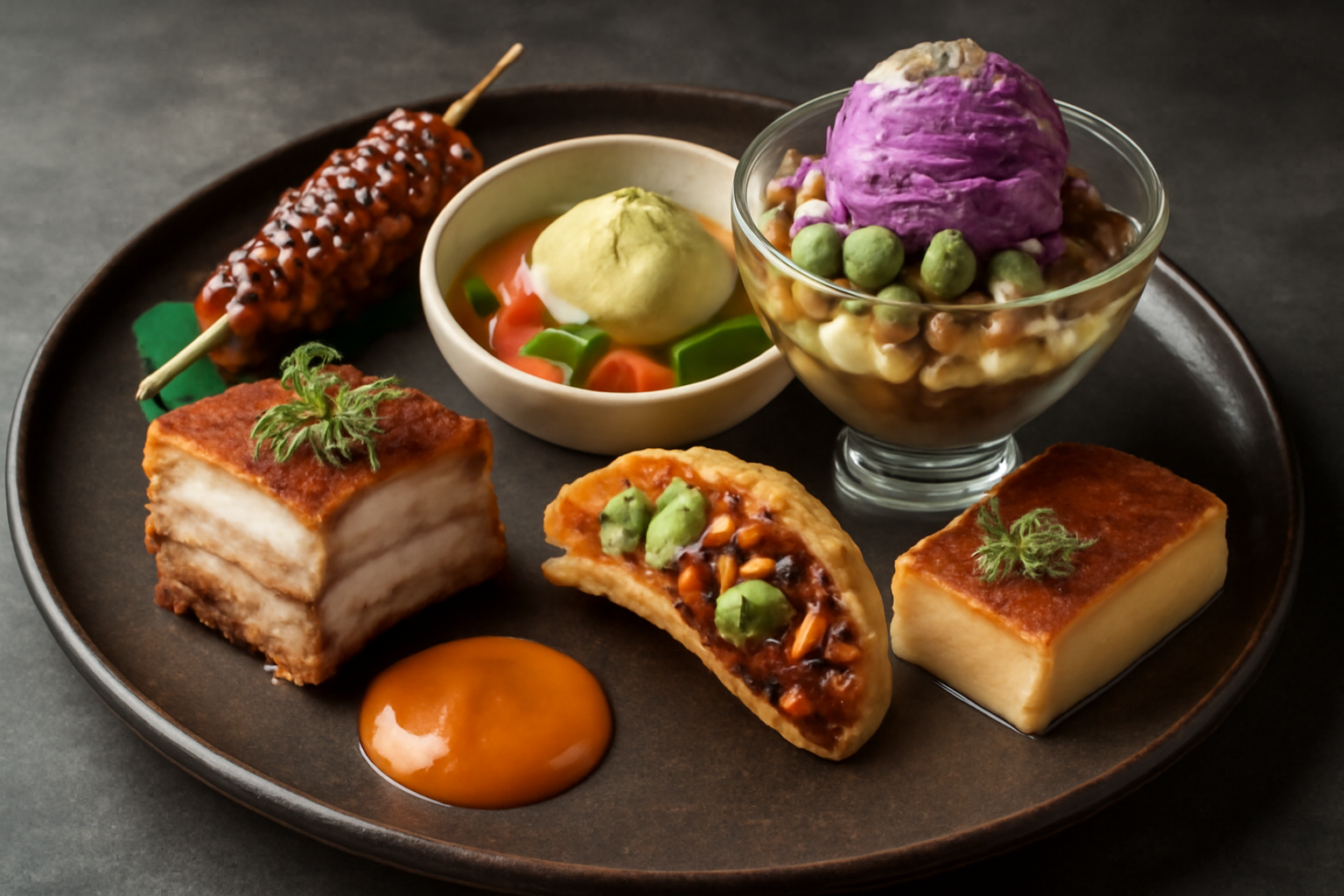
Filipino cuisine has long been known for its bold flavors and a rich blend of indigenous, Spanish, Chinese, and American influences. However, in recent years, a new culinary trend has emerged: modern Filipino fusion cuisine. This innovative approach to traditional dishes brings together the comfort of Filipino flavors with the creativity of global culinary techniques. The rise of this movement reflects not only a deep love for Filipino food but also an eagerness to adapt to modern tastes and international food trends.
The concept of fusion cuisine, which involves combining elements from different culinary traditions, has been embraced worldwide. Filipino chefs, known for their resourcefulness and rich culinary history, have begun to experiment with new ingredients, techniques, and presentations to reimagine beloved dishes. Dishes like adobo, sinigang, and lechon are being transformed into contemporary creations while maintaining their essential flavors.
One of the most popular techniques in modern Filipino fusion cooking is the incorporation of international ingredients. For instance, the use of truffle oil or foie gras in traditional Filipino dishes adds a touch of luxury, elevating the flavor profiles while keeping the essence of Filipino cooking intact. Another example is the fusion of Filipino ingredients with Japanese or Korean cooking methods, such as using miso in a Filipino-style stew or serving lechon with kimchi.
Filipino chefs are also blending flavors in unexpected ways. One example is the fusion of Filipino street food with upscale dining techniques. A famous example is “balut,” a popular Filipino street food that consists of a fertilized duck egg. Some chefs have elevated this dish by incorporating fine dining plating techniques or pairing it with gourmet ingredients like caviar, creating a unique dish that appeals to both traditionalists and those seeking new dining experiences.
This modern take on Filipino cuisine is also seen in desserts. Filipino favorites like halo-halo, leche flan, and bibingka are being given modern twists. In some restaurants, you might find halo-halo served as an elegant dessert in individual glasses with contemporary garnishes, or leche flan made with unusual flavors like salted caramel or pandan.
The rise of Filipino fusion cuisine can also be attributed to the growing Filipino diaspora. As more Filipinos move abroad, they bring their culinary traditions with them, sparking interest in Filipino food in foreign markets. International chefs, too, are exploring Filipino cuisine as a source of inspiration, incorporating Filipino ingredients into their menus and experimenting with fusion concepts.
The modern Filipino fusion movement is not just about creating new dishes but also about embracing the past while looking to the future. It’s a way to honor Filipino food heritage while introducing it to a broader, global audience. The ability of Filipino chefs to creatively adapt their traditional cooking to modern trends while maintaining authenticity speaks to the resilience and versatility of Filipino cuisine.