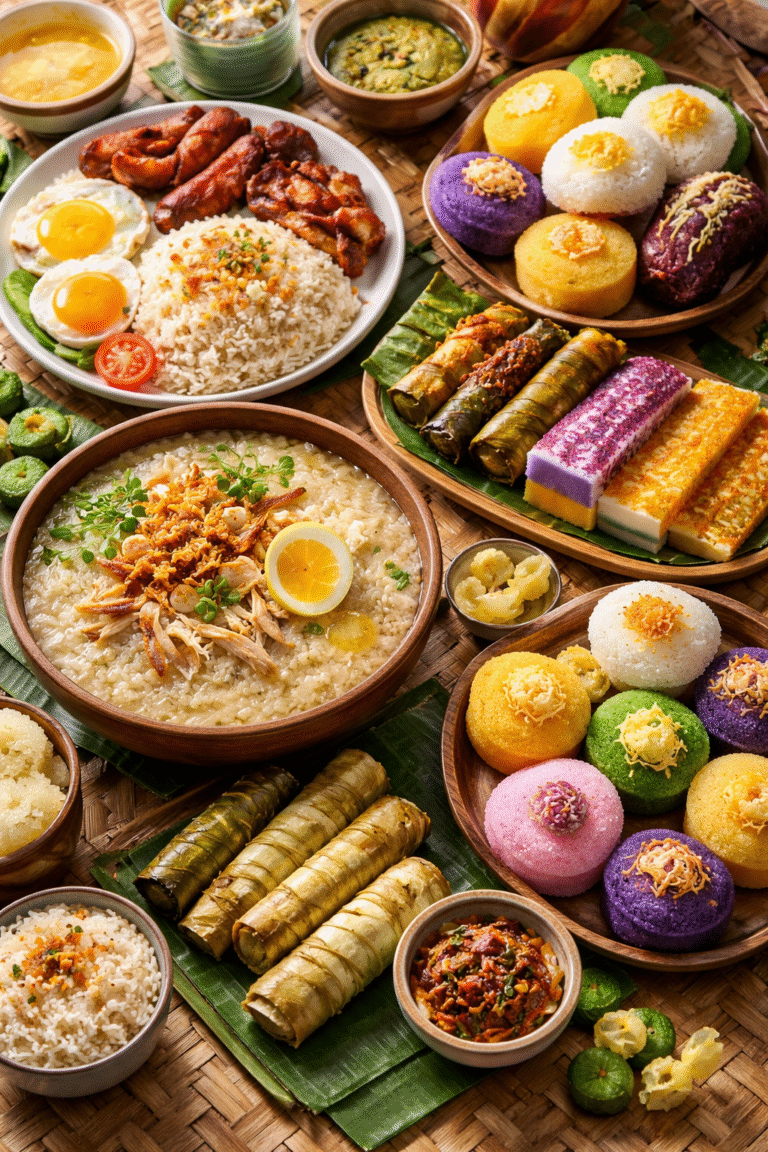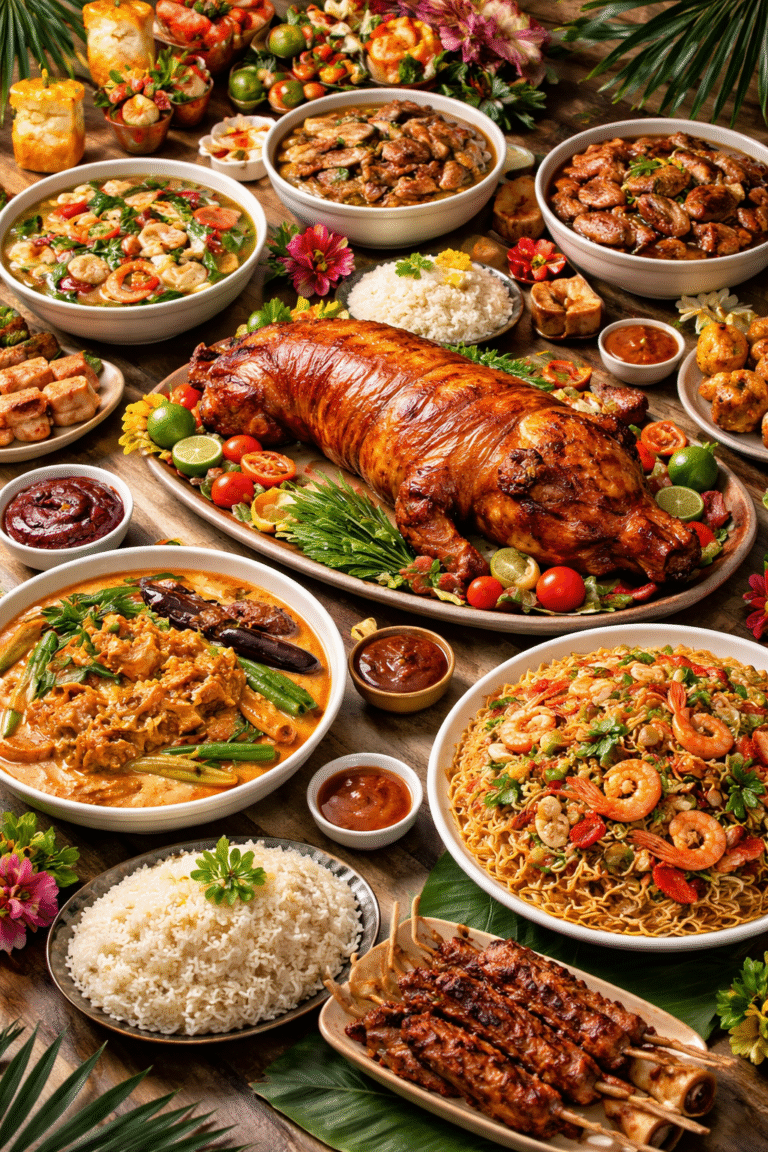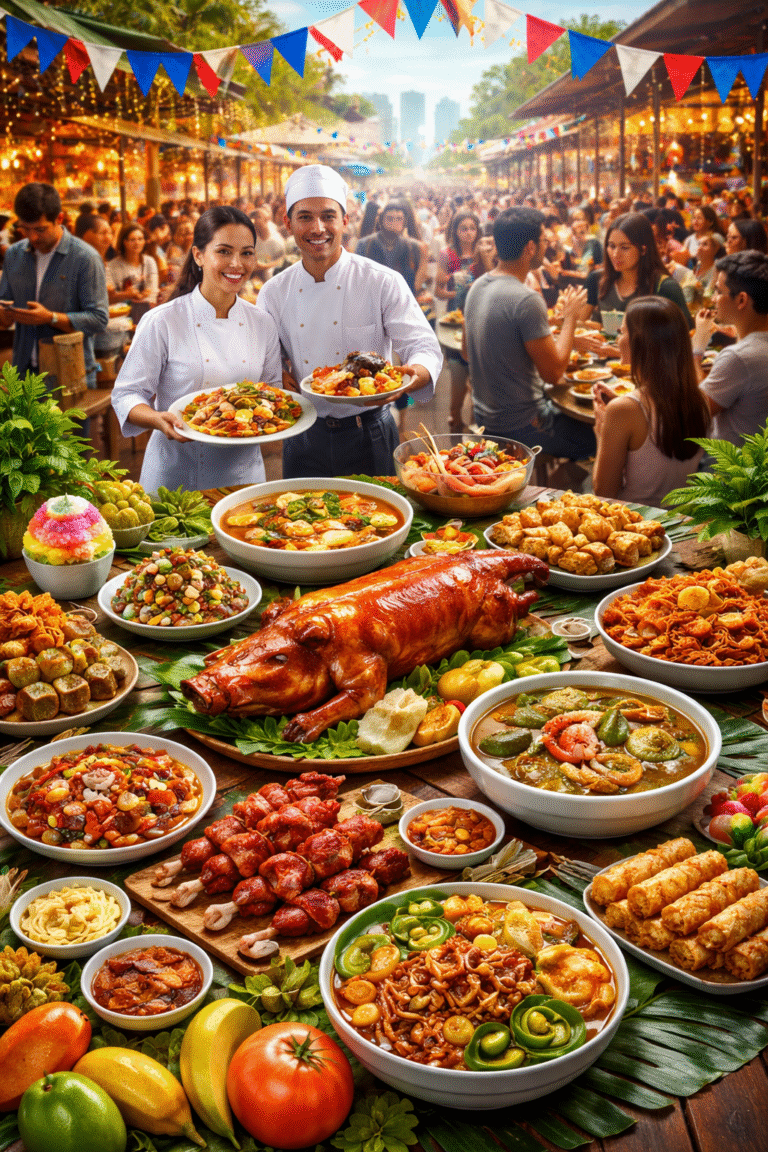











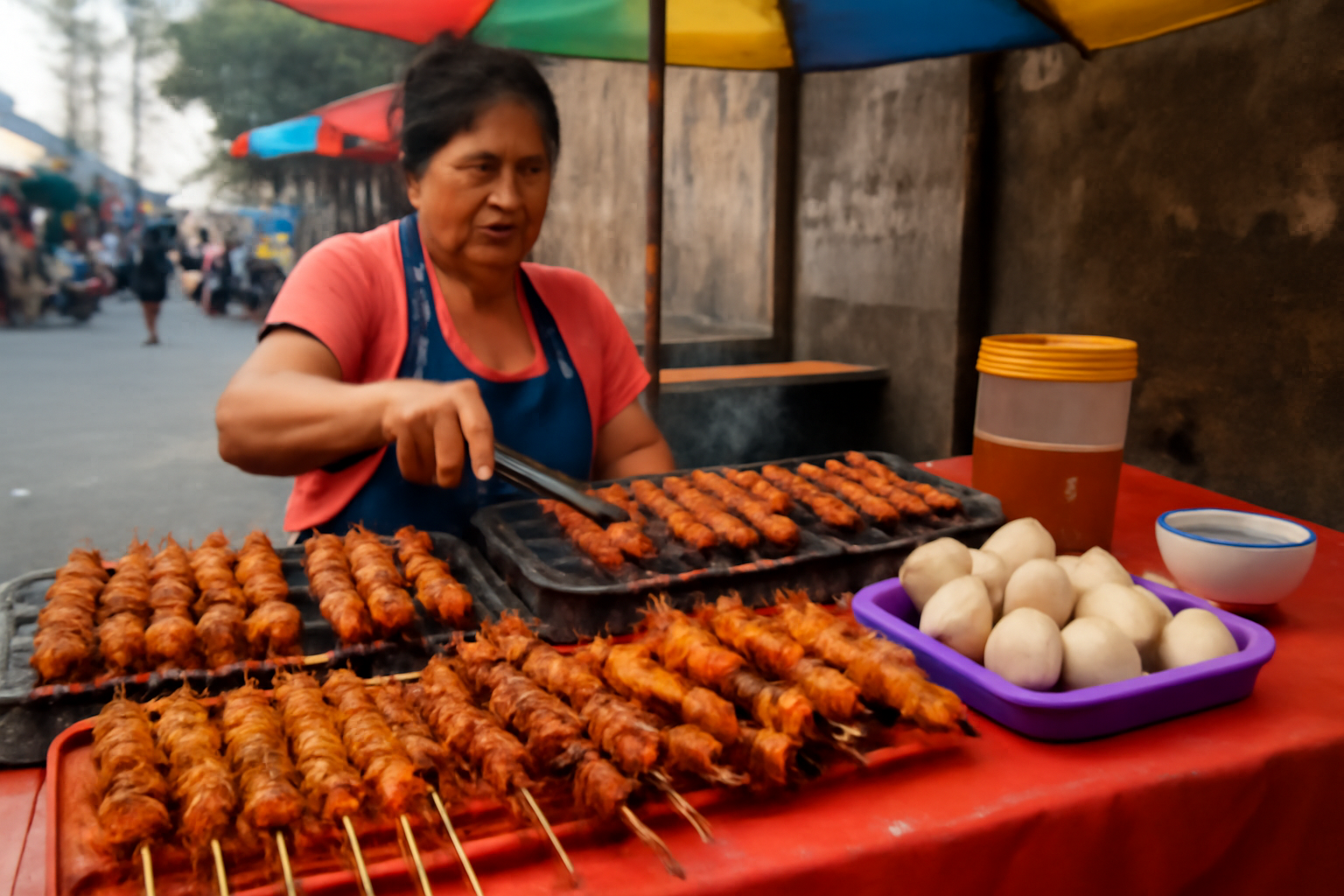
The Philippines is a country known for its rich cultural diversity and delicious food, with one of the most fascinating aspects being its vibrant street food culture. Whether you are wandering through bustling urban streets or remote towns, street food vendors offer a delicious and affordable way to experience local flavors. Street food in the Philippines is not just a snack – it’s a reflection of the nation’s history, diversity, and love for food. From skewered meats to unique snacks, Filipino street food presents an adventure in every bite.
One of the most iconic Filipino street foods is isaw—grilled chicken or pork intestines marinated in a special sauce and cooked over an open flame. This savory dish is often served with vinegar or a spicy dipping sauce. Isaw is beloved for its smoky flavor and tender texture, making it a popular choice for those craving a flavorful, on-the-go snack.
Another famous Filipino street food is balut, a fertilized duck egg boiled to perfection. Although the idea of eating an embryo might be unappealing to some, balut is a delicacy enjoyed by many Filipinos and foreigners alike. It’s often eaten with salt, vinegar, and sometimes chili for added flavor. It’s not just a food item; it’s part of the Filipino experience, representing their resourcefulness and cultural uniqueness.
For those seeking something lighter, banana cue is a fried caramelized banana dish, typically made from saba bananas. These bananas are deep-fried and coated in brown sugar, making them a sweet, crunchy treat. It’s a popular snack often enjoyed during hot afternoons or as a quick breakfast bite, and its simple yet satisfying flavor appeals to both locals and tourists.
Filipino street food is also deeply tied to local communities and traditions. Each region has its own specialty, offering a wide variety of tastes and textures. For instance, kwek-kwek (boiled quail eggs coated in orange batter and fried) is a popular snack in Metro Manila, while betamax, skewered coagulated blood cubes, can be found in various provinces. These regional varieties give insight into the diversity of Filipino cuisine and show how local ingredients are transformed into beloved street food.
In addition to these classic dishes, Filipinos have embraced global influences, creating fusion street food that mixes traditional ingredients with international flavors. For example, shawarma (a Middle Eastern wrap) has become a popular street food in the Philippines, often served with a Filipino twist, such as the inclusion of sweet sauce or crispy pork.
The rise of food stalls and food trucks has also contributed to the growing popularity of street food in urban areas like Manila, Cebu, and Davao. Food markets and festivals have become common, where vendors offer a variety of traditional and modern street foods to cater to the growing appetite for street food culture.
In conclusion, the street food culture in the Philippines offers an exciting and delicious way to experience the country’s diverse flavors. The variety of dishes, regional specialties, and the affordable nature of street food make it a vital part of Filipino daily life. Whether it’s a quick snack or a full meal, street food in the Philippines continues to evolve, inviting locals and tourists to taste the nation’s vibrant culinary heritage.