The tropical climate of the Philippines shapes everyday fashion in very specific ways. Warm temperatures, moist air, and regular rain showers create conditions where clothing must do more than look good. It should help the wearer stay cool, dry, and comfortable throughout the day. In this kind of environment, smart fashion choices come from understanding how climate affects the body and how clothing can respond to those needs without losing style.
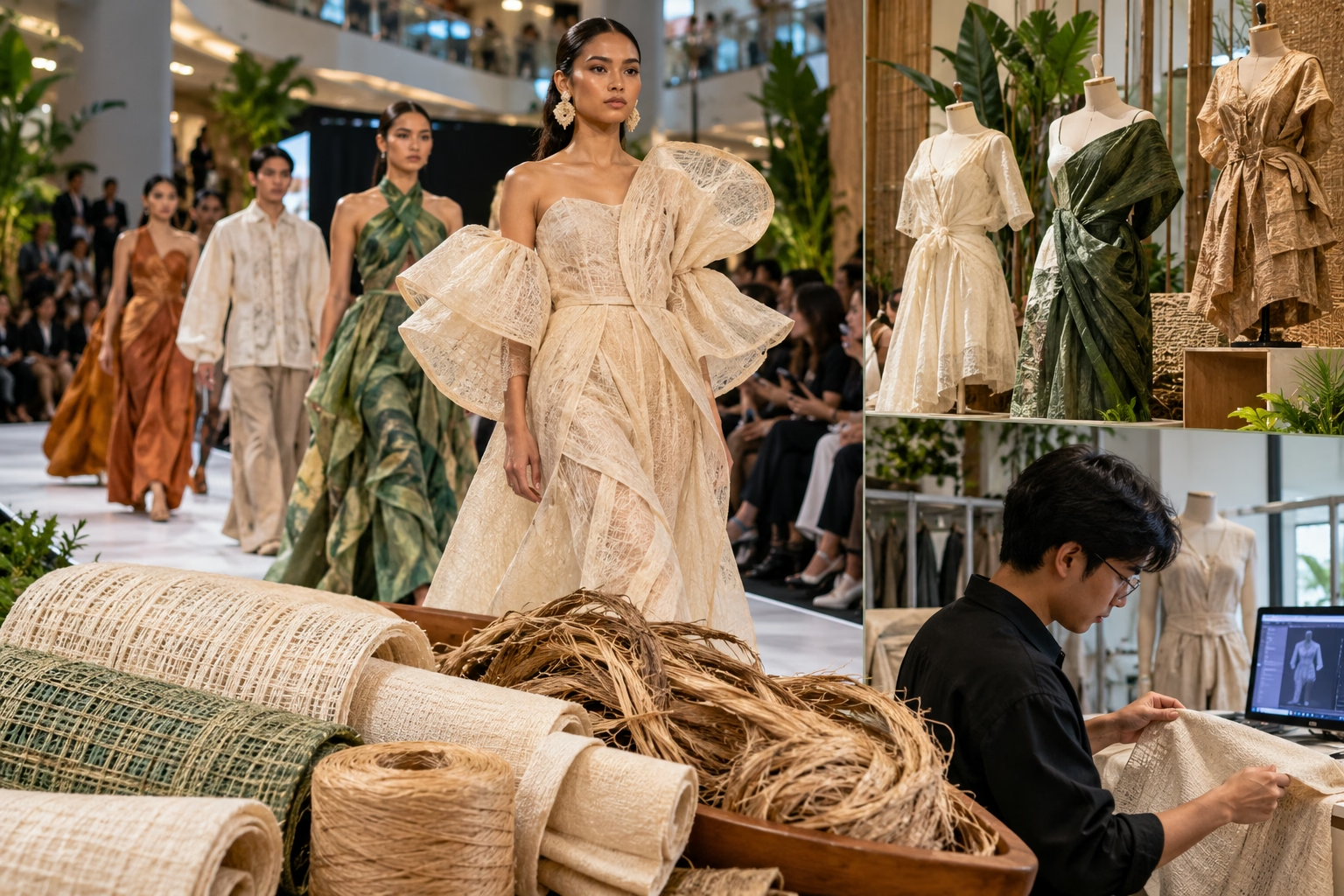
One of the first things to consider is fabric performance. In tropical weather, breathable textiles are far more suitable than thick or heat-trapping materials. Cotton is a common favorite because it is soft, light, and comfortable for long wear. Linen is also highly valued because it allows excellent airflow and gives a naturally relaxed appearance. Some lightweight synthetic blends are helpful too, especially those designed for active wear or quick drying. These materials are practical for people who sweat easily or need to move around frequently in hot outdoor conditions.
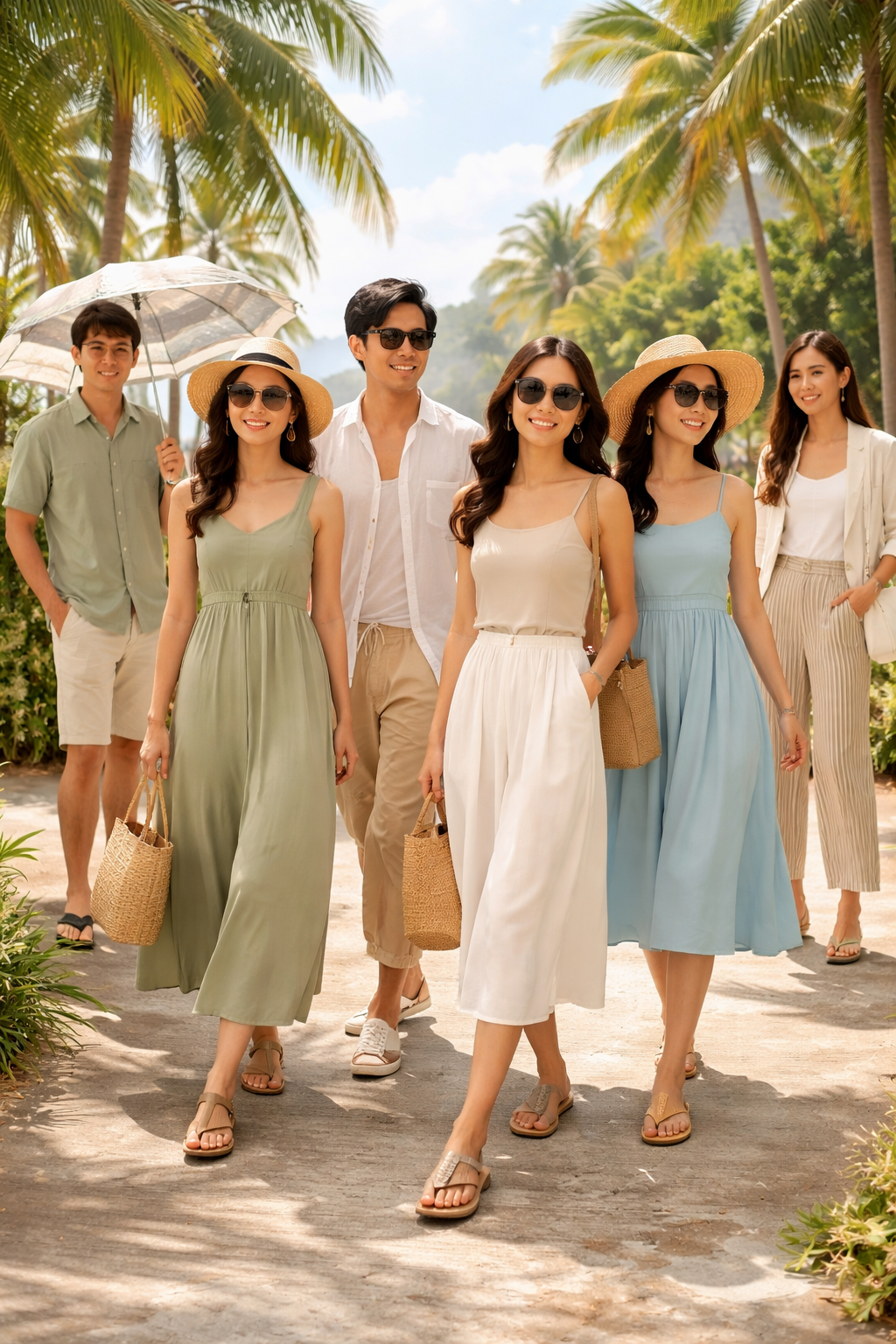
The shape and cut of clothing are just as important as the material. In a humid place like the Philippines, loose garments are generally more effective than body-hugging styles. Clothing that gives the skin room to breathe helps reduce discomfort and prevents the fabric from sticking to the body. Oversized shirts, sleeveless tops, relaxed dresses, culottes, and easy-fit pants are all good examples of climate-friendly fashion. These items not only improve comfort but also create a modern and effortless look that fits well with tropical living.
Color is another factor that can influence how comfortable an outfit feels. Lighter tones work best under direct sunlight because they reflect more heat. White, sand, blush, mint, and powder blue are practical options that also create a fresh visual effect. In comparison, darker shades tend to absorb more warmth and may feel heavier during the hottest part of the day. For people who prefer dark fashion, it can be useful to wear those colors in the evening or combine them with lightweight fabrics to reduce discomfort.
Because the Philippines also has a pronounced rainy season, tropical wardrobes should be prepared for sudden weather changes. Many people choose clothes that can dry fast and remain comfortable even after getting slightly wet. Shorter or ankle-length bottoms are often easier to manage than long garments that can soak up water from puddles. A compact rain jacket or foldable umbrella can be a practical companion, especially for commuters. Footwear should also match the season. Waterproof sandals, rubber-soled loafers, and durable flats are often more sensible than shoes made from delicate materials.
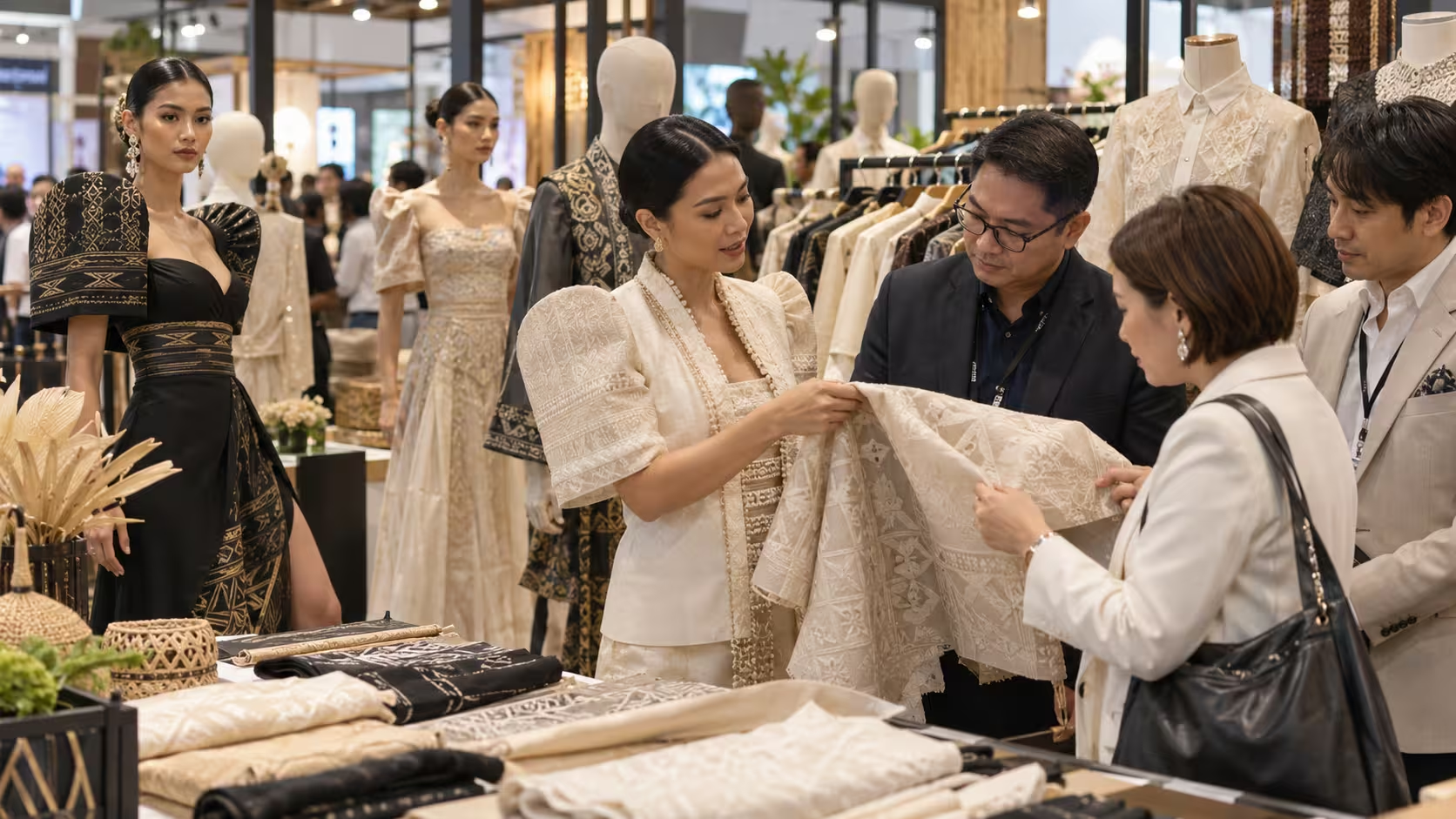
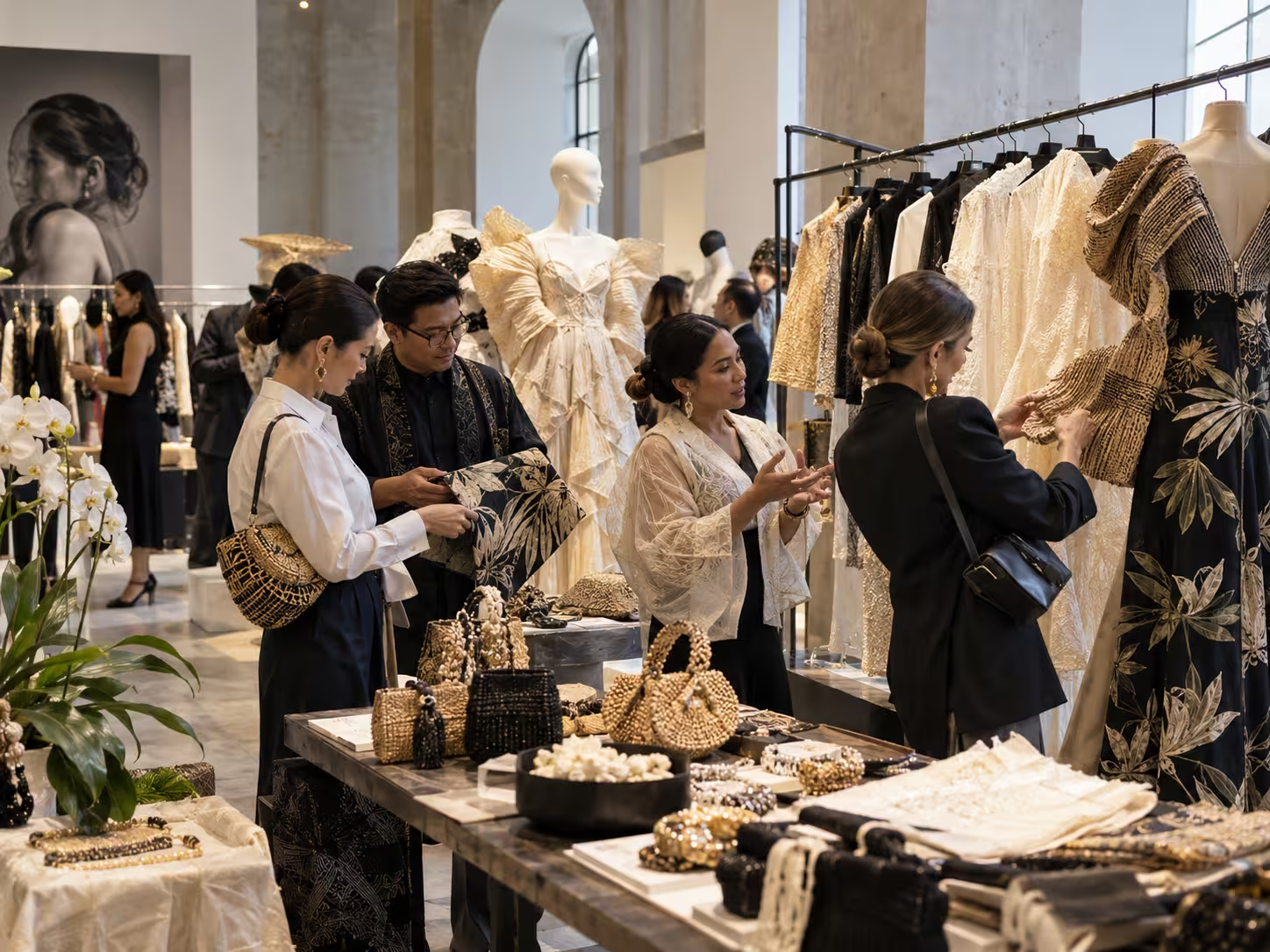
Daily clothing in the Philippines usually balances comfort with a neat appearance. Casual outfits often include breathable shirts, shorts, skirts, or simple dresses that work well in both urban and coastal settings. In offices, schools, or formal spaces, people often choose polished looks made from lighter fabrics. A collared shirt in cotton, a linen blouse, or a structured dress in a breathable material can create a professional image without causing too much heat discomfort. This shows that tropical fashion does not have to be overly casual; it can also be refined and elegant when designed appropriately.
Accessories should support the weather rather than fight it. Sunglasses and hats protect against intense sunlight, while lightweight bags are easier to carry in humid conditions. Many people prefer minimal jewelry and simple styling, since too many accessories can feel uncomfortable in hot weather.
Clothing in the Philippines works best when it combines style with climate awareness. Breathable fabrics, comfortable cuts, practical shoes, and rain-ready details all help create a wardrobe that suits tropical life. By dressing with the weather in mind, people can enjoy both function and fashion in a country where heat and humidity are part of everyday life.