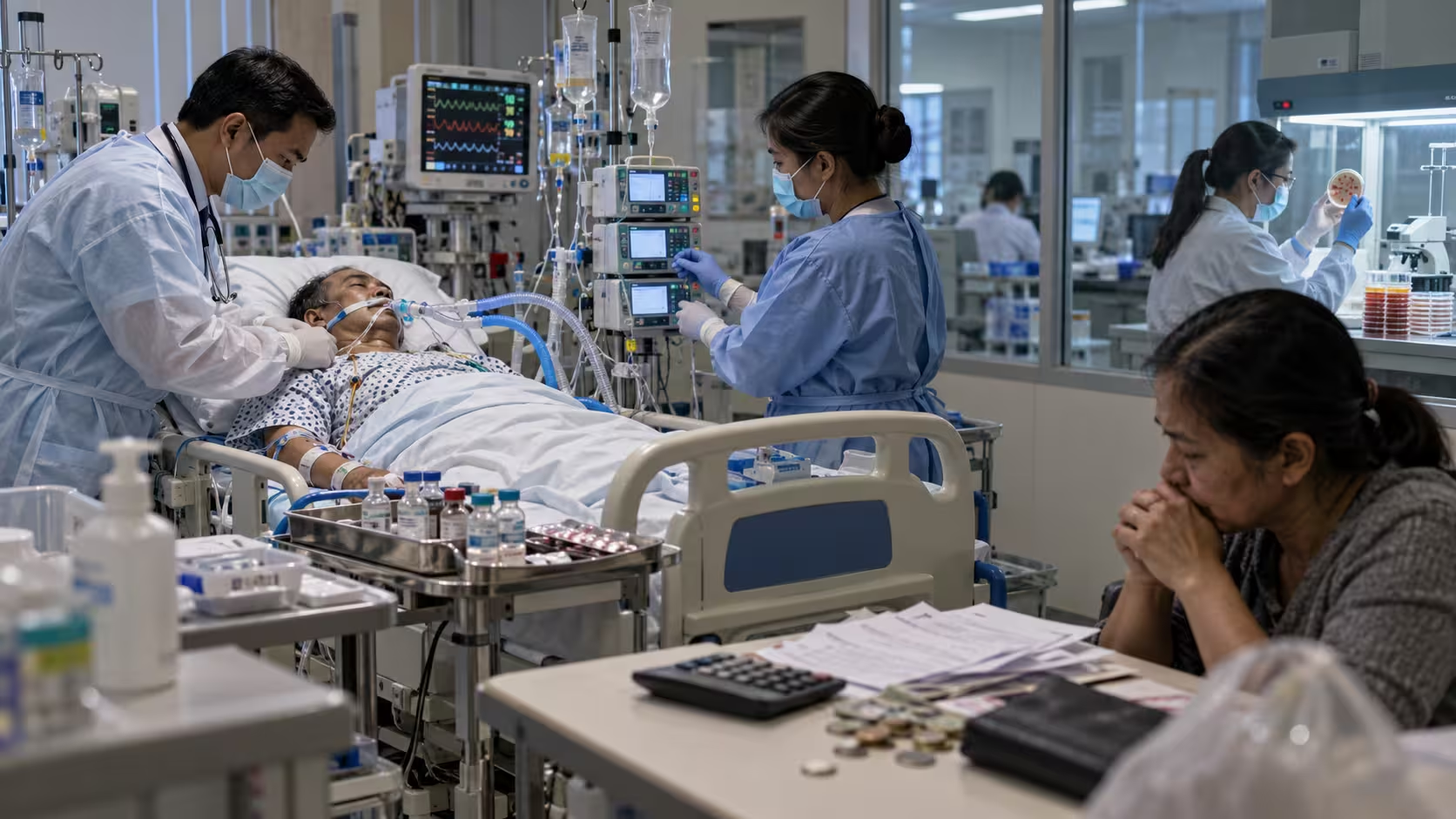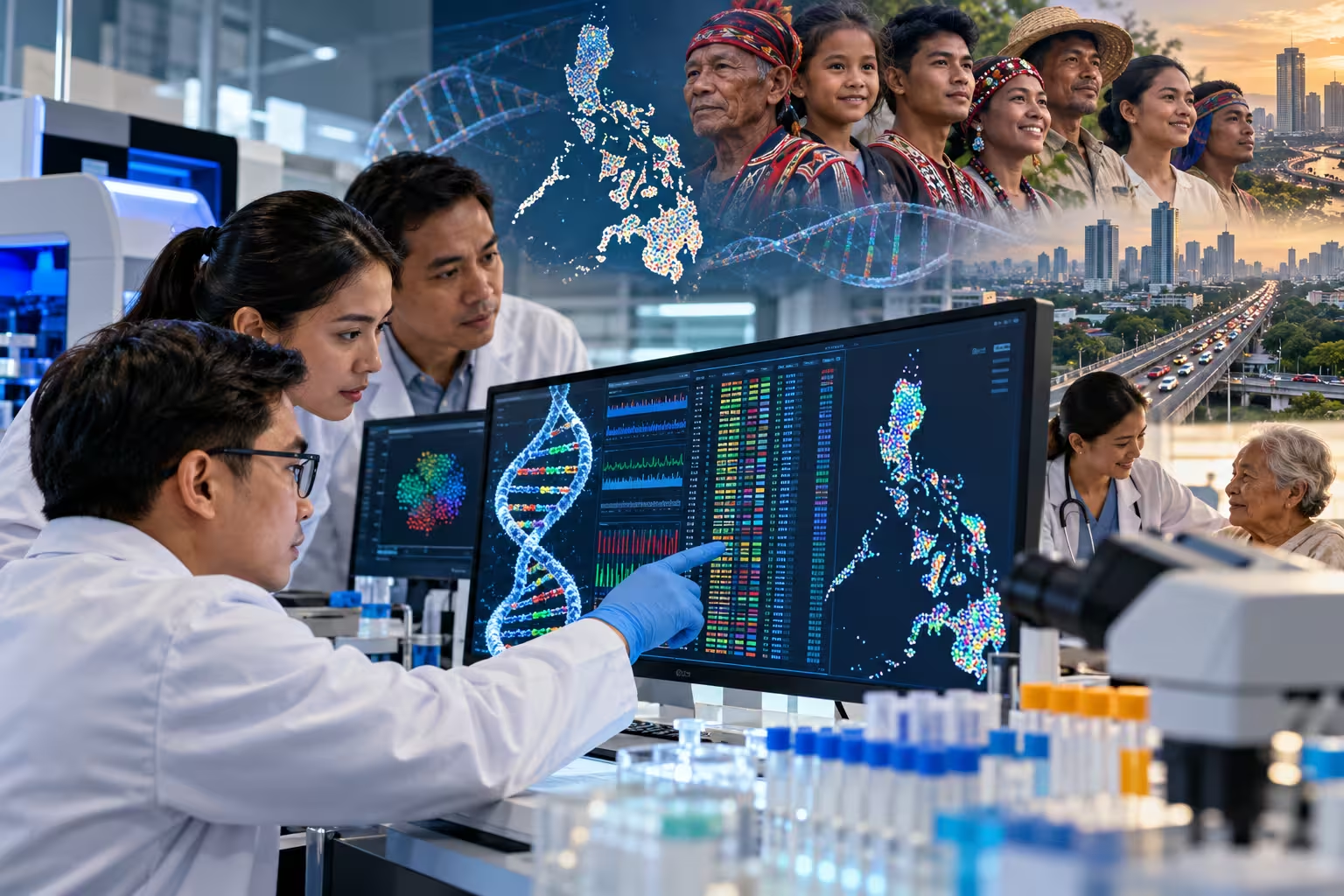

In the Philippines, environmental health is a national concern because environmental conditions directly shape disease patterns, community safety, and quality of life. The issue extends far beyond pollution alone. It includes access to clean water, effective sanitation, safe waste disposal, healthy housing, disaster preparedness, and protection from climate-related hazards. Because the country consists of thousands of islands with unequal levels of development, environmental health conditions differ widely, but many communities face similar risks.
A major problem is the interaction between poverty and environmental exposure. Families with limited income often live in places that are more dangerous from a health perspective, such as riverbanks, coastal edges, low-lying flood zones, or neighborhoods beside industrial corridors. These locations may have weak drainage, poor waste services, and limited access to healthcare. As a result, environmental hazards are not distributed evenly; they affect vulnerable populations more heavily and more frequently.
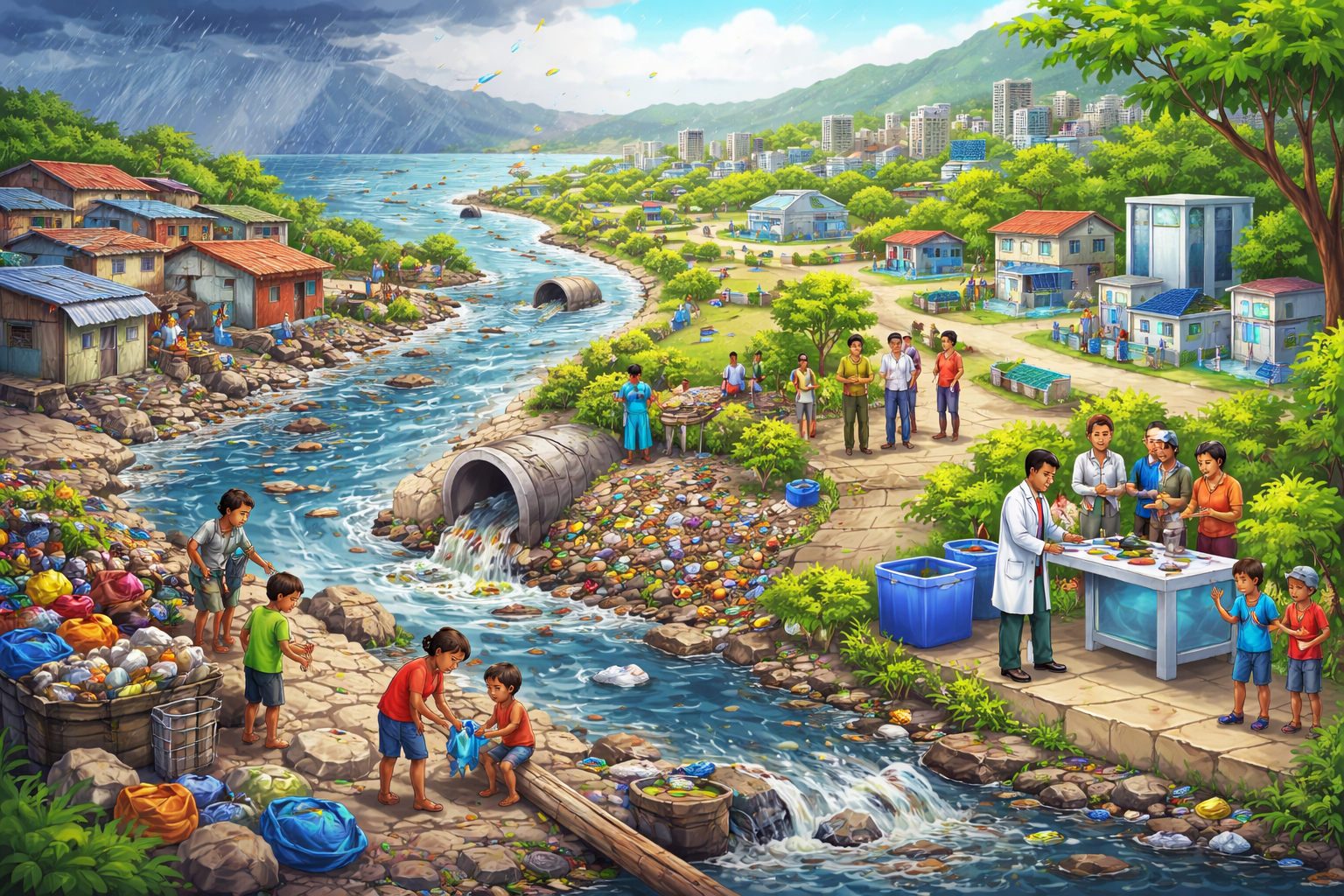
Water contamination remains one of the most damaging threats. Polluted rivers, inadequate sewage systems, failing septic tanks, and agricultural runoff can all degrade water quality. In some communities, untreated wastewater enters natural water bodies used for washing, fishing, or household needs. The health effects can include diarrhea, hepatitis, parasitic infections, and other illnesses linked to poor hygiene and contaminated water sources. During storms, these dangers increase because floodwater often carries pathogens and chemical pollutants.
The condition of urban air is also a concern. Rapid motorization, road congestion, industrial processing, and fuel combustion contribute to a heavy pollution burden in metropolitan areas. Long-term exposure to poor air quality can reduce lung function and raise the risk of chronic disease. Children who grow up near polluted roads may suffer repeated respiratory problems, while older adults may experience aggravated heart and lung conditions.
Solid waste management shows another weak point in environmental health protection. Although laws and local programs exist, implementation gaps remain. In some places, collection systems are inconsistent, segregation is weak, and communities lack facilities for composting or recycling. Plastic litter clogs drainage channels and contributes to urban flooding. Decomposing waste supports flies, cockroaches, and rats, while burned trash releases harmful fumes into densely populated neighborhoods.
Climate vulnerability adds another layer of difficulty. The Philippines experiences repeated typhoons and extreme weather that disrupt environmental services and increase public health risk. Water shortages may occur in drought periods, while floods can destroy latrines, contaminate wells, and spread waste. Heat stress is also becoming more important, especially in crowded urban settings with limited green space and high indoor temperatures. These pressures place additional burdens on clinics, hospitals, and local governments.
Several strategic solutions can help improve environmental health. First, infrastructure development is essential. Safe water systems, sewerage networks, flood control measures, waste treatment facilities, and climate-resilient housing can greatly reduce exposure to disease. Second, stronger law enforcement is needed to limit illegal dumping, regulate industrial discharge, and improve compliance with environmental standards.
Third, local governments should integrate health and environment planning instead of treating them as separate sectors. For example, a drainage project should also consider sanitation, mosquito control, and emergency access during disasters. Fourth, communities need practical education that goes beyond awareness. People should be supported with tools and systems that make healthier behavior possible, such as regular garbage collection, affordable water treatment, and accessible health information.
Environmental health in the Philippines is ultimately about prevention. When the environment is cleaner, safer, and more resilient, communities experience fewer illnesses, lower healthcare costs, and stronger capacity to face future challenges.